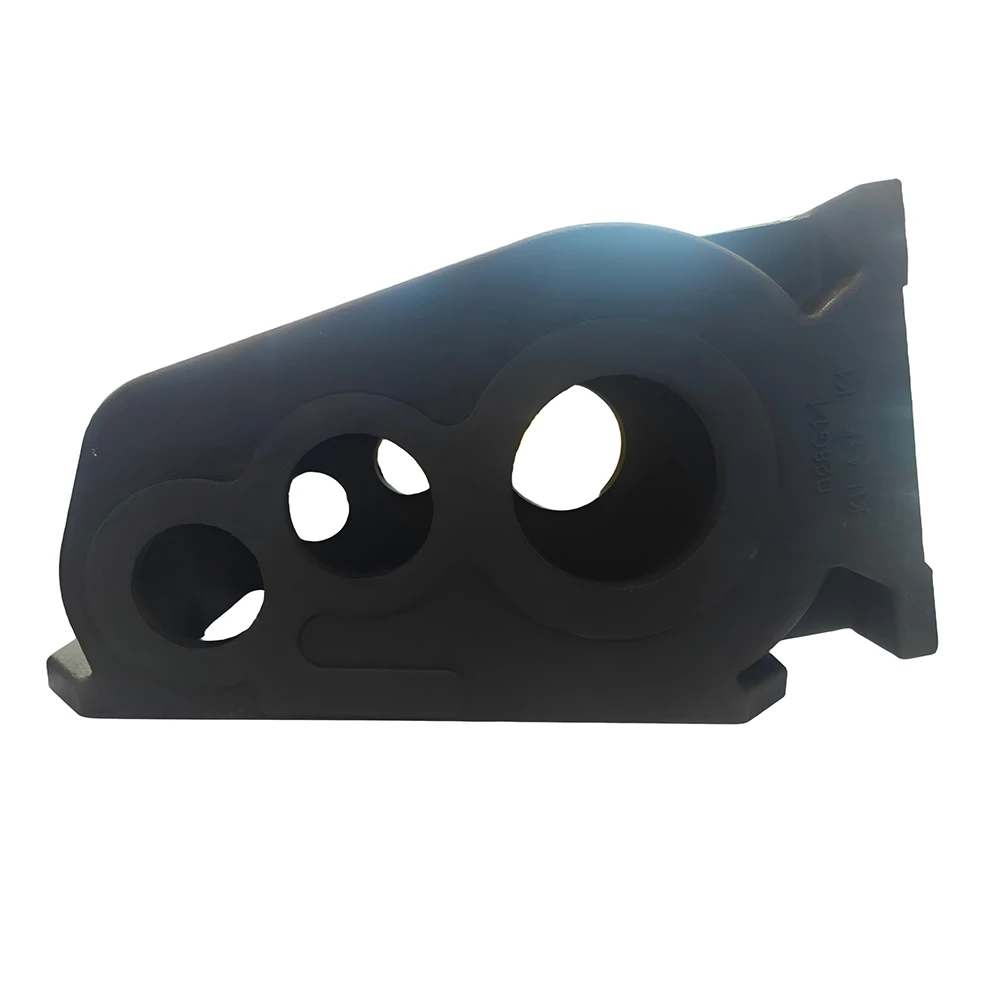
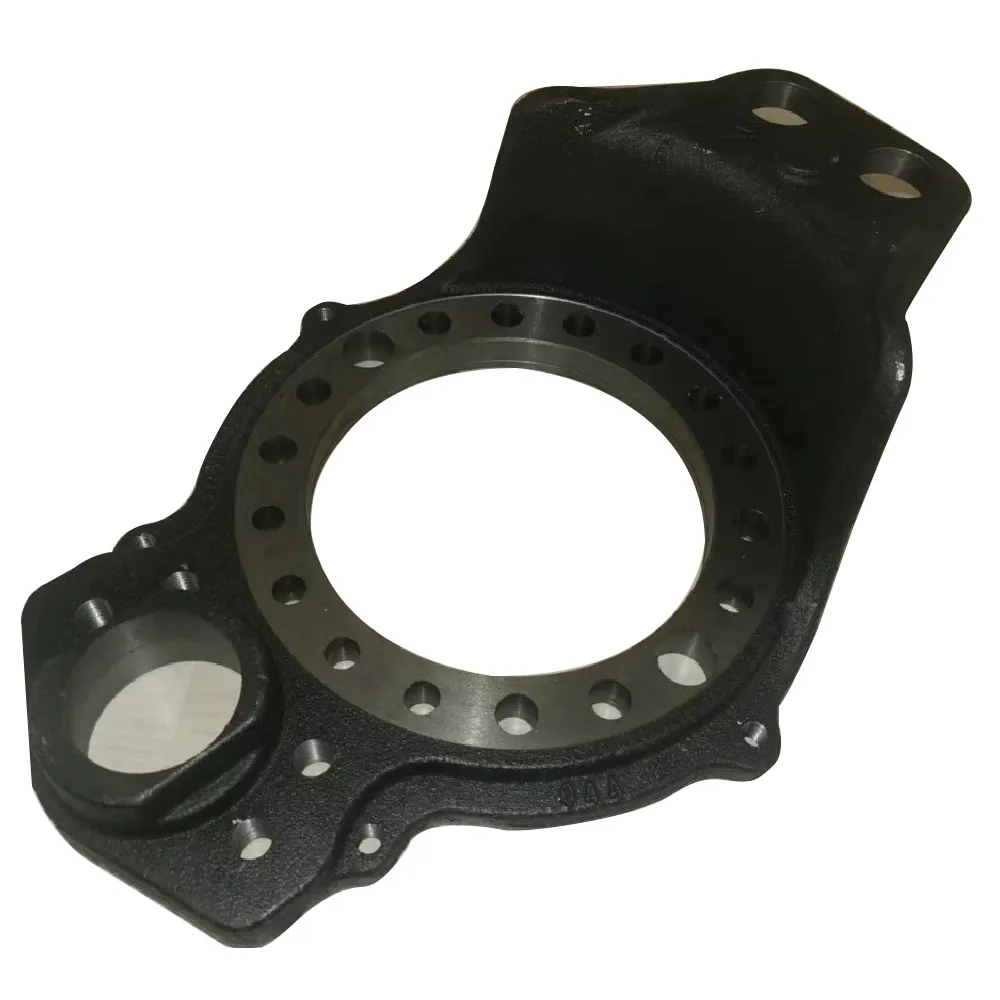
Heavy Duty Chassis Brackets and Certified Automotive Parts
Heavy construction equipment operates under relentless mechanical stress, where the failure of a single structural component can lead to catastrophic downtime and significant safety risks. Chassis brackets serve as the critical skeletal junctions of machinery, absorbing shock loads and maintaining alignment for excavators, loaders, and cranes. To ensure operational reliability, procurement managers and engineers prioritize components that combine high-yield strength with precision fabrication.
Our engineered chassis brackets are designed to meet these rigorous demands, utilizing advanced metallurgy and robotic welding to extend the service life of heavy machinery. By integrating certified automotive parts standards into the construction sector, we provide components that not only match OEM specifications but often exceed them in fatigue resistance and environmental adaptability. Whether operating in arctic temperatures or corrosive tropical environments, these brackets provide the structural integrity necessary for maximum equipment uptime.

Material Engineering and Structural Composition for Extreme Load Bearing
The performance of a chassis bracket is fundamentally determined by its material composition. We utilize a range of high-performance alloys tailored to specific stress profiles. For primary structural supports, High-Yield Steel Alloys such as Q345B, Q460C, and ASTM A572 Grade 50 are employed to provide an optimal balance of tensile strength and ductility. In areas prone to extreme abrasion, we integrate specialty wear-resistant steels like Hardox 400 and AR400, ensuring the component does not deform under repetitive impact.
For applications where weight reduction is critical without sacrificing stability, aluminum alloys including 6061-T6 and 7075-T6 are utilized. The structural integrity is further enhanced through reinforced rib designs, which increase torsional rigidity and prevent harmonic vibrations from causing metal fatigue. This meticulous approach to material selection ensures that every bracket can withstand static loads up to 25 tons, depending on the specific model and application.
- High-Yield Steel: Optimal for main frame connections and load distribution.
- Wear-Resistant Alloys: Essential for high-friction zones and impact-heavy roles.
- Lightweight Aluminum: Designed for speed and efficiency in weight-sensitive machinery.
- Custom Solutions: Materials specified based on chemical exposure or temperature extremes.

Precision Manufacturing Processes and Quality Verification Standards
Consistency in fabrication is what separates industrial-grade brackets from standard alternatives. Our production line utilizes Precision Laser Cutting to ensure dimensional accuracy within ±0.1mm, eliminating the need for extensive manual fitting during installation. Structural forming is achieved via CNC Hydraulic Pressing, which ensures that every bend and angle maintains consistent internal stress levels, reducing the likelihood of stress-concentration cracks.
To maximize joint strength, we employ Robotic Welding with submerged arc techniques, providing deep penetration and uniform beads that resist fracturing under dynamic loads. Surface protection is a critical final step; depending on the environment, components undergo shot blasting followed by high-grade powder coating or hot-dip galvanizing to prevent oxidation and corrosion in humid or salty conditions.
Quality assurance is integrated into every stage of production. We conduct Non-Destructive Testing (NDT) including Ultrasonic (UT), Magnetic Particle (MT), and Penetrant (PT) examinations to identify internal flaws. Every batch is accompanied by a mill test report, ensuring that the raw materials meet the exact mechanical properties required by international standards such as ISO 148-1 for impact resistance.
Strategic Application Scenarios Across Construction and Mining Industries
Chassis brackets are indispensable across a wide array of heavy-duty machinery. In Earthmoving Equipment, they provide vital reinforcement for excavator undercarriages and support frames for bulldozer tracks. These components must manage the immense torsional forces generated when a machine pivots or pushes heavy loads of soil and rock. Without high-rigidity brackets, the alignment of the track system would degrade, leading to premature wear of the pins and bushings.
In Material Handling and Mining, our brackets support crane boom mountings and forklift mast structures. These applications require strict adherence to safety standards, such as ISO 12100 and OSHA 1926.602, as the structural failure of a mounting bracket could lead to catastrophic load drops. For mining dump trucks and drilling rigs, reinforcements are added to the chassis to handle the shock loads associated with off-road haulage in rugged terrain.
Furthermore, road construction machinery like asphalt pavers and milling machines rely on these structural supports to maintain a level platform for precision paving. By utilizing modular design options, we allow operators to replace brackets easily, significantly reducing maintenance windows and ensuring that the machinery returns to service as quickly as possible.
Technical Specification and Performance Comparison Matrix
| Material Grade | Primary Application | Load Capacity | Environmental Suitability |
|---|---|---|---|
| Q345B / ASTM A572 | General Chassis Frame | High (Up to 25t) | Standard Industrial |
| Hardox 400 / AR400 | Impact Zones / Mining | Very High | Abrasive / High Impact |
| Aluminum 6061-T6 | Lightweight Support | Medium | Corrosive / Weight-Sensitive |
| Q460C High-Yield | Heavy Excavator Arms | Ultra High | Extreme Dynamic Stress |
| Galvanized Steel | Municipal Infrastructure | Medium-High | High Humidity / Salt Spray |
Evaluating Total Cost of Ownership and Long-term Durability
When selecting structural components, buyers often focus on initial procurement costs, but the true value lies in the reduction of the Total Cost of Ownership (TCO). Lower-grade brackets often suffer from metal fatigue, leading to frequent replacements and unplanned equipment downtime. Our engineered brackets are designed to reduce metal fatigue by up to 40% compared to standard equivalents, effectively extending service intervals by 30%.
The integration of optimized geometry reduces stress concentration points, which are the primary cause of structural cracks. For fleet managers, this means fewer inspections and a lower risk of on-site failure. By investing in components that meet IATF16949 and ISO 9001 quality management systems, companies can ensure a consistent supply of parts that perform predictably across thousands of stress cycles.
Moreover, our customization options allow for the development of retrofit kits. Instead of replacing an entire assembly, operators can upgrade critical mounting points with higher-grade alloys. This strategic approach to maintenance not only lowers costs but also enhances the safety of the equipment, ensuring it exceeds current structural integrity standards.
Future Trends in Structural Components for Autonomous Machinery
The shift toward autonomous and electric construction machinery is introducing new requirements for chassis components. Electric drivetrains often produce different torque profiles and vibration frequencies than internal combustion engines. This necessitates a transition toward vibration-damping geometries and the use of advanced composite-metal hybrids to manage harmonic stresses while maintaining high load capacities.
We are seeing an increased demand for "intelligent" structural components—brackets equipped with embedded sensors to monitor stress and fatigue in real-time. This move toward predictive maintenance allows operators to identify a potential failure before it occurs, transforming the bracket from a passive piece of steel into a data-providing asset. As the industry moves toward smarter fleets, the precision of the initial fabrication becomes even more critical to ensure sensor accuracy.
Additionally, there is a growing emphasis on sustainability. The use of recyclable high-yield alloys and low-emission powder coating processes is becoming a standard requirement for global tenders. By continuously improving our casting and machining processes, we ensure that our structural components contribute to the long-term sustainability of the construction and automotive sectors.
Technical FAQ: Chassis Bracket Selection and Maintenance
How do I determine the correct material grade for my machinery's chassis brackets?
Selection depends on the primary stress type. For high-impact environments like mining, Hardox or AR400 is recommended. For general structural load-bearing, High-Yield Steel (Q345B/Q460C) provides the best balance of strength and cost. Weight-sensitive applications should utilize 6061-T6 aluminum.
What are the signs that a chassis bracket needs immediate replacement?
Key indicators include visible hairline cracks at weld joints, deformation of mounting holes (elongation), and peeling of the protective coating which may indicate underlying oxidation. Any deviation in equipment alignment also suggests structural failure of the brackets.
Can these brackets be customized for non-standard equipment?
Yes, we provide custom material solutions and prototype development for unique operational requirements. This includes adjusting the rib structure for specific torsional rigidity needs or modifying the dimensions to fit retrofit equipment upgrades.
How does powder coating compare to hot-dip galvanizing for chassis parts?
Powder coating offers superior color finish and excellent resistance to mild corrosion. Hot-dip galvanizing provides a thicker, more rugged zinc layer that is far superior for extreme outdoor environments, such as coastal areas or heavy salt-exposure roads.
What quality certifications should I look for when sourcing these components?
At a minimum, look for ISO 9001 for general quality management. For automotive-grade precision and reliability, IATF16949 is the industry gold standard. Additionally, ensure the supplier provides Mill Test Reports (MTR) for raw material verification.
What is the recommended maintenance interval for structural brackets?
We recommend a visual inspection for cracks monthly, a torque check on all fasteners quarterly, and professional non-destructive testing (such as UT or MT) annually for components in high-stress critical applications.
Industry Standards and Technical References
- ISO 12100: Safety of Machinery Standards
- ASTM A572 Grade 50 Structural Steel Specifications
- IATF 16949 Automotive Quality Management Systems
- OSHA 1926.602 Material Handling Equipment Regulations
Ensuring the structural integrity of your heavy machinery starts with the selection of precision-engineered components. By combining advanced material science with rigorous quality control, we provide the durability required for the world's most challenging work environments. Contact our engineering team to discuss your specific load requirements or to request a customized structural solution for your fleet.
Explore Our Heavy-Duty Casting Solutions