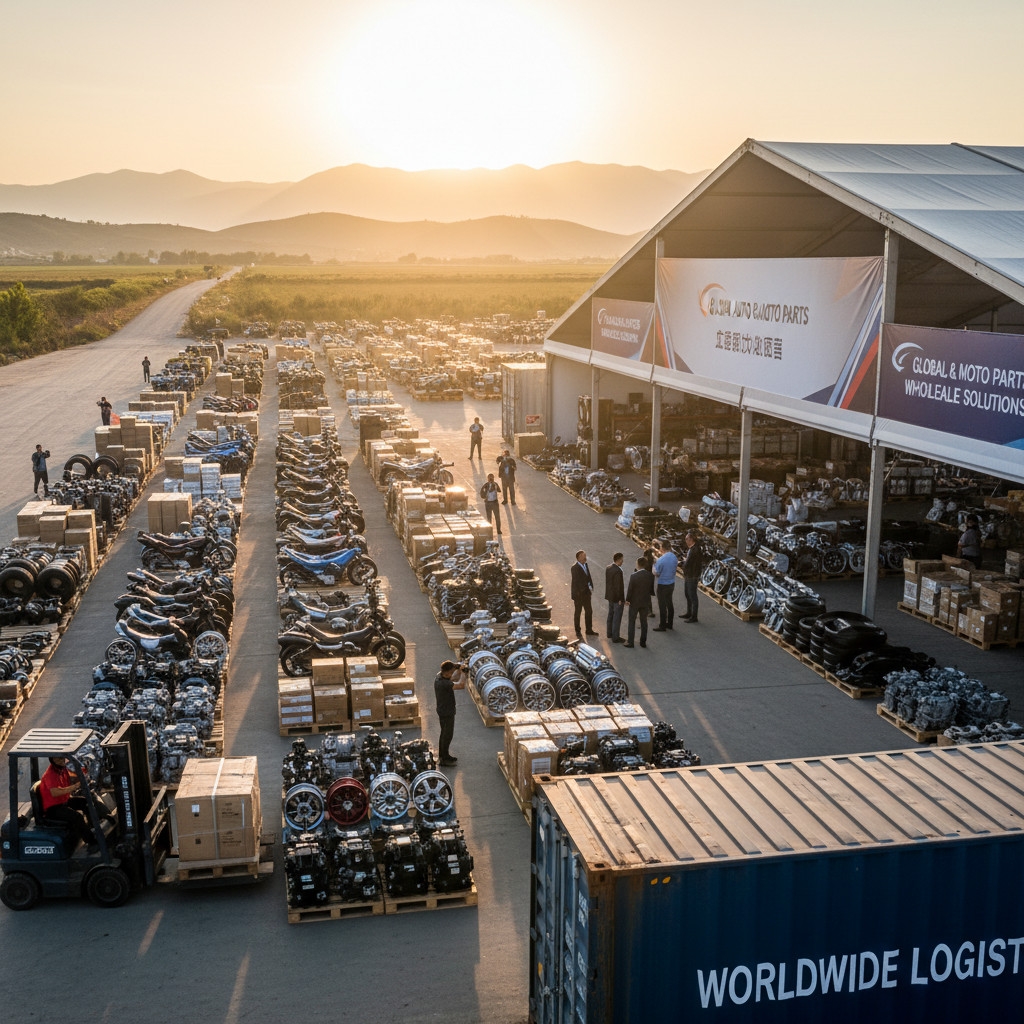
The reliability of a commercial vehicle's suspension depends heavily on the integrity of its mounting points, specifically the axle thrust rod seat. These components are engineered to secure the thrust rod or watt's link to the axle housing, ensuring that longitudinal forces are transmitted efficiently between the axle and the chassis. For those sourcing through an automotive parts wholesale distributor, understanding the technical nuances of these brackets is essential to prevent premature suspension failure and maintain vehicle safety.
In the heavy-duty transport and construction sectors, the axle thrust rod seat operates under extreme stress, absorbing road shocks and maintaining precise axle positioning during braking and acceleration. A failure in this small but critical part can lead to misalignment, uneven tire wear, and catastrophic structural failure of the suspension geometry. Consequently, procurement professionals must look beyond basic pricing and evaluate the metallurgical properties and machining precision of the components they integrate into their fleets or retail offerings.
This comprehensive guide analyzes the technical requirements, material selection, and procurement strategies for high-performance thrust rod seats. By examining the relationship between casting quality and operational longevity, we provide a framework for buyers to distinguish between standard replacements and heavy-duty reinforced solutions. Readers will learn how to assess supplier capabilities, verify certification standards like IATF16949, and optimize the lifecycle value of their automotive suspension assets.
Supply Chain Dynamics for Suspension Components
The global distribution of automotive parts wholesale distributor networks has evolved to prioritize "just-in-time" delivery and high-precision OEM matching. For critical components like the axle thrust rod seat, the supply chain is no longer just about logistics but about technical verification. Modern B2B procurement requires a deep dive into the manufacturing process—from the induction furnaces used for melting the iron to the CNC machining centers that ensure mounting holes are laser-accurate. The shift toward ductile iron and reinforced steel allows these parts to handle higher Gross Vehicle Weight Ratings (GVWR) while reducing the overall weight of the assembly. In regions like Europe and North America, the demand for aftermarket parts that exceed OEM specifications is rising, pushing manufacturers to adopt more rigorous quality management systems to guarantee consistency across thousands of units.
Strategic Procurement of Axle Thrust Rod Seats
Selecting the right thrust rod seat requires a balance between material strength, geometric precision, and environmental resistance. Because these parts are the primary bridge between the axle and the frame, any deviation in the casting or machining can introduce vibration or misalignment into the entire drivetrain.
Material Integrity and Casting Quality
High-grade steel (such as ASTM A572) and precision ductile iron castings are the industry standards for thrust rod seats. The casting process must be free of porosity and inclusions, as these internal defects act as stress concentrators that lead to cracking under dynamic loads. Utilizing automatic pouring machines and controlled sand mixing ensures a consistent grain structure across all production batches, which is critical for components exported to demanding markets in the UK, USA, and Germany.
| Material Type | Key Property | Best Application | Risk Factor |
|---|---|---|---|
| Standard Cast Iron | High Compression Strength | Light Commercial Vehicles | Brittleness under impact |
| Ductile Iron | Improved Elasticity | Heavy-Duty Trucking | Complex casting voids |
| Reinforced Steel | Extreme Tensile Strength | Mining & Construction | Higher production cost |
| Forged Steel | Maximum Density | Military Transporters | Limited geometry options |
| Alloy Steel | Corrosion Resistance | Municipal/Waste Trucks | Welding complexity |
| ASTM A572 Steel | High Yield Strength | General Heavy Transport | Surface oxidation |
Load-Bearing Specifications
The primary function of the seat is force transmission. It must withstand longitudinal forces without deformation. Procurement teams should verify the load-bearing capacity against the vehicle's GVWR. Heavy-duty reinforced seats often feature additional gusseting—extra triangular supports welded to the main body—to distribute stress over a larger area of the axle housing, thereby preventing metal fatigue during off-road hauling.
Application Across Vehicle Segments
Different sectors require specialized seat designs. Semi-tractors and dump trucks need maximum structural reinforcement, whereas municipal vehicles like fire apparatus or street sweepers prioritize vibration damping. Agricultural machinery, such as grain carts, requires seats that can withstand highly corrosive environments and erratic load shifts, making powder coating or galvanization a mandatory requirement rather than an option.
Precision Machining and Tolerance
A thrust rod seat is only as good as its mounting precision. If the bolt holes are off by even a fraction of a millimeter, it can introduce "pre-stress" into the bushing, leading to rapid wear and handling instability. The use of CNC lathes and precision machining centers ensures that the reference surfaces are perfectly flat and the holes are laser-cut for a secure, interference fit with the bushings.
Corrosion Protection Standards
Since these components are located on the undercarriage, they are constantly exposed to road salt, mud, and moisture. High-quality seats undergo stress-relieving heat treatments after welding to prevent internal tension and are finished with professional-grade powder coating. This barrier is essential to prevent oxidation from compromising the structural thickness of the steel over time.
Installation and Alignment Risks
Improper installation is a common cause of premature part failure. Best practices include cleaning mounting surfaces of all rust and using laser alignment tools to verify the thrust rod angle. Fasteners must be torqued exactly to manufacturer specifications; over-tightening can warp the seat, while under-tightening leads to vibrational loosening and catastrophic suspension failure.
Supplier Evaluation Criteria
When assessing a manufacturer, buyers should look for integrated capabilities. A supplier that handles the entire process—from induction melting (e.g., 2-ton capacity furnaces) to final CNC machining—offers better quality control than one that outsources these steps. Certifications like ISO9001 and IATF16949 provide external validation that the factory adheres to automotive-grade quality management and continuous improvement processes.
FAQ
What is the primary purpose of an axle thrust rod seat?
The axle thrust rod seat acts as the reinforced mounting point that secures the thrust rod or watt's link to the vehicle's axle housing. Its main role is to transfer longitudinal forces between the axle and the chassis, maintaining correct axle alignment and absorbing road shocks to protect the vehicle frame from excessive vibration.
How can I tell if my thrust rod seats need replacement?
Key indicators include visible cracking in the metal, significant corrosion that has thinned the material, or excessive play in the bushings. If you notice uneven tire wear or handling instability (the vehicle "wandering" during braking), it often points to a compromised seat or a broken weld that has shifted the suspension geometry.
What is the difference between OEM and Heavy-Duty reinforced seats?
OEM seats are designed to match original factory specifications for standard use. Heavy-duty reinforced seats utilize thicker gauge steel and additional gusseting to handle extreme loads, making them ideal for mining, construction, or heavily modified commercial vehicles that exceed standard weight ratings.
Why is IATF16949 certification important for these parts?
IATF16949 is the global quality management standard specifically for the automotive industry. It ensures that the manufacturer has rigorous controls over the production process, reducing defect rates and ensuring that every batch of casting and machining meets the safety and performance requirements of automotive manufacturers.
Can these seats be welded or repaired if they crack?
While small surface cracks can sometimes be repaired, it is generally discouraged for load-bearing suspension components. Welding can introduce heat-affected zones that weaken the surrounding metal. For safety reasons, a cracked thrust rod seat should be replaced with a new, stress-relieved component to ensure full structural integrity.
How do I choose the right supplier for bulk orders?
Evaluate the supplier's production capacity and equipment. Look for factories with automated pouring lines and CNC machining centers to ensure consistency. Verify their export experience in your specific region and check for certificates of quality. A supplier capable of producing thousands of tons of castings annually typically has the stability needed for large-scale wholesale operations.
References and further reading
- SAE J1455 - Heavy-duty suspension standards and environmental testing.
- ISO 9001:2015 Quality Management Systems Requirements.
- IATF 16949:2016 Automotive Quality Management Standard.
Related Articles