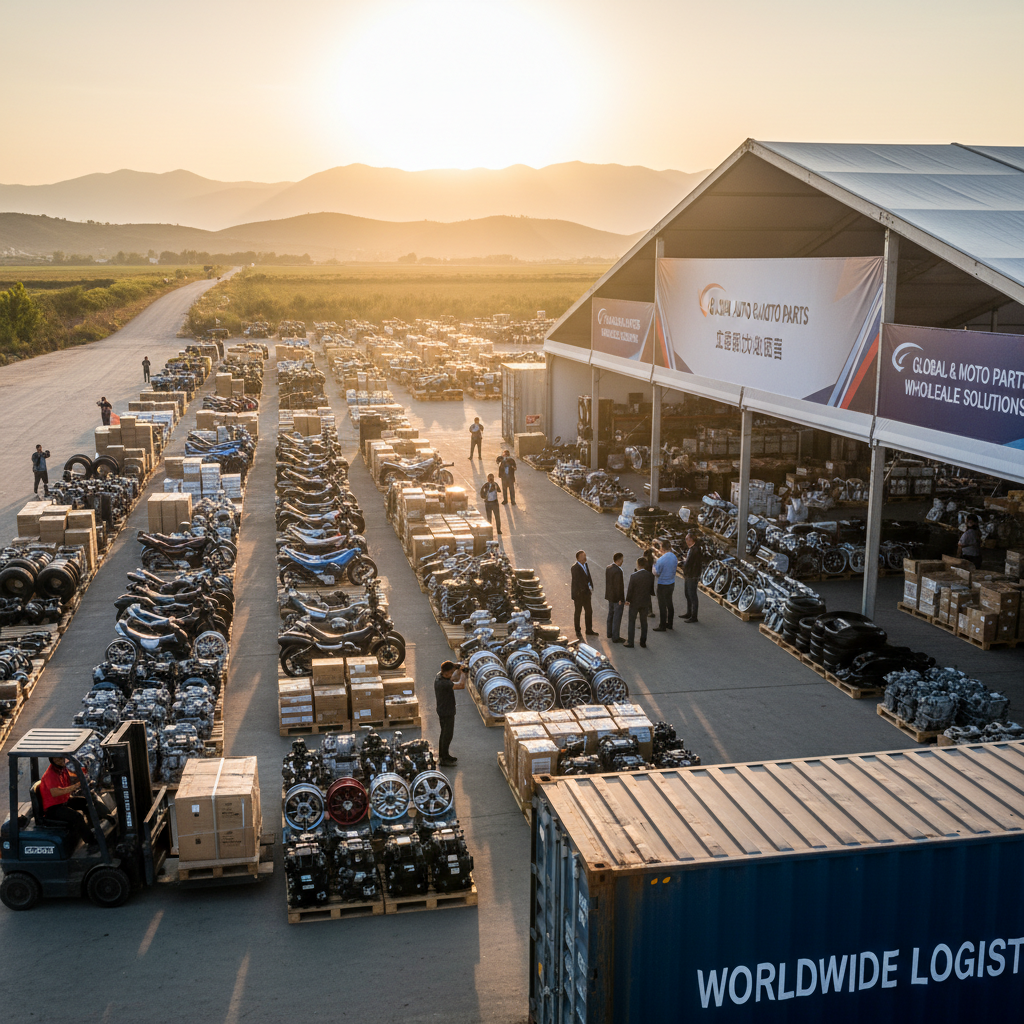
You know, I've been running around construction sites all year, dealing with materials and engineers. To be honest, these days everyone's talking about prefabricated building components – you see them everywhere now. It's not exactly new, but the demand's gone through the roof. Seems like everyone wants faster builds, less waste… Less headache, I guess. It's a good thing, mostly.
But have you noticed, a lot of these suppliers, they focus so much on the fancy renderings and the promises, they forget about the practical stuff? Like, designing an interface that looks great on paper but is a nightmare to actually connect in the field. I encountered this at a factory in Tianjin last time – beautiful design, but the tolerances were all off. Took us a whole day just to get things aligned.
And then there's the materials themselves. We're using a lot more high-strength steel now, which is good, but it’s a different beast to work with. It’s heavier, obviously, but it also feels… colder. And the smell when you cut it with a plasma torch? Ugh. Then you've got these composite panels - lightweight, good insulation, but if you scratch the surface coating, you’re looking at water damage down the line. We use a lot of expanded polystyrene (EPS) too – cheap, good insulator, but handle it rough and it breaks apart like… well, like styrofoam. Which it is, I guess. Anyway, I think choosing the right materials is half the battle.
The Rising Demand for Prefabricated Components
Strangely enough, the push for prefabrication isn't just about speed. It’s also about quality control, believe it or not. Factory settings allow for more consistent manufacturing than relying on crews in the field. Plus, less waste equals lower costs, and right now everyone's feeling the pinch.
But it also means you’re relying on auto body parts suppliers to get it right the first time. Because if something's wrong, fixing it after it's bolted together is... well, it’s a pain.
Design Pitfalls and Real-World Challenges
I've seen designs that look fantastic on the computer, all sleek lines and minimalist aesthetics, but completely ignore the realities of installation. Like, trying to fit a complex bracket into a tight space without any allowance for tool access. Or specifying a fastener that’s only available from one supplier in the entire country. You just want to shout, "Think, people, think!"
And don't even get me started on the documentation. Half the time it’s incomplete, ambiguous, or just plain wrong. It’s like they expect the installers to be mind readers.
It’s a constant battle to balance aesthetics with practicality. I mean, we want things to look good, but they also have to work in the real world. That's where good auto body parts suppliers come in – the ones who actually understand the construction process.
A Deep Dive into Materials
We're seeing more and more use of aluminum alloys, particularly in exterior cladding. Lighter than steel, corrosion resistant, looks good… but it’s expensive, and requires specialized welding techniques. And if it gets dented, it’s a real pain to repair. You also have to be careful about galvanic corrosion when using aluminum in contact with steel. It's a whole chemistry lesson, really.
Then there’s the plastic stuff. Polycarbonate, acrylic, PVC… all sorts of polymers. Good for windows, skylights, and some interior panels. Lightweight, durable, weather-resistant… but they scratch easily, and some of them off-gas harmful chemicals. You need to choose wisely, and make sure you've got proper ventilation.
And let's not forget wood. Still a classic, still beautiful, still requires a lot of maintenance. Especially if it's exposed to the elements. You've got to treat it, seal it, stain it… it’s a never-ending job. But there's something about the feel of real wood that you just can't replicate with synthetic materials.
Testing Beyond the Lab
Lab tests are fine, but they don’t tell you the whole story. You need to see how these auto body parts perform in real-world conditions. I've seen components that passed all the lab tests, but crumbled under the slightest bit of stress on the construction site.
We do a lot of on-site load testing, where we actually apply weight to the structure to see how it holds up. We also do impact testing, where we drop weights on the components to simulate hail or falling debris. And, of course, we just generally abuse them to see what breaks. It’s not pretty, but it’s necessary.
Auto Body Parts Supplier Performance Ratings
How Users Actually Interact with Auto Body Parts
It's funny, you design something with a specific installation process in mind, and then the guys in the field just…do their own thing. They’ll find shortcuts, they’ll improvise, they’ll ignore the instructions completely. I've seen guys using these auto body parts as makeshift shims, or even as hammers! You can't control how people use things once they leave the factory.
That’s why it’s so important to design for robustness and ease of use. And to provide clear, concise instructions – even if they’re going to ignore them half the time.
Advantages and Disadvantages: A Pragmatic View
Prefabrication definitely speeds up the construction process, that's undeniable. It also reduces waste and improves quality control. But it also comes with its own set of challenges. Transportation costs can be high, especially for large components. And you're relying on a limited number of auto body parts suppliers, which can create bottlenecks.
There's also the issue of design flexibility. Once a component is fabricated, it's difficult to make changes. So you need to get the design right the first time. Which, let's be honest, doesn't always happen.
The biggest advantage? Predictability. You know what you're getting, and you know how long it’s going to take. That's invaluable in this business. The biggest disadvantage? Rigidity. It doesn't always adapt well to unexpected site conditions.
Customization Capabilities and a Customer Story
Most auto body parts suppliers will offer some level of customization, but it depends on the component and the quantity. Standard sizes and materials are always the cheapest option, of course. But if you need something specific, you'll pay a premium.
Last month, this small boss in Shenzhen who makes smart home devices insisted on changing the interface of a panel to , and the result was a three-week delay and a whole lot of headaches. He wanted to be "future-proof", but he didn’t realize it meant sourcing a completely different set of connectors and retooling the production line.
Anyway, I think understanding the limitations of customization is key. You can usually get what you want, but you have to be realistic about the cost and the lead time.
Summary of Auto Body Parts Supplier Challenges and Solutions
| Challenge |
Impact on Project |
Potential Solution |
Cost/Complexity |
| Inaccurate Design Specifications |
Delays, Rework, Increased Costs |
Detailed Design Review, Collaboration with Suppliers |
Low/Medium |
| Supply Chain Disruptions |
Material Shortages, Project Stoppages |
Diversification of Suppliers, Buffer Stock |
Medium/High |
| Poor Quality Control |
Defective Components, Structural Issues |
Rigorous Inspection, On-Site Testing |
Medium |
| Installation Challenges |
Delays, Safety Concerns |
Detailed Installation Guides, Skilled Labor |
Low/Medium |
| Limited Customization Options |
Compromised Design, Reduced Functionality |
Early Supplier Engagement, Value Engineering |
Medium/High |
| Inadequate Documentation |
Misunderstandings, Errors, Rework |
Complete and Accurate Documentation, Digital Access |
Low |
FAQS
Typically, you'll see a lot of high-strength steel for structural components, aluminum alloys for cladding and lighter parts, and various polymers for insulation and aesthetic elements. The key is not just the material itself, but the quality control during manufacturing and the proper coating or treatment to prevent corrosion. It's also important that the supplier can provide certifications for material traceability.
Look for suppliers with certifications like ISO 9001 and compliance with relevant industry standards. Ask for test reports demonstrating that the components meet required load-bearing, fire resistance, and structural integrity requirements. Don’t be afraid to ask about their quality control processes – a good supplier will be transparent about their procedures. On-site inspections are also a great way to verify quality.
Lead times for custom components vary greatly depending on the complexity of the design, the material, and the supplier's production schedule. Generally, you can expect a lead time of at least 4-6 weeks, and often longer for highly specialized parts. It's best to engage with the supplier early in the design process to discuss feasibility and lead times. Planning is crucial.
Reputable suppliers will have established logistics networks to ensure safe and timely delivery. They should be able to handle packaging, loading, and transportation, and provide tracking information. For large or fragile components, they should use specialized carriers and packaging materials to prevent damage during transit. Clarify the shipping terms (FOB, CIF, etc.) upfront.
Ask about their experience with similar projects, their quality control procedures, their lead times, their pricing structure, and their warranty policies. Also, ask about their capacity to handle your volume requirements and their ability to provide technical support. Don’t be afraid to ask for references from previous clients.
Document the damage immediately with photos and videos. Notify the supplier and the carrier as soon as possible. Follow the supplier’s claim process, which usually involves submitting documentation and potentially returning the damaged components for inspection. A good supplier will offer a replacement or a refund.
Conclusion
Ultimately, prefabricated components and the auto body parts suppliers that provide them are changing the construction landscape, offering faster builds, improved quality control, and reduced waste. But it's not a magic bullet. Success depends on careful planning, realistic expectations, and a willingness to collaborate with experienced suppliers who understand the challenges of working in the real world.
And remember, no matter how fancy the design or how advanced the materials, whether this thing works or not, the worker will know the moment he tightens the screw. That’s why finding a supplier you can trust – one that understands the job, the materials, and the people doing the work – is so vital.