Agricultural machinery parts price is a crucial factor impacting global food production and the economic viability of farming operations. Understanding the dynamics of these prices – influenced by material costs, manufacturing processes, supply chain logistics, and market demand – is paramount for farmers, equipment manufacturers, and policymakers alike. Fluctuations in agricultural machinery parts price can significantly affect farmers’ ability to maintain and upgrade their equipment, potentially leading to reduced yields and increased food costs.
The global agricultural machinery market is a multi-billion dollar industry, heavily reliant on a consistent and affordable supply of replacement parts. Rising input costs, geopolitical instability, and disruptions in global trade all contribute to volatility in agricultural machinery parts price. Consequently, businesses and individuals involved in agriculture must proactively manage these risks and seek strategies to mitigate the impact of price fluctuations.
Therefore, a thorough understanding of the factors influencing agricultural machinery parts price is essential for ensuring sustainable agricultural practices and global food security. This extends beyond simply knowing the cost; it requires analyzing trends, anticipating future changes, and identifying cost-effective sourcing options, which is where platforms like agricultural machinery parts price can be invaluable.
Introduction to Agricultural Machinery Parts Price
The increasing global population demands more efficient and productive agricultural practices. A key element of this efficiency relies on well-maintained and operational farm machinery. Consequently, the cost of agricultural machinery parts – from simple bolts to complex engine components – directly impacts the ability of farmers to cultivate land and produce food effectively. Obtaining competitive agricultural machinery parts price is thus a primary concern.
Furthermore, the agricultural sector is undergoing a rapid transformation fueled by technological advancements. Precision farming techniques, automated systems, and data-driven decision-making all require specialized parts and components. As these technologies become more prevalent, understanding and managing the associated parts price will become increasingly important for ensuring the economic viability of modern agricultural operations.
Defining Agricultural Machinery Parts Price
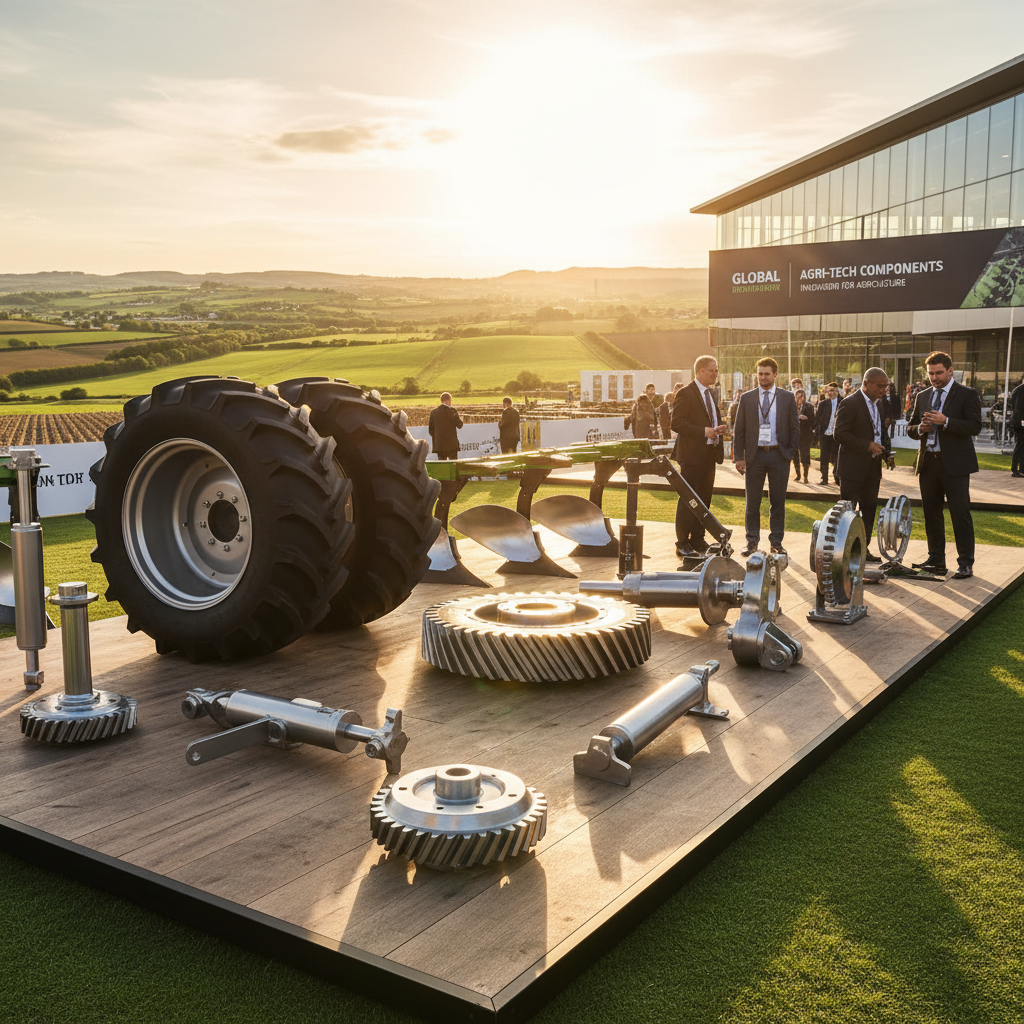
Agricultural machinery parts price refers to the monetary value assigned to individual components required for the repair, maintenance, and upgrade of agricultural equipment. This encompasses a vast range of items, including engine parts, hydraulic components, transmission systems, tillage tools, harvesting equipment parts, and electronic sensors. The price can vary significantly based on the part's complexity, material composition, manufacturer, and demand.
In essence, agricultural machinery parts price is a reflection of the entire value chain – from raw material sourcing and manufacturing to distribution, retail, and after-sales service. It is closely tied to macroeconomic factors, such as inflation, exchange rates, and global supply chain dynamics. Farmers and agricultural businesses rely on accurate and transparent pricing information to make informed purchasing decisions and optimize their operational budgets.
Understanding the nuances of agricultural machinery parts price is not just about getting the lowest immediate cost. It also encompasses factors such as part quality, durability, and warranty coverage, all of which contribute to the total cost of ownership over the lifespan of the equipment. Finding a reliable source for competitive agricultural machinery parts price is therefore critical.
Key Factors Influencing Agricultural Machinery Parts Price
Several key factors converge to determine agricultural machinery parts price. One significant driver is the cost of raw materials, including steel, iron, aluminum, and plastics. Fluctuations in commodity markets directly translate into price adjustments for parts manufactured from these materials. Geopolitical events and trade policies can also disrupt material supply chains and impact costs.
Manufacturing complexity and labor costs also play a crucial role. Highly engineered parts requiring precision machining and specialized assembly processes are naturally more expensive. Labor costs, particularly in regions with higher wages, contribute to the overall production expenses. The type of casting method used to manufacture the parts also effects the price.
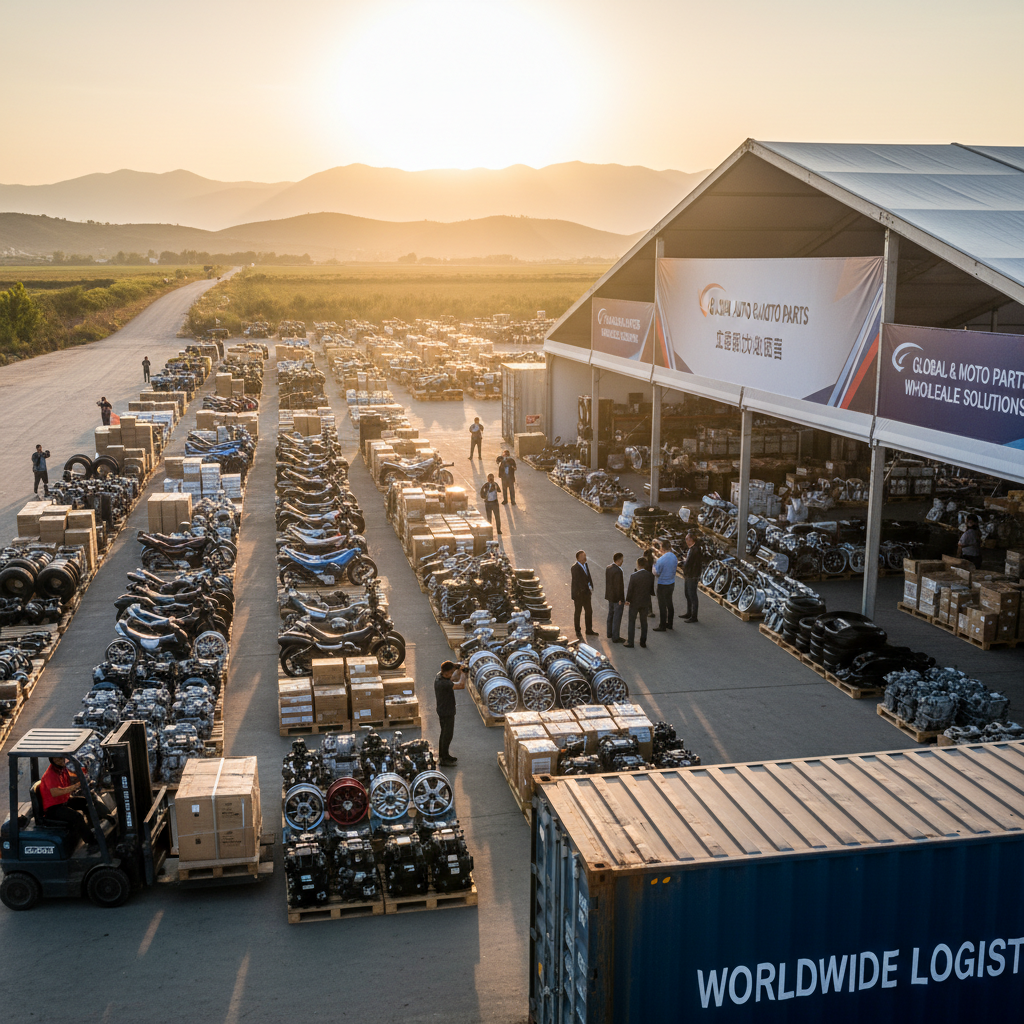
Furthermore, transportation and logistics add to the final price. Shipping costs, import duties, and storage fees can significantly increase the cost of parts, especially for international shipments. Finally, brand reputation and market demand influence price. Established brands with a track record of quality and reliability often command premium prices, while high-demand parts may experience price increases due to limited availability.
Global Applications and Use Cases
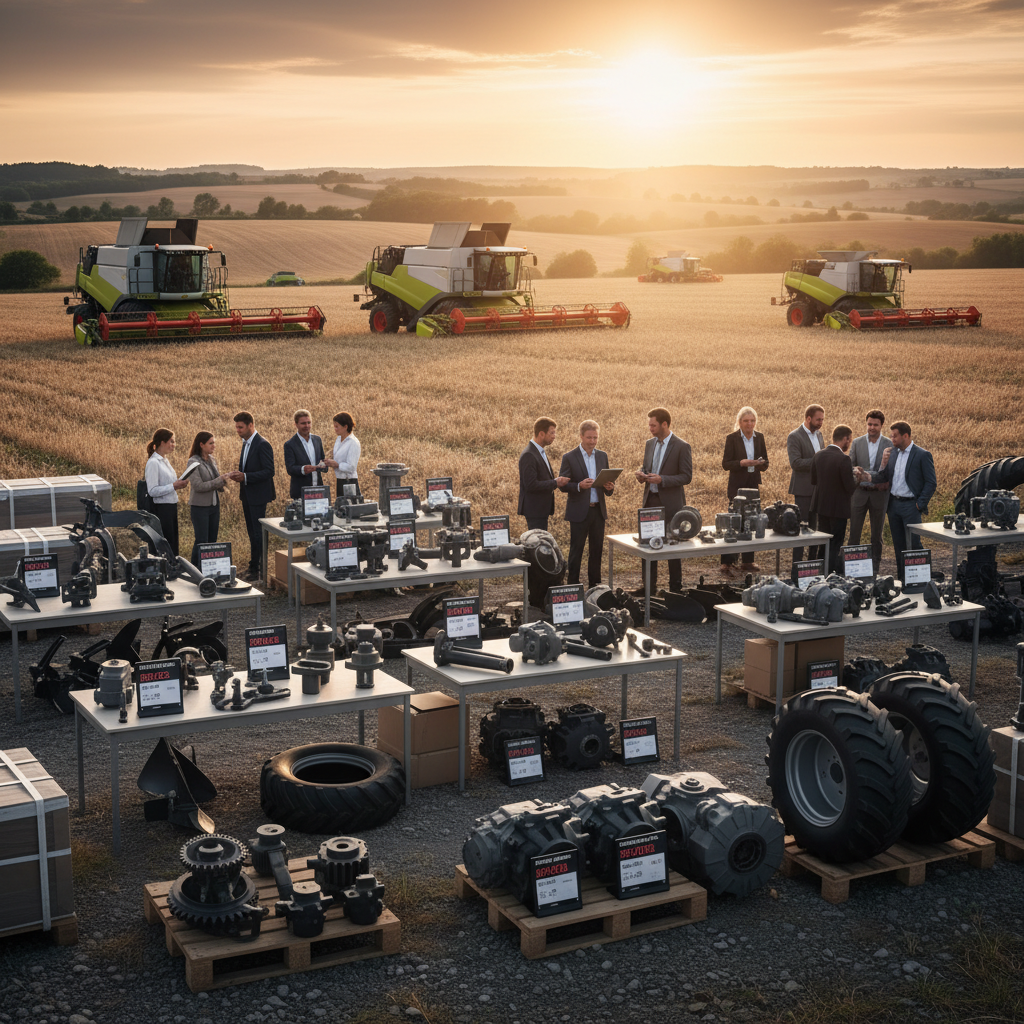
The need for affordable and reliable agricultural machinery parts spans across the globe. In North America and Europe, large-scale commercial farms rely heavily on readily available parts to minimize downtime during critical planting and harvesting seasons. Efficient supply chains and robust distribution networks are essential for supporting these operations.
In developing countries, particularly in Asia and Africa, access to affordable parts is even more crucial. Smallholder farmers often lack the financial resources to purchase new equipment and depend on maintaining existing machinery. Access to competitively priced parts can significantly improve their productivity and livelihoods.
In post-disaster relief operations following events like floods or droughts, quick access to agricultural machinery parts is vital for restoring agricultural production and ensuring food security. Similarly, in remote industrial zones with limited infrastructure, reliable parts supply is critical for maintaining essential agricultural operations.
Agricultural Machinery Parts Price Comparison (Estimated)
Advantages and Long-Term Value
Securing competitive agricultural machinery parts price offers significant advantages beyond immediate cost savings. Durable and high-quality parts reduce the frequency of repairs and replacements, minimizing downtime and maximizing equipment lifespan. This translates into increased productivity and reduced operational expenses.
Furthermore, utilizing reliable parts ensures the safe and efficient operation of agricultural machinery, protecting both the operator and the environment. Investing in quality parts also contributes to the long-term sustainability of agricultural practices by reducing waste and minimizing the need for frequent equipment upgrades.
Future Trends and Innovations
The future of agricultural machinery parts price will be shaped by several key trends. The increasing adoption of digital technologies, such as IoT sensors and predictive maintenance systems, will enable more accurate monitoring of part wear and tear, optimizing maintenance schedules and reducing unexpected breakdowns.
Advancements in materials science will lead to the development of lighter, stronger, and more durable parts, potentially reducing the overall cost of ownership. Furthermore, the growth of additive manufacturing (3D printing) may enable on-demand production of customized parts, reducing lead times and minimizing inventory costs.
Challenges and Solutions
Despite the advancements in technology and supply chain management, several challenges remain in maintaining affordable agricultural machinery parts price. Supply chain disruptions, geopolitical instability, and fluctuating currency exchange rates can all lead to price volatility.
To mitigate these challenges, businesses can adopt strategies such as diversifying their sourcing options, establishing long-term contracts with suppliers, and investing in inventory management systems. Utilizing platforms like agricultural machinery parts price can also help farmers access a wider range of suppliers and compare prices effectively.
Furthermore, fostering collaboration between manufacturers, suppliers, and farmers can lead to more efficient and transparent pricing practices. Developing local manufacturing capabilities in developing countries can also reduce reliance on imports and lower transportation costs.
Analysis of Key Factors Influencing Agricultural Machinery Parts Price
| Factor Category |
Impact Level (1-10) |
Mitigation Strategies |
Long-Term Outlook |
| Raw Material Costs |
9 |
Diversify sourcing, long-term contracts |
Continued volatility, potential for price increases |
| Manufacturing Complexity |
7 |
Automation, standardized designs |
Gradual cost reduction through technological advancements |
| Supply Chain Logistics |
8 |
Regional distribution centers, optimized routes |
Increased efficiency through digitalization and automation |
| Brand Reputation |
6 |
Focus on value proposition, transparent pricing |
Continued premium pricing for established brands |
| Geopolitical Factors |
7 |
Diversification, risk assessment |
Increased uncertainty and potential for disruptions |
| Technological Innovation |
5 |
Embrace new technologies, continuous improvement |
Potential for cost reduction and performance enhancement |
FAQS
Several key factors converge to determine agricultural machinery parts price. These include the cost of raw materials like steel and aluminum, manufacturing complexity, supply chain logistics, transportation costs, brand reputation, and overall market demand. Geopolitical events and currency exchange rates also play a considerable role. Understanding these factors is crucial for farmers seeking competitive pricing.
Farmers can mitigate the impact of price fluctuations through several strategies. These include diversifying their suppliers, establishing long-term contracts, utilizing inventory management systems, and proactively planning maintenance schedules. Exploring options like refurbished parts or generic alternatives can also help reduce costs. Platforms like agricultural machinery parts price offer price comparison tools.
Technology is increasingly playing a vital role. IoT sensors and predictive maintenance systems allow for accurate monitoring of part wear and tear, optimizing maintenance and reducing unexpected breakdowns. Additive manufacturing (3D printing) offers the potential for on-demand production of customized parts, minimizing lead times and inventory costs. Digital marketplaces enhance price transparency and competition.
Yes, significant regional differences exist. Prices tend to be higher in areas with limited infrastructure, high transportation costs, or strict import regulations. Developed countries often have more competitive markets and established supply chains, resulting in lower prices. Furthermore, labor costs and currency exchange rates can vary significantly by region, impacting the final price.
Choosing quality parts is paramount, even when price is a concern. Inferior parts may have a lower upfront cost, but they often have a shorter lifespan, require more frequent replacements, and can even lead to equipment failure. Investing in durable, reliable parts reduces downtime, minimizes repair costs, and ensures the safe and efficient operation of agricultural machinery, ultimately offering better long-term value.
Several resources are available for comparing prices and finding reliable information. Online marketplaces, manufacturer websites, and agricultural equipment dealers are good starting points. Websites like agricultural machinery parts price specialize in providing a platform for comparing parts from various suppliers. Industry publications and trade shows can also offer valuable insights into current pricing trends.
Conclusion
In conclusion, understanding agricultural machinery parts price is critical for ensuring the sustainability and profitability of modern agriculture. A multifaceted issue influenced by raw material costs, manufacturing processes, supply chain dynamics, and geopolitical factors, it requires a proactive and informed approach from farmers and industry stakeholders. Prioritizing quality, exploring innovative technologies, and diversifying sourcing strategies are key to mitigating risks and optimizing long-term value.
Looking ahead, the integration of digital technologies, advancements in materials science, and a focus on sustainable practices will shape the future of agricultural machinery parts price. By embracing these trends and fostering collaboration across the value chain, we can ensure that farmers have access to affordable, reliable parts, ultimately contributing to global food security and economic prosperity. Visit our website at www.kaihuacasting.com to learn more about our agricultural machinery parts offerings.