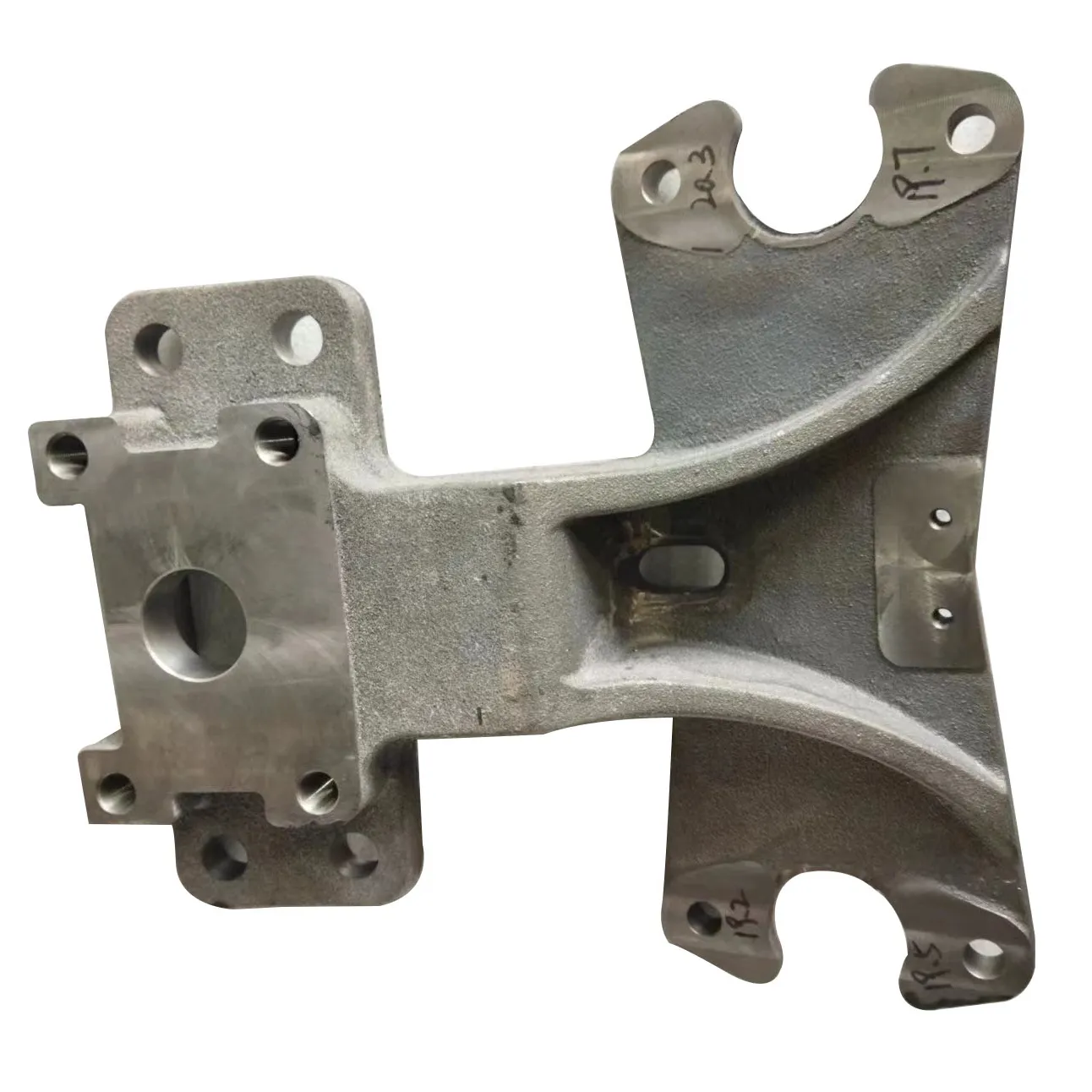
High Quality Municipal Manhole Covers and China Automotive Parts
Infrastructure durability relies heavily on the quality of access points. Municipal manhole covers are not merely lids but critical engineering components that safeguard underground utilities and ensure public safety in high-traffic urban environments. For city planners and construction firms, selecting covers that balance load-bearing capacity with corrosion resistance is a primary technical challenge.
Our specialized manufacturing process focuses on high-performance materials like ductile iron and composite alloys to meet international standards such as EN 124. Whether it is for heavy-duty airport tarmacs or pedestrian walkways, the choice of material and coating directly impacts the lifecycle cost of urban networks. By integrating noise-reduction technology and anti-slip surfaces, we provide solutions that minimize maintenance disruptions and enhance the overall reliability of municipal infrastructure.

Engineering the Fundamentals of Urban Access and Public Safety
Manhole covers serve as the primary interface between the surface world and critical utility systems. A failure in this component can lead to catastrophic results, ranging from vehicle accidents to the infiltration of debris into sewage and electrical networks. Therefore, the engineering priority is always structural integrity under pressure. Our covers are designed to prevent accidental falls and shield sensitive underground cables and pipes from environmental hazards.
The technical requirement for these components varies by installation site. For example, covers installed in residential zones require different specifications than those in industrial zones. We address these needs by implementing rigorous testing for impact resistance and load distribution. By adhering to strict quality management systems, we ensure that every unit can withstand the cyclical stress of heavy vehicle traffic without cracking or displacing, thereby reducing the long-term risk of infrastructure failure.

Material Science and Advanced Protection Mechanisms
The longevity of a manhole cover is determined by its material composition and surface treatment. Ductile iron is the preferred choice for most municipal applications due to its superior strength and ability to absorb energy without fracturing. For environments exposed to high humidity or saline conditions, such as coastal cities, we employ hot-dip galvanization and epoxy coatings to prevent oxidation and chemical erosion.
Beyond basic metals, we offer composite materials for pedestrian-heavy zones where weight reduction and ease of handling are prioritized. To solve the common problem of "clanging" sounds in urban areas, our designs incorporate rubber seals and composite interfaces that dampen metal-to-metal contact. This combination of material science and functional design ensures that the covers remain secure, quiet, and resistant to the corrosive nature of wastewater and industrial chemicals.
Application Scenarios and Load-Bearing Specifications
Matching the right cover to the specific application is essential for operational safety. Road and highway systems require Class D or E load ratings to handle the continuous weight of heavy trucks and buses. In these scenarios, the focus is on high load-bearing capacity and a checkered surface pattern to ensure traction for vehicles during wet weather.
Conversely, in pedestrian zones and public parks, Class A or B covers are more appropriate, focusing on aesthetics and lightweight durability. Specialized applications, such as airport tarmacs, demand extreme heavy-duty specifications to support aircraft weight and resist exposure to aviation fuels. By providing customizable shapes—including round, square, and rectangular—we allow municipal engineers to integrate these components seamlessly into diverse urban layouts without compromising the structural integrity of the surrounding pavement.
Material and Load-Bearing Selection Guide
| Material Type | Load Class | Primary Application | Corrosion Resistance |
|---|---|---|---|
| Ductile Iron | Class D/E | Highways & Industrial Roads | High (with Coating) |
| Cast Iron | Class B/C | Residential Parking Lots | Medium |
| Composite | Class A/B | Sidewalks & Public Parks | Excellent |
| Stainless Steel | Variable | Chemical Plants / Labs | Maximum |
| Galvanized Steel | Class C | Coastal Urban Areas | High |
Procurement Considerations for Municipal Infrastructure Projects
When sourcing components for large-scale urban projects, procurement managers must look beyond the initial unit price. The true cost of a manhole cover is measured over its lifecycle, including installation and replacement frequency. Evaluating a supplier's adherence to ISO 9001 and IATF16949 certifications is a reliable indicator of consistent manufacturing quality and process control.
Customization is another critical factor. Many municipalities require specific city logos or identification markings to prevent theft and facilitate asset management. We provide OEM/ODM services that allow for branded markings and specific dimensions. Ensuring that the supplier has a proven track record of global logistics and export capability is also vital for project timelines, especially for international construction firms managing multi-region infrastructure developments.
Future Trends in Sustainable Urban Drainage Systems
The trend in urban planning is shifting toward "Smart Cities" and sustainable drainage. This evolution requires manhole covers that are not only durable but also compatible with sensor technology for flood monitoring and gas detection. The integration of recyclable composite materials is also gaining traction as cities aim to reduce the carbon footprint of their infrastructure.
Moreover, the demand for "zero-noise" urban environments is driving the adoption of advanced polymer coatings and precise locking mechanisms that eliminate rattle. As urban densities increase, the need for covers that combine extreme load capacity with minimal maintenance will grow. Moving forward, the synergy between traditional casting expertise and modern materials will define the next generation of municipal access solutions.
Technical and Procurement FAQ
How do I determine the correct load class for my project?
Selection is based on the expected traffic weight. Class A is for pedestrians, Class B for light residential traffic, Class C and D for main roads and highways, and Class E/F for industrial zones and airports. Refer to EN 124 standards for specific tonnage requirements.
What is the difference between ductile iron and standard cast iron?
Ductile iron contains spherical graphite, which gives it significantly higher tensile strength and ductility compared to the flake graphite in grey cast iron. This prevents brittle fractures under heavy impact or extreme loads.
Can these covers be customized with municipal logos?
Yes, we provide customization for shapes, sizes, and branding. City logos or identification markings can be cast directly into the cover for authentication and branding purposes.
How do epoxy coatings improve the lifespan of the cover?
Epoxy coatings create a non-porous barrier that protects the metal from moisture, oxygen, and aggressive chemicals found in sewage, effectively preventing rust and extending the product's service life by several years.
What safety features are included to prevent theft?
We offer advanced locking mechanisms and security bolts that require specialized keys for removal, deterring unauthorized access and theft of metal components.
Are composite manhole covers as strong as iron ones?
Composites offer high strength-to-weight ratios and are excellent for lower load classes (A and B). However, for extreme heavy-duty applications like highways, ductile iron remains the industry standard for maximum load capacity.
Technical Standards and Resources
- ISO Quality Management Systems for Manufacturing
- ASTM International Standards for Metal Castings
- EN 124: Gully Tops and Manhole Tops Standards
- OSHA Guidelines for Confined Space Access and Safety
Selecting the right municipal manhole cover is a balance of technical specification, material durability, and long-term cost analysis. For professional guidance on load classes or customized casting requirements, our engineering team is available to provide detailed technical support.
Related Technical Insights