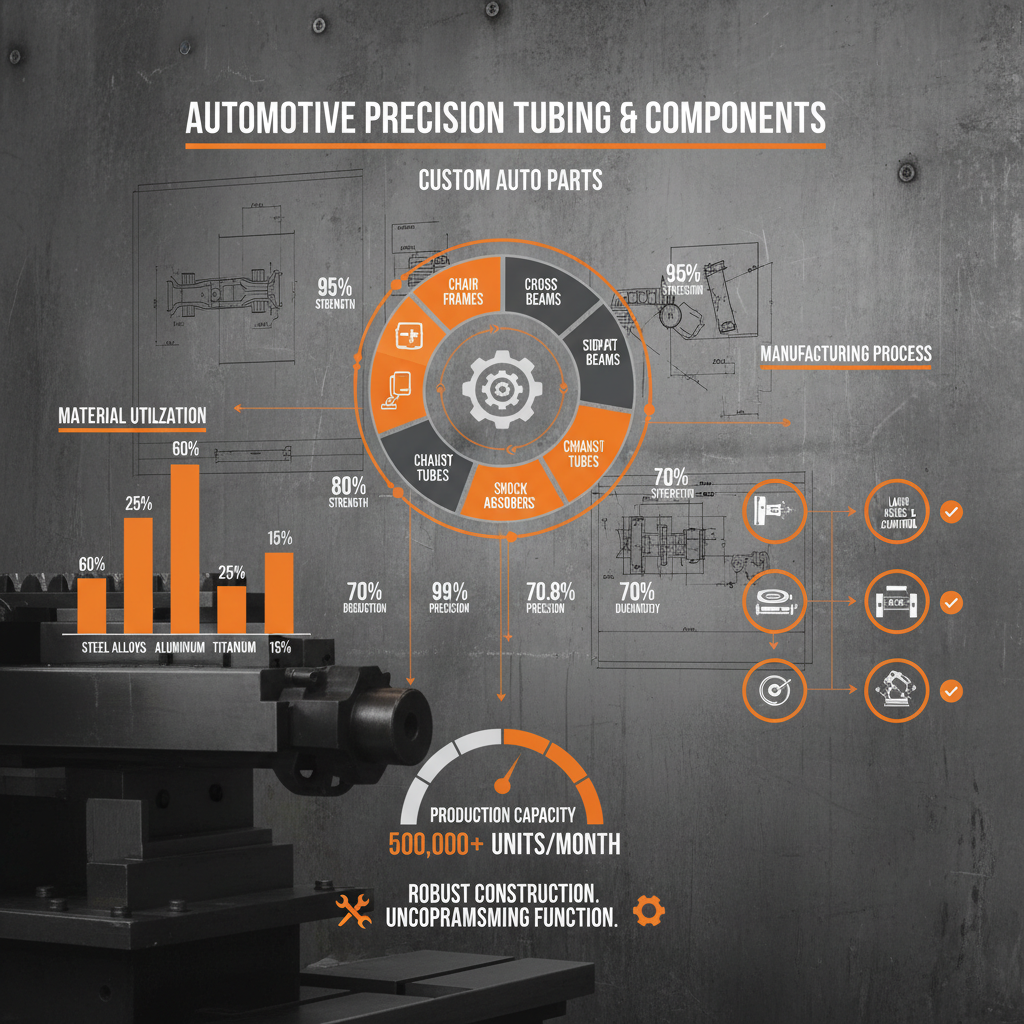
The global automotive industry is a cornerstone of modern economies, with a continuous demand for high-quality, reliable parts. The market for automotive parts for sale is vast and complex, encompassing everything from engine components to interior trim. Understanding this market is crucial for manufacturers, suppliers, and consumers alike, driving innovation and ensuring vehicle safety and performance.
This demand isn’t limited to new vehicle production; a substantial portion of the market is dedicated to aftermarket parts, vehicle maintenance, and repair. Statistics from the United Nations Commodity Trade Statistics Database indicate consistent growth in the trade of automotive components globally, reflecting increased vehicle ownership and longevity.
A significant challenge within the industry is ensuring the availability of affordable, high-quality automotive parts for sale, especially in developing nations. Meeting this challenge requires efficient supply chains, robust quality control, and a commitment to innovation in manufacturing processes.
The Significance of Automotive Parts for Sale
The availability of reliable automotive parts for sale is fundamental to maintaining the operational integrity of the global transportation system. These parts represent a critical link in the automotive value chain, supporting both original equipment manufacturers (OEMs) and the independent aftermarket.
A robust supply of quality parts ensures vehicle safety, extends vehicle lifespan, and reduces downtime for both individuals and businesses. Investing in high-quality components is a proactive approach to vehicle maintenance and represents significant long-term cost savings.
Defining Automotive Parts for Sale
Automotive parts for sale encompass a broad spectrum of components used in the manufacturing, maintenance, and repair of motor vehicles. This includes everything from large assemblies like engines and transmissions, to smaller components such as brake pads, filters, and sensors. Essentially, anything that makes up or supports the function of a vehicle falls into this category.
The industry is typically divided into OEM parts (those manufactured by or for the original vehicle manufacturer) and aftermarket parts (produced by independent manufacturers). Both types are crucial to keeping vehicles on the road and meeting diverse consumer needs.
Modern automotive parts manufacturing is deeply interconnected with technological advancements, leaning heavily on precision engineering, material science, and increasingly, sustainable production practices. The accessibility of automotive parts for sale directly influences the affordability and longevity of vehicle ownership.
Key Factors in Automotive Parts Manufacturing
Several key factors underpin the success of automotive parts manufacturing. First, and foremost, is material quality. Parts must be constructed from materials that can withstand extreme temperatures, pressures, and corrosive environments. The use of alloys, composites, and advanced polymers is becoming increasingly prevalent.
Secondly, precision engineering is vital. Automotive components require tight tolerances and accurate dimensions to ensure proper fit, function, and prevent premature wear. Computer Numerical Control (CNC) machining and advanced manufacturing techniques are critical to achieving this precision. Thirdly, supply chain efficiency is essential for timely delivery and cost control.
Finally, rigorous quality control throughout the manufacturing process is non-negotiable. This includes inspection, testing, and adherence to industry standards like ISO 9001 to guarantee the reliability and safety of automotive parts for sale.
Durability and Reliability of Automotive Parts
Durability and reliability are paramount considerations when evaluating automotive parts. Parts must withstand continuous stress, vibration, and exposure to harsh conditions. Factors like material selection, manufacturing processes, and design significantly impact a part's lifespan.
Reliability is often assessed through rigorous testing procedures, including fatigue testing, stress testing, and environmental simulations. Automotive manufacturers and suppliers are continually striving to improve part durability and extend service intervals, reducing the need for frequent replacements.
Durability Rating of Different Automotive Parts
Global Applications of Automotive Parts
The demand for automotive parts for sale is truly global, driven by the increasing number of vehicles in operation worldwide. Developing nations, in particular, are experiencing rapid growth in vehicle ownership, creating a significant need for affordable and reliable parts.
In Europe, stricter emissions regulations are driving demand for parts that enhance fuel efficiency and reduce environmental impact. North America sees a strong market for both OEM and aftermarket parts, fueled by a large vehicle parc and a culture of vehicle customization.
Advantages and Long-Term Value
Investing in high-quality automotive parts yields numerous benefits. Firstly, improved vehicle safety and performance are paramount. Reliable components contribute to better handling, braking, and overall vehicle control, reducing the risk of accidents. Secondly, preventative maintenance with quality parts extends vehicle lifespan, minimizing costly repairs down the line.
Furthermore, using genuine or reputable aftermarket parts maintains vehicle value, particularly when it comes time to resell. Finally, a focus on sustainability, through the use of durable and recyclable materials, reduces environmental impact and promotes responsible vehicle ownership.
Future Trends in Automotive Parts
The automotive parts industry is undergoing a significant transformation, driven by emerging technologies and changing consumer demands. Electrification is a major trend, leading to increased demand for parts related to electric vehicle (EV) powertrains, such as batteries, motors, and charging infrastructure components.
Another key trend is the integration of advanced driver-assistance systems (ADAS), requiring sophisticated sensors, cameras, and control units. 3D printing and additive manufacturing are also gaining traction, enabling the production of customized and lightweight parts.
Sustainability is paramount, with increasing focus on using recycled materials, reducing waste, and developing eco-friendly manufacturing processes to deliver more sustainable automotive parts for sale.
Analysis of Key Automotive Parts Manufacturing Challenges
| Challenge |
Impact on Production |
Potential Solution |
Implementation Cost (1-10) |
| Supply Chain Disruptions |
Delayed production, increased costs |
Diversify suppliers, localized sourcing |
7 |
| Material Cost Volatility |
Reduced profit margins, pricing challenges |
Long-term contracts, material substitution |
6 |
| Skilled Labor Shortage |
Reduced productivity, quality control issues |
Automation, workforce training programs |
8 |
| Increasing Regulatory Compliance |
Higher production costs, delayed market entry |
Invest in compliance software, internal audits |
5 |
| Demand for Sustainable Materials |
Higher material costs, limited availability |
Research and development, circular economy initiatives |
7 |
| Competition from Low-Cost Producers |
Price pressure, reduced market share |
Focus on innovation, value-added services |
4 |
FAQS
OEM (Original Equipment Manufacturer) parts are made by the same manufacturer that produced the parts for the original vehicle. Aftermarket parts are made by independent companies. OEM parts typically come with a manufacturer's warranty and are often considered higher quality, but are usually more expensive. Aftermarket parts can offer cost savings, but quality can vary significantly. Choosing the right option depends on your budget, vehicle age, and performance requirements.
Purchasing genuine automotive parts online requires diligence. Stick to reputable retailers and official manufacturer websites whenever possible. Verify the seller's credentials and read customer reviews. Look for part numbers that match your vehicle's specifications. Be wary of significantly discounted prices, as these can be indicators of counterfeit parts. Always check for secure payment gateways.
The lifespan of automotive parts varies greatly depending on driving conditions and vehicle usage. Brake pads typically last between 25,000 and 70,000 miles. Air filters should be replaced every 12,000-15,000 miles, while cabin air filters may need changing every 15,000-20,000 miles. Oil filters are typically replaced with each oil change, usually every 3,000-7,500 miles. Consult your vehicle’s owner’s manual for specific recommendations.
Remanufactured parts can be a reliable and cost-effective alternative to new parts, especially for components like starters, alternators, and calipers. These parts are disassembled, cleaned, inspected, and rebuilt to meet original performance standards. Reputable remanufacturers typically offer warranties comparable to those for new parts. However, ensure the remanufacturer is certified and uses high-quality components.
Determining the correct part number is crucial for ensuring compatibility. You can find the part number in your vehicle’s owner's manual, on the original part itself, or by using online parts catalogs provided by automotive manufacturers or retailers. Some websites allow you to enter your vehicle’s year, make, and model to find compatible parts. Double-check the part number before making a purchase.
Synthetic oil offers several advantages over conventional oil. It provides superior lubrication, especially in extreme temperatures, resulting in reduced engine wear and improved fuel efficiency. Synthetic oil also lasts longer, requiring less frequent oil changes. While typically more expensive upfront, the long-term benefits often outweigh the cost difference, contributing to extended engine life and better performance.
Conclusion
In conclusion, the market for automotive parts for sale is a vital component of the global automotive industry. From ensuring vehicle safety and reliability to driving innovation and sustainability, the availability of high-quality parts is paramount. Understanding the key factors influencing parts manufacturing, the evolving trends, and the challenges faced by the industry is essential for stakeholders across the value chain.
Looking ahead, a continued focus on technological advancements, sustainable practices, and efficient supply chain management will be critical to meeting the growing demands of a rapidly changing automotive landscape. For reliable and quality automotive parts, consider exploring the offerings at www.kaihuacasting.com.