0%

Table of Contents

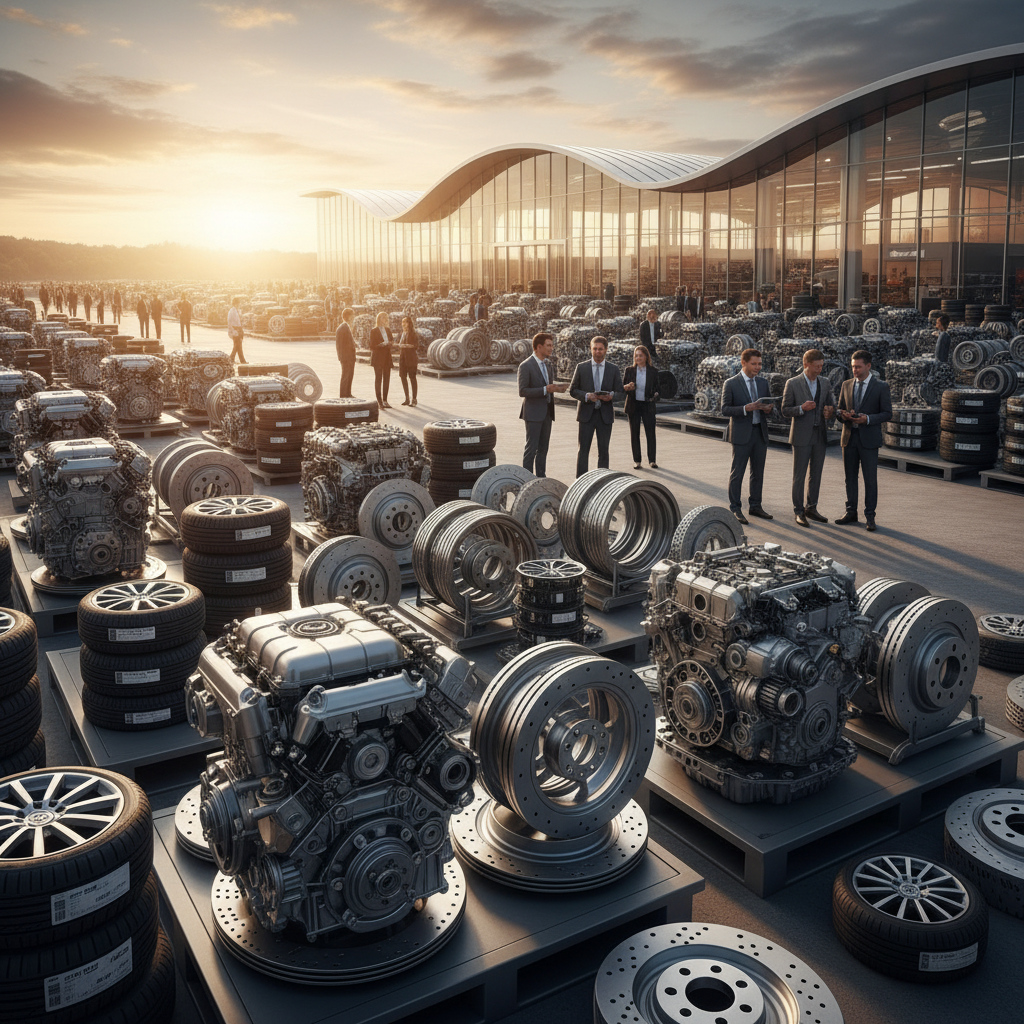
The global automotive industry relies heavily on a consistent and efficient supply chain for parts. This is where the concept of bulk automotive parts becomes crucial. The ability to procure components in large quantities – think engine blocks, chassis parts, suspension components, and interior fixtures – significantly impacts production costs, lead times, and overall manufacturing efficiency. Understanding the dynamics of bulk ordering is therefore paramount for automakers, suppliers, and related industries worldwide.

The demand for bulk automotive parts is directly linked to global vehicle production, which, despite recent fluctuations, exhibits a long-term upward trend. According to data from the International Organization of Motor Vehicle Manufacturers (OICA), global vehicle production exceeded 85 million units in 2023, requiring a massive influx of components. This scale necessitates manufacturers focusing on streamlined purchasing and supply chain optimization, making bulk buying a strategic imperative.

The advantages of procuring automotive parts in bulk extend beyond simple cost reduction. It fosters stronger supplier relationships, enables better inventory management, and provides a buffer against supply chain disruptions – challenges that have been particularly evident in recent years with global events impacting logistics and material availability. This is why a robust understanding of bulk automotive parts procurement is essential for maintaining a competitive edge in the automotive sector.
Optimizing Automotive Manufacturing with Strategic Bulk Automotive Parts Procurement

The Significance of Bulk Automotive Parts

Optimizing Automotive Manufacturing with Strategic Bulk Automotive Parts Procurement

The automotive industry operates on incredibly tight margins, demanding constant optimization of costs throughout the manufacturing process. Procuring bulk automotive parts is a cornerstone of this optimization. By negotiating favorable rates for large-volume orders, automakers can significantly reduce per-unit component costs, directly impacting profitability.

Furthermore, a strategic approach to bulk purchasing allows for greater predictability in the supply chain. Long-term contracts with suppliers, based on projected production volumes, mitigate the risk of material shortages and price volatility, creating a more stable and reliable manufacturing environment.

Defining Bulk Automotive Parts

Bulk automotive parts refer to the large-scale purchase of components used in vehicle manufacturing. This typically involves orders exceeding standard minimum order quantities (MOQs) – often significantly higher – to qualify for discounted pricing and preferential treatment from suppliers. These parts encompass a wide range of components, from small fasteners to complex engine assemblies.

Unlike individual or small-batch orders, bulk purchases are often governed by long-term contracts outlining pricing, delivery schedules, and quality control standards. This framework ensures consistency and reliability for automakers, vital for maintaining smooth production lines and meeting consumer demand.

The concept isn't limited to completed parts; it also extends to raw materials like aluminum, steel, and plastics used in the manufacturing process, establishing a complete supply chain for automotive producers.

Key Factors Influencing Bulk Procurement

Durability is paramount when considering bulk automotive parts. Automakers require components that can withstand rigorous operating conditions and ensure long-term vehicle reliability. Quality control processes and material certifications are therefore crucial aspects of bulk procurement.

Scalability is another key consideration. Automakers need suppliers capable of consistently meeting evolving production demands. A supplier’s capacity to scale production up or down quickly and efficiently is a vital factor in forging long-term partnerships for bulk part supplies.

Cost efficiency, of course, is a primary driver for bulk purchasing. This encompasses not just the per-unit price but also factors like shipping costs, inventory holding costs, and potential penalties for late deliveries. A thorough total cost of ownership (TCO) analysis is essential.

Applications and Use Cases Across Industries

The applications of bulk automotive parts extend beyond direct integration into new vehicle production. Refurbishment and restoration industries rely heavily on sourcing components in bulk to repair and maintain older vehicles, preserving automotive heritage.

The aftermarket parts sector, catering to vehicle owners seeking replacements or upgrades, also represents a significant market for bulk procurement. This includes components like brake pads, filters, and lighting systems.

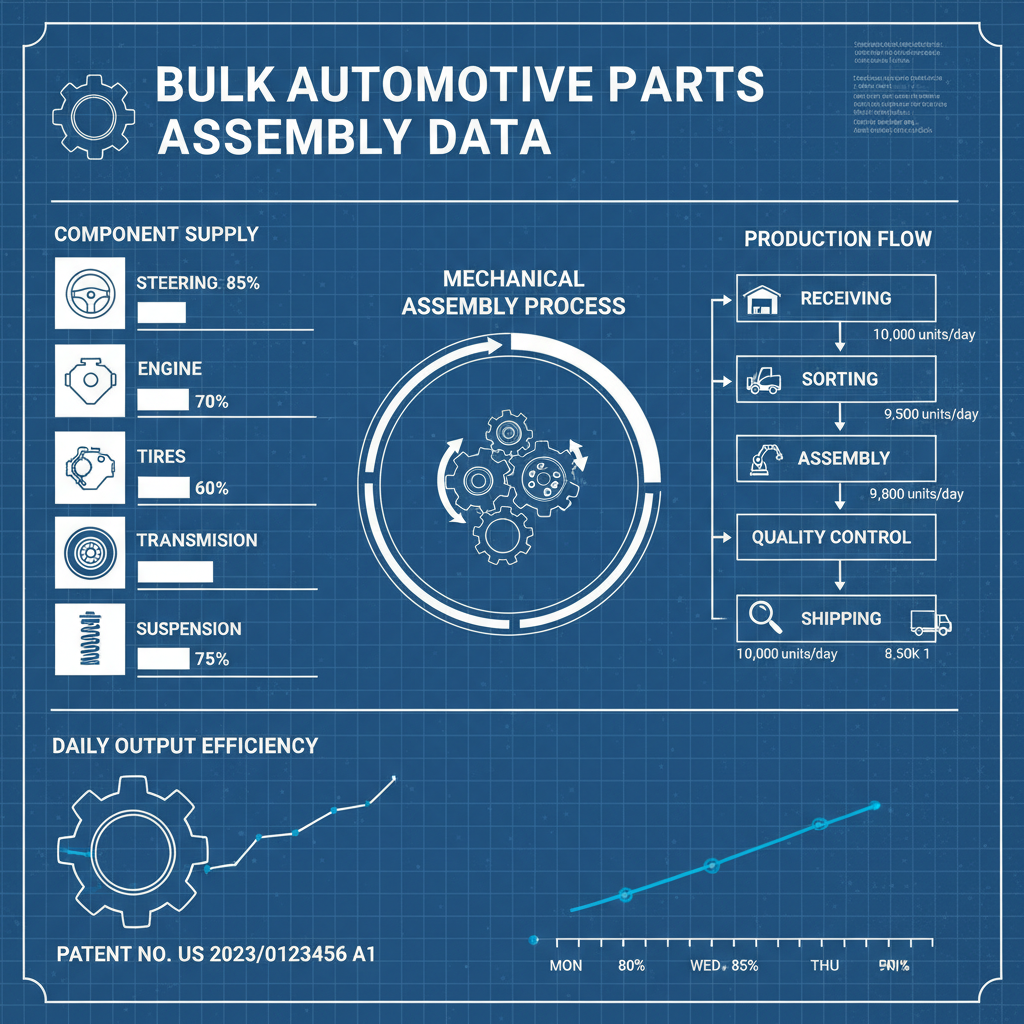
Bulk Automotive Parts Demand by Component Type


Advantages of Utilizing Bulk Automotive Parts

The most apparent advantage of bulk automotive parts procurement is cost reduction. Negotiating discounts based on volume translates directly to lower production costs, improving profitability and allowing for more competitive pricing.

Beyond cost savings, bulk buying fosters stronger, more collaborative relationships with suppliers. These partnerships can lead to preferential treatment, faster turnaround times, and access to innovative solutions tailored to specific manufacturing needs.

Future Trends in Bulk Automotive Parts

The shift towards electric vehicles (EVs) is reshaping the landscape of bulk automotive parts. Demand for traditional engine components will decline, while the need for battery packs, electric motors, and related components will surge.

Digitalization and Industry 4.0 technologies, such as predictive analytics and automated inventory management, will play an increasingly important role in optimizing bulk procurement processes. Real-time data will enable more accurate demand forecasting and streamlined supply chain operations.

Sustainability concerns will also drive the demand for eco-friendly materials and manufacturing processes, influencing material selection and supplier choices in bulk purchasing strategies.

Challenges and Mitigation Strategies

One significant challenge in bulk automotive parts procurement is maintaining quality control across large volumes. Implementing robust inspection procedures and supplier audits is crucial to prevent defects and ensure consistent quality.

Supply chain disruptions, exacerbated by geopolitical events and natural disasters, pose another ongoing challenge. Diversifying the supplier base and building strategic partnerships with multiple vendors can mitigate this risk.

Managing inventory levels efficiently is also critical. Overstocking ties up capital, while understocking can lead to production delays. Employing sophisticated inventory management systems and collaborating closely with suppliers on demand forecasting are essential for optimization.

Summary of Challenges and Mitigation Strategies for Bulk Automotive Parts Procurement

Challenge Impact on Operations Mitigation Strategy Implementation Difficulty (1-10)
Quality Control Issues Increased defect rates, warranty claims Rigorous supplier audits, inspection procedures 7
Supply Chain Disruptions Production delays, material shortages Supplier diversification, strategic partnerships 8
Inventory Management Capital tied up in overstock, production delays from understock Advanced inventory systems, demand forecasting 6
Price Volatility Unpredictable production costs Long-term contracts, hedging strategies 5
Logistics & Transportation Delivery delays, increased shipping costs Optimized logistics networks, carrier diversification 7
Geopolitical Risks Supply chain instability, trade restrictions Regional sourcing, political risk assessment 9

FAQS

What are the key benefits of buying automotive parts in bulk?

Buying automotive parts in bulk typically results in significant cost savings due to economies of scale. It also streamlines the supply chain, reduces lead times, and fosters stronger relationships with suppliers. Furthermore, it provides a buffer against potential supply chain disruptions, ensuring a consistent flow of components for manufacturing. This leads to increased production efficiency and ultimately, improved profitability.

How do I determine the optimal order quantity for bulk automotive parts?

Determining the optimal order quantity involves a careful analysis of several factors, including projected production volumes, lead times, inventory holding costs, and potential discounts offered by suppliers. Utilizing demand forecasting tools and inventory management systems can help to accurately estimate needs and avoid overstocking or understocking. A total cost of ownership (TCO) analysis is also highly recommended.

What quality control measures should I implement when sourcing in bulk?

Robust quality control is paramount when sourcing bulk automotive parts. This includes thorough supplier audits, incoming inspection of all shipments, and adherence to industry standards and certifications (e.g., ISO 9001). Implementing statistical process control (SPC) and tracking defect rates can help identify and address quality issues proactively.

How can I mitigate the risk of supply chain disruptions when procuring in bulk?

Diversifying your supplier base is a crucial step in mitigating supply chain risk. Establishing relationships with multiple vendors in different geographic regions reduces dependence on a single source. Developing contingency plans for potential disruptions – such as natural disasters or geopolitical events – is also essential. Long-term contracts with built-in flexibility can offer additional protection.

What role does technology play in optimizing bulk automotive parts procurement?

Technology plays a transformative role in optimizing bulk procurement. Digital platforms, such as e-procurement systems, streamline the ordering process and improve transparency. Predictive analytics can forecast demand accurately, reducing inventory costs. Blockchain technology can enhance supply chain traceability and security. Automation of tasks, like invoice processing, also improves efficiency.

How can I ensure sustainable sourcing of automotive parts?

Sustainable sourcing involves prioritizing suppliers that adhere to environmentally responsible practices. This includes using eco-friendly materials, reducing carbon emissions, and minimizing waste. Look for suppliers with certifications like ISO 14001 and those committed to ethical labor standards. Conduct due diligence to assess the environmental and social impact of your suppliers’ operations.

Conclusion

In conclusion, the strategic procurement of bulk automotive parts is fundamental to success in the modern automotive industry. From driving down production costs and ensuring supply chain resilience to fostering stronger supplier relationships and embracing sustainable practices, the benefits are multifaceted and far-reaching. A proactive and data-driven approach to bulk purchasing is no longer merely an operational advantage—it’s a competitive necessity.

Looking ahead, automotive manufacturers must continue to adapt to evolving market dynamics and technological advancements. Investing in digital transformation, diversifying supply chains, and prioritizing sustainability will be critical for navigating future challenges and capitalizing on emerging opportunities within the realm of bulk automotive parts procurement. Visit our website at www.kaihuacasting.com to learn more about our comprehensive solutions.

Christopher Lee

Christopher Lee

Christopher Lee is the Export Sales Manager for Tang County Kaihua Metal Products, focused on expanding our international reach. Since joining in 2017, he’s been pivotal in developing key partnerships in the UK, USA, Germany, and Australia. Christopher has a deep understanding of international trade regulations and logistics. He actively
Previous Comprehensive Guide to Car Parts Wholesale and Industry Trends
Next Exploring the Vast Market for Automotive Parts for Sale and Global Trends
Copyright © 2026 Tang County Kaihua Metal Products Co.,LTD. All Rights Reserved. Sitemap | Privacy Policy | Top Blog