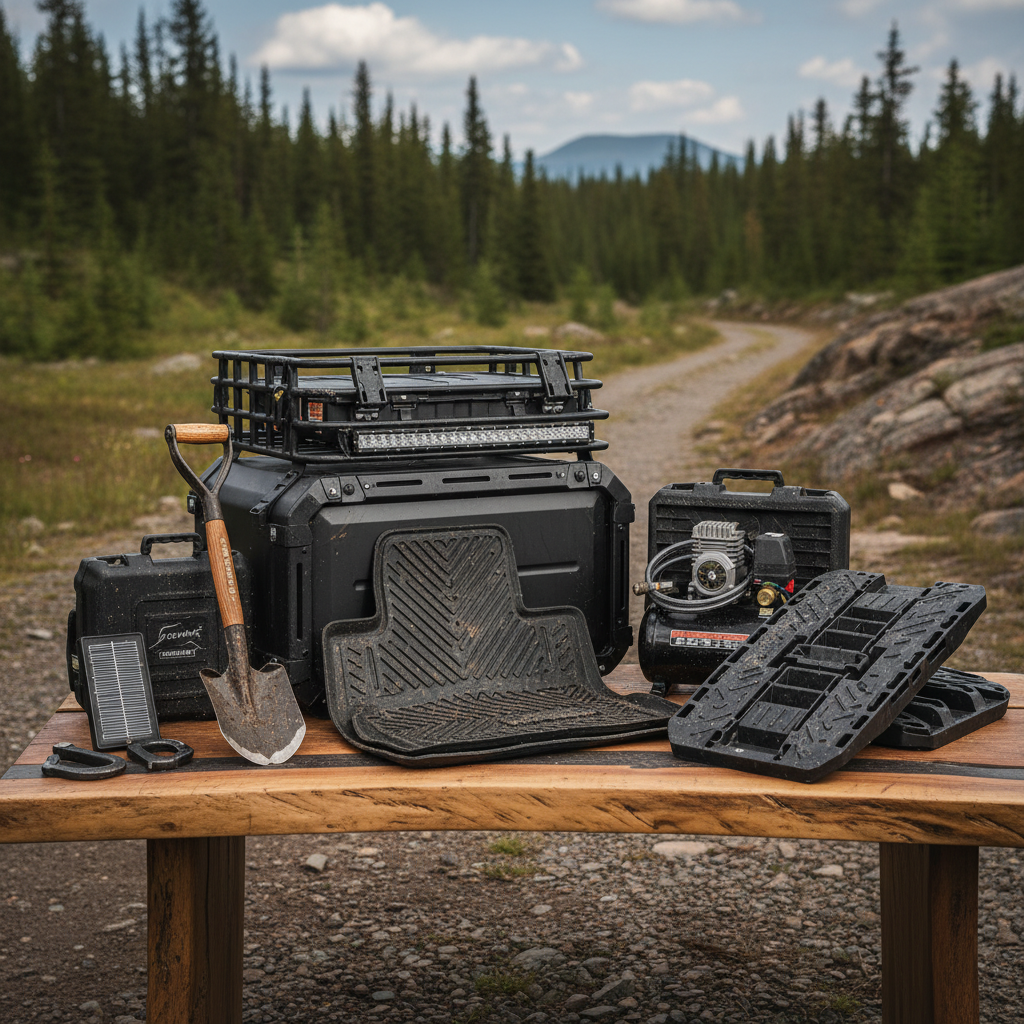
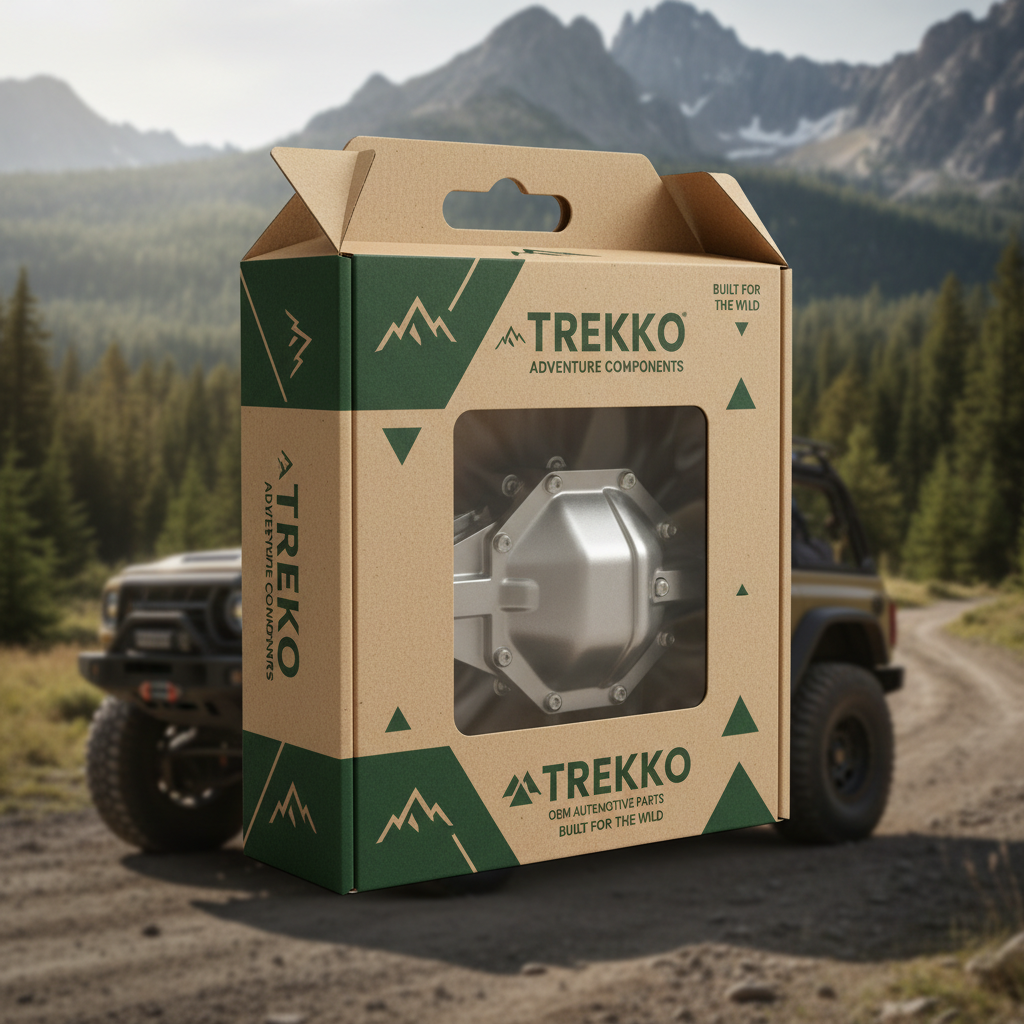
The automotive landscape is evolving rapidly, shifting from basic transportation to personalized experiences. In this context, cool car accessories are no longer just about aesthetics; they represent a convergence of high-performance engineering and individual expression. By integrating advanced materials and smart technology, vehicle owners can enhance both the utility and the visual appeal of their cars.
Globally, the demand for specialized automotive modifications has surged as consumers seek to differentiate their vehicles in an increasingly homogenized market. From precision-engineered brake components to ergonomic interior upgrades, the right accessories can significantly impact the resale value and operational efficiency of a vehicle. Understanding the balance between form and function is key to selecting upgrades that provide long-term value.
Whether you are a commercial fleet manager looking to optimize durability or a car enthusiast aiming for a sleek look, the world of cool car accessories offers a vast array of solutions. This guide explores the intersection of industrial casting quality and modern design, providing a comprehensive look at how to upgrade your vehicle with confidence and technical precision.
The Global Impact of Cool Car Accessories
The global automotive aftermarket has seen exponential growth, driven by a shift toward "lifestyle vehicles." According to industry trends and ISO standards for automotive quality, the integration of cool car accessories has moved from niche hobbyist circles into the mainstream. This shift is propelled by a desire for personalized safety and efficiency, where components like upgraded brake systems or reinforced chassis parts provide both a "cool" factor and tangible safety improvements.
However, the industry faces a significant challenge: the proliferation of low-quality, generic parts that compromise vehicle integrity. The gap between "decorative" and "functional" accessories often leaves consumers vulnerable to premature wear and tear. This underscores the need for precision-manufactured components, such as those derived from ductile iron casting, which ensure that aesthetic upgrades do not come at the expense of structural reliability.
Defining Modernity in Vehicle Customization
In simple terms, cool car accessories refer to any add-on or replacement part that enhances a vehicle's visual appeal, operational performance, or driver comfort. While the term "cool" often implies a trendy aesthetic, in the professional automotive sector, it refers to the seamless integration of cutting-edge materials with ergonomic design. It is the marriage of art and engineering.
Modern customization is deeply connected to the humanitarian need for safer and more efficient transport. For instance, accessories that improve lighting, braking distance, or cabin air quality directly contribute to reducing road accidents and improving the health of drivers in polluted urban environments. Thus, a "cool" upgrade is often a "smart" upgrade.
From a manufacturing perspective, these accessories are the result of advanced metallurgy and CAD design. Whether it is a sleek new rim or a high-performance transmission component, the goal is to provide a product that feels organic to the vehicle while offering performance capabilities that exceed factory standards.
Core Engineering Factors for Premium Accessories
Durability is the cornerstone of any high-end cool car accessories line. Utilizing materials like ductile iron and high-grade alloys ensures that components can withstand extreme thermal cycles and mechanical stress without warping or cracking. This is especially critical for parts integrated into the brake system or engine mounts.
Precision Fitment is equally vital. A "cool" accessory that doesn't fit perfectly is a liability. Advanced casting and CNC machining allow for tolerances measured in microns, ensuring that every part integrates flawlessly with the vehicle's existing architecture. This eliminates vibration and prevents premature wear on connected components.
Cost-Efficiency through longevity is the third pillar. While premium accessories may have a higher initial price point, their resistance to corrosion and wear means fewer replacements over the vehicle's lifecycle. By focusing on material purity and heat treatment, manufacturers create products that offer a lower total cost of ownership.
Performance Metrics and Utility Analysis
When evaluating the efficacy of various cool car accessories, it is essential to look at quantitative data. Performance isn't just about how a part looks on a showroom floor, but how it behaves under load. Factors such as heat dissipation in brake rotors or the weight-to-strength ratio of chassis reinforcements determine the true value of the upgrade.
By analyzing different categories of accessories, we can see a clear trend: components that combine aesthetic appeal with mechanical improvement consistently score higher in user satisfaction and long-term reliability.
Comparative Utility Rating of Cool Car Accessories
Real-World Applications and Industrial Use Cases
The application of cool car accessories extends far beyond passenger cars. In commercial vehicle sectors, "cool" translates to "optimized." For example, heavy-duty brake system upgrades in commercial trucks are essential for safety in mountainous regions, where consistent stopping power is a matter of life and death.
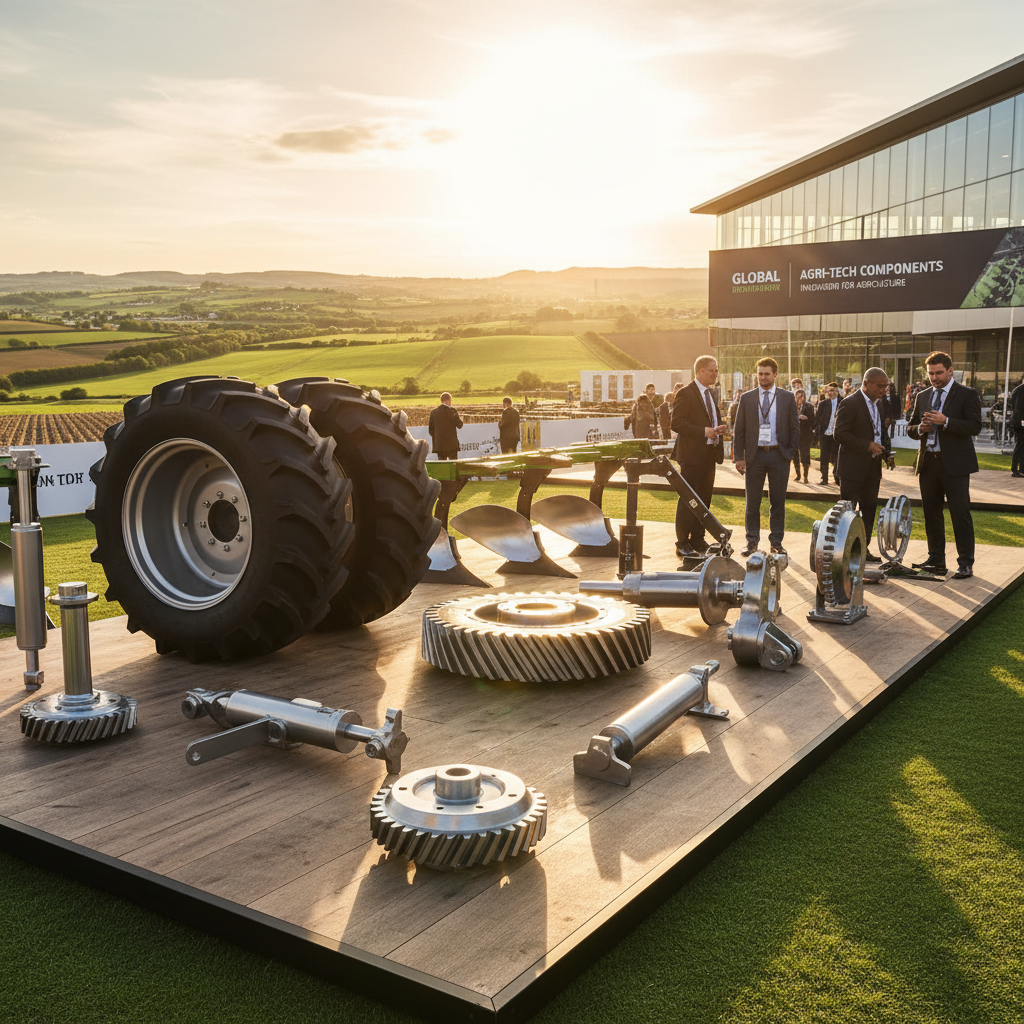
In remote industrial zones, such as mining or large-scale agricultural operations, accessories like reinforced ductile iron pipe fittings and mechanical arm components for vehicles ensure that machinery can operate in abrasive environments. These industrial-grade accessories provide the reliability needed to prevent costly downtime in critical supply chains.
Long-Term Value and Sustainability Benefits
Investing in high-quality cool car accessories offers a distinct emotional and logical advantage. Logically, the use of sustainable, recyclable materials like high-grade cast iron reduces the environmental footprint of the automotive lifecycle. When a part lasts ten years instead of two, waste is drastically reduced.
Emotionally, these upgrades instill a sense of pride and trust in the vehicle. Knowing that your car is equipped with parts that meet stringent safety and performance standards provides peace of mind. This psychological security is a hidden but powerful value of premium customization.
Furthermore, the resale value of a vehicle is often bolstered by tasteful, high-quality modifications. Buyers are more likely to pay a premium for a car that has been upgraded with recognized, durable components rather than cheap, generic add-ons that suggest a lack of care for the vehicle's mechanical health.
Future Innovations in Automotive Add-ons
The future of cool car accessories is inextricably linked to the digital transformation of the automotive industry. We are seeing the rise of "Smart Accessories"—components embedded with sensors that can alert the driver to wear and tear in real-time. Imagine a brake disc that notifies your smartphone when it reaches a critical wear threshold.
Material science is also evolving. The integration of graphene and carbon-ceramic composites into standard accessory lines will allow for parts that are lighter than aluminum but stronger than steel. This will not only improve the "cool" aesthetic but significantly increase fuel efficiency and vehicle agility.
As we move toward green energy, accessories will focus on optimizing EV performance, such as aerodynamic wheel covers that reduce drag or specialized thermal management components for battery packs.
Analysis of Future Accessory Trends and Material Impact
| Innovation Category |
Primary Material |
Performance Gain |
Sustainability Score (1-10) |
| Smart Brake Systems |
Ceramic Composite |
+30% Stopping Power |
8 |
| Eco-Alloy Rims |
Recycled Aluminum |
-15% Unsprung Weight |
10 |
| Reinforced Chassis |
Ductile Iron |
+40% Torsional Rigidity |
7 |
| Thermal Battery Shields |
Magnesium Alloy |
+20% Heat Dissipation |
9 |
| Adaptive Aero-Kits |
Carbon Fiber |
+10% Fuel Efficiency |
6 |
| Intelligent Lighting |
Polycarbonate/LED |
+50% Visibility Range |
9 |
FAQS
Professional-grade accessories focus on material integrity and precision engineering. While budget options often use low-grade plastics or thin alloys, premium accessories use materials like ductile iron and high-strength alloys, ensuring they can withstand high stress and temperature fluctuations without failing, which is critical for safety-related components.
Yes, if chosen correctly. For example, upgraded brake systems improve stopping distance, and reinforced chassis parts improve handling and stability. The key is to choose functional accessories that are engineered for a specific performance goal rather than those designed solely for visual impact.
It depends on the part and the installation. Generally, "bolt-on" accessories that do not require altering the vehicle's electrical system or structural frame do not void warranties. However, it is always recommended to use certified installation professionals to ensure the modifications meet OEM safety standards.
High-quality ductile iron components typically have a smoother surface finish from precision casting and show consistent weight. Professional suppliers provide material certifications (MTRs) that prove the alloy composition and strength ratings, which is the most reliable way to verify quality.
Absolutely. Many modern manufacturers are using recycled alloys and eco-friendly coatings. Investing in durable, long-lasting parts is the most sustainable choice, as it reduces the frequency of replacements and the amount of industrial waste entering landfills.
Accessories that enhance safety and efficiency, such as high-performance brake kits or fuel-saving aerodynamic upgrades, typically provide the best ROI. These not only improve the driving experience but also maintain or increase the vehicle's market value during resale.
Conclusion
In summary, the world of cool car accessories is a sophisticated blend of aesthetic desire and industrial necessity. By prioritizing durability, precision fitment, and high-grade materials like ductile iron, vehicle owners can achieve a balance of style and safety. From improving the braking efficiency of commercial fleets to the personalized flair of a passenger car, the right upgrades provide long-term value and structural reliability.
Looking forward, the integration of smart sensors and sustainable materials will redefine what it means to "customize" a vehicle. We encourage owners and fleet managers to look beyond the surface and invest in components that offer genuine engineering advantages. For those seeking precision-manufactured automotive solutions that stand the test of time, we invite you to explore our professional capabilities. Visit our website: www.kaihuacasting.com