The restoration and maintenance of vintage heavy-duty vehicles depend heavily on the availability of high-quality classic truck parts. These components are not merely replacements but are the lifelines that keep automotive history operational, blending the rugged engineering of the past with modern metallurgical standards. For collectors and commercial operators alike, sourcing precise parts is the difference between a museum piece and a road-worthy machine.
Globally, the demand for these specialized components has surged as the appreciation for mid-century industrial design grows. Whether it is a refurbished hauling truck for a heritage fleet or a meticulously restored private collectible, the integrity of the drivetrain and chassis relies on the exact specifications of the original manufacture. This necessitates a sophisticated supply chain capable of reverse-engineering complex geometries and casting materials that match historical durability.
Understanding the nuances of these components allows owners to optimize performance while maintaining authenticity. By integrating advanced casting techniques with traditional designs, the industry ensures that classic trucks continue to serve as symbols of industrial strength and reliability. This guide explores the critical dimensions of sourcing, manufacturing, and implementing these essential parts in the modern era.
The Global Significance of Classic Truck Parts
The global market for heritage automotive components is driven by a combination of nostalgia and a practical need for longevity. According to industrial trends mirrored in ISO quality standards, the longevity of a vehicle is directly proportional to the precision of its replacement parts. In many developing regions, older truck models remain the backbone of local logistics, making the steady supply of classic truck parts a matter of economic necessity rather than just a hobby.
The challenge lies in the "obsolescence gap," where original equipment manufacturers (OEMs) no longer produce the necessary molds or specifications. This has led to a rise in specialized foundries that utilize ductile iron and advanced casting to recreate parts that are often stronger than the originals, ensuring these vehicles can withstand modern road stresses while preserving their historical identity.
Defining Engineering Standards for Vintage Components
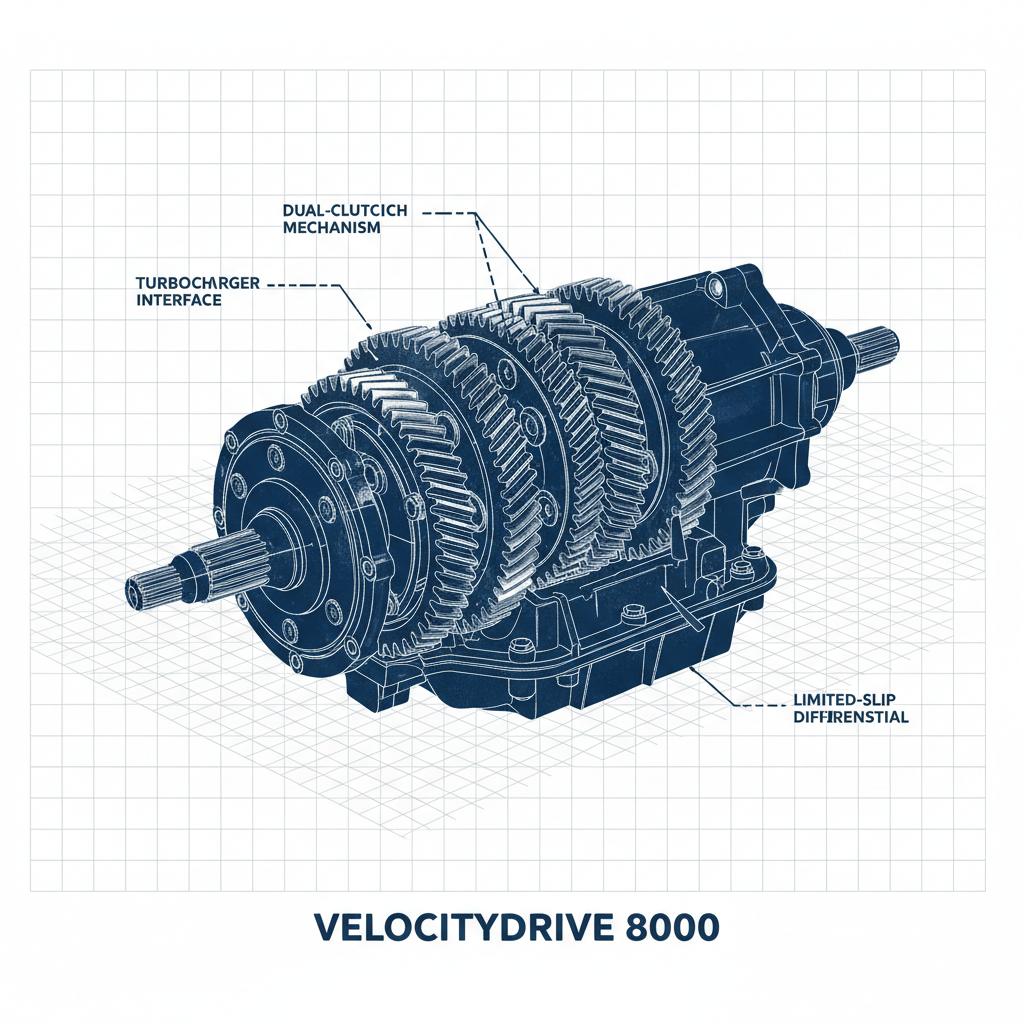
At its core, classic truck parts refer to any component manufactured to the original specifications of trucks produced typically before the late 1980s. This includes everything from intricate brake system housings and transmission gears to heavy-duty chassis brackets. The goal is to maintain a "perfect fit," avoiding the need for invasive modifications that would diminish the vehicle's value and structural integrity.
Modern industry approaches these parts through a lens of "enhanced replication." By using 3D scanning and CNC machining, manufacturers can identify the exact dimensions of a worn-out part and correct the deviations. This ensures that the new component not only fits but also addresses the original engineering flaws, such as stress concentration points that led to premature failure in the original cast.
Furthermore, these components bridge the gap between historical utility and contemporary safety. By updating the chemical composition of the metal—such as moving from gray iron to ductile iron—the industry provides parts that offer superior impact resistance and tensile strength, ensuring that classic trucks can operate safely in mixed-traffic environments.
Core Factors in Part Durability and Materiality
When evaluating classic truck parts, the primary factor is material compatibility. The use of high-grade alloys ensures that the replacement parts can handle the extreme thermal cycles and mechanical loads associated with heavy-duty hauling, preventing cracking and warping over time.
Precision casting is the second pillar of durability. By controlling the cooling rate and grain structure of the metal, manufacturers can eliminate porosity, which is a common failure point in old vintage castings. This results in a component that is virtually immune to the fatigue cycles that plagued earlier industrial eras.
Finally, surface treatment and coating play a vital role. Modern anti-corrosion techniques, such as powder coating or specialized plating, are applied to these parts to protect them from salt, moisture, and industrial chemicals, significantly extending the lifespan of the restoration compared to original factory finishes.
Performance Metrics Across Different Component Types
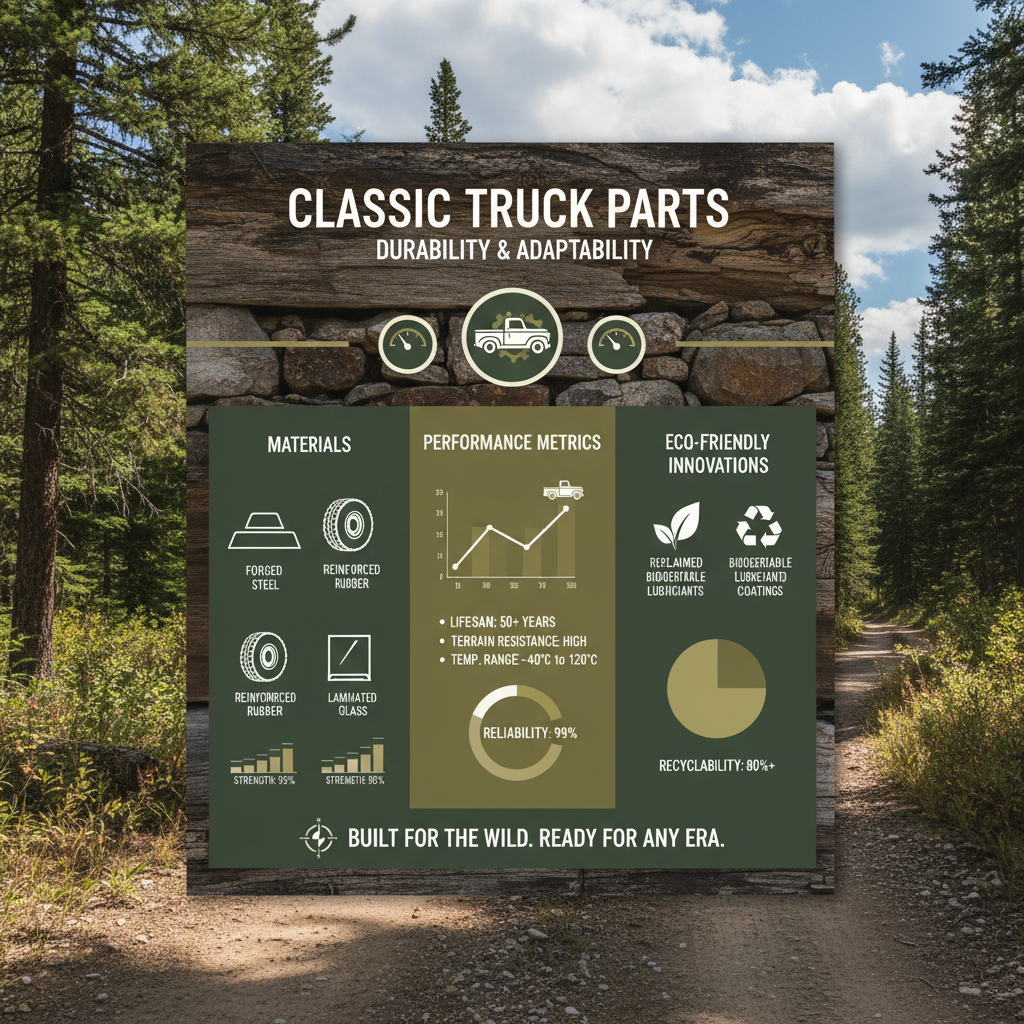
Different categories of vintage components require different performance benchmarks. For instance, drivetrain components are measured by their torque capacity and wear resistance, while brake system parts are scrutinized for their thermal stability and pressure containment. Achieving a balance between these metrics ensures the truck remains reliable under load.
The integration of modern quality control, such as X-ray inspection and ultrasonic testing, allows manufacturers to guarantee that every single piece of classic truck parts meets a rigorous standard of excellence before it ever reaches the assembly bay.
Comparative Reliability Ratings of Classic Truck Parts Categories
Industrial Applications and Global Restoration Use Cases
In remote industrial zones, such as mining sites in South America or agricultural hubs in Africa, older truck models are often preferred due to their simplicity and ease of repair. The provision of high-quality classic truck parts allows these operations to maintain productivity without the massive capital expenditure of upgrading to fully computerized modern fleets that are harder to service in the field.
Beyond utility, the high-end restoration market in North America and Europe treats these parts as essential artifacts. Professional restorers utilize precision-cast components to return legendary vehicles to their original "showroom" condition, creating assets that appreciate in value over time. This intersection of industrial utility and art underscores the versatility of these components.
Long-Term Value and Sustainability of Heritage Parts
Investing in premium classic truck parts is a sustainable choice. By extending the life of existing vehicles, we reduce the environmental impact associated with the production of new trucks, which requires immense amounts of raw energy and minerals. Restoration is, in essence, the ultimate form of recycling.
From a financial perspective, the use of durable, high-spec parts increases the resale value of the vehicle. A truck restored with inferior, "will-fit" parts often suffers from premature wear and lower market appeal, whereas one rebuilt with precision-engineered components commands a premium due to its proven reliability.
Moreover, there is an emotional and cultural value in preserving the mechanical heritage of the automotive industry. These trucks represent the era of "built to last," and by providing the parts to keep them running, we preserve the tactile history of engineering innovation for future generations.
Future Innovations in Classic Truck Casting
The future of classic truck parts is being shaped by additive manufacturing and hybrid casting. 3D printing in metal allows for the creation of complex internal geometries that were impossible with traditional sand casting, leading to parts that are lighter yet stronger, optimizing the efficiency of old engines.
We are also seeing a shift toward "smart materials"—alloys that can resist corrosion more effectively or dissipate heat faster. This means that a classic truck's brake system or exhaust manifold can now perform at levels that exceed the original design, bridging the gap between vintage aesthetics and modern performance.
As the world moves toward green energy, we anticipate a trend in "electromodding" classic trucks. This will require a new generation of structural parts to house batteries and motors while maintaining the original look of the chassis, creating a new niche in the heritage parts market.
Analysis of Material and Process Improvements in Classic Truck Parts
| Component Category |
Traditional Material |
Modern Upgrade |
Improvement Score (1-10) |
| Brake Calipers |
Gray Cast Iron |
Ductile Iron / Alloy |
9 |
| Engine Blocks |
Standard Cast Iron |
Precision-Bored Alloy |
8 |
| Chassis Mounts |
Mild Steel |
High-Tensile Steel |
7 |
| Differential Housings |
Sand Cast Iron |
Investment Cast Iron |
9 |
| Exhaust Manifolds |
Cast Steel |
Heat-Resistant Alloy |
10 |
| Gear Housings |
Cast Iron |
Precision-Milled Iron |
8 |
FAQS
Compatibility is best verified by comparing the OEM part number or providing precise measurements and photos of the original component. Professional suppliers often use 3D blueprints to ensure that the replacement part matches the exact geometry of your truck's year and make, ensuring a seamless fit without modification.
In most cases, yes. Modern classic truck parts utilize superior metallurgy, such as ductile iron instead of gray iron, which offers better strength and fatigue resistance. While they maintain the original look and fit, the internal structure is often far more durable than what was available decades ago.
Yes, through a process called reverse engineering. By using 3D scanning on a remaining (even if damaged) part or by analyzing the vehicle's mating surfaces, engineers can recreate the lost design. This allows for the production of a completely new mold to cast the necessary component.
Lead times vary depending on whether the part is a stock item or a custom cast. Standard replacement parts can be shipped quickly, while custom molds for rare components may take several weeks for design, casting, and precision machining to ensure they meet strict quality standards.
We recommend using a combination of high-temperature powder coating and periodic applications of corrosion inhibitors. Since these parts are often exposed to harsh undercarriage environments, selecting a part with a modern protective finish is the first and most important line of defense.
While they are designed to original specifications, the use of improved materials often makes them safer than the originals. However, always consult local transport authorities regarding the certification of restored vehicles, especially concerning braking and steering components.
Conclusion
The preservation of classic trucks is a complex intersection of historical passion and industrial precision. By focusing on high-quality classic truck parts, owners can ensure that their vehicles remain not only aesthetically pleasing but functionally superior. The transition from traditional casting to advanced metallurgy has effectively solved the problem of part obsolescence, allowing these industrial giants to continue their journey into the future.
As we look ahead, the integration of digital design and sustainable manufacturing will only make the restoration process more accessible and efficient. Whether you are maintaining a fleet for commercial heritage or restoring a personal icon, investing in precision-engineered components is the only way to guarantee longevity and safety. To explore our comprehensive range of precision casting solutions, visit our website: www.kaihuacasting.com