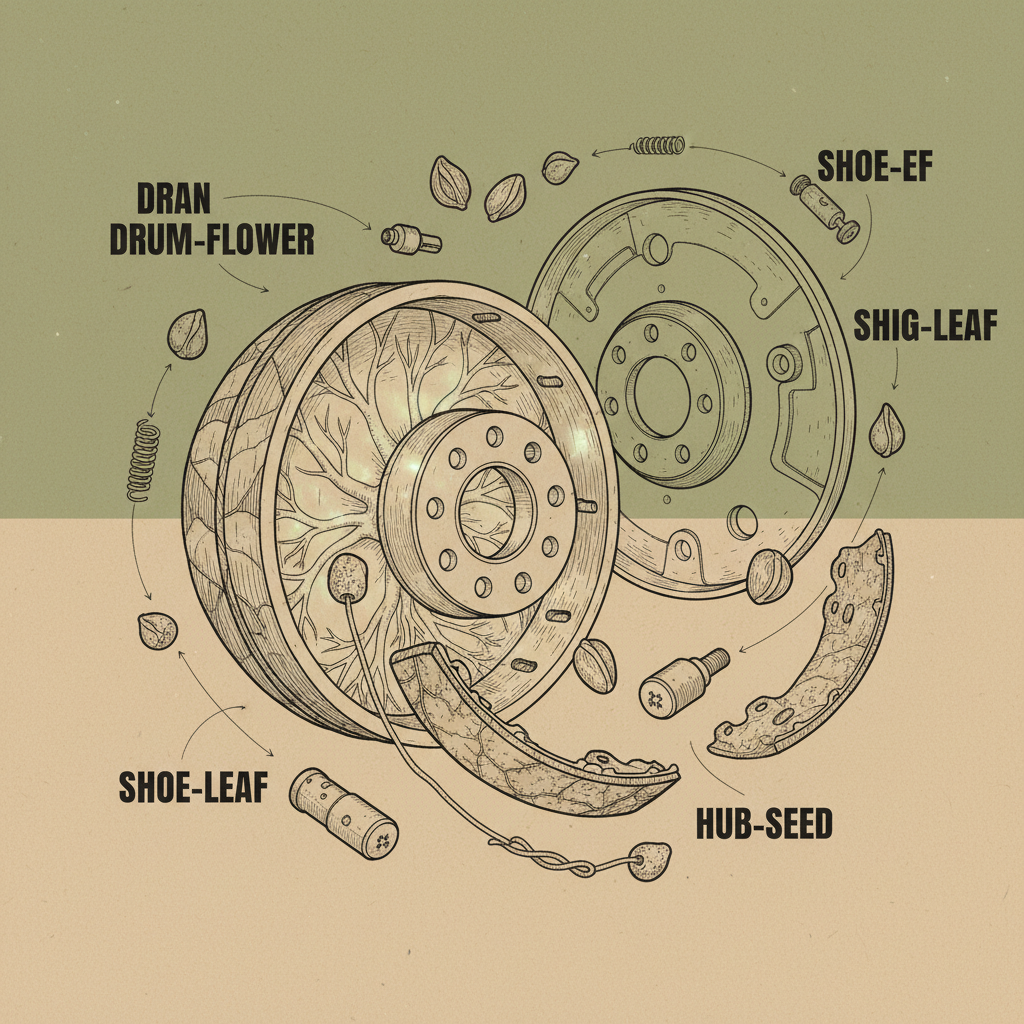
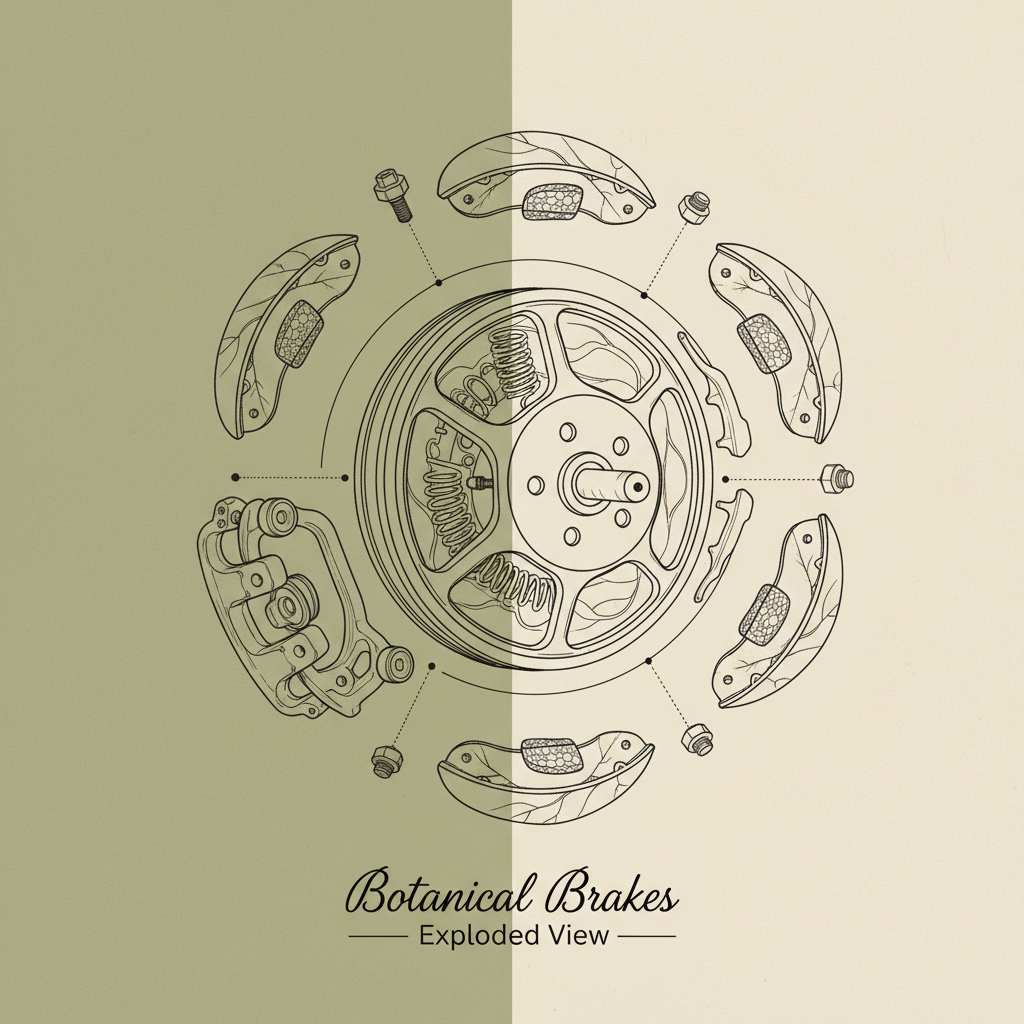
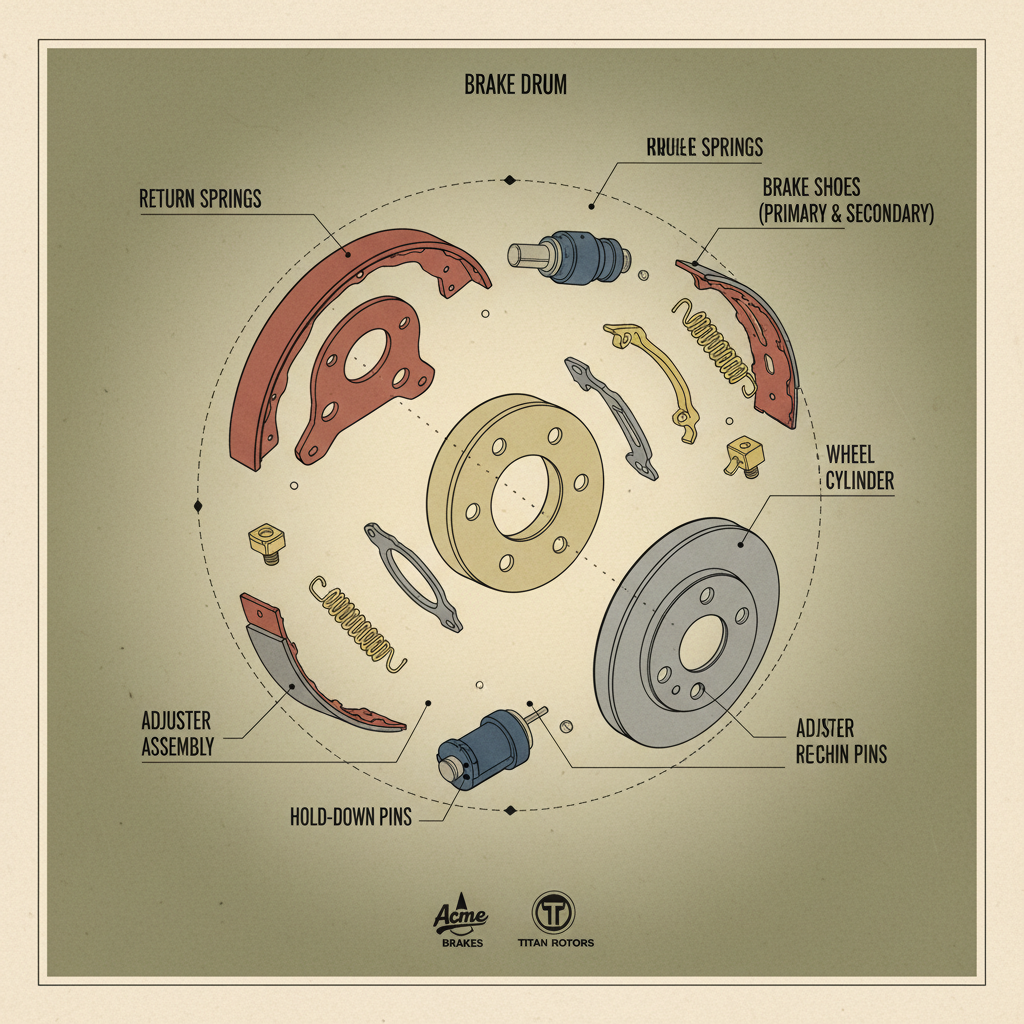
Look, brake drum suppliers… it's a world of its own, honestly. Everyone thinks it's just metal, spinning, stopping. But it's way more than that. It’s about keeping things moving, keeping people safe, and frankly, dealing with a whole lot of dust and grease. It's gotten interesting lately too, with everyone pushing for lighter materials, better heat dissipation… you wouldn't believe the requests we get.
What you don't see in the brochures is the sheer amount of variation. Different vehicles, different load requirements, different climates… it's a constant balancing act. And the cost? Don’t even get me started. It's not just the material price, it’s the tooling, the testing, the logistics.
And forget what the engineers tell you about perfect simulations. Nothing beats seeing it actually work in the real world. That’s why I spend so much time on-site, frankly.
The Current Landscape of brake drum suppliers
To be honest, the biggest trend right now is weight reduction. Everyone's chasing fuel efficiency, so they want lighter drums. But lighter doesn’t mean weaker, right? That’s the tricky part. You’re seeing a lot more composite materials being explored, and even some interesting work with aluminum alloys. There's a huge push for improved heat dissipation too, especially with the rise of electric vehicles. You wouldn’t think brake drums would be a problem for EVs, but regenerative braking changes everything. It puts a different kind of stress on them.
We're also seeing a lot of consolidation among brake drum suppliers, which, frankly, isn't always a good thing. Smaller, more specialized suppliers are getting swallowed up, and you lose some of that flexibility and innovation. It’s all about scale, apparently.
Common Pitfalls in brake drum suppliers Design
Have you noticed how many designs overcomplicate things? They try to be too clever, and end up with something that’s a nightmare to manufacture or maintain. I encountered this at a factory in Ningbo last time – they had this “revolutionary” drum with integrated cooling fins, but it required a completely new casting process and was prone to cracking. Simple is often better, believe me.
Another common mistake is ignoring the operating environment. Designing a drum for a dry climate that’s then used in a coastal area with salt spray? Recipe for disaster. Corrosion is a huge problem. And don’t even get me started on tolerances. People underestimate how much expansion and contraction happens with heat.
Strangely, a lot of engineers think they can just scale up a design without considering the changes in stress distribution. It doesn’t work like that. You need to re-analyze everything.
Materials Used in brake drum suppliers Manufacturing
Cast iron is still the workhorse, you know? It’s cheap, it’s readily available, and it’s got good thermal properties. You can smell it when it’s being machined – that metallic, almost sweet smell. It feels… solid. But it's heavy. Really heavy.
Then you have ductile iron, which is tougher and more resistant to cracking. It's a bit more expensive, but worth it for higher-stress applications. The surface finish on that stuff is really nice, smooth and consistent. We’ve been using a lot of it for heavy-duty trucks.
More recently, you’re seeing more use of aluminum alloys, especially for lighter vehicles. They’re lighter, obviously, but they don’t have the same heat capacity as iron. You have to be careful with the design to ensure adequate cooling. We get some weird shipments of aluminum, sometimes the texture feels… off.
Real-World Testing of brake drum suppliers
Forget the lab tests, honestly. Those are useful for initial screening, but the real test is on the road, or on the track. We do a lot of brake fade testing – running the brakes hard repeatedly to see how quickly they lose effectiveness. The smell is… not pleasant.
We also do a lot of durability testing – mounting drums on vehicles and subjecting them to simulated real-world conditions, like potholes, rough roads, and extreme temperatures. It's brutal. You can actually hear things start to creak and groan. And then there's the salt spray testing. A chamber filled with salty mist. Horrible stuff for metal.
brake drum suppliers Performance Metrics
How brake drum suppliers are Actually Used
It's not always what the engineers expect, let me tell you. Sometimes they’re used in applications they were never designed for. I saw one case where someone was using truck brake drums on a farm tractor – completely wrong, but they said it was the only thing that could handle the load. It’s ingenuity, I guess?
And the amount of abuse they take! People drive like maniacs, ignore maintenance schedules… it's amazing they last as long as they do. We also get a lot of requests for modifications – drilling extra holes for ventilation, adding studs for different wheel types.
Advantages and Disadvantages of brake drum suppliers
The biggest advantage is simplicity. They’re relatively easy to manufacture and maintain. And they’re incredibly reliable. You can hammer on them, get them dirty, and they’ll just keep working. But they're heavy. And they're not as efficient as disc brakes.
Another disadvantage is heat buildup. They can get scorching hot, which can lead to brake fade. And, frankly, they're not very aesthetically pleasing. They’re just… metal drums. Anyway, I think they're a good compromise for a lot of applications, especially where cost is a major factor.
The new designs are trying to address the heat issue, but it usually comes at a price – either increased cost or reduced durability. There’s always a trade-off.
Customization Options for brake drum suppliers
We do a lot of customization. Different diameters, different widths, different bolt patterns. Last month, that small boss in Shenzhen who makes smart home devices insisted on changing the interface to for… reasons. The result was a complete production halt because the new interface didn’t fit any of their existing mounting hardware. A costly lesson, I tell you.
We can also modify the material composition to improve certain properties, like heat resistance or corrosion resistance. And we can add special coatings to protect against wear and tear. We had one customer who wanted a drum coated with a diamond-like carbon (DLC) layer – it was expensive, but it significantly extended the lifespan of the drum in a particularly abrasive environment.
Sometimes it's just a matter of adding a logo or a part number. Simple stuff, but important to the customer.
Summary of brake drum suppliers Customization Options
| Customization Type |
Complexity |
Cost Impact |
Typical Applications |
| Diameter/Width Adjustments |
Low |
Moderate |
Vehicle Retrofits, Specific Load Requirements |
| Bolt Pattern Modification |
Medium |
Moderate |
Wheel Interchangeability, Custom Assemblies |
| Material Composition Change |
High |
High |
High-Stress Environments, Corrosion Resistance |
| Surface Coating Application |
Medium |
Moderate to High |
Wear Resistance, Corrosion Protection |
| Logo/Part Number Engraving |
Low |
Low |
Branding, Identification |
| Interface Modification (e.g., ) |
Very High |
Extremely High |
Questionable (Avoid unless absolutely necessary!) |
FAQS
The price fluctuates based on raw material costs (iron, alloys), manufacturing complexity, order volume, and supplier location. Larger orders usually get discounts, but shipping costs can add up. Also, specialized alloys or coatings will always increase the price. It’s a dance between getting quality and staying within budget.
That’s a tricky one. It really depends on the operating conditions. In ideal circumstances, you could get 100,000+ miles out of a set. But if you’re constantly braking hard, driving in corrosive environments, or neglecting maintenance, it could be much less. Regular inspections are key.
Cast iron is cheaper and easier to machine, but it’s more brittle. Ductile iron is tougher, more resistant to cracking, and can handle higher loads. The downside is that it’s more expensive and requires more specialized manufacturing processes. It's a trade-off between cost and performance.
They're getting there. Composite drums are lighter, which improves fuel efficiency. They also have better heat dissipation properties. However, they’re currently more expensive than metal drums, and their long-term durability is still being evaluated. I’ve seen some promising designs, but it’s not a mainstream option yet.
Look for things like excessive wear, cracks, warping, or uneven braking performance. You might also hear squealing or grinding noises. If you notice any of these signs, get it checked out immediately. Ignoring it could lead to a complete brake failure.
Resurfacing is possible, but there’s a limit to how much material you can remove. If the drum is too thin, or if it’s cracked or warped, you’ll need to replace it. Always check the manufacturer’s specifications before attempting to resurface a drum. A good machinist is key.
Conclusion
So, yeah, brake drum suppliers isn’t just about spinning metal. It's about understanding materials, manufacturing processes, real-world conditions, and the needs of the end-user. It's about balancing cost, performance, and reliability. It's a surprisingly complex field.
Ultimately, whether this thing works or not, the worker will know the moment he tightens the screw. That’s the truth of it. And that’s why I spend so much time on-site, getting my hands dirty. If you need anything, seriously, give us a shout at brake drum suppliers.