Email: info@kaihuacasting.com
Tel: +86-0312-3039759
Look, I’ve been running around construction sites for fifteen years, breathing in dust and dealing with all sorts of materials. brake drum manufacturers… It's a solid industry, always has been, but things are changing. Seems like everyone wants lightweight materials now, right? Composites, fancy alloys… a lot of talk about reducing unsprung weight. But to be honest, a lot of that stuff doesn’t hold up to the real world.
You wouldn’t believe the amount of money wasted on designs that look good on paper but fall apart in the field. I saw a batch of “high-performance” drums last year… all fancy swirling vanes and whatnot. They cracked within a month on a mining truck in Australia. A month! Cost the client a fortune in downtime.
And it’s not just the design. The quality of the casting itself is everything.
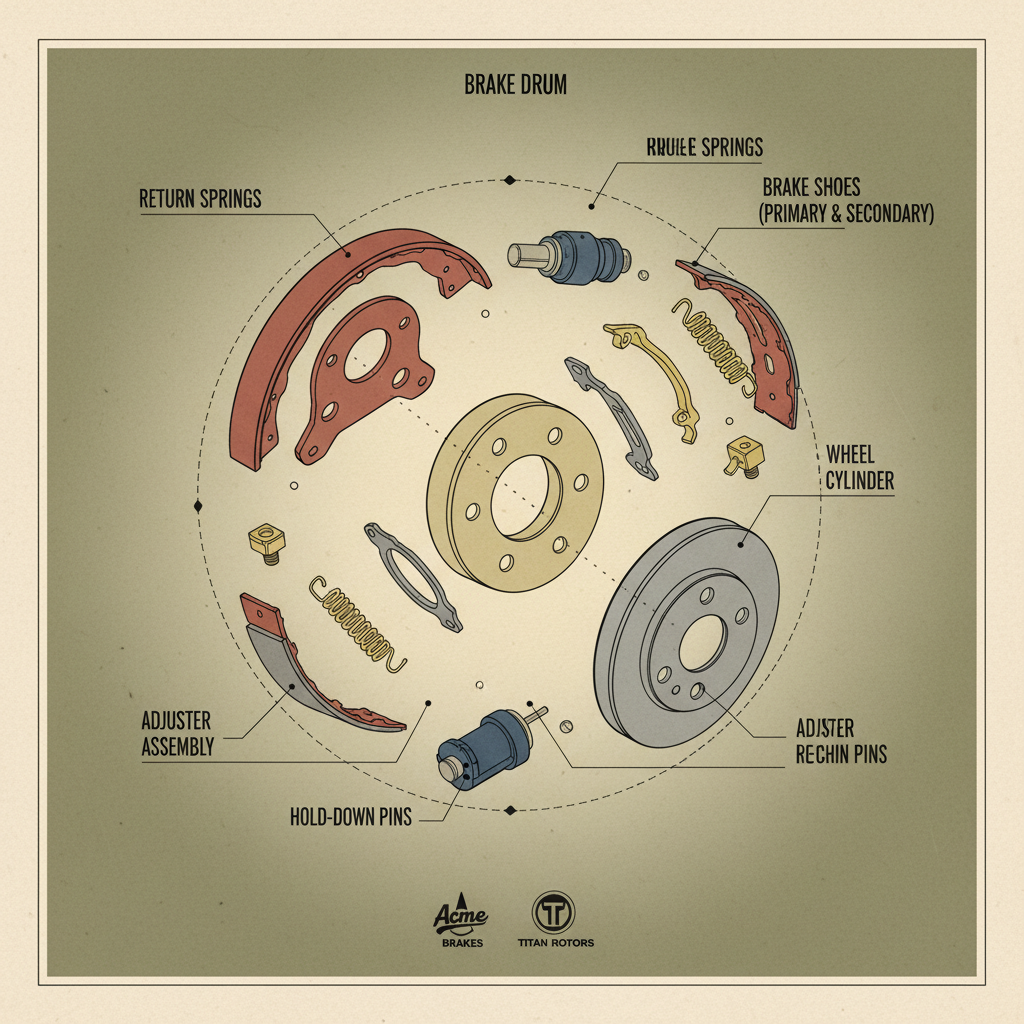
Have you noticed the push for electric vehicles? It's changing everything. Regenerative braking systems put a completely different kind of stress on brake drums – or, increasingly, discs, but drums are still relevant, especially in commercial vehicles. It’s not just about stopping power anymore, it’s about heat dissipation and managing energy recapture. We’re seeing a lot of research into new materials and coatings to handle those demands.
I encountered this at a research facility in Germany last time – they were experimenting with graphene-enhanced cast iron. Sounded great on paper, but the production costs were astronomical. And honestly, the performance gains weren’t that significant. You gotta balance the theoretical benefits with the practical realities of manufacturing and cost.
The lifespan really depends on the operating conditions and maintenance. Generally, in heavy-duty applications like trucks and buses, you can expect between 50,000 to 200,000 miles. But that’s a huge range. Factors like driving style – a lot of hard braking will shorten the lifespan – and the quality of the drum itself play a big role. Regular inspections for cracks, wear, and heat checking are crucial for maximizing their service life.
Resurfacing is critical. Over time, drums develop a lip and become out-of-round, leading to uneven braking and increased wear on brake shoes. But you have to do it right. Too much material removed weakens the drum, and improper machining can introduce stress concentrations. I’ve seen drums crack after a bad resurface. Always use a qualified machinist with the right equipment and follow the manufacturer’s specifications.
High-temperature applications demand materials with excellent thermal conductivity and resistance to thermal shock. Gray cast iron is decent, but ductile iron and alloyed cast irons are preferred because of their superior heat dissipation capabilities. Composites are also gaining traction, but cost is a significant barrier. It's about finding the right balance between performance, cost, and durability, tailored to the specific application and duty cycle.
Salt and moisture are brake drum enemies. They accelerate corrosion, especially in coastal areas or regions where roads are salted in winter. Protective coatings, like zinc plating or powder coating, can help. Regular cleaning to remove salt buildup is also important. And proper storage when drums aren't in use is crucial. Keep them dry and covered.
Ribbing adds strength and stiffness to the drum without adding significant weight. It helps distribute stress and prevent warping, especially under heavy braking loads. However, poorly designed ribbing can create stress concentrations and actually weaken the drum. The placement, size, and number of ribs are all critical. It’s a delicate balance – too little ribbing, and the drum flexes too much. Too much, and you introduce weaknesses.
We’re seeing more interest in composite materials, but the cost is still a problem. Also, research into new alloys with improved heat resistance and wear properties is ongoing. And with the rise of electric vehicles, there’s a focus on designing drums that can handle regenerative braking systems effectively. I suspect we’ll see more sophisticated cooling systems integrated into brake drums in the coming years. It's an evolution, not a revolution, though.
Ultimately, brake drum manufacturers are about finding the sweet spot between cost, durability, and performance. It's a mature industry, sure, but there’s still plenty of room for innovation. From material science to design optimization, there are always ways to improve these critical components. The push for lighter, more efficient vehicles and the demands of increasingly demanding applications will continue to drive that innovation.
But at the end of the day, whether this thing works or not, the worker will know the moment he tightens the screw. That’s the truth of it. You can design and test all you want, but the real test is always out there, on the road, in the field.