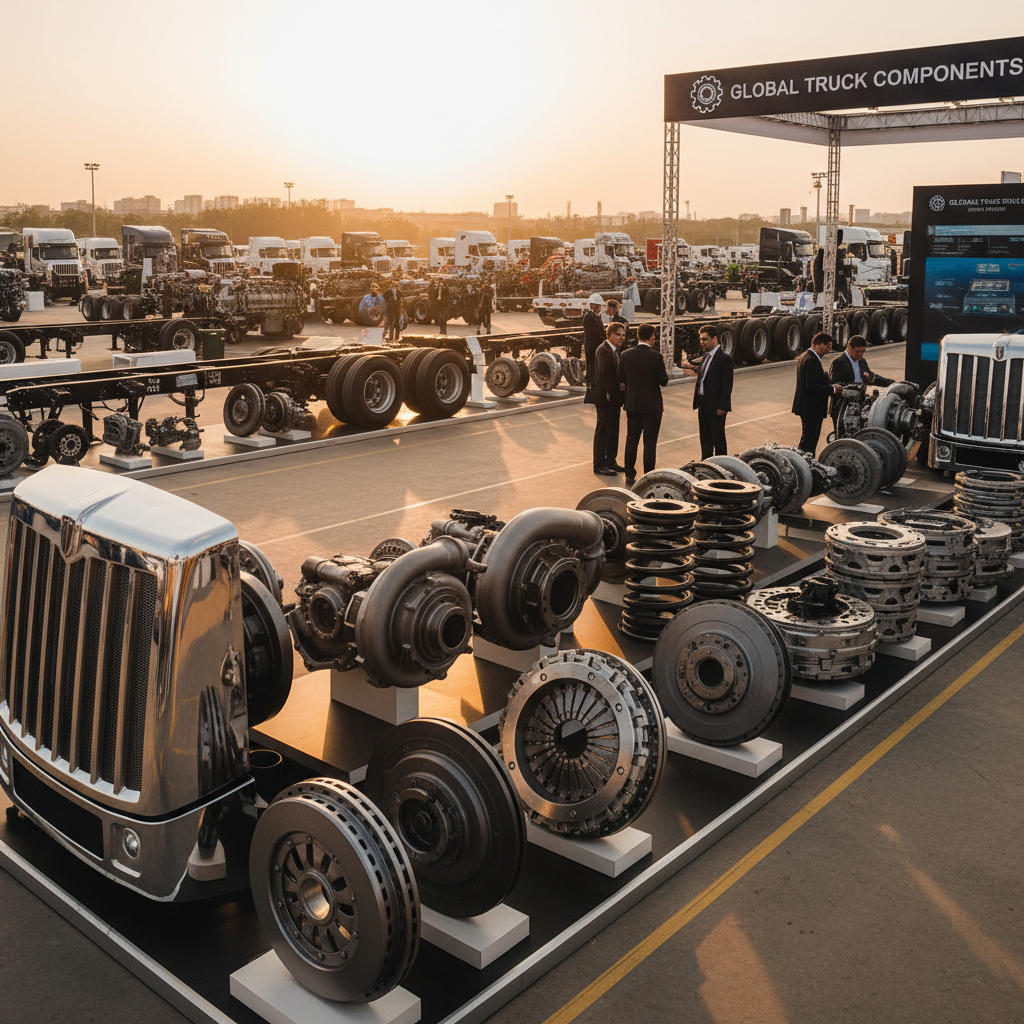
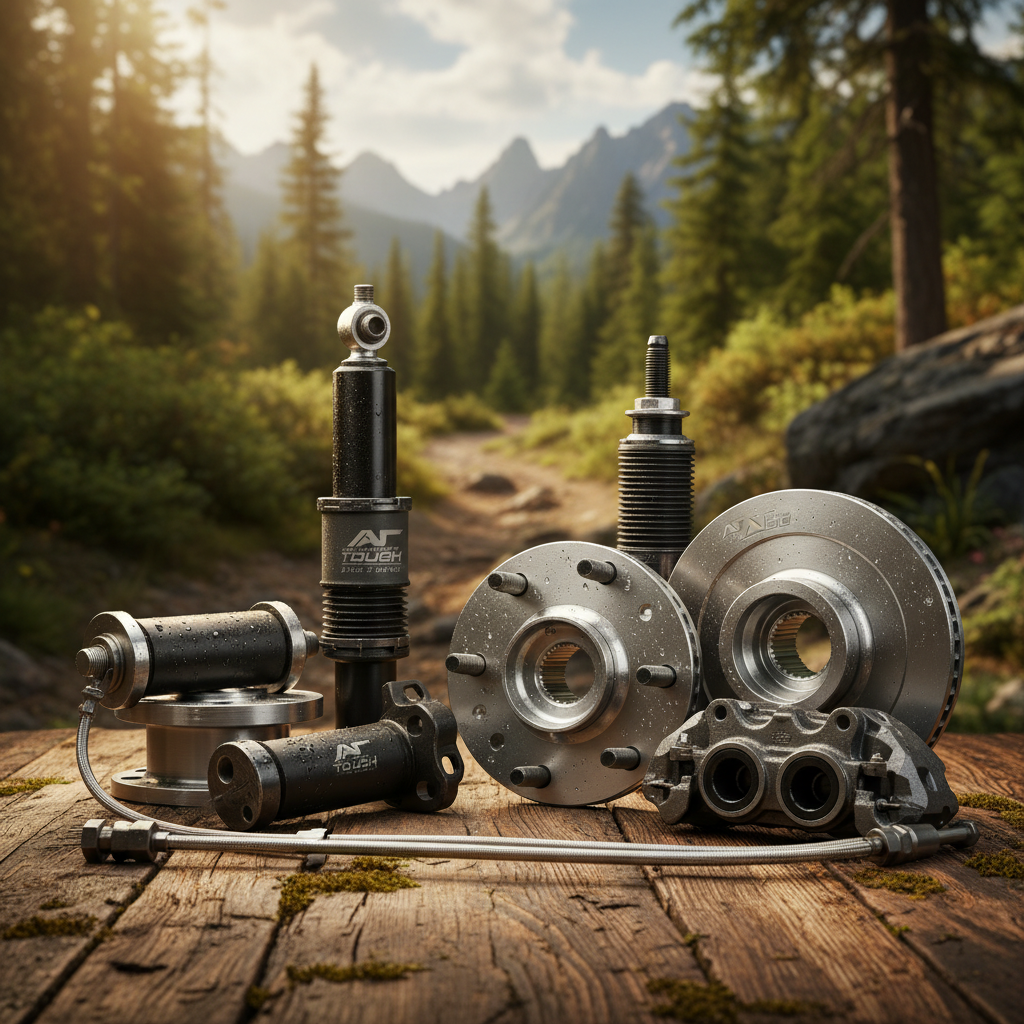
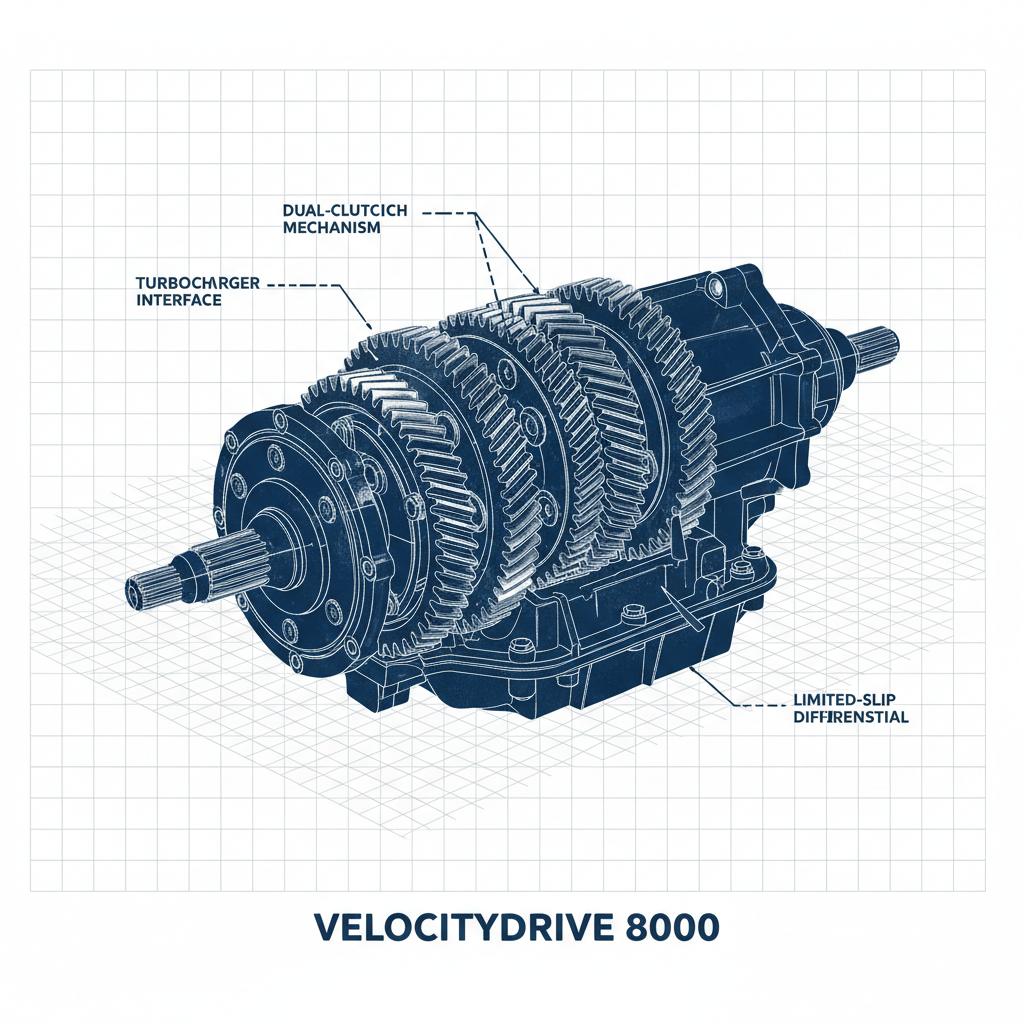
Heavy truck parts are the essential building blocks of the commercial transportation industry, powering the movement of goods and materials across the globe. These components, ranging from robust engine parts to sophisticated transmission systems, are critical for maintaining operational efficiency, safety, and reliability in the demanding world of long-haul trucking, construction, and specialized transport. Understanding the nuances of these parts is vital for fleet managers, mechanics, and anyone involved in the lifecycle of heavy-duty vehicles.
The global market for heavy truck parts is a multi-billion dollar industry, driven by the continued growth of international trade and infrastructure development. Factors such as increasing fuel efficiency standards, the demand for reduced emissions, and the rising adoption of advanced driver-assistance systems (ADAS) are constantly shaping the design and manufacturing of these critical components. Maintaining a consistent supply of high-quality heavy truck parts is paramount to minimizing downtime and ensuring the smooth operation of supply chains worldwide.
Investing in durable and reliable heavy truck parts is not simply a matter of mechanical maintenance; it's an investment in economic stability and logistical efficiency. Properly sourced and maintained components contribute to reduced fuel consumption, lower repair costs, and increased vehicle lifespan, ultimately delivering significant long-term value for businesses and operators.
The Significance of Heavy Truck Parts
Heavy truck parts represent more than just replaceable components; they are integral to the functionality and longevity of vehicles that form the backbone of global commerce. The reliability of these parts directly impacts delivery schedules, operating costs, and the safety of drivers and other road users. Choosing the right parts, whether for routine maintenance or critical repairs, is therefore a strategic decision with far-reaching consequences. heavy truck parts sourcing must be meticulous.
The demand for efficient and durable heavy truck parts is continuously growing, fueled by the increasing complexity of modern vehicles and the heightened expectations of fleet operators. Parts manufacturers are responding by investing in advanced materials, innovative designs, and rigorous quality control processes to meet these evolving needs. This ongoing evolution ensures that heavy trucks remain capable of handling the demanding tasks they are assigned.
Defining Heavy Truck Parts: A Comprehensive Overview
Heavy truck parts encompass a vast array of components designed specifically for vehicles with a gross vehicle weight rating (GVWR) exceeding 26,000 pounds. These parts are engineered to withstand significantly greater stresses and strains than those found in passenger vehicles, reflecting the heavier loads and more demanding operating conditions they endure. This includes everything from engine components like crankshafts and cylinder heads, to drivetrain elements like transmissions and axles, and crucial safety systems like brakes and steering components.
The quality and performance of heavy truck parts are paramount, directly impacting vehicle uptime and operational costs. Counterfeit or substandard parts can lead to premature failure, costly repairs, and even safety hazards. Reputable manufacturers adhere to stringent industry standards and employ robust testing procedures to ensure that their parts meet or exceed OEM specifications.
Understanding the specific requirements of different heavy truck applications is crucial when selecting parts. A long-haul tractor-trailer operating on interstate highways will have different needs than a dump truck working on a construction site or a logging truck navigating challenging terrain. Therefore, specialized parts and materials are often required to optimize performance and durability in these diverse operating environments.
Core Components of Heavy Truck Parts
Several key components define the performance and reliability of heavy truck parts. Durability is paramount, as these parts must withstand constant stress, vibration, and exposure to harsh environmental conditions. High-quality materials and robust construction are essential for ensuring a long service life and minimizing downtime.
Compatibility is another critical factor. Heavy truck parts must be precisely engineered to fit and function seamlessly with specific vehicle makes and models. Utilizing the incorrect part can lead to performance issues, component damage, and safety risks. OEM (Original Equipment Manufacturer) parts and verified aftermarket alternatives are preferred to ensure proper fit and function.
Weight Optimization is increasingly important, especially given stringent fuel efficiency regulations. Manufacturers are employing lightweight materials, such as high-strength steel and aluminum alloys, to reduce the overall weight of heavy truck parts without compromising durability. This leads to improved fuel economy and reduced emissions.
Global Applications and Industry Integration
Heavy truck parts are essential across a wide range of industries worldwide. In logistics and transportation, they keep goods moving along supply chains, ensuring timely deliveries and supporting global commerce. Construction relies heavily on these parts to operate heavy-duty trucks, excavators, and other equipment required for building infrastructure.
The mining industry utilizes robust heavy truck parts in massive haul trucks and other specialized vehicles used to extract valuable resources from the earth. In agriculture, these components power tractors, harvesters, and other machinery vital for food production. Even in emergency services, heavy truck parts are crucial for maintaining the functionality of fire trucks, ambulances, and other emergency vehicles.
In remote industrial zones across Australia and Canada, dependable heavy truck parts are essential for maintaining operations in challenging environments, where downtime can be exceedingly costly. Similarly, in post-disaster relief operations, reliable heavy truck parts are vital for transporting aid and rebuilding infrastructure.
Heavy Truck Parts Replacement Frequency by Component
Advantages of High-Quality Heavy Truck Parts
Investing in high-quality heavy truck parts delivers a multitude of benefits. Cost savings are significant, as durable parts require less frequent replacement, reducing long-term maintenance expenses. Improved vehicle reliability translates to minimized downtime and increased operational efficiency, leading to higher profits for businesses.
Enhanced safety is another crucial advantage. High-quality brake systems, steering components, and tires contribute to better vehicle control and reduce the risk of accidents. Furthermore, utilizing parts that meet or exceed OEM specifications ensures compatibility and optimal performance, preventing potential failures and associated hazards.
Future Trends in Heavy Truck Parts Technology
The future of heavy truck parts is being shaped by several key trends. The integration of advanced materials, such as carbon fiber and nanocomposites, is enabling the creation of lighter, stronger, and more durable components. The rise of electric and hybrid heavy trucks is driving demand for specialized parts, including batteries, electric motors, and power electronics.
Digitalization and the Internet of Things (IoT) are playing an increasingly important role. Smart sensors embedded in heavy truck parts can provide real-time data on component performance, enabling predictive maintenance and reducing the risk of unexpected failures. The development of autonomous driving technologies is also driving innovation in areas such as sensors, actuators, and control systems.
Sustainability is a growing priority, with manufacturers focusing on developing eco-friendly parts that reduce emissions and minimize environmental impact. This includes the use of recycled materials, the development of more efficient combustion systems, and the adoption of circular economy principles.
Challenges and Innovative Solutions
One significant challenge facing the heavy truck parts industry is the increasing complexity of modern vehicles. As trucks become more sophisticated, the number of potential failure points increases, making it more difficult to diagnose and repair problems. Another challenge is the shortage of skilled technicians capable of working on these complex systems.
Innovative solutions are emerging to address these challenges. Advanced diagnostic tools, powered by artificial intelligence (AI) and machine learning (ML), are helping technicians identify problems more quickly and accurately. Remote diagnostics and telematics systems allow for real-time monitoring of vehicle health and proactive maintenance.
Furthermore, the development of modular and standardized parts is simplifying the repair process and reducing the need for specialized tools and training. The use of 3D printing and additive manufacturing is also enabling the creation of custom parts and prototypes on demand.
Overview of Key Challenges and Solutions in Heavy Truck Parts
| Challenge |
Impact on Operations |
Proposed Solution |
Implementation Cost (1-10) |
| Parts Counterfeiting |
Reduced Performance, Safety Risks |
Blockchain-based Authentication System |
7 |
| Supply Chain Disruptions |
Extended Downtime, Increased Costs |
Diversified Sourcing, Local Manufacturing |
6 |
| Skilled Technician Shortage |
Reduced Repair Capacity, Increased Labor Costs |
Enhanced Training Programs, AI-Powered Diagnostics |
8 |
| Rising Material Costs |
Increased Parts Prices, Reduced Profit Margins |
Lightweight Material Alternatives, Circular Economy Initiatives |
5 |
| Complex Vehicle Systems |
Increased Diagnostic Time, Higher Repair Costs |
Remote Diagnostics, AI-Driven Troubleshooting |
9 |
| Environmental Regulations |
Need for Emission Control Parts, Sustainable Manufacturing |
Eco-Friendly Materials, Remanufacturing Programs |
7 |
FAQs
Identifying a high-quality heavy truck part involves several factors. Look for certifications from reputable organizations, adherence to OEM specifications, material composition (e.g., high-grade steel or aluminum), and robust construction. Check for proper coatings to prevent corrosion and ensure a precise fit. A reputable supplier with positive customer reviews is also a good indicator.
Replacement frequency depends on operating conditions and usage. Brake pads typically require replacement every 25,000 to 50,000 miles, while air filters should be checked and replaced every 12,000 to 24,000 miles. Engine oil and filters need changing according to the manufacturer’s recommendations, typically every 15,000 to 30,000 miles. Regular inspections are crucial for determining the actual replacement schedule.
OEM (Original Equipment Manufacturer) parts are those produced by the same manufacturer that supplied the original truck components. Aftermarket parts are made by independent companies. OEM parts generally offer guaranteed fit and performance, but often come at a higher price. Aftermarket parts can be more affordable, but quality and compatibility can vary significantly.
Counterfeit parts are a serious concern. Always purchase from authorized dealers or reputable suppliers. Verify the part’s origin and look for legitimate branding and packaging. Be wary of unusually low prices and check for certifications or warranties. If something seems too good to be true, it probably is.
Preventative maintenance is crucial. Regular inspections, lubrication, and timely replacement of worn parts can significantly extend the lifespan of all components. Addressing minor issues before they escalate prevents costly repairs and downtime. Following the manufacturer's recommended maintenance schedule is key.
Yes, several technologies are emerging. Advanced coatings that resist corrosion and wear, lightweight materials like carbon fiber composites, and sensor-based monitoring systems that detect early signs of failure are all contributing to increased part durability. Furthermore, additive manufacturing (3D printing) allows for the creation of customized, optimized parts.
Conclusion
In conclusion, heavy truck parts are fundamental to the efficient and safe operation of the commercial transportation industry. Understanding their significance, core components, and emerging trends is essential for fleet managers, mechanics, and anyone involved in maintaining these vital vehicles. Investing in high-quality parts and adopting proactive maintenance strategies are key to maximizing vehicle uptime, reducing costs, and ensuring reliable performance.
Looking ahead, the future of heavy truck parts will be driven by innovation in materials, digitalization, and sustainability. Embracing these advancements will not only enhance the performance and durability of heavy trucks but also contribute to a more environmentally responsible and efficient transportation system. Visit our website at www.kaihuacasting.com to explore our comprehensive range of high-quality heavy truck parts and learn how we can support your operations.