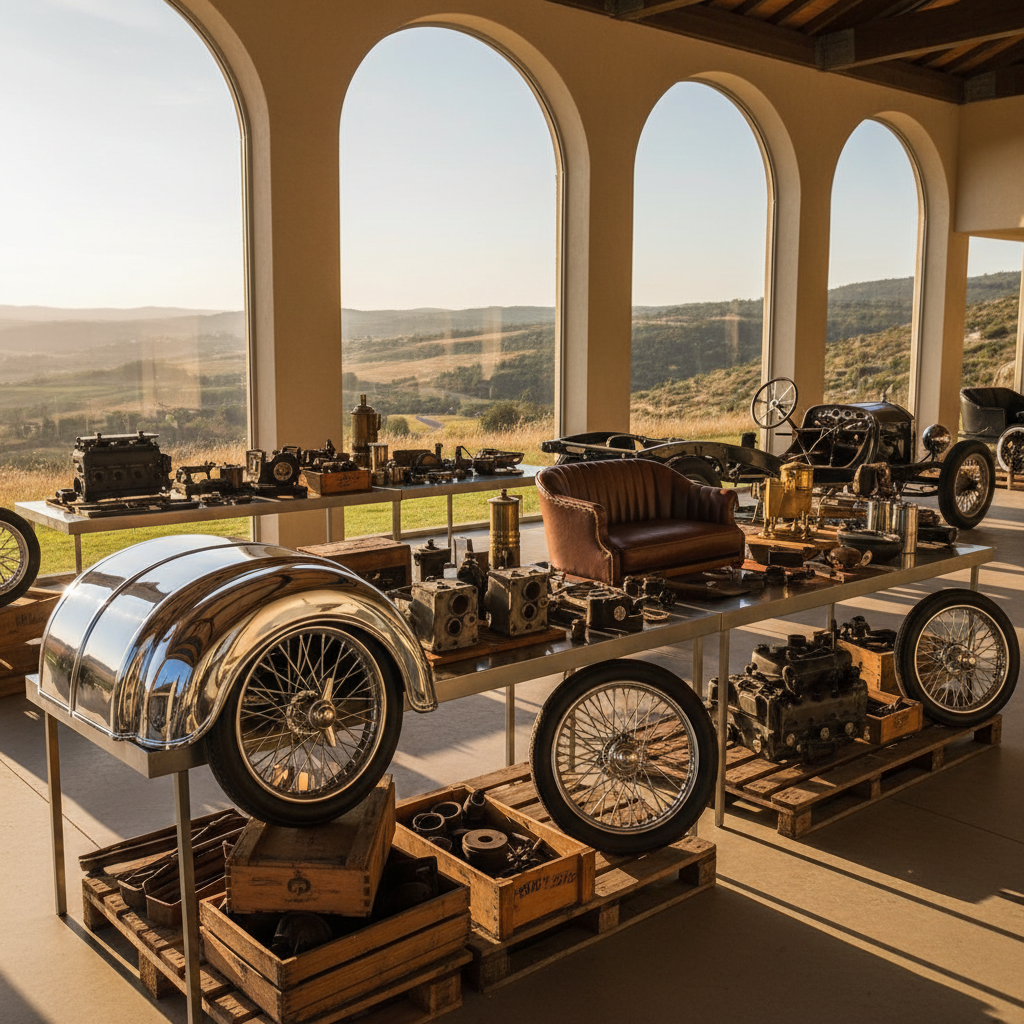
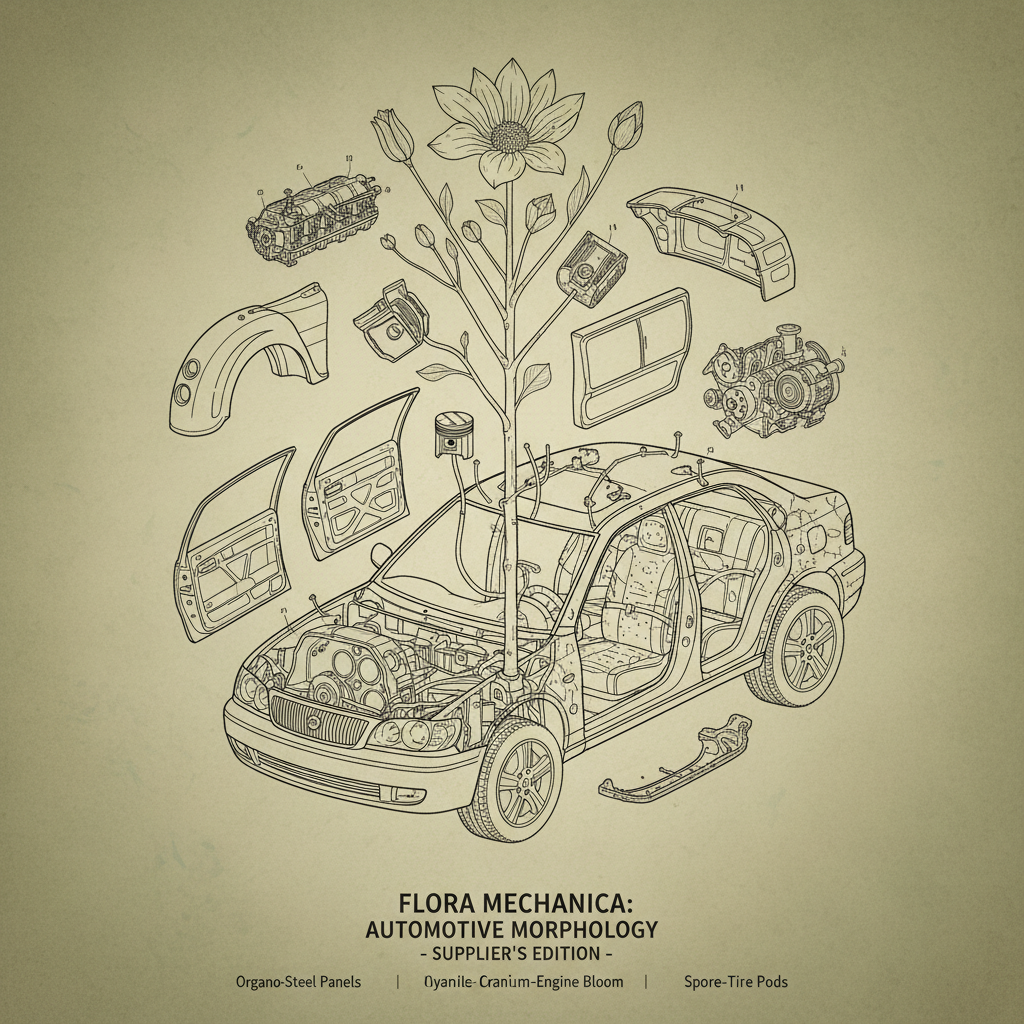
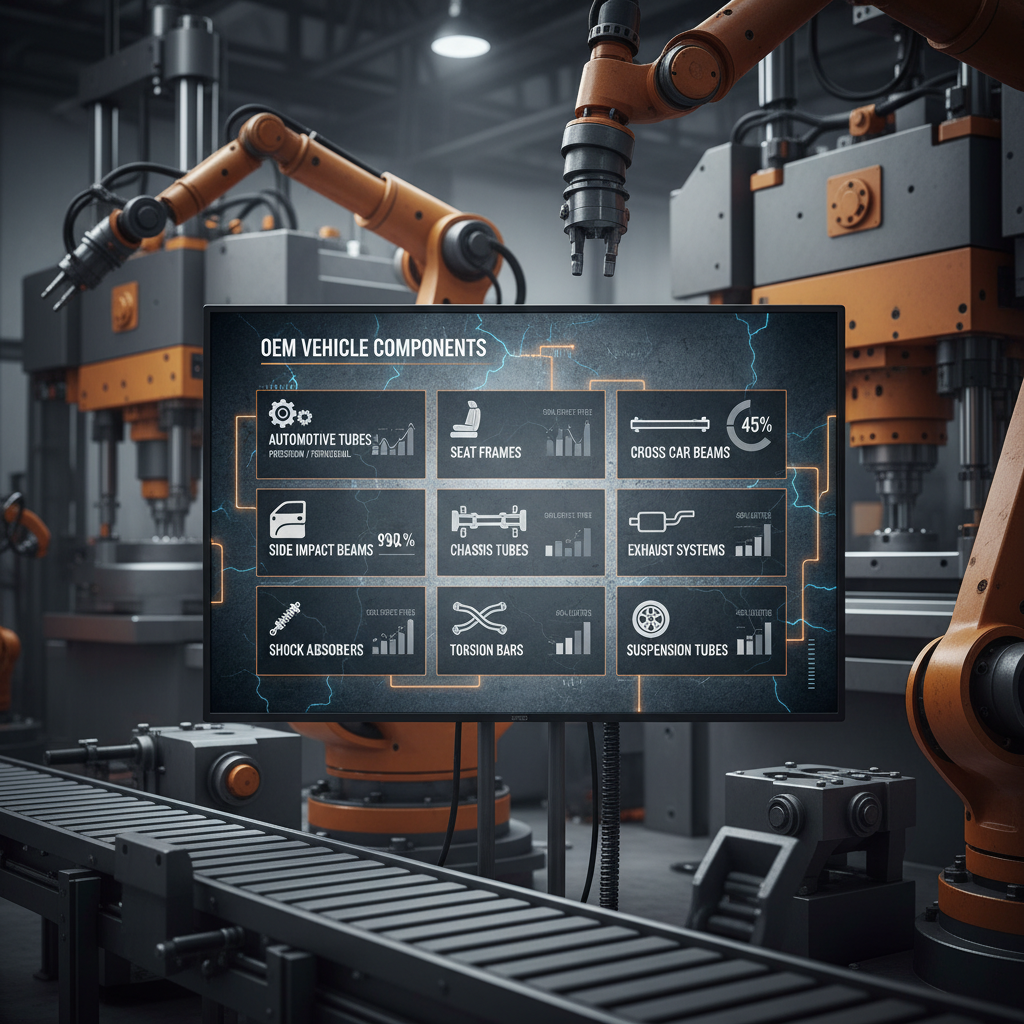
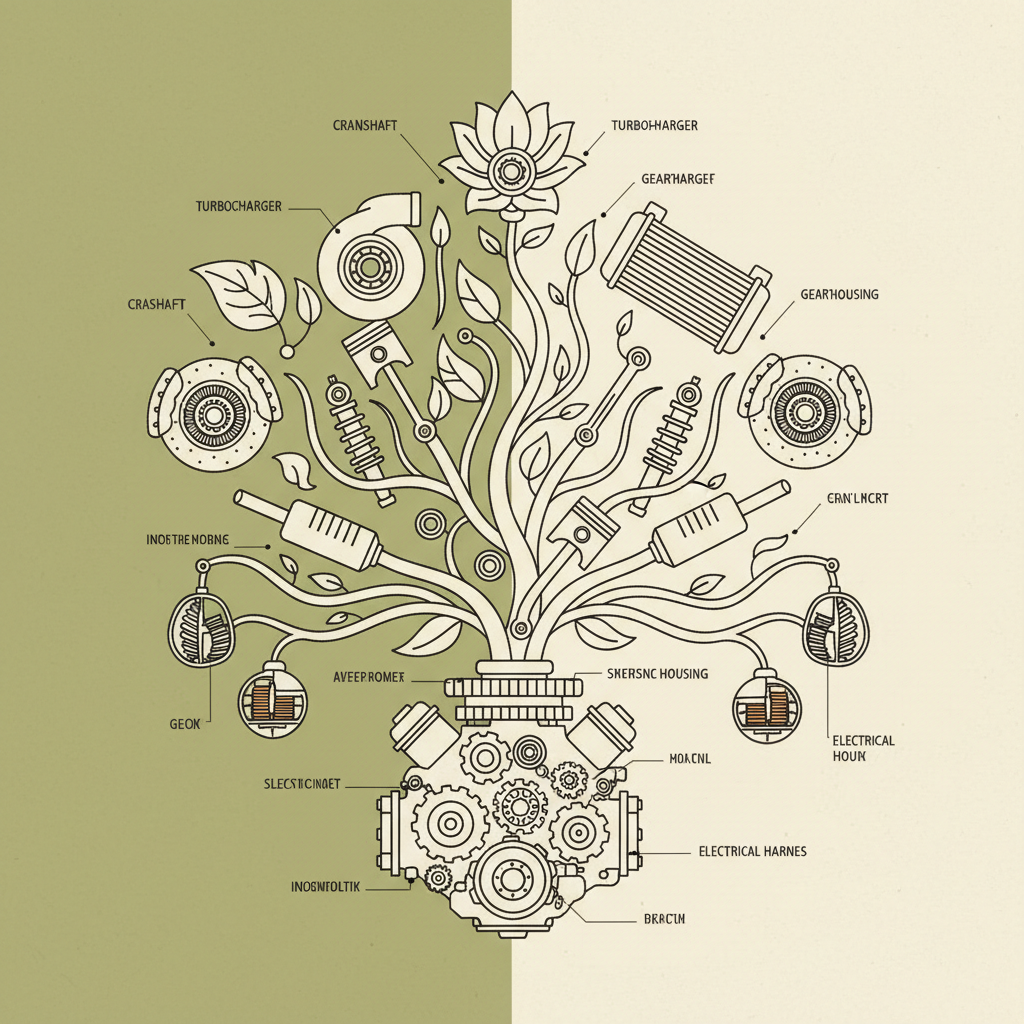
Classic car parts. It’s more than just chrome and steel; it’s about keeping a piece of history alive. For decades, enthusiasts have poured time, money, and passion into restoring these automotive treasures, and that demand fuels a global industry. We're not talking about just a hobby here – it's a substantial economic force, supporting skilled trades, specialized manufacturing, and a thriving network of suppliers. Whether it's a rare Ford Mustang component or a simple trim piece for a vintage Volkswagen, the need for genuine or high-quality reproduction classic car parts continues to grow.
This isn’t a new phenomenon, of course. The classic car market has consistently demonstrated resilience, even during economic downturns. What's changing, though, is the accessibility and global reach. Online marketplaces have connected restorers worldwide, while advancements in manufacturing techniques allow for more accurate and affordable reproductions. The challenge, however, lies in maintaining quality control and addressing the increasing complexities of sourcing these often-obscure parts. It's a constant balancing act between authenticity and affordability, with a growing emphasis on sustainability and responsible sourcing.
For those of us on the ground – the guys getting our hands dirty – it’s about understanding the specifics. It’s knowing the subtle differences between a 1967 and 1968 Chevrolet Camaro door panel, or the intricacies of rebuilding a carburetor. It's also about seeing the faces of the people who are truly invested in this community and supporting their passion with parts they can rely on. That's what drives us at classic car parts.
The Global Landscape of classic car parts
The market for classic car parts is a genuinely global affair. North America and Europe represent the largest segments, but demand is steadily rising in Asia, particularly in countries like Japan and China, where classic cars are gaining popularity as investments and status symbols. According to industry reports, the global classic car market is valued at over $35 billion, with parts and restoration accounting for a significant portion of that figure. This isn't just about wealthy collectors, either. A large segment of the market consists of everyday enthusiasts dedicated to preserving their vehicles.
However, this global reach presents challenges. Supply chains are complex, regulations vary widely between countries, and the risk of counterfeit parts is a constant concern. We’re seeing more instances of parts labeled as “genuine” that are, frankly, anything but. That's why establishing reliable sourcing networks and implementing rigorous quality control measures are more critical than ever.
Defining Classic Car Components
When we talk about classic car parts, we're covering a vast range. It goes way beyond just the big-ticket items like engines and transmissions. It includes everything from body panels and interior trim to electrical components, brake systems, and even small fasteners. Generally, 'classic' refers to vehicles over 25 years old, though the definition can be subjective and influenced by collector preferences. Parts can be categorized into three main types: Original Equipment Manufacturer (OEM) parts, which are those originally installed by the vehicle manufacturer; reproduction parts, which are newly manufactured to the original specifications; and used or NOS (New Old Stock) parts, which are salvaged from existing vehicles or leftover inventory.
The availability of these different types significantly impacts the restoration process. OEM parts are often the most desirable, but they can be incredibly rare and expensive. Reproduction parts offer a more affordable alternative, but quality can vary widely. NOS parts represent a sweet spot—original quality at a potentially lower price, but also limited availability. Understanding these nuances is key for restorers and crucial for us as suppliers.
Ultimately, it’s about finding the right balance between authenticity, functionality, and budget. A perfectly restored car doesn't necessarily mean using only original parts – it means using the right parts, carefully selected and installed with attention to detail.
Core Aspects of Quality classic car parts
There are a few key things we focus on when it comes to quality. First and foremost is Material Integrity. The materials used in classic car parts need to withstand the test of time and the rigors of daily driving. Cheap substitutes just won’t cut it. We’re talking about the right grades of steel, the correct types of rubber, and durable plastics that won’t crack or fade.
Next, we look at Dimensional Accuracy. A part might be made of the right material, but if it doesn't fit properly, it's useless. We demand precision in manufacturing, ensuring that every part meets or exceeds the original specifications. That means utilizing accurate tooling, rigorous inspection processes, and working with manufacturers who understand the importance of tolerances.
Surface Finish is also crucial, especially for visible parts. A poorly finished component can detract from the overall aesthetic of the restoration. We pay attention to details like plating quality, paint application, and the smoothness of surfaces. It's the little things that make a big difference.
Global Applications & Restoration Projects
You see classic car restoration happening everywhere. In the US, it's often focused on American muscle cars from the 60s and 70s. In Europe, there's a strong emphasis on British roadsters and Italian sports cars. In Japan, it's a mix of American classics and iconic Japanese vehicles. We’ve even seen a surge in restoration projects in Australia, driven by a growing appreciation for vintage Australian Holdens and Fords.
The applications of classic car parts aren’t limited to simple restorations either. Some enthusiasts are building "restomods," which combine classic aesthetics with modern performance upgrades. Others are creating concours-quality restorations, aiming for absolute originality and authenticity. And increasingly, we’re seeing classic cars being converted to electric power, requiring specialized parts and expertise.
Classic Car Parts Restoration Methods
Advantages & The Enduring Value
Investing in quality classic car parts offers a lot more than just a restored vehicle. There's the inherent value of preserving automotive history, the satisfaction of a well-executed project, and the potential for appreciation in value. A beautifully restored classic car can be a significant investment, often appreciating faster than traditional assets.
Beyond the financial aspect, there’s a strong emotional connection. Restoring a classic car is often a labor of love, a way to connect with the past and create something truly special. It’s a community too, bringing together enthusiasts from all walks of life who share a passion for these automotive treasures.
Future Trends in classic car parts
We’re seeing a growing demand for electric vehicle conversions, which requires a new set of parts and expertise. Adapting classic cars to modern powertrains is a complex undertaking, but it’s becoming increasingly popular as enthusiasts seek to combine vintage aesthetics with sustainable technology. 3D printing is also starting to play a role, allowing for the creation of custom parts and replacements for rare or obsolete components.
Digital catalogs and virtual reality are also changing the game. Imagine being able to virtually browse a complete catalog of classic car parts, or even "walk through" a virtual restoration project. This technology will make it easier for restorers to find the parts they need and visualize the finished product.
Challenges and Sustainable Solutions
One of the biggest challenges is sourcing rare and obsolete parts. Sometimes, the only option is to reverse-engineer a component or fabricate a new one from scratch. This requires specialized skills and equipment. Another challenge is the increasing cost of materials and manufacturing, which can drive up the price of classic car parts.
We’re focusing on sustainable sourcing practices, partnering with manufacturers who prioritize environmental responsibility. We’re also exploring the use of recycled materials and eco-friendly manufacturing processes. The goal is to provide high-quality parts while minimizing our environmental impact.
Finally, combating counterfeit parts is a constant battle. We work closely with our suppliers and customers to identify and report fraudulent products, and we are committed to maintaining the integrity of the classic car parts market.
Key Factors Influencing Classic Car Part Availability
| Manufacturing Complexity |
Original Production Volume |
Material Availability |
Demand & Market Trends |
| High (e.g., intricate castings) |
Low (Limited Edition Models) |
Scarce (Obsolete Materials) |
Increasing (Restomod Popularity) |
| Medium (Stamped Steel Components) |
Medium (Mass-Produced Cars) |
Readily Available (Common Metals) |
Stable (Consistent Collector Interest) |
| Low (Simple Fasteners) |
High (Universal Components) |
Abundant (Standard Materials) |
Moderate (Basic Maintenance) |
| High (Complex Electrical Systems) |
Low (Specialty Vehicles) |
Limited (Specialized Electronics) |
Growing (Electric Conversion Demand) |
| Medium (Rubber Seals & Gaskets) |
Medium (Common Replacement Parts) |
Moderate (Synthetic Alternatives) |
Steady (Regular Wear & Tear) |
| Low (Exterior Trim Pieces) |
Medium (Popular Model Years) |
Variable (Depending on Material) |
Fluctuating (Influenced by Trends) |
FAQS
Identifying the correct classic car part can be tricky. Start by referencing your vehicle's original parts manual, if available. If not, carefully compare the part you need with detailed images and specifications online. Pay close attention to the year, make, and model of your vehicle, as even minor variations can make a difference. When in doubt, contact a specialist or provide your vehicle's VIN for assistance. At classic car parts, we have a team dedicated to helping you find the right fit.
Genuine parts will often bear the original manufacturer's markings and stamps. Reproduction parts may lack these details or have slightly different markings. Quality reproduction parts should closely match the original in terms of materials, finish, and dimensional accuracy. Be wary of extremely low prices, as they often indicate inferior quality. A reputable supplier will provide clear information about the origin and quality of their parts.
Lead times vary depending on the part's availability and your location. Common parts are typically in stock and can ship within a few business days. Rare or obsolete parts may require special ordering or fabrication, which can take several weeks or even months. We strive to provide accurate lead time estimates on our website and will keep you informed throughout the process.
Yes, we do! We ship classic car parts worldwide. Shipping costs and delivery times will vary depending on the destination country and the size/weight of the shipment. International customers are responsible for any applicable customs duties, taxes, and import fees. Please contact us for a shipping quote.
We offer a hassle-free return policy on most classic car parts. Items must be returned in their original condition and packaging within 30 days of receipt. A restocking fee may apply to certain items. Please see our website for complete return policy details.
Proper storage is crucial for preserving the integrity of classic car parts. Store parts in a clean, dry, and well-ventilated area. Protect them from direct sunlight, moisture, and extreme temperatures. Wrap delicate parts in protective packaging to prevent scratches or damage. For metal parts, consider applying a corrosion inhibitor to prevent rust.
Conclusion
From the earliest Model Ts to the iconic muscle cars of the 60s and 70s, classic cars represent a significant part of our automotive heritage. Maintaining and restoring these vehicles requires a dedicated supply of quality classic car parts, driven by passionate enthusiasts and supported by a global network of suppliers and specialists. The future of this industry is bright, with innovation in manufacturing, sustainable practices, and digital technologies promising to make classic car restoration even more accessible and rewarding.
We at classic car parts are committed to being a reliable partner in this endeavor, providing the parts, expertise, and support that restorers need to keep these automotive treasures alive for generations to come. Visit our website today to explore our extensive catalog and discover how we can help you with your next project.