Auto accessories aren’t just about making your car look good; they're a massive global industry that touches everything from manufacturing and logistics to retail and personal expression. We're talking about a multi-billion dollar market, constantly evolving with new vehicle technology and changing consumer preferences. The demand for customization, protection, and enhanced functionality fuels this growth. It’s a sector that employs millions worldwide, from the engineers designing the latest tech to the mechanics installing it.
This industry isn’t static. It’s directly impacted by broader trends like the rise of electric vehicles, the increasing emphasis on vehicle safety, and the growing popularity of overlanding and outdoor adventures. Understanding the nuances of the auto accessories market is crucial for anyone involved in the automotive supply chain, from original equipment manufacturers (OEMs) looking to expand their offerings, to aftermarket retailers seeking to capitalize on new opportunities, and even insurance companies assessing vehicle risk.
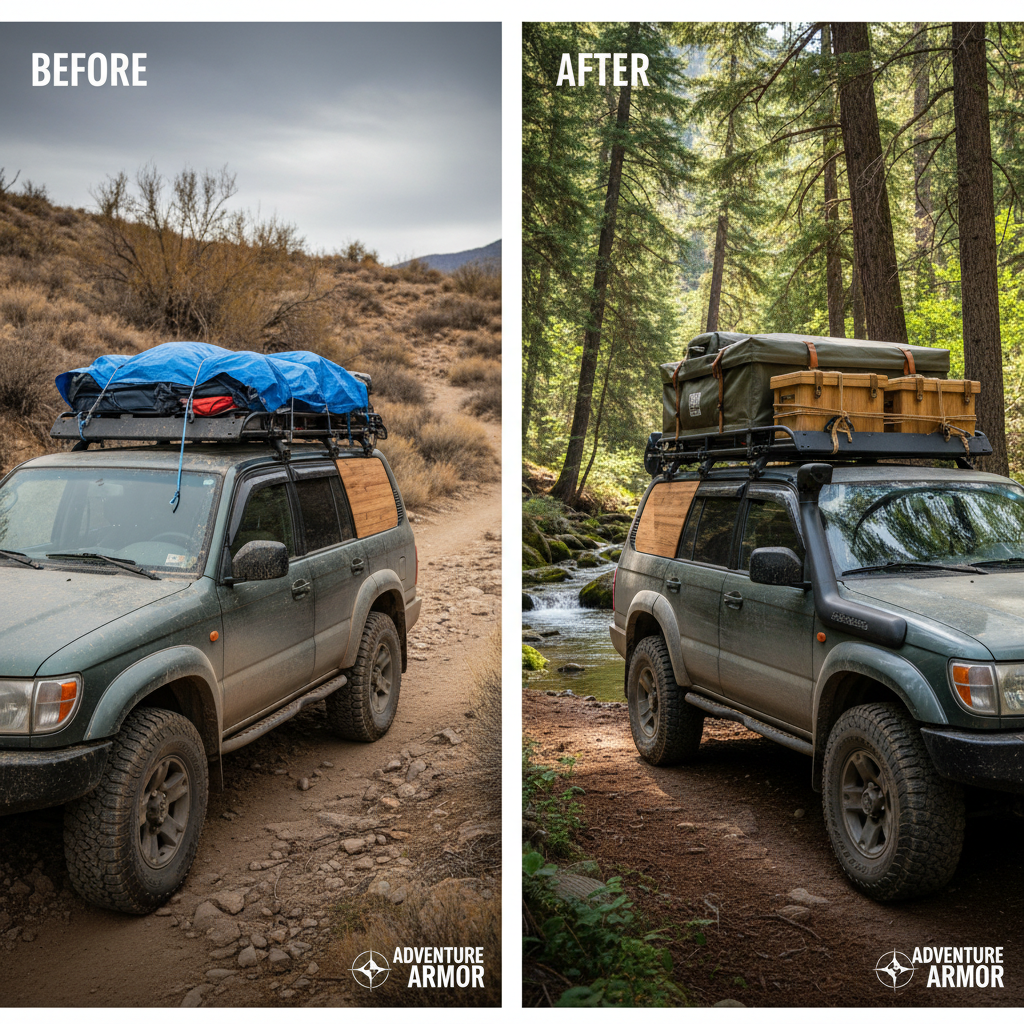
Frankly, a lot of folks overlook how critical these accessories are. People think “nice to have,” but a good floor liner protects your investment, a robust roof rack enables your lifestyle, and advanced dash cams enhance safety. It's about making your vehicle work better for you. This isn't just about aesthetics; it's about functionality, durability, and extending the life of a significant purchase.
The Global Landscape of auto accessories
The auto accessories market is a truly global phenomenon, estimated to be worth over $50 billion USD annually and continuing to grow. According to recent reports from organizations like the UN Statistics Division and the World Bank, automotive spending consistently correlates with economic growth, meaning demand for accessories rises alongside vehicle sales. North America and Europe currently hold the largest market share, but Asia-Pacific is rapidly expanding, driven by increasing disposable incomes and a growing middle class.
One significant challenge is navigating the complex web of international regulations and safety standards. What’s legal and compliant in one country might be prohibited in another. This creates hurdles for manufacturers and importers alike. Furthermore, supply chain disruptions, like those experienced recently, highlight the importance of robust sourcing and logistics strategies to ensure timely delivery of products to meet market demands.
Defining the Scope: What Are auto accessories?
Simply put, auto accessories are parts and components added to a vehicle that aren’t part of the original manufacturer’s standard equipment. This covers a huge range – everything from floor mats and seat covers to high-performance exhaust systems and advanced infotainment upgrades. It also includes safety features like dash cams, backup sensors, and child safety locks.
The connection to modern industry is strong. Auto accessories drive innovation in materials science, engineering, and manufacturing. They require specialized tooling, skilled labor, and sophisticated quality control processes. They're also intrinsically linked to the rise of the 'connected car,' with increasing demand for accessories that integrate seamlessly with vehicle systems.
Think about it. A farmer needing heavy-duty mud flaps for their truck, a family wanting a reliable roof rack for vacation gear, or a commuter investing in a top-of-the-line sound system – these all fall under the umbrella of auto accessories, enhancing the vehicle to meet specific needs and lifestyles.
Key Factors Driving the auto accessories Market
Durability is paramount. Customers expect accessories to withstand the rigors of daily use and harsh weather conditions. Materials like high-grade polymers, stainless steel, and reinforced fabrics are increasingly popular because they offer longevity and reliability. We've seen a shift away from cheap, flimsy plastics and towards products built to last.
Compatibility is another crucial factor. Accessories need to be specifically designed to fit various vehicle makes and models. Universal fit options are common, but precision fitment is highly valued. This requires extensive research, detailed product development, and accurate cataloging. The proliferation of new vehicle models also means constant adaptation and innovation.
Aesthetics still matter, but it’s evolving. While chrome trim and flashy designs are still popular, there's a growing demand for understated, functional accessories that complement the vehicle’s overall appearance. Color matching, sleek designs, and minimalist aesthetics are gaining traction.
Global Applications and Diverse Use Cases
The applications are truly widespread. In North America, pickup truck accessories – bed liners, tonneau covers, and lift kits – are extremely popular, catering to work and recreational uses. In Europe, roof racks and tow bars are common for families embarking on road trips. In Australia, rugged 4x4 accessories are essential for navigating challenging terrains.
Consider the commercial vehicle sector. Van accessories – shelving systems, ladder racks, and cargo barriers – are vital for tradespeople and delivery services. Emergency vehicles rely heavily on specialized accessories like light bars, sirens, and communication systems.
Even in remote industrial zones, specialized accessories can be life-saving. Think about heavy-duty winches for recovery operations or auxiliary lighting for improved visibility in harsh conditions. The adaptability and versatility of auto accessories are what make them so valuable across so many industries.
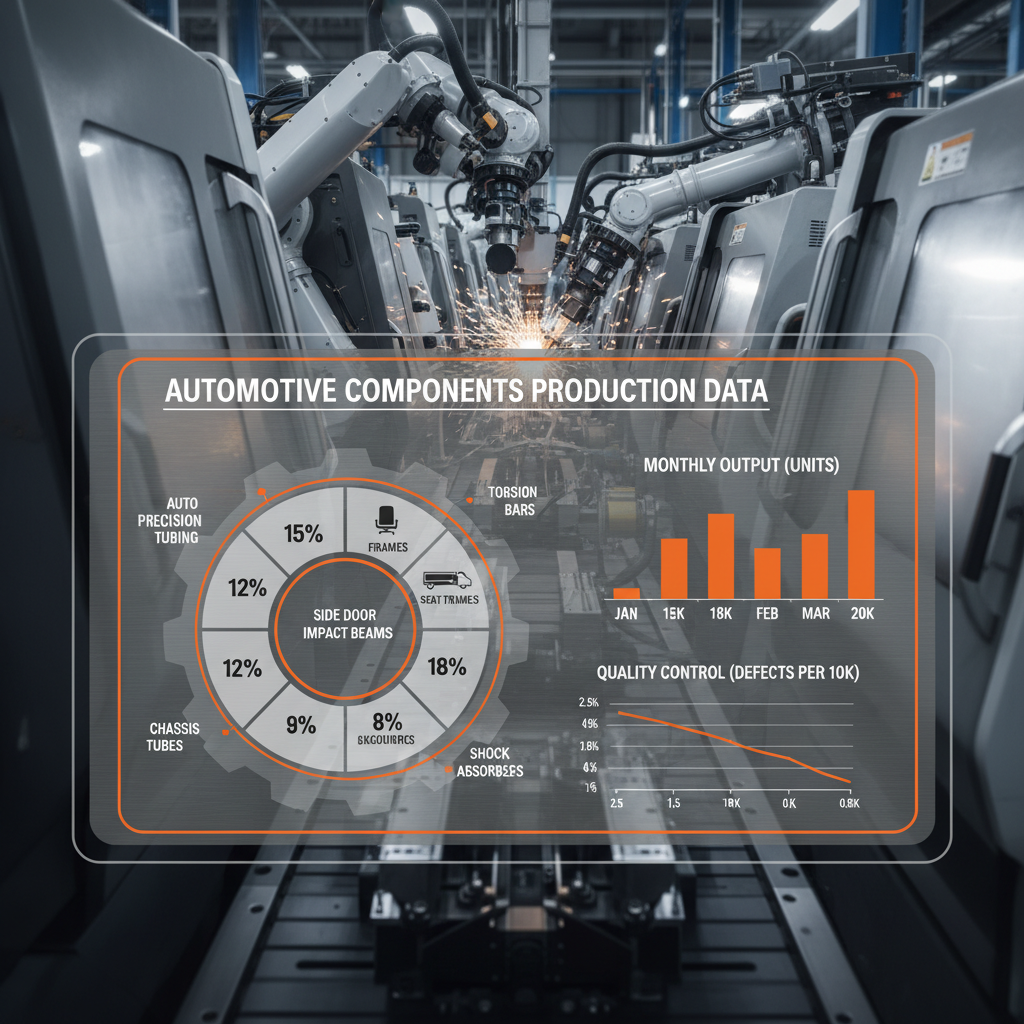
Market Share of auto accessories Categories
Advantages and Long-Term Value Proposition
The tangible benefits are clear. Investing in quality auto accessories can significantly extend the life of your vehicle, protecting its resale value. Durable floor mats prevent carpet wear, seat covers protect upholstery, and protective coatings shield paint from the elements. This translates to long-term cost savings.
Beyond cost, there's a safety aspect. Dash cams provide crucial evidence in the event of an accident. Backup sensors and cameras prevent collisions. And enhanced lighting improves visibility in adverse conditions. These aren’t luxuries; they're investments in your safety and the safety of others.
Future Trends Shaping the auto accessories Industry
The rise of electric vehicles (EVs) is a massive driver of change. EV owners are often early adopters of technology and are keen to personalize their vehicles. We're seeing demand for accessories like charging cable management systems, specialized storage solutions for charging adapters, and aerodynamic enhancements to improve range.
Digital integration is also key. Smart accessories that connect to the vehicle's infotainment system and provide real-time data are gaining popularity. Think about tire pressure monitoring systems that send alerts to your smartphone or dash cams that automatically upload footage to the cloud.
Sustainability is becoming increasingly important. Consumers are looking for accessories made from recycled materials or those that are designed to be durable and long-lasting, reducing the need for frequent replacements.
Challenges and Innovative Solutions in auto accessories
One of the biggest challenges is dealing with the rapid pace of vehicle innovation. New models are released constantly, requiring accessory manufacturers to continuously update their designs and compatibility lists. This demands agility and investment in R&D.
Another challenge is combating counterfeit products. The market is flooded with cheap, low-quality imitations that compromise safety and performance. Stronger brand protection measures and increased consumer awareness are crucial to address this issue.
We're seeing innovative solutions like 3D scanning and digital modeling to accelerate product development and ensure precise fitment. Also, using modular designs that can be adapted to fit a wider range of vehicles is becoming increasingly common.
Key Performance Indicators for Premium auto accessories
| Product Category |
Average Customer Rating (1-10) |
Return Rate (%) |
Manufacturing Cost per Unit ($) |
| Floor Liners |
9.2 |
2.5 |
15 |
| Dash Cams |
8.5 |
4.0 |
60 |
| Roof Racks |
8.8 |
3.0 |
120 |
| Seat Covers |
7.9 |
5.0 |
30 |
| Exterior Trim |
7.0 |
7.0 |
20 |
| Lighting Upgrades |
8.0 |
3.5 |
80 |
FAQS
Checking compatibility is key! Always use the manufacturer's fit guide – most reputable brands have these on their websites. You'll usually need to enter your vehicle's year, make, and model. Pay close attention to any specific trim level requirements. If in doubt, consult a professional installer to ensure a proper fit. A good rule of thumb: if it's not listed as compatible, don't risk it!
The Magnuson-Moss Warranty Act protects consumers. Generally, adding an aftermarket accessory cannot void your vehicle’s warranty unless the accessory directly causes a failure of a warranted part. Document everything – keep receipts, installation instructions, and records of any professional installation. Be wary of any dealer claiming that any aftermarket accessory voids the entire warranty.
Not necessarily. Price can be an indicator, but it’s not the only factor. Focus on brands with a strong reputation for quality, durability, and customer service. Read reviews, compare materials, and look for certifications. Sometimes, a mid-range accessory from a reputable brand is a better value than a high-priced option from an unknown source.
Regular cleaning and maintenance are crucial. For example, leather seat covers should be conditioned regularly. Floor mats should be vacuumed and washed. Exterior accessories may require waxing or polishing to protect them from the elements. Always follow the manufacturer’s care instructions to maximize the lifespan of your accessories.
We're seeing a shift towards lighter, more durable materials. Thermoplastic polyolefins (TPO) are popular for floor liners because they’re incredibly tough and easy to clean. Carbon fiber is used in performance accessories for its strength and weight savings. And there's a growing focus on using recycled and sustainable materials to reduce environmental impact.
Start with reputable automotive websites and magazines. Online retailers like Amazon and etrailer often have customer reviews. Check out automotive forums and social media groups to get feedback from other vehicle owners. And don’t hesitate to ask for recommendations from trusted mechanics or accessory installers.
Conclusion
In essence, auto accessories are far more than just add-ons; they’re integral to personalizing, protecting, and enhancing the vehicle ownership experience. From improving safety and functionality to extending vehicle life and expressing individual style, the benefits are considerable. The industry’s dynamism, driven by technological advancements and evolving consumer needs, ensures continued growth and innovation.
Looking ahead, we can expect to see even greater integration of technology, a stronger emphasis on sustainability, and a more personalized approach to vehicle customization. Investing in high-quality auto accessories is an investment in your vehicle, your safety, and your overall driving enjoyment. Explore our range of auto accessories today!