Email: info@kaihuacasting.com
Tel: +86-0312-3039759


The global market for car parts wholesale is a multi-billion dollar industry, vital for automotive manufacturing, repair, and aftermarket services. It encompasses the bulk sale of components ranging from engines and transmissions to smaller items like brake pads and filters. Efficient car parts wholesale operations are fundamental to keeping vehicles on the road, supporting economic activity, and ensuring transportation infrastructure functions smoothly worldwide. Understanding this landscape is crucial for businesses involved in automotive supply chains, repair shops, and end consumers alike.
The increasing complexity of modern vehicles, coupled with a growing global vehicle parc, drives continued demand for car parts wholesale. Geopolitical factors, economic fluctuations, and technological advancements all impact supply chain dynamics, creating both challenges and opportunities for wholesalers. The ability to navigate these complexities and deliver high-quality parts at competitive prices is essential for success.
Furthermore, sustainability concerns and the rise of electric vehicles are reshaping the industry, demanding innovation in materials, manufacturing processes, and distribution networks. Effective car parts wholesale is no longer simply about price and availability; it’s about responsiveness, reliability, and a commitment to environmental responsibility. This dynamic environment necessitates a deep understanding of the industry's evolving trends.
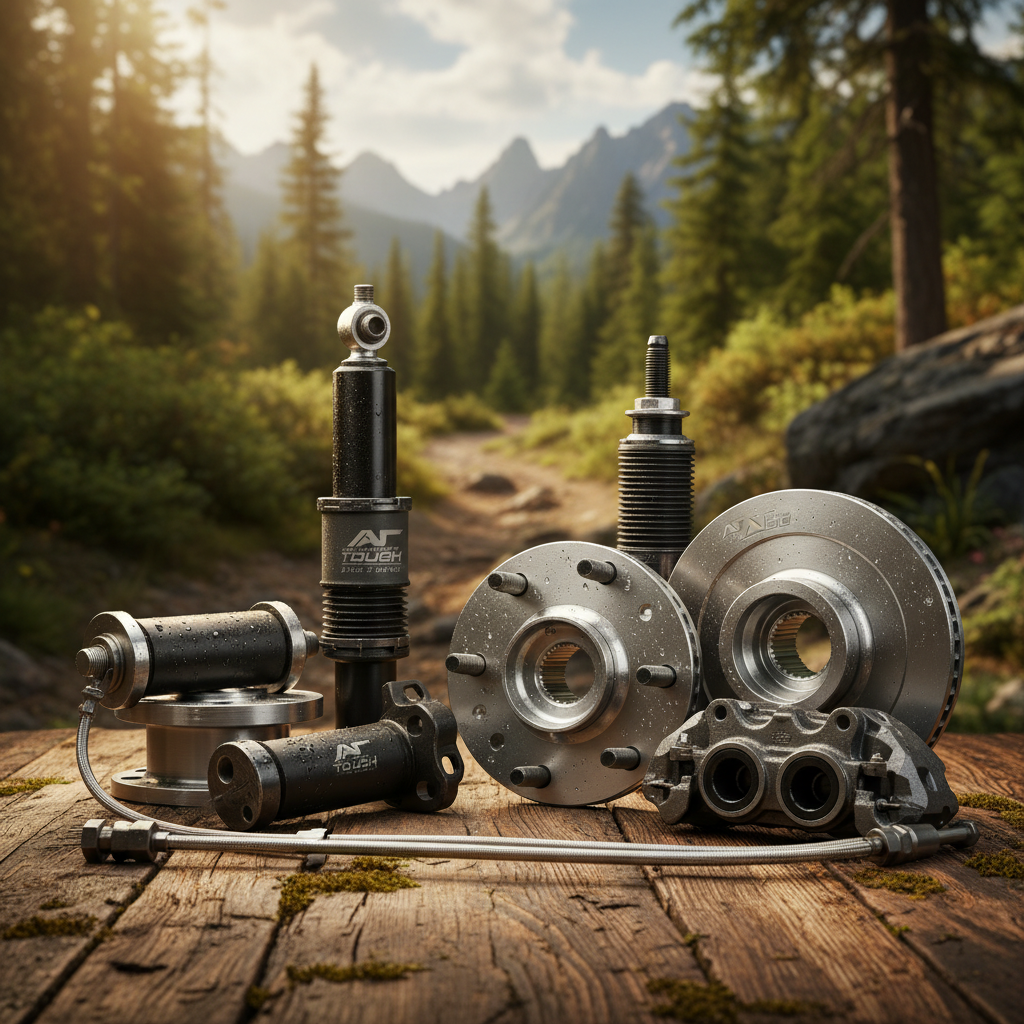

Car parts wholesale plays a critical role in sustaining the global automotive industry, an industry representing a substantial portion of many national economies. According to the United Nations Commodity Trade Statistics Database, the trade in automotive parts and accessories consistently ranks among the highest in global merchandise trade. Without efficient wholesale distribution networks, vehicle production would grind to a halt, repair costs would skyrocket, and the availability of replacement parts would be severely limited.
The increasing globalization of automotive manufacturing means that parts often traverse multiple international borders before reaching their final destination. This complex supply chain necessitates robust wholesale operations that can manage logistics, customs regulations, and currency fluctuations effectively. Effective car parts wholesale ensures timely delivery and minimizes disruptions to the automotive ecosystem.
Sourcing car parts wholesale offers significant cost savings due to bulk pricing, access to a wider range of parts, and established relationships with manufacturers. Wholesale suppliers typically offer better inventory availability and more flexible ordering options compared to retail channels. This translates to faster turnaround times for repairs and improved customer satisfaction for automotive businesses. It’s especially beneficial for workshops and dealerships needing consistent, reliable supply.
Verifying quality involves checking for certifications (like ISO 9001), requesting documentation from the wholesaler regarding part origins, and comparing parts to OEM specifications. Reputable wholesalers will provide clear traceability information and warranty details. Examining packaging and looking for signs of tampering are crucial. Establishing a long-term relationship with a trusted wholesaler is the best approach.
Typical payment terms vary, but commonly include net 30 (payment due within 30 days), credit cards, or electronic funds transfer (EFT). Some wholesalers may offer discounts for early payment. It’s important to negotiate payment terms upfront and establish clear credit limits. Larger volume buyers generally have more leverage in negotiating favorable terms.
Logistics and shipping are incredibly important. Fast, reliable, and cost-effective shipping can make or break a wholesale partnership. Look for wholesalers with a well-established distribution network, multiple warehouse locations, and the ability to offer various shipping options. Check for clear shipping policies regarding handling damaged goods and tracking information. Proximity to your business can also significantly impact shipping costs and delivery times.
A clear and fair return policy is essential. Look for a wholesaler that accepts returns of incorrect or defective parts within a reasonable timeframe. Understand the specific conditions for returns, such as restocking fees or requirements for original packaging. A hassle-free return process minimizes disruption and demonstrates the wholesaler's commitment to customer satisfaction. Thoroughly review the policy before establishing a relationship.
Evolving emission standards are significantly increasing demand for specialized parts, like catalytic converters, oxygen sensors, and diesel particulate filters. Wholesalers must stay updated on these regulations and ensure they stock compliant parts. This requires close collaboration with manufacturers and a deep understanding of vehicle emissions control systems. There's a growing market for eco-friendly and remanufactured parts to support sustainability goals.
In conclusion, car parts wholesale is a complex yet vital component of the global automotive industry. Its efficiency directly impacts vehicle production, repair costs, and transportation infrastructure. Key elements include robust sourcing networks, advanced inventory management, streamlined logistics, and a commitment to quality and customer service. Understanding the core principles and emerging trends within car parts wholesale is crucial for businesses seeking to thrive in this dynamic market.
Looking ahead, the industry will continue to be shaped by digital transformation, automation, and sustainability initiatives. Wholesalers who embrace these changes and prioritize innovation will be best positioned for long-term success. By focusing on building strong relationships with suppliers and customers, and by adapting to the evolving needs of the automotive sector, car parts wholesale will remain a critical enabler of mobility and economic growth.