Types of plumbing pipes and fittings are essential components of any building’s infrastructure, responsible for delivering clean water and safely removing waste. Understanding the different materials, sizes, and connection methods is critical for plumbers, contractors, and homeowners alike. The global demand for reliable plumbing systems continues to rise, driven by population growth, urbanization, and increasing awareness of public health and sanitation. Properly selected and installed types of plumbing pipes and fittings ensure efficient water management, prevent leaks and contamination, and contribute to overall building safety and longevity.
The market for plumbing materials is a substantial global industry, valued at billions of dollars and experiencing consistent growth. Factors like evolving building codes, a shift towards sustainable materials, and innovations in pipe manufacturing technologies are shaping the landscape. Regions with rapidly developing infrastructure, such as Asia-Pacific and Latin America, represent significant growth opportunities. However, challenges exist, including material costs, skilled labor shortages, and the need for durable, long-lasting solutions capable of withstanding various environmental conditions.
Choosing the right types of plumbing pipes and fittings isn’t simply about cost; it's about ensuring the long-term health, safety, and efficiency of a building's water systems. From residential homes to large-scale commercial and industrial projects, the selection process demands careful consideration of factors like water pressure, temperature, chemical compatibility, and local regulations. A well-planned plumbing system is a foundational element of modern life, and the understanding of its components is paramount.
Introduction to types of plumbing pipes and fittings
Understanding the diverse world of types of plumbing pipes and fittings is crucial for anyone involved in construction, renovation, or property maintenance. These components, often unseen, form the very backbone of a building’s ability to provide clean water and manage waste effectively. The types of materials used significantly impact the longevity, reliability, and overall cost of a plumbing system.
The selection process is not a one-size-fits-all approach. Different applications demand different properties – from the high-temperature resistance of PEX in radiant heating systems to the corrosion resistance of CPVC for chemical drainage. Choosing the appropriate types of plumbing pipes and fittings directly correlates to minimizing maintenance, preventing costly repairs, and ensuring a safe and sanitary living or working environment.
The Global Significance of Plumbing Infrastructure
Globally, access to safe and reliable plumbing infrastructure is a fundamental aspect of public health and economic development. The United Nations estimates that billions of people lack access to basic sanitation, contributing to preventable diseases and hindering societal progress. Investment in robust plumbing systems, utilizing appropriate types of plumbing pipes and fittings, is therefore a key priority for sustainable development goals.
Rapid urbanization in developing countries is placing immense strain on existing infrastructure, necessitating large-scale upgrades and new construction. This drives demand for efficient and affordable plumbing solutions. Simultaneously, in developed nations, aging infrastructure requires replacement and modernization, creating opportunities for innovative materials and technologies. The market for durable, high-performance types of plumbing pipes and fittings is therefore consistently strong.
Furthermore, water scarcity is becoming an increasingly pressing global issue. Efficient plumbing systems, designed with leak-resistant types of plumbing pipes and fittings and water-saving fixtures, are essential for conserving this precious resource. The implementation of smart plumbing technologies, which monitor water usage and detect leaks, further enhances resource management and reduces waste.
Defining Types of Plumbing Pipes and Fittings
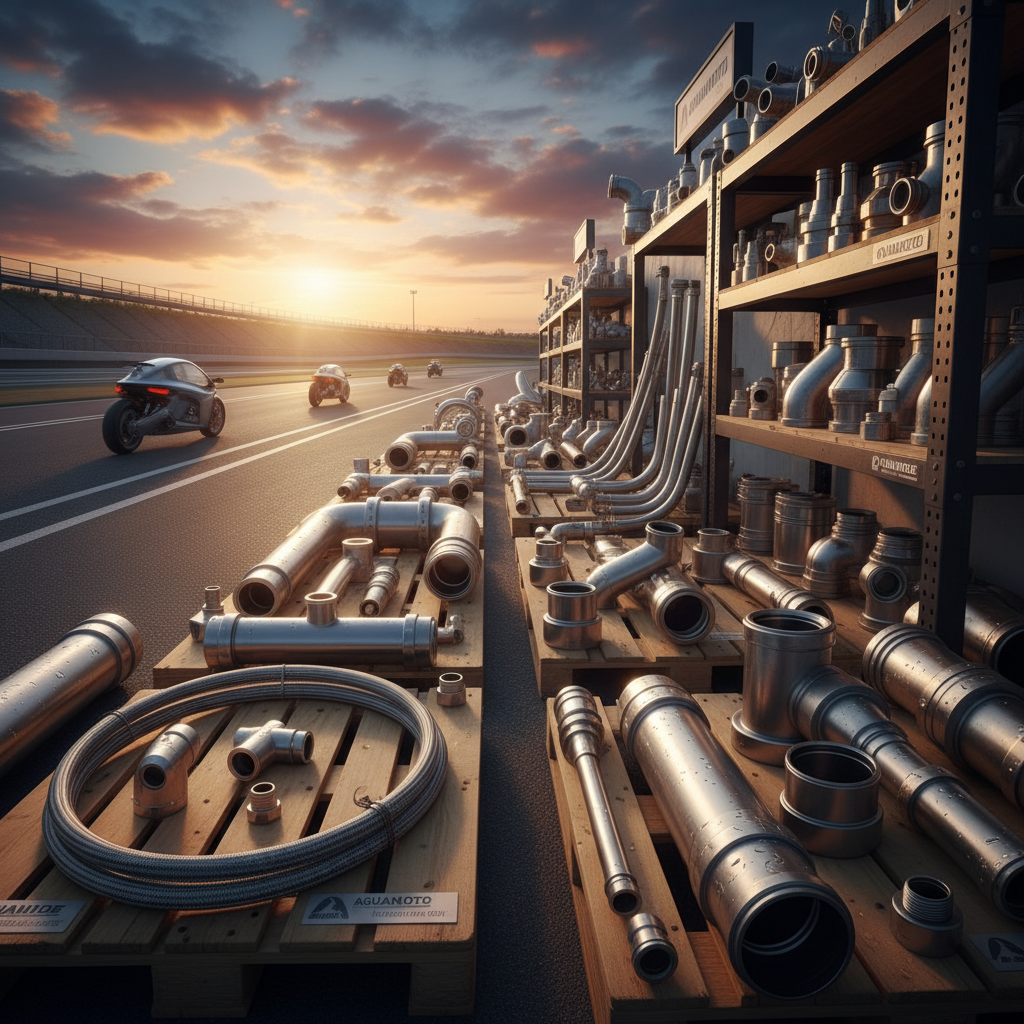
Types of plumbing pipes and fittings encompass a wide array of materials and connection methods used to transport water, sewage, and other fluids within a building. Pipes themselves come in various diameters, lengths, and schedules (wall thickness), each designed for specific pressure and temperature requirements. Common materials include copper, PVC, CPVC, PEX, galvanized steel, and cast iron.
Fittings, on the other hand, are the components used to connect pipes, change direction, or regulate flow. These include elbows, tees, couplings, adapters, valves, and traps. The choice of fitting material must be compatible with the pipe material to ensure a watertight and durable connection. Correctly selecting the right combination of pipes and fittings is crucial for system performance.
The modern plumbing industry is increasingly focused on the integration of sustainable and innovative technologies. This includes the development of new materials with improved performance characteristics, as well as the adoption of digital tools for system design and monitoring. Understanding these advancements is vital for creating efficient and environmentally responsible plumbing systems.
Key Characteristics of Effective Plumbing Systems
An effective plumbing system hinges on several key characteristics. First and foremost is Durability, the ability to withstand internal pressure, external stresses, and environmental factors over an extended period. This is directly tied to the material chosen; for example, copper is renowned for its longevity, while PVC offers excellent resistance to corrosion.
Secondly, Compatibility is essential. The chosen types of plumbing pipes and fittings must be chemically compatible with the fluids they convey to prevent degradation or contamination. Thirdly, Ease of Installation significantly impacts labor costs and project timelines. Materials that require specialized tools or skills can increase expenses. Lastly, Cost-Effectiveness plays a crucial role. Balancing initial material costs with long-term durability and maintenance requirements is key.
Performance Metrics for Common types of plumbing pipes and fittings
Global Applications and Diverse Use Cases
Types of plumbing pipes and fittings find application across a vast spectrum of settings. In residential construction, they form the core of potable water delivery and wastewater removal systems. Commercial buildings, such as offices, hotels, and hospitals, require more complex and robust plumbing systems to handle higher demand and specialized needs.
Industrial facilities, including manufacturing plants and chemical processing units, rely on specialized types of plumbing pipes and fittings designed to withstand corrosive substances and extreme temperatures. In post-disaster relief operations, portable and rapidly deployable plumbing solutions are critical for providing sanitation and preventing the spread of disease. Furthermore, agricultural irrigation systems utilize types of plumbing pipes and fittings for efficient water distribution.
Advantages and Long-Term Value Proposition
Investing in quality types of plumbing pipes and fittings delivers significant long-term benefits. Reduced maintenance and repair costs are a primary advantage, as durable materials minimize the risk of leaks and failures. Improved water quality and sanitation contribute to public health and prevent waterborne illnesses.
Environmentally, efficient plumbing systems conserve water and reduce wastewater, promoting sustainability. Choosing corrosion-resistant materials extends the lifespan of the system, reducing the need for frequent replacements and minimizing environmental impact. Ultimately, a well-designed and properly installed plumbing system provides peace of mind, knowing that a fundamental aspect of daily life is reliable and safe.
Future Trends and Innovations in Plumbing Technology
The plumbing industry is on the cusp of significant innovation. Smart plumbing technologies, incorporating sensors and data analytics, are enabling real-time monitoring of water usage, leak detection, and predictive maintenance. The development of new materials, such as advanced polymers and composite materials, is offering improved performance characteristics and sustainability.
Modular construction techniques are also influencing plumbing design, with pre-fabricated plumbing assemblies offering faster installation times and reduced labor costs. Furthermore, there's a growing emphasis on water recycling and greywater systems, which utilize treated wastewater for non-potable applications like irrigation and toilet flushing, contributing to water conservation efforts. The integration of these technologies will shape the future of types of plumbing pipes and fittings.
Sustainability will continue to be a driving force, with a focus on developing eco-friendly materials and reducing the carbon footprint of plumbing systems. The adoption of Building Information Modeling (BIM) for plumbing design and construction will also become more prevalent, improving coordination and reducing errors.
FAQS
PVC (Polyvinyl Chloride) is commonly used for cold water supply lines and drainage systems. It's cost-effective and easy to install. CPVC (Chlorinated Polyvinyl Chloride), however, is designed to withstand higher temperatures and is therefore suitable for hot water distribution. CPVC is also more resistant to chemicals and pressure, making it a better choice for certain industrial applications.
Selecting the correct pipe diameter is crucial for maintaining adequate water pressure and flow rate. Factors to consider include the length of the pipe run, the number of fixtures served, and the water demand of those fixtures. Using a pipe sizing chart or consulting with a plumbing professional is highly recommended to ensure optimal performance.
PEX (Cross-Linked Polyethylene) offers several advantages, including flexibility, freeze resistance, and reduced noise. It’s easier to install than rigid pipes, especially in tight spaces, and is less prone to bursting in cold weather. PEX also offers excellent corrosion resistance and compatibility with various water types.
While once a standard, galvanized steel is becoming less common due to its susceptibility to corrosion and scale buildup. This can lead to reduced water flow and potential health concerns. Modern alternatives, such as copper and PEX, offer superior durability, corrosion resistance, and water quality.
Joining dissimilar metals or plastics requires careful consideration to avoid corrosion or leaks. Using dielectric unions when connecting copper to steel is essential to prevent galvanic corrosion. When connecting different plastic materials, ensure the fittings and adhesives are compatible with both materials. Always follow manufacturer’s instructions for proper installation.
Regularly inspect exposed pipes and fittings for signs of corrosion or damage. Ensure all connections are tight and properly sealed. Insulate pipes in unheated areas to prevent freezing. Consider installing a water leak detection system for early warning of potential problems. Using high-quality types of plumbing pipes and fittings is the first step towards leak prevention.
Conclusion
In conclusion, a comprehensive understanding of types of plumbing pipes and fittings is paramount for constructing and maintaining safe, efficient, and sustainable water systems. From the selection of appropriate materials to the implementation of innovative technologies, the plumbing industry plays a vital role in public health, environmental protection, and economic development. Investing in quality components and skilled workmanship yields significant long-term benefits, reducing maintenance costs, conserving resources, and ensuring reliable water access.
Looking ahead, the plumbing industry will continue to evolve, driven by sustainability concerns, technological advancements, and changing regulatory requirements. Embracing smart plumbing solutions, utilizing eco-friendly materials, and prioritizing professional installation practices will be essential for meeting the challenges of the future. To learn more about available options and expert advice, visit our website at www.kaihuacasting.com.