The global logistics network relies heavily on the structural integrity and mechanical efficiency of heavy-duty vehicles. High-quality truck auto parts are the unsung heroes of international trade, ensuring that goods move from factories to consumers without catastrophic mechanical failures. From the precision of drivetrain components to the resilience of brake systems, the quality of these parts directly correlates with operational uptime and road safety.
In an era of tightening margins and increasing demand for rapid delivery, the automotive aftermarket has shifted toward high-performance materials like ductile iron and specialized alloys. The challenge for fleet managers is no longer just finding a replacement part, but sourcing components that offer a superior strength-to-weight ratio and resistance to extreme thermal stress. This evolution in manufacturing ensures that modern trucks can carry heavier loads over longer distances with reduced wear.
Understanding the nuances of truck auto parts allows businesses to transition from reactive maintenance to predictive strategies. By investing in precision-engineered components, operators can significantly reduce the total cost of ownership (TCO) while adhering to stringent environmental and safety regulations. This guide explores the critical dimensions of truck components, from material science to future innovations in the commercial vehicle sector.
The Role of Precision Casting in Truck Auto Parts
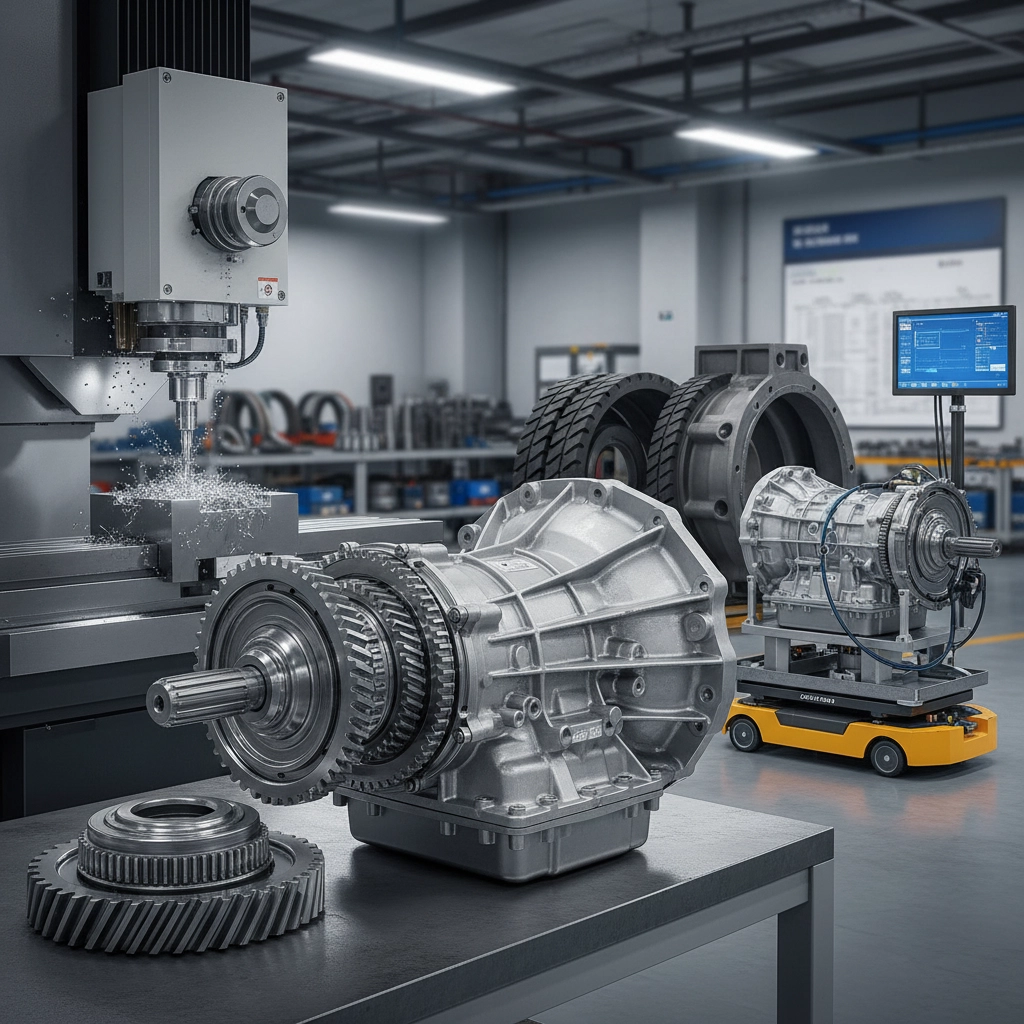
Precision casting serves as the backbone for creating complex geometries required in modern truck auto parts. Unlike traditional machining, casting allows for the creation of integrated structures that reduce the number of joints and fasteners, thereby minimizing potential failure points in high-stress environments. This is particularly vital for components like transmission housings and engine mounts where structural rigidity is non-negotiable.
By utilizing advanced molding techniques, manufacturers can achieve tighter tolerances and a smoother surface finish. This precision ensures that moving parts fit perfectly, reducing friction and wear over millions of cycles. For the end-user, this translates to fewer roadside breakdowns and a significantly extended lifespan for the vehicle's most critical mechanical systems.
Critical Material Standards for Heavy-Duty Components
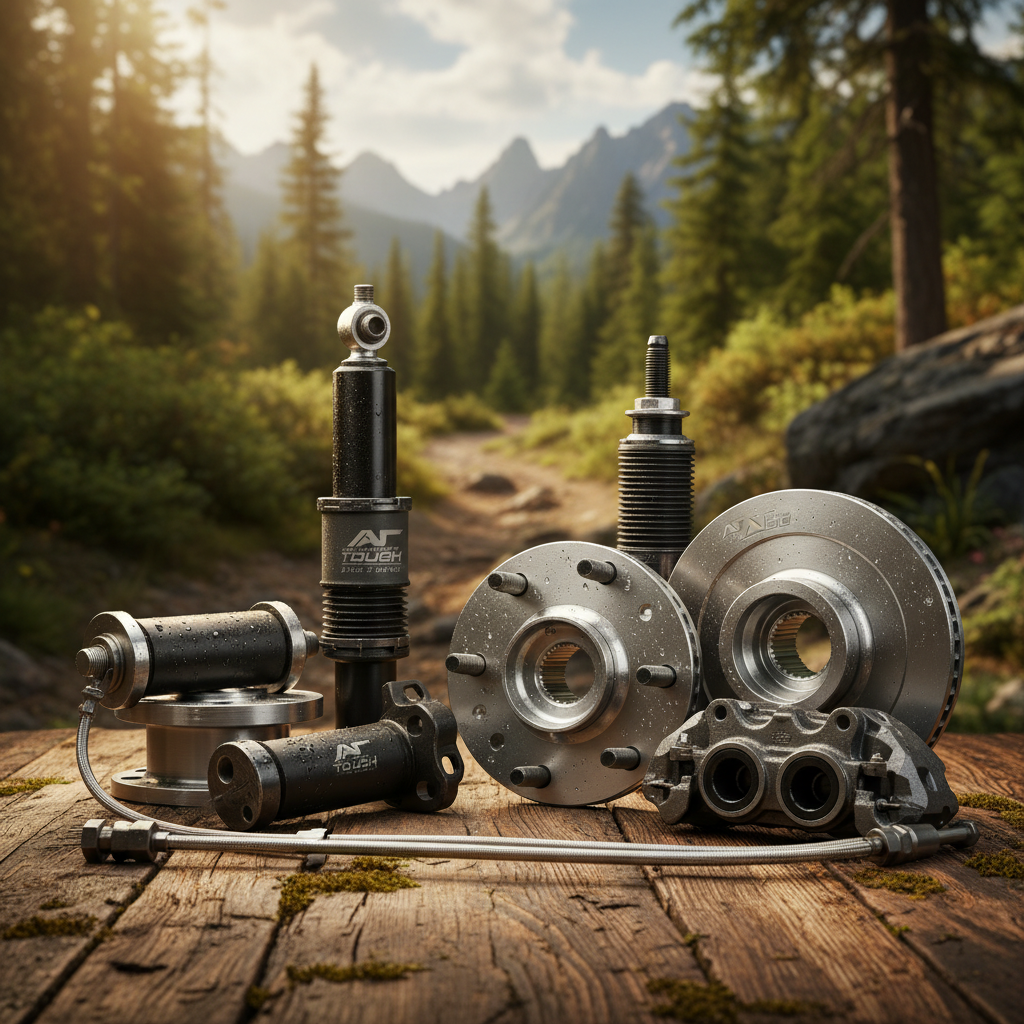
The selection of materials for truck auto parts is a delicate balance between weight, strength, and cost. Ductile iron, for instance, has become a gold standard for parts requiring high impact resistance and ductility, such as steering knuckles and brake calipers. Its ability to absorb energy without fracturing makes it indispensable for the safety-critical systems of heavy commercial vehicles.
Furthermore, the industry has seen a rise in the use of specialized alloy steels that offer superior corrosion resistance. In regions with harsh winters where road salt is prevalent, the chemical composition of the metal determines whether a part lasts five years or ten. Adherence to ISO and SAE standards ensures that these materials can withstand the cyclic loading and extreme temperatures typical of long-haul trucking.
Beyond raw strength, thermal conductivity is another critical factor. Components located near the engine or braking system must dissipate heat rapidly to prevent warping or metallurgical failure. By optimizing the alloy mix, engineers can create parts that maintain their dimensional stability even under the most grueling operating conditions.
Impact of Component Durability on Logistics Efficiency
The relationship between the durability of truck auto parts and overall logistics efficiency is direct and measurable. When a truck is sidelined due to a failed component, the cost is not just the price of the part, but the lost revenue from delayed shipments and the potential penalties for missed delivery windows.
High-durability truck auto parts enable fleet operators to extend their service intervals. For example, replacing standard bushings with reinforced composite or precision-cast alternatives can reduce the frequency of chassis alignments and suspension overhauls, keeping the wheels turning for more days per year.
Ultimately, the reliability of these components fosters trust within the supply chain. When a logistics provider can guarantee uptime, they gain a competitive edge. This systemic reliability is built on the foundation of individual parts that are engineered to exceed the minimum requirements of the manufacturer.
Performance Metrics of Common Drivetrain Parts
Evaluating the effectiveness of truck auto parts requires a data-driven approach focusing on wear rates, load capacity, and energy efficiency. In the drivetrain, the ability of a gear or shaft to transmit torque without excessive vibration is a primary KPI for engineers and fleet managers alike.
By analyzing the failure rates of different manufacturing methods, we can see a clear preference for precision-cast components over cheaper, low-grade alternatives. The following data illustrates the comparative performance ratings of various component types based on industry benchmarks.
Comparative Performance Rating of Truck Auto Parts Categories
Global Supply Chain Applications for Commercial Parts
The application of premium truck auto parts varies significantly across different global landscapes. In the mining sectors of Australia or the construction sites of Southeast Asia, components are subjected to extreme abrasive environments. In these contexts, parts must not only be strong but also possess high surface hardness to resist the constant onslaught of dust and debris.
Conversely, in the urban delivery hubs of Europe and North America, the focus shifts toward vibration dampening and noise reduction. Components are designed to meet strict urban noise pollution laws while enduring the stop-and-go stress of city traffic. This versatility in engineering proves that a "one size fits all" approach does not work in the world of heavy-duty vehicle components.
Economic Advantages of OEM-Grade Aftermarket Solutions
For many fleet owners, the cost of original equipment manufacturer (OEM) parts can be prohibitive. However, the emergence of high-quality aftermarket truck auto parts has created a middle ground that offers OEM-grade performance at a more sustainable price point. These parts are often engineered based on the same specifications but produced through more efficient manufacturing processes.
The long-term value is found in the reduction of "down-time costs." When a part is engineered for a longer life cycle than the original, the frequency of labor costs for installation is reduced. This shift from a "cheapest part" mentality to a "best value" mentality is what separates profitable logistics firms from those struggling with operational overhead.
Moreover, the availability of standardized aftermarket parts simplifies inventory management. Instead of waiting weeks for a proprietary part from a specific manufacturer, fleets can source compatible, high-performance components locally, ensuring that their vehicles return to the road in hours rather than days.
Future Innovations in Eco-Friendly Truck Components
The automotive industry is currently undergoing a paradigm shift toward sustainability, and truck auto parts are at the center of this change. We are seeing a transition toward lightweight alloys that reduce the overall curb weight of the vehicle, thereby lowering fuel consumption and reducing CO2 emissions per ton-mile.
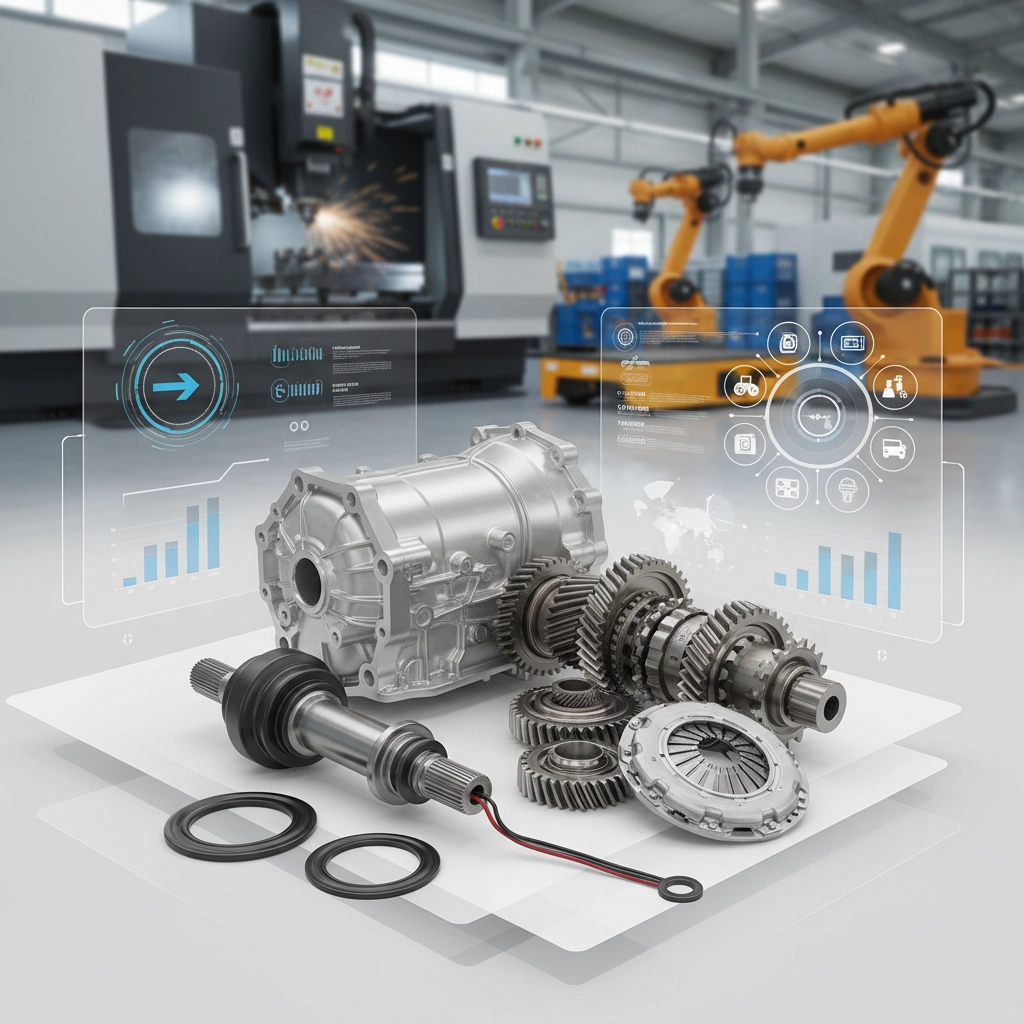
Digital transformation is also playing a role. The integration of smart sensors into cast components allows for real-time structural health monitoring. Imagine a drivetrain part that can alert the driver when a micro-crack begins to form, allowing for a scheduled replacement before a catastrophic failure occurs on the highway.
Furthermore, the rise of electric trucks (EVs) is changing the requirements for chassis and drivetrain components. With the removal of the internal combustion engine, the focus has shifted toward optimizing battery housing and high-torque electric motor mounts, which require entirely different thermal and vibrational properties.
Analysis of Component Material Evolution and Performance
|
Material Type
|
Wear Resistance (1-10)
|
Weight Efficiency
|
Primary Application
|
|
Grey Cast Iron
|
6
|
Moderate
|
Brake Drums
|
|
Ductile Iron
|
9
|
High
|
Steering Components
|
|
Forged Steel
|
10
|
Low
|
Axle Shafts
|
|
Aluminum Alloy
|
5
|
Excellent
|
Wheel Rims
|
|
Titanium Alloy
|
8
|
Excellent
|
Specialized Fasteners
|
|
Composite Polymers
|
4
|
Maximum
|
Air Intake Manifolds
|
FAQS
OEM (Original Equipment Manufacturer) parts are made by the vehicle's original maker, ensuring a perfect fit and guaranteed compatibility. Aftermarket parts are produced by third-party companies. While some aftermarket parts are lower quality, premium aftermarket solutions often exceed OEM specifications by using superior materials like ductile iron to improve durability and lifespan, often at a more competitive price point.
Inspection intervals depend on the load and environment, but generally, critical components should be checked every 10,000 to 25,000 miles. High-stress parts like brake pads, steering linkages, and suspension bushings require more frequent checks. Implementing a predictive maintenance schedule using high-quality parts can extend these intervals and prevent unexpected failures.
Ductile iron is preferred because it combines the castability of grey iron with the strength and ductility of steel. This prevents the "brittle fracture" common in lower-grade cast irons, making it ideal for parts that must withstand sudden impacts or high vibration, such as crankshafts and heavy-duty suspension mounts.
Generally, using aftermarket parts does not void the entire vehicle warranty, but it may void the warranty on the specific component replaced or parts directly affected by it. It is always recommended to check your warranty terms, but using certified, high-performance components often provides a better return on investment through increased longevity.
Look for a smooth surface finish without visible porosity or air bubbles (blowholes). A consistent grain structure and precise alignment of mounting holes indicate a high-quality casting process. Additionally, reputable manufacturers provide material certifications and heat-treatment records to prove the part meets industrial standards.
Yes, the industry is moving toward "green casting" and the use of recycled alloys. Additionally, lightweighting—replacing heavy steel components with high-strength aluminum or composites—reduces fuel consumption. Many manufacturers are also focusing on "remanufactured" parts, which restore old components to like-new condition, significantly reducing industrial waste.
Conclusion
The operational success of any commercial fleet is inextricably linked to the quality of its truck auto parts. From the selection of ductile iron for impact resistance to the adoption of precision casting for structural integrity, every engineering choice contributes to the safety and efficiency of the global supply chain. By prioritizing durability and material science over short-term cost savings, fleet operators can ensure maximum uptime and lower their total cost of ownership.
Looking ahead, the integration of smart materials and the transition toward electric propulsion will continue to redefine the requirements for automotive components. The winners in this evolving market will be those who embrace innovation and sustainable manufacturing without compromising on the ruggedness required for heavy-duty work. To explore a wide range of high-performance, precision-engineered components for your fleet, visit our website: www.kaihuacasting.com.