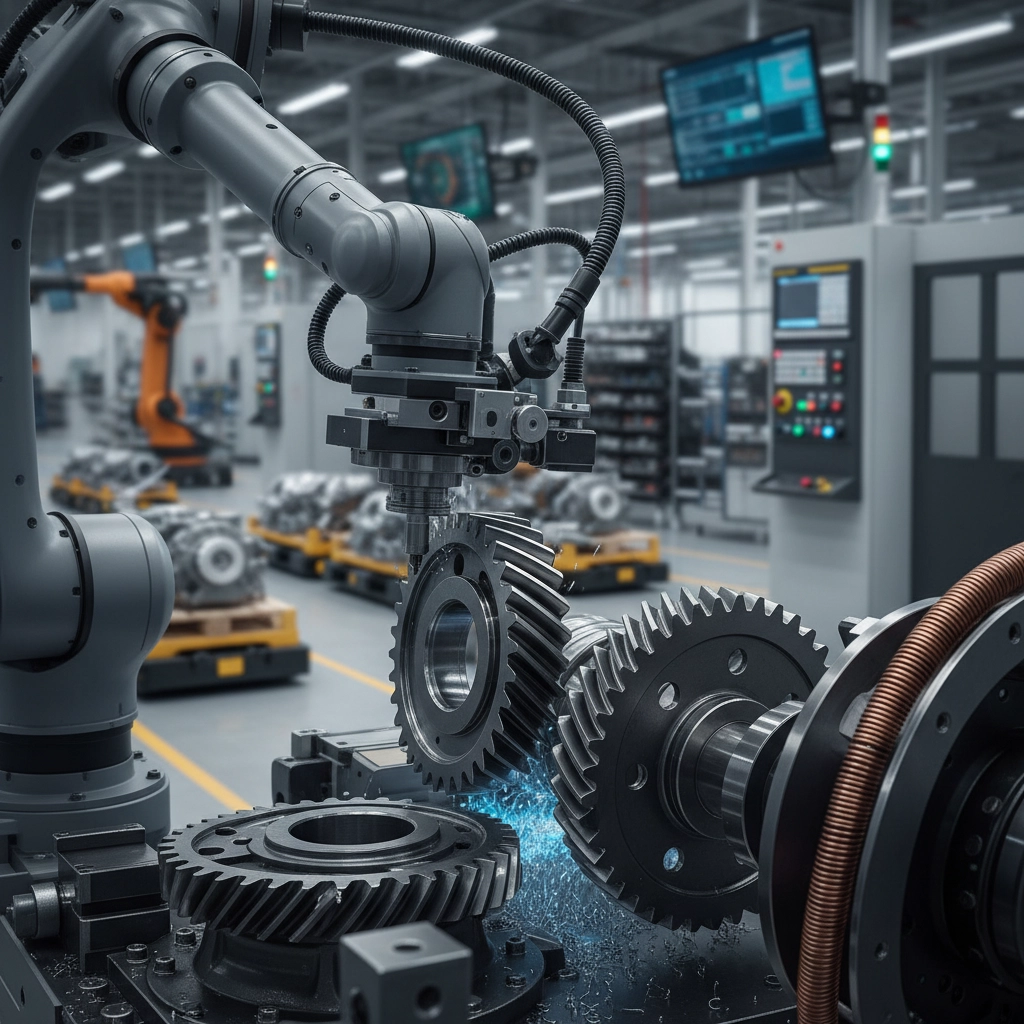
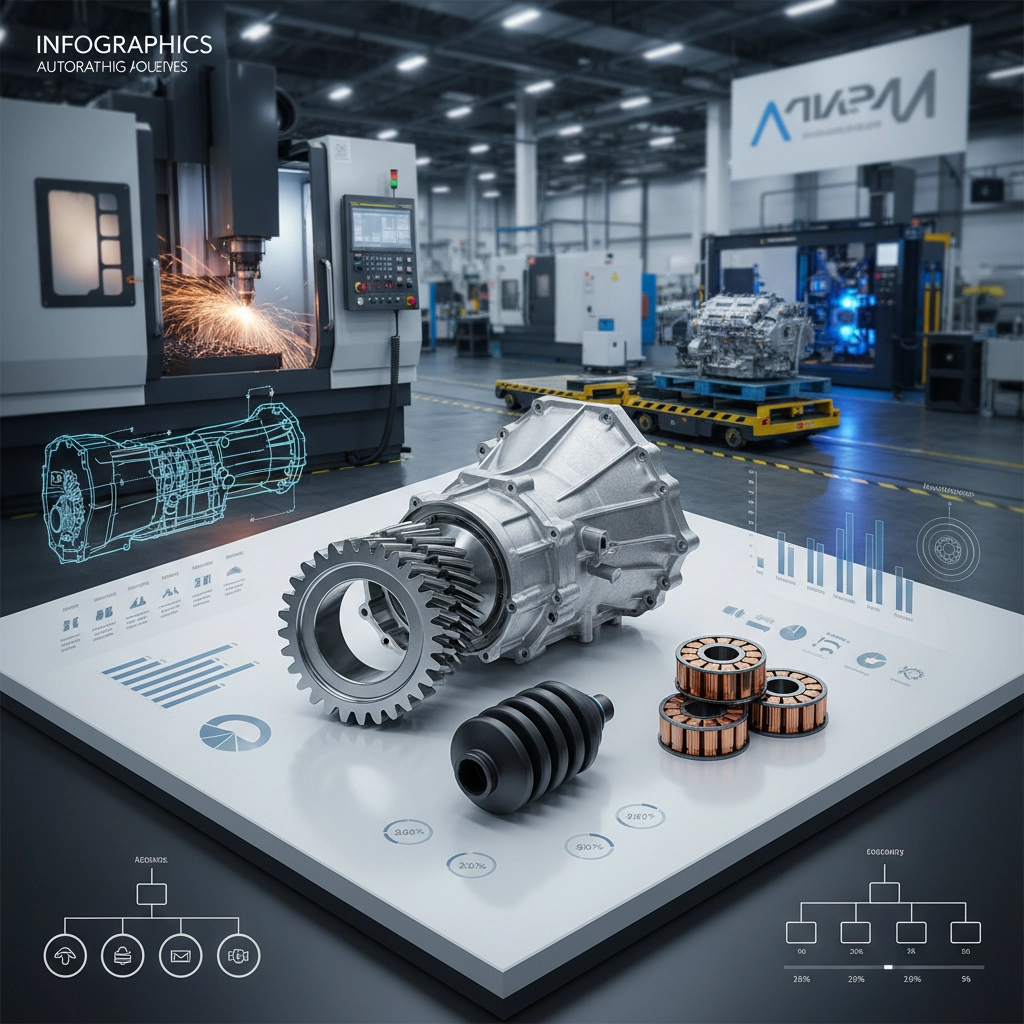
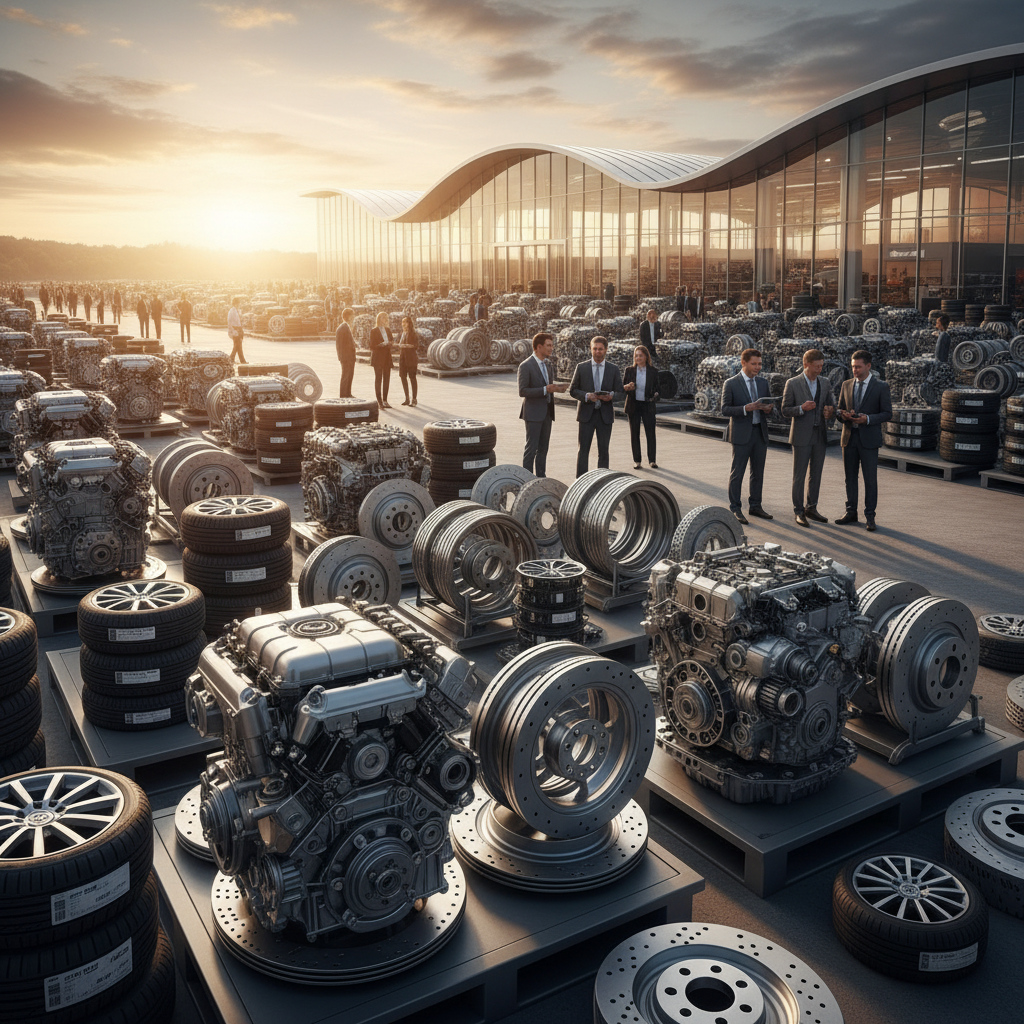
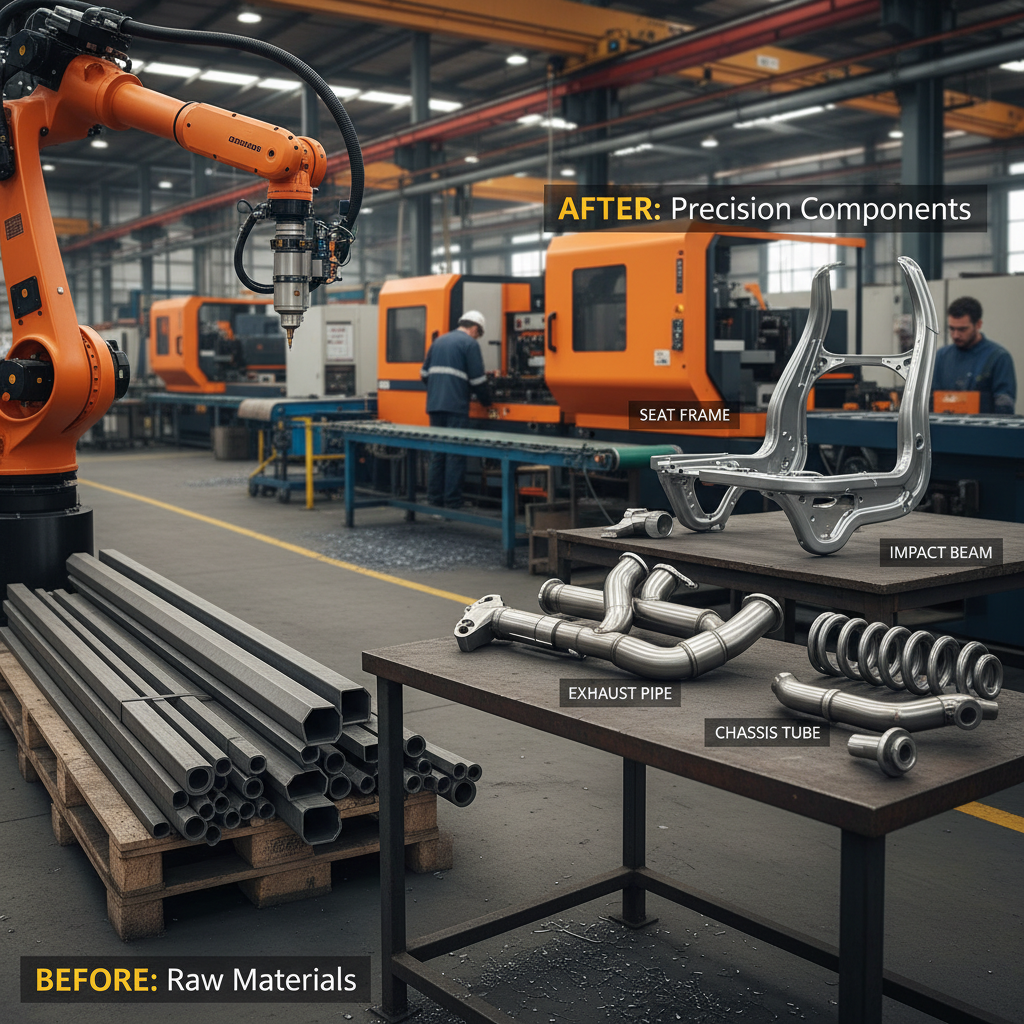
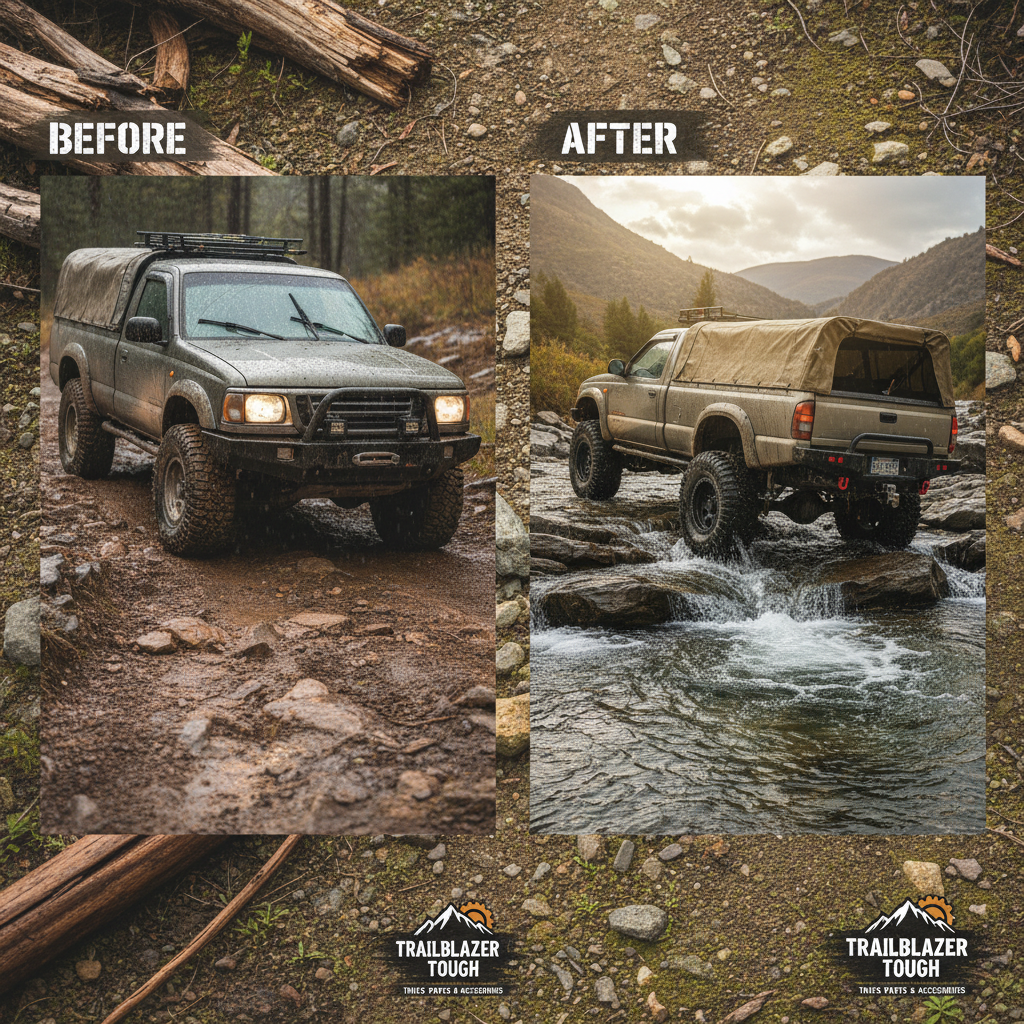
The automotive ecosystem relies heavily on the precision and reliability of car parts and accessories to ensure vehicle longevity and passenger safety. From the intricate gears of a transmission system to the robust components of a braking assembly, every element must meet rigorous engineering standards to withstand the stresses of daily operation. Understanding the synergy between these components is essential for fleet managers, technicians, and vehicle owners who prioritize performance and durability.
On a global scale, the demand for high-quality automotive components has evolved beyond simple replacement. We are seeing a shift toward specialized materials, such as ductile iron and advanced alloys, which offer superior fatigue resistance and weight reduction. This transition is driven by the need for higher fuel efficiency and the stringent environmental regulations imposed by international bodies, making the choice of components a critical decision for both manufacturers and end-users.
Whether it is enhancing the efficiency of commercial vehicle parts or upgrading the safety of municipal engineering fleets, the integration of premium car parts and accessories provides a tangible competitive advantage. By focusing on E-E-A-T (Experience, Expertise, Authoritativeness, and Trustworthiness) in component sourcing, the industry can reduce downtime, lower total cost of ownership, and ensure a safer driving experience for everyone on the road.
Global Market Dynamics of Automotive Components
The global automotive aftermarket is a multi-billion dollar industry, influenced heavily by ISO standards and the increasing age of vehicles worldwide. As emerging economies expand their infrastructure, the demand for reliable car parts and accessories has surged, particularly for commercial and agricultural machinery. This growth is not merely quantitative; there is a qualitative shift toward components that offer longer service intervals and lower carbon footprints.
However, the industry faces a significant challenge: the proliferation of sub-standard parts that compromise safety. By adhering to strict quality control protocols and utilizing advanced metallurgy, manufacturers can bridge the gap between affordability and high-performance engineering. This balance is crucial for maintaining the operational integrity of everything from passenger cars to heavy-duty municipal engineering vehicles.
Defining Modern Car Parts and Accessories
In the broadest sense, car parts and accessories encompass every physical component required for a vehicle's operation, maintenance, and enhancement. This includes "hard parts" like engine blocks, brake discs, and transmission gears, as well as "accessories" that improve utility, such as specialized mounts or interior upgrades. In the context of industrial manufacturing, the focus is often on the critical structural components that ensure the vehicle can perform its intended function under extreme loads.
Beyond simple mechanics, modern automotive components are now integrated with smart materials and precision casting. The connection to modern industry is profound; for instance, the use of ductile iron in brake systems allows for better energy absorption and thermal stability, which is a humanitarian necessity in ensuring the safety of public transport and emergency vehicles.
Essentially, these parts are the building blocks of mobility. Whether it is a specialized part for a mechanical arm in a construction vehicle or a standard filter for a commercial truck, the quality of these components directly impacts the efficiency of global logistics and the safety of our transit infrastructure.
Core Factors Driving Component Durability
Material integrity is the foundation of any high-quality car parts and accessories line. The selection of raw materials, such as the grade of iron or the purity of aluminum alloys, determines how a part handles stress and corrosion over time. For components like transmission gears, the ability to resist wear while maintaining tight tolerances is paramount.
Precision machining and casting tolerances are the second pillar of reliability. When dealing with car parts and accessories, a deviation of even a few microns can lead to premature failure or inefficient energy transfer. Utilizing CNC technology and advanced molding processes ensures that every part fits perfectly, reducing friction and extending the lifespan of the entire system.
Finally, surface treatment and coating play a vital role in environmental resistance. Whether it is powder coating for rust prevention in municipal engineering parts or specialized heat treatment for hardening brake components, these processes ensure that car parts and accessories can survive the harshest climates, from humid coastal regions to freezing industrial zones.
Practical Applications Across Industrial Sectors
The application of high-grade car parts and accessories extends far beyond the personal garage. In the agricultural sector, heavy-duty parts for tractors and harvesters must endure abrasive soil and constant vibration. Similarly, in construction machinery, the components of a mechanical arm require extreme tensile strength to handle massive loads without deformation.
In remote industrial zones or post-disaster relief operations, the reliability of commercial vehicle parts becomes a lifeline. When logistics trucks are the only way to transport food and medical supplies, the failure of a single brake component or transmission gear can halt an entire operation. This highlights why sourcing standardized, high-quality components is not just a business decision, but a logistical necessity.
Performance Metrics of Various Car Parts and Accessories Categories
Long-Term Value of Precision Engineering
Investing in premium car parts and accessories offers significant economic advantages over time. While the initial cost may be higher than generic alternatives, the reduction in maintenance frequency and the prevention of catastrophic failures lead to a much lower total cost of ownership. For commercial fleets, this translates to higher uptime and increased profitability.
Beyond the financial aspect, there is an emotional value tied to safety and trust. Knowing that a vehicle's brake system or steering components are manufactured to exact specifications provides peace of mind to the driver and confidence to the operator. This reliability fosters a culture of innovation, where engineers can push the limits of vehicle performance knowing the underlying components are stable and secure.
Future Innovations in Automotive Casting
The future of car parts and accessories is being shaped by the digital transformation of the factory floor. Industry 4.0, integrating AI-driven quality control and 3D printing for rapid prototyping, allows for the creation of complex geometries that were previously impossible to cast. This enables the development of lightweight components that maintain extreme strength, directly contributing to the efficiency of electric vehicles.
Sustainability is another driving force. The shift toward "green casting" involves using recycled metals and reducing the energy intensity of the melting process. As policies move toward a circular economy, the ability to remanufacture and recycle automotive components will become a core competency for leading suppliers.
Furthermore, the integration of sensors directly into cast parts—known as "smart components"—will allow for real-time health monitoring. This predictive maintenance approach will notify operators when a part is nearing its fatigue limit, effectively eliminating unplanned downtime and enhancing the safety of heavy machinery.
Overcoming Supply Chain and Quality Challenges
One of the primary limitations in the current supply of car parts and accessories is the inconsistency in quality across different global regions. This often stems from a lack of standardized testing protocols. To overcome this, companies are increasingly adopting comprehensive quality management systems (QMS) that track a part from the raw ore stage to the final installation.
Another challenge is the volatility of raw material prices, which can tempt manufacturers to compromise on material grades. The solution lies in strategic partnerships and long-term sourcing agreements that prioritize quality over short-term cost savings. By investing in ductile iron and other high-performance materials, manufacturers can ensure their products remain competitive and reliable.
Finally, the gap between design and production can often lead to inefficient parts. Implementing "Design for Manufacturing" (DfM) principles ensures that car parts and accessories are optimized for both production ease and end-use performance, reducing waste and increasing the overall reliability of the automotive system.
Comparative Analysis of Component Materials and Applications
| Material Type |
Key Property |
Primary Application |
Durability Score (1-10) |
| Ductile Iron |
High Impact Strength |
Brake Discs / Crankshafts |
9 |
| Gray Iron |
Excellent Damping |
Engine Blocks / Housings |
7 |
| Aluminum Alloy |
Low Density/Weight |
Wheel Rims / Valve Bodies |
8 |
| Forged Steel |
Extreme Hardness |
Transmission Gears |
10 |
| Cast Steel |
High Load Bearing |
Chassis Brackets |
8 |
| Composite Polymers |
Corrosion Resistance |
Trim Accessories |
6 |
FAQS
High-quality components are typically characterized by precise finishing, adherence to ISO or SAE standards, and transparent material certifications. Check for consistent weight, a lack of casting defects (like porosity), and professional-grade coatings. Trusted manufacturers will provide detailed technical data sheets and warranty terms that reflect their confidence in the part's durability.
Ductile iron possesses a nodular graphite structure that allows it to deform slightly under stress without fracturing, unlike gray iron which is more brittle. This makes it ideal for components subjected to high impact or varying loads, such as steering knuckles and brake system parts, where safety and failure prevention are critical.
Yes, provided they are sourced from manufacturers who use identical or superior materials and precision machining. In many cases, high-end aftermarket parts are "upgraded" versions of OEM components, offering better heat dissipation or increased wear resistance, which can actually improve the overall performance and longevity of the vehicle.
The use of lightweight, high-strength materials (like specific aluminum alloys) reduces the overall curb weight of the vehicle, which directly lowers fuel consumption. Additionally, precision-engineered transmission and engine parts reduce internal friction, allowing the engine to operate more efficiently and reduce emissions.
Lifespan varies by application, but high-grade cast components are designed to last for hundreds of thousands of miles. Regular maintenance, such as lubrication and periodic inspections, can extend this life. Components made from premium ductile iron often outlast standard parts by 30-50% in harsh industrial environments.
Buyers should request Third-Party Inspection (TPI) reports and verify the supplier's ISO certifications. Requesting samples for independent laboratory testing (such as hardness and chemical composition analysis) is also a best practice to ensure the materials delivered match the specifications agreed upon in the contract.
Conclusion
The integrity of car parts and accessories is the invisible backbone of global mobility, ensuring that everything from city buses to industrial excavators operates safely and efficiently. By prioritizing precision casting, advanced metallurgy, and rigorous quality control, the automotive industry can significantly reduce operational costs and enhance vehicle safety. The shift toward smarter, lighter, and more sustainable components is not just a trend but a necessity for the next generation of transport.
As we move toward an era of electric and autonomous vehicles, the demand for high-performance, reliable components will only grow. We recommend that fleet operators and procurement managers focus on long-term value and material certification rather than short-term price points to ensure the sustainability of their operations. For those seeking industry-leading precision and durability in automotive components, visit our website: www.kaihuacasting.com.