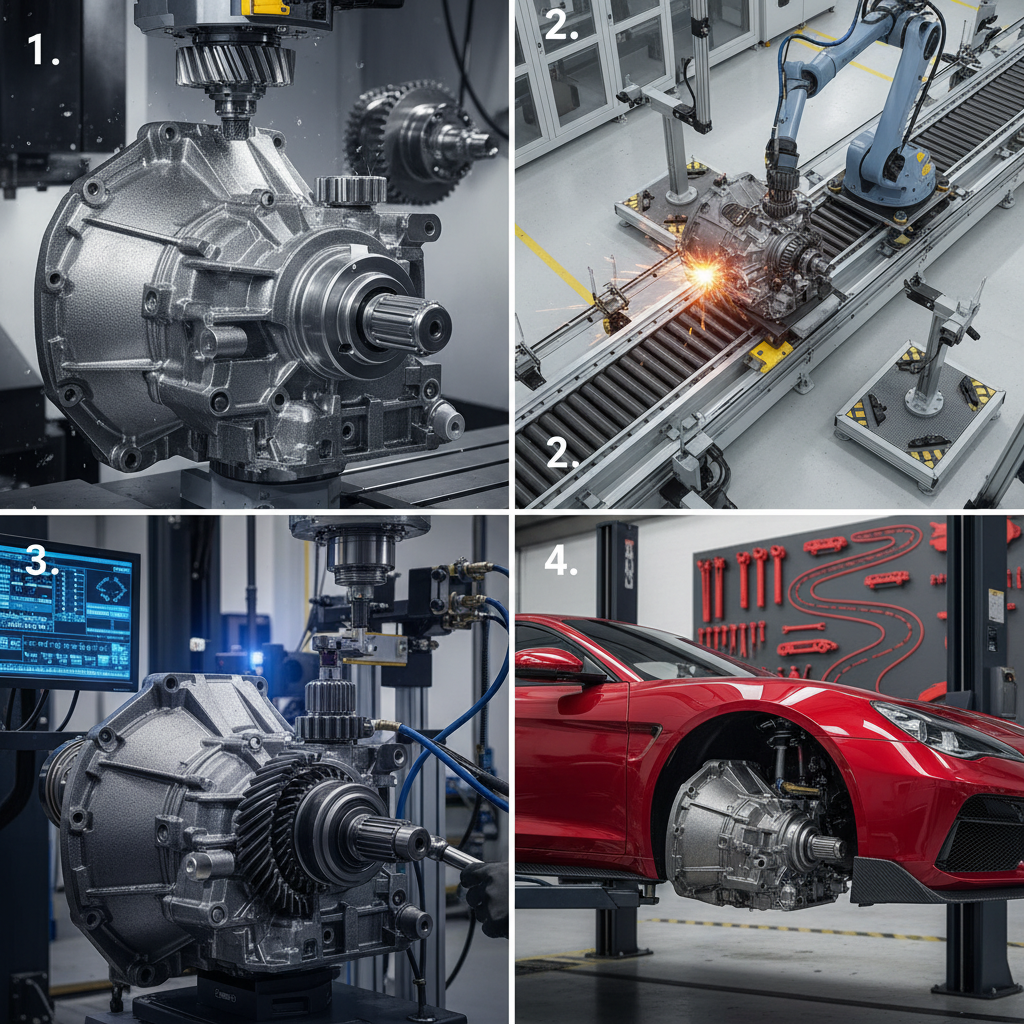
The automotive landscape is undergoing a seismic shift, where the demand for new car accessories has evolved from simple aesthetic upgrades to critical functional enhancements. As vehicles become more complex—integrating advanced electronics and sustainable materials—the accessories that support them must meet rigorous industrial standards to ensure safety and longevity.
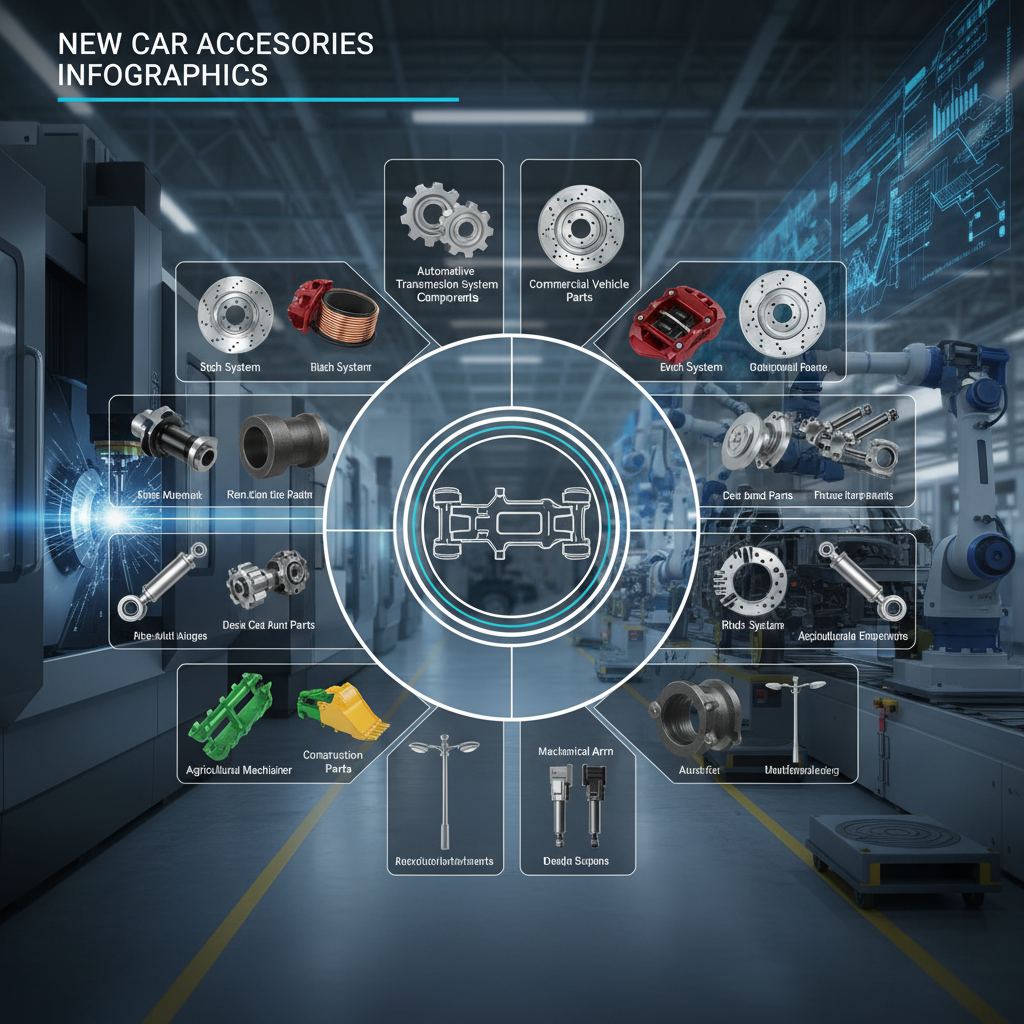
Globally, the integration of high-quality aftermarket components is no longer just about personalization; it is about optimizing vehicle performance and extending the lifecycle of the chassis and powertrain. From ductile iron components to precision-engineered brake systems, the right accessories can significantly reduce operational costs and improve the overall reliability of both passenger and commercial vehicles.
Understanding the technical nuances of new car accessories allows fleet managers and individual owners to make informed decisions that balance cost-efficiency with uncompromising safety. This guide explores the intersection of material science and automotive utility, providing a comprehensive look at how modern accessories are shaping the future of mobility.
Global Market Context of New Car Accessories
The global market for new car accessories is currently driven by a dual demand for luxury and industrial resilience. According to industry trends aligned with ISO quality standards, there is a marked increase in the adoption of precision-cast components that offer better thermal stability and wear resistance than traditional mass-produced parts.
This surge is particularly evident in emerging economies where the proliferation of commercial vehicle fleets requires accessories that can withstand extreme environmental stressors. The challenge lies in bridging the gap between affordable pricing and the high-tensile strength required for critical transmission and brake system components.
Defining High-Performance New Car Accessories
In professional terms, new car accessories encompass a wide spectrum of add-ons, ranging from interior comfort modules to heavy-duty mechanical components. While consumers often think of "accessories" as cosmetic, in the manufacturing sector, this includes critical ductile iron parts, upgraded brake assemblies, and specialized transmission components that enhance a vehicle's original factory specifications.
Modern industry defines these components by their ability to integrate seamlessly with the Original Equipment Manufacturer (OEM) systems. The goal is to provide a "plug-and-play" experience that does not compromise the vehicle's structural integrity or safety certifications, ensuring that every added part contributes to a more efficient operational cycle.
From a humanitarian and safety perspective, high-performance accessories are essential for vehicles operating in disaster-prone or remote areas. By upgrading standard parts to reinforced versions, vehicles can carry heavier loads and operate in harsher terrains, which is vital for emergency response and rural infrastructure development.
Core Engineering Factors for Durability
When evaluating new car accessories, the first priority is material integrity. The use of ductile iron and high-grade alloys ensures that parts can withstand immense pressure and vibration, which is critical for components located in the transmission or brake systems.
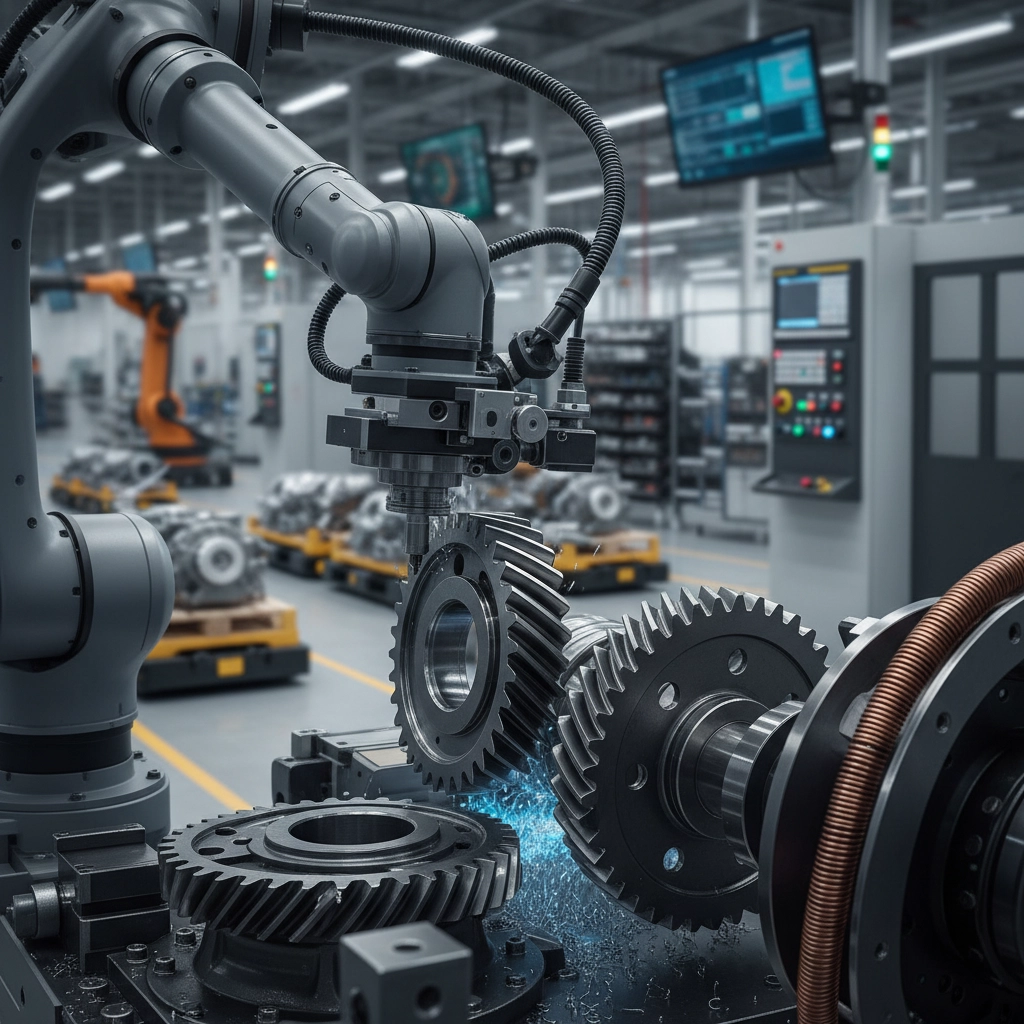
Precision engineering is the second pillar; the tolerance levels of these accessories must be microscopic to avoid premature wear. By utilizing advanced casting and CNC machining, new car accessories can achieve a level of fit and finish that rivals or exceeds factory standards, reducing friction and increasing fuel efficiency.
Finally, corrosion resistance plays a pivotal role, especially for vehicles operating in coastal or industrial zones. The application of specialized coatings and heat treatments ensures that the accessories remain structurally sound despite exposure to road salts, moisture, and chemical pollutants.
Practical Applications Across Global Industries
The deployment of new car accessories extends far beyond the average commuter vehicle. In the construction and municipal engineering sectors, heavy-duty modifications are essential for machinery that operates in high-stress environments, such as road-building equipment and waste management vehicles.
For instance, in remote industrial zones in Southeast Asia or Sub-Saharan Africa, upgraded brake and transmission accessories are critical for vehicles navigating unpaved, steep terrains. These enhancements prevent mechanical failure in areas where professional repair shops are scarce, thereby ensuring the continuity of supply chains and essential services.
Performance Impact of New Car Accessories
Tangible Advantages and Long-Term Value
The primary advantage of investing in high-quality new car accessories is the drastic reduction in total cost of ownership (TCO). While premium accessories may have a higher initial price point, their extended lifespan and reduced need for frequent replacements create a logical financial win for fleet operators and individual owners alike.
Beyond the economics, there is a profound emotional value tied to safety and trust. Knowing that a vehicle's brake system or transmission is reinforced with industry-leading components provides drivers with peace of mind, especially during long-haul transport or in hazardous weather conditions. This reliability fosters a culture of innovation where vehicles can be pushed to their limits safely.
Future Trends in Automotive Accessory Innovation
The future of new car accessories is inextricably linked to the rise of electric vehicles (EVs) and autonomous driving. As powertrains shift from internal combustion to electric, accessories are evolving to include advanced thermal management systems and lightweight alloy components that maximize battery range without sacrificing structural strength.
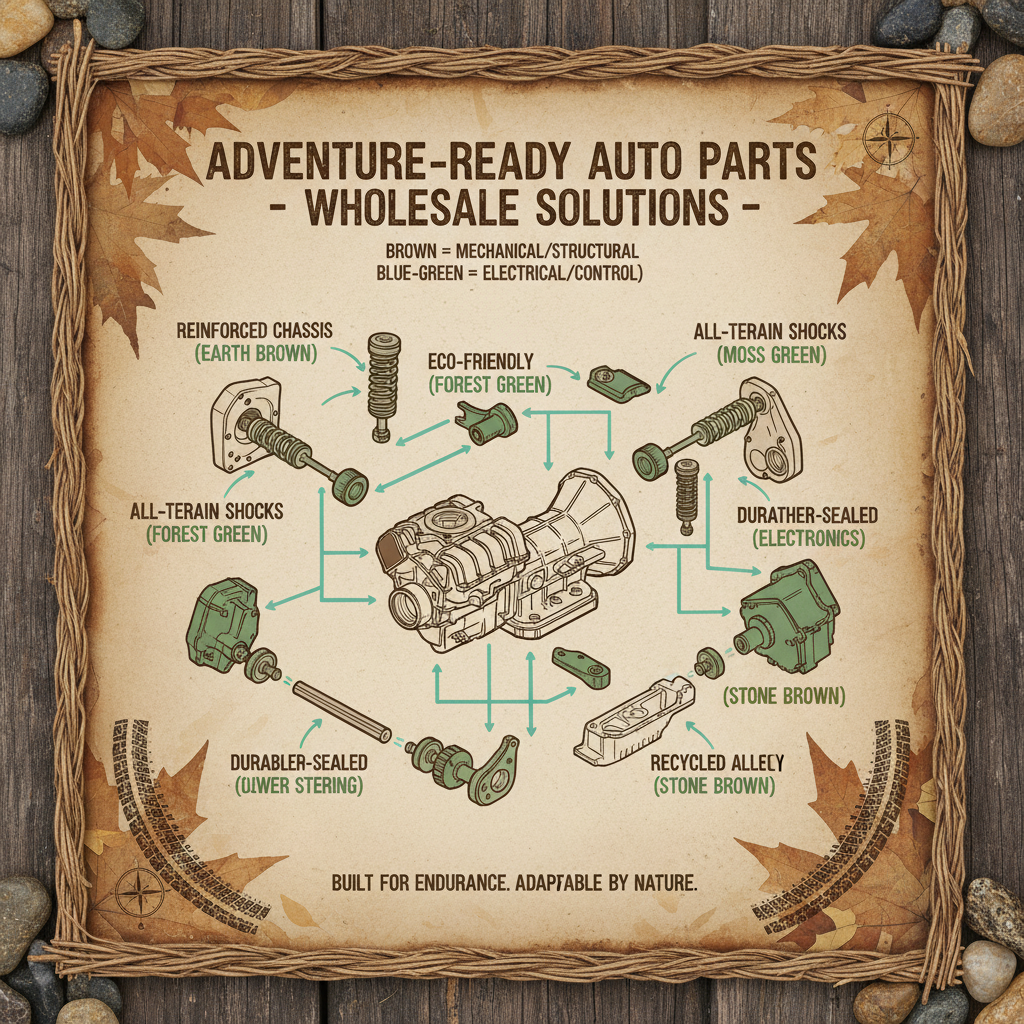
Sustainability is also becoming a core driver. We are seeing a transition toward "green casting" and the use of recycled high-grade metals in the production of accessories. This shift not only reduces the carbon footprint of the manufacturing process but also aligns with global environmental policies and consumer demand for eco-friendly transportation.
Furthermore, the integration of smart sensors into mechanical accessories is on the horizon. Imagine a brake component that can self-diagnose wear and tear and alert the driver via a digital dashboard—transforming static new car accessories into active participants in vehicle health monitoring.
Overcoming Technical Challenges in Implementation
One of the most persistent challenges in the industry is the compatibility gap between generic new car accessories and specific vehicle models. To solve this, manufacturers are increasingly adopting 3D scanning and digital twin technology to create perfectly mirrored components that ensure a precise fit.
Another limitation is the balance between weight and strength. In the pursuit of fuel efficiency, there is a tendency to reduce mass, which can lead to structural failure under heavy loads. The solution lies in the use of advanced ductile iron and composite materials that provide the strength of steel with a fraction of the weight.
Finally, the global supply chain for raw materials can be volatile. To maintain consistency, leading providers are diversifying their sourcing and implementing rigorous quality control protocols at every stage of production, ensuring that the end-user receives a product that meets international safety standards.
Comparative Analysis of Accessory Material Performance
| Material Type |
Wear Resistance |
Thermal Stability |
Cost-to-Life Ratio |
| Standard Cast Iron |
Moderate |
Medium |
Low |
| Ductile Iron (Premium) |
Very High |
High |
Very High |
| Forged Steel |
High |
High |
Moderate |
| Aluminum Alloy |
Low |
Moderate |
Moderate |
| Carbon Composites |
High |
Very High |
Low (High Cost) |
| Tungsten Carbide |
Extreme |
Extreme |
Moderate |
FAQS
The best way to ensure compatibility is to check the OEM part numbers and verify that the accessories are designed for your specific chassis and engine configuration. Professional suppliers usually provide compatibility charts or digital catalogs. We recommend consulting a certified technician to confirm that the accessory won't interfere with existing safety systems or void your warranty.
Yes, in many cases, ductile iron is superior because it combines the strength of steel with better ductility and impact resistance. This means the part is less likely to crack under sudden stress or extreme temperature fluctuations, making it an ideal choice for high-load transmission components and brake system parts where reliability is non-negotiable.
It depends on the accessory. High-quality, precision-engineered accessories—especially those that reduce friction in the drivetrain or lower the vehicle's unsprung weight—can actually improve fuel efficiency. However, poorly designed, oversized, or excessively heavy additions may increase drag or load, slightly reducing your MPG.
Premium accessories, particularly those made from reinforced ductile iron or high-grade alloys, are often designed to exceed OEM lifespans. While OEM parts are built for the "average" user, premium accessories are often engineered for "extreme" use, potentially doubling the replacement interval in high-stress commercial applications.
As long as each component meets the same quality standards (such as ISO or SAE) and is properly fitted, mixing brands is generally safe. The critical factor is the synchronization of the parts—for example, ensuring that upgraded brake pads are paired with compatible rotors to avoid uneven wear or brake fade.
Fleet managers should partner with manufacturers who provide full documentation, including material certificates and customs declarations. Using a reputable logistics partner who understands automotive tariffs and safety regulations ensures a smooth import process and guarantees that the parts arrive in optimal condition.
Conclusion
The strategic integration of new car accessories represents a critical intersection of safety, efficiency, and longevity. By prioritizing material science—specifically the use of ductile iron and precision casting—vehicle owners can transform their transportation from a standard utility into a high-performance asset. From reducing operational costs in commercial fleets to enhancing the safety of passenger vehicles, the value of quality accessories is evident in every kilometer driven.
Looking ahead, the transition toward electric mobility and sustainable manufacturing will only increase the importance of specialized accessories. We encourage fleet managers and enthusiasts to move beyond cosmetic upgrades and invest in the mechanical foundations of their vehicles. For those seeking industrial-grade precision and uncompromising durability in automotive components, we invite you to explore our professional solutions. Visit our website: www.kaihuacasting.com