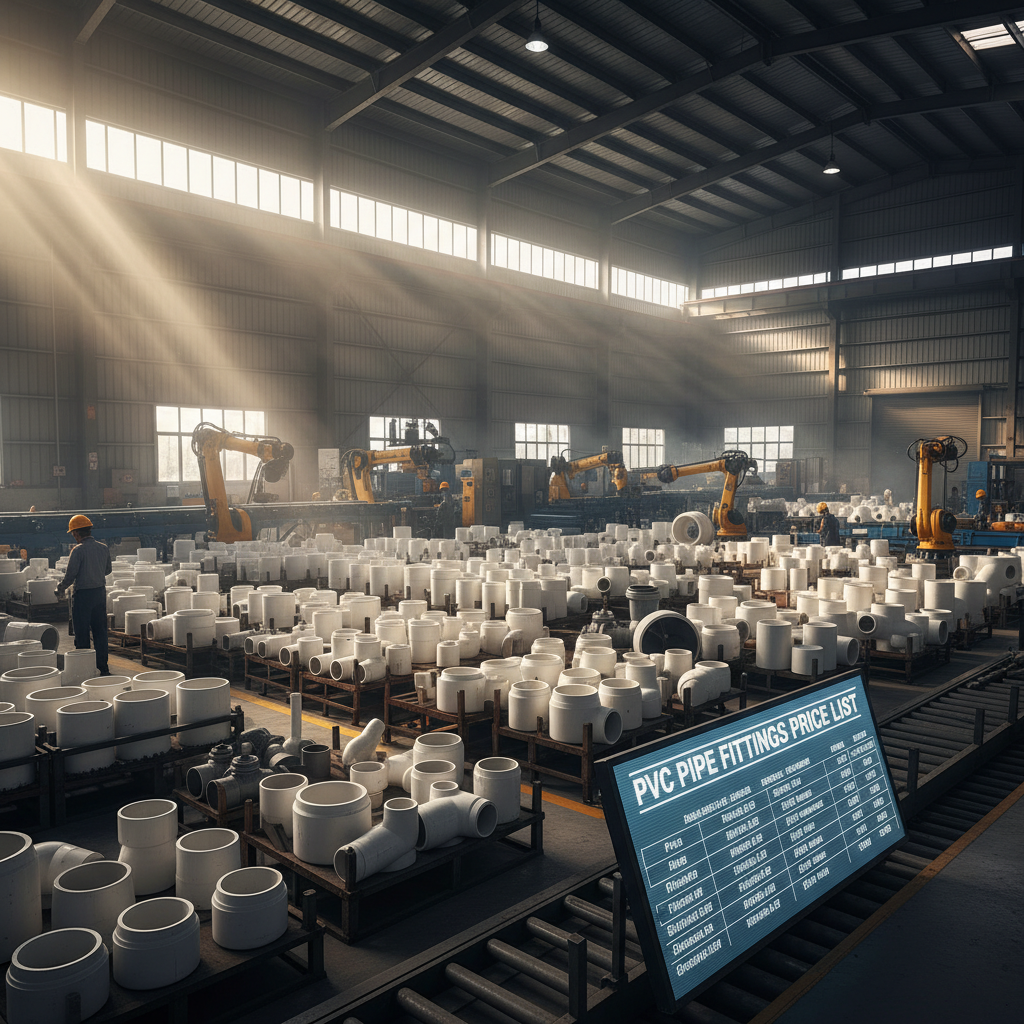
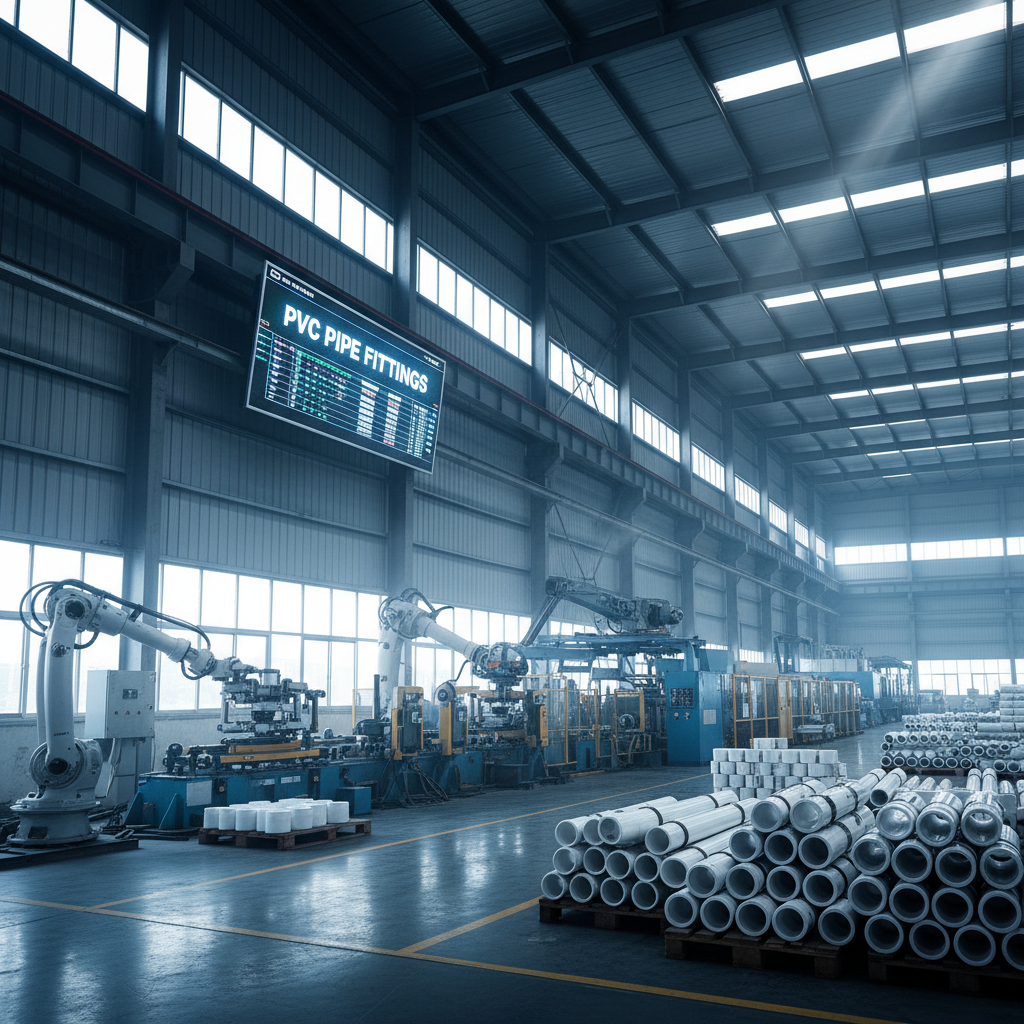
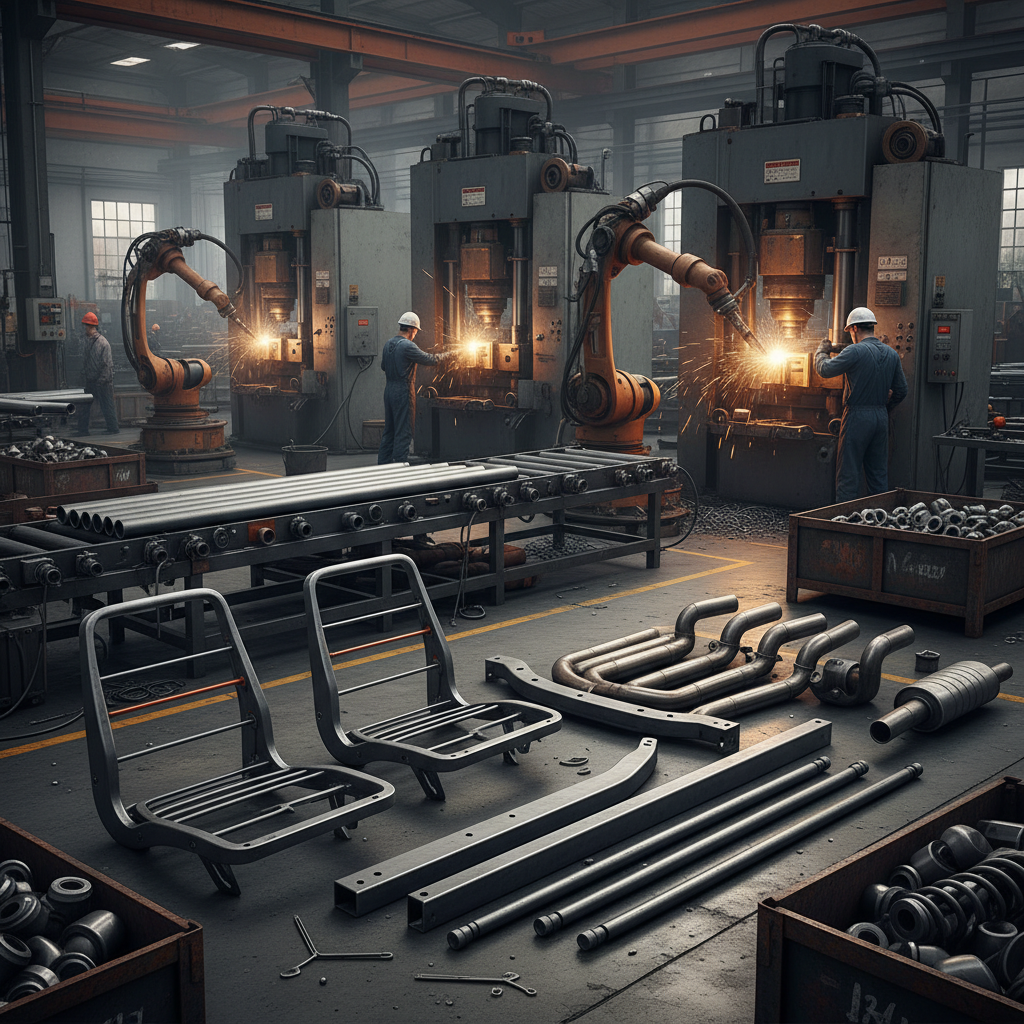
Understanding pipe fittings price is crucial in a multitude of industries, from construction and oil & gas to plumbing and manufacturing. Accurate pricing impacts project budgets, profitability, and overall economic viability. Globally, the demand for robust and cost-effective piping systems is ever-increasing, driven by infrastructure development, urbanization, and the need for efficient resource management. Managing pipe fittings price effectively ensures projects remain on schedule and within financial constraints.
The fluctuations in pipe fittings price are influenced by several factors including raw material costs (steel, iron, PVC, etc.), manufacturing processes, supply chain dynamics, transportation expenses, and geopolitical events. A comprehensive understanding of these variables allows businesses and individuals to make informed purchasing decisions. Accurate price assessment minimizes risk and maximizes return on investment in vital infrastructure projects.
The impact of efficient pipe fittings price management extends beyond immediate cost savings. It contributes to sustainable development by enabling optimized resource allocation, promoting responsible sourcing, and fostering fair trade practices. The ability to secure competitive pricing is a key determinant of success in a globalized market, impacting the competitiveness of entire industries.
The Global Significance of pipe fittings price
The global pipe fittings market is a multi-billion dollar industry, intrinsically linked to overall economic growth and infrastructure development. According to a recent report by the World Bank, investments in water and sanitation infrastructure require careful cost analysis, with pipe fittings representing a significant expenditure. Understanding the nuances of pipe fittings price is therefore paramount for effective project planning and execution across diverse sectors.
The UN’s Sustainable Development Goals (SDGs), particularly SDG 6 (Clean Water and Sanitation), rely heavily on efficient and affordable piping systems. Correct pipe fittings price impacts the feasibility of implementing these goals in developing countries. Furthermore, international standards set by organizations like ISO dictate quality requirements, influencing both manufacturing costs and ultimate price points for end-users.
Defining pipe fittings price
pipe fittings price encompasses the total cost associated with acquiring pipe fittings, including the component itself, transportation, taxes, and any associated installation fees. It's not merely a sticker price; it's a comprehensive evaluation of value considering material type, size, pressure rating, and manufacturing standards. Variations in pipe fittings price are often driven by these core attributes.
In the context of modern industry, understanding pipe fittings price is essential for supply chain management, procurement strategies, and project cost estimation. Within humanitarian needs, accurate pricing allows organizations to maximize the impact of aid funds, providing essential resources like clean water and sanitation to communities in need.
Effective price analysis is also intrinsically linked to risk management. Fluctuations in raw material prices, geopolitical instabilities, and unexpected tariffs can significantly affect the final cost of pipe fittings. Proactive monitoring and strategic sourcing are, therefore, essential components of successful project execution.
Key Components Influencing pipe fittings price
Material Composition: The material used in manufacturing (stainless steel, carbon steel, PVC, CPVC, PEX, etc.) drastically affects the pipe fittings price. Stainless steel typically commands a higher price due to its corrosion resistance and durability.
Manufacturing Process: Complex manufacturing processes, such as forging or specialized welding techniques, will elevate the pipe fittings price compared to simpler methods like casting or extrusion. Quality control procedures also contribute to overall costs.
Size and Pressure Rating: Larger diameter fittings and those rated for higher pressures generally carry a higher price tag due to increased material requirements and more stringent manufacturing standards.
Standards and Certifications: Fittings that comply with industry standards (ANSI, ASME, DIN, etc.) and possess relevant certifications (e.g., NSF, WRAS) will often be priced higher, reflecting the costs associated with testing and compliance.
Supplier and Geographic Location: Supplier reputation, brand recognition, and geographic location influence pipe fittings price. Importing fittings can incur additional costs related to shipping, duties, and tariffs.
Market Demand and Supply: Basic economic principles apply; high demand coupled with limited supply will drive prices up, while excess supply may lead to price reductions.
Factors Driving pipe fittings price Variation
Fluctuations in the price of raw materials, particularly steel and various plastics, are primary drivers of pipe fittings price volatility. Geopolitical events and trade disputes can disrupt supply chains and lead to significant price increases.
Energy costs are a substantial component of the manufacturing process, so increases in energy prices translate directly into higher production costs, which are then reflected in the pipe fittings price. Labor costs and transportation expenses also contribute to price variations, especially when sourcing fittings from different regions.
pipe fittings price Influencing Factors
Global Applications of pipe fittings price Analysis
In the oil and gas industry, where high-pressure and corrosion-resistant fittings are essential, meticulous pipe fittings price analysis is vital to maintain project profitability. In post-disaster relief operations, ensuring affordable and readily available pipe fittings is crucial for restoring water and sanitation systems to affected communities.
The construction industry relies heavily on optimizing pipe fittings price to manage project budgets effectively. Furthermore, in remote industrial zones, where transportation costs are significant, astute price negotiation can drastically reduce overall project expenses. Municipal water treatment plants also depend on competitive pricing to ensure the long-term sustainability of their infrastructure.
Advantages of Optimized pipe fittings price
Optimizing pipe fittings price translates directly into cost savings for projects, allowing for better allocation of resources and increased profitability. A strategic approach to pricing also reduces financial risk by mitigating the impact of unforeseen market fluctuations.
Sustainable sourcing practices, often enabled by competitive pricing, promote environmental responsibility and contribute to a greener supply chain. Reliable suppliers offering consistent quality at competitive prices build trust and foster long-term partnerships.
Effective pipe fittings price management enhances overall project efficiency, ensuring timely completion and minimizing delays. Furthermore, it improves the safety and reliability of piping systems by enabling the selection of high-quality components that meet stringent industry standards.
Future Trends in pipe fittings price
The increasing adoption of smart manufacturing technologies, such as 3D printing and automated production processes, is expected to influence pipe fittings price by reducing labor costs and minimizing material waste. The development of new materials, including advanced polymers and composite materials, will offer alternative options with varying price points and performance characteristics.
Growing demand for sustainable and eco-friendly products will drive innovation in biodegradable and recyclable pipe fittings, potentially impacting their price compared to traditional materials. Digitalization of supply chains, including blockchain technology, will enhance price transparency and improve traceability, enabling better cost control.
Increased focus on circular economy principles, promoting reuse and refurbishment of pipe fittings, will create new market opportunities and potentially lower overall costs. The integration of AI-powered price forecasting tools will enable businesses to anticipate market trends and optimize their procurement strategies, leading to better pipe fittings price management.
Analyzing Current Market Trends in Pipe Fittings Pricing
| Material Type |
Price Volatility (1-10) |
Long-Term Cost Trend |
Sustainability Impact |
| Stainless Steel |
7 |
Increasing |
Moderate |
| Carbon Steel |
8 |
Stable |
Low |
| PVC |
6 |
Decreasing |
Moderate |
| CPVC |
7 |
Stable |
Moderate |
| PEX |
5 |
Increasing |
High |
| Copper |
9 |
Increasing |
Moderate |
FAQS
Several key factors drive pipe fittings price, including the type of material used (steel, PVC, etc.), manufacturing processes, size and pressure ratings, adherence to industry standards, supplier margins, and prevailing market demand. Raw material costs are particularly volatile and contribute significantly to price fluctuations. Additionally, transportation costs and geopolitical factors can play a role.
To minimize costs, consider bulk purchasing to leverage volume discounts, explore alternative materials with comparable performance, negotiate pricing with multiple suppliers, and optimize your supply chain logistics. Regularly review market trends to identify potential price fluctuations and plan purchases accordingly. A thorough understanding of your project's requirements is crucial to avoid overspending on unnecessary features.
Certifications like NSF, WRAS, and compliance with standards like ANSI or ASME often increase pipe fittings price. However, these certifications guarantee quality, safety, and adherence to industry regulations, reducing long-term risks. Choosing certified fittings can prevent costly repairs or failures down the line and ensure project compliance.
Transportation costs can represent a substantial portion of the final pipe fittings price, particularly for international shipments. Factors like distance, fuel prices, shipping methods, and customs duties all contribute to these expenses. Sourcing from local suppliers or consolidating shipments can help minimize transportation costs and improve overall affordability.
Yes, increasingly sustainable alternatives like recycled materials or bio-based plastics are emerging in the pipe fittings market. While these options might sometimes have a slightly higher initial price, they offer long-term environmental benefits and can contribute to a more circular economy. Life cycle cost analysis is vital when evaluating sustainable options.
3D printing (additive manufacturing) has the potential to revolutionize pipe fittings price by reducing material waste, enabling on-demand production, and facilitating customized designs. While currently more expensive for large-scale production, 3D printing is becoming increasingly cost-effective for specialized fittings and low-volume orders, ultimately driving down overall costs.
Conclusion
Understanding pipe fittings price is paramount for successful project management across diverse industries. By carefully considering material selection, manufacturing processes, market trends, and logistical factors, stakeholders can optimize costs, enhance sustainability, and ensure project profitability. A proactive approach to price analysis mitigates risk and promotes responsible resource allocation.
Looking ahead, embracing innovative technologies, promoting circular economy principles, and fostering transparent supply chains will be crucial for maintaining competitive pricing and driving long-term value. For expert guidance and a wide selection of pipe fittings at competitive prices, visit our website at pipe fittings price.