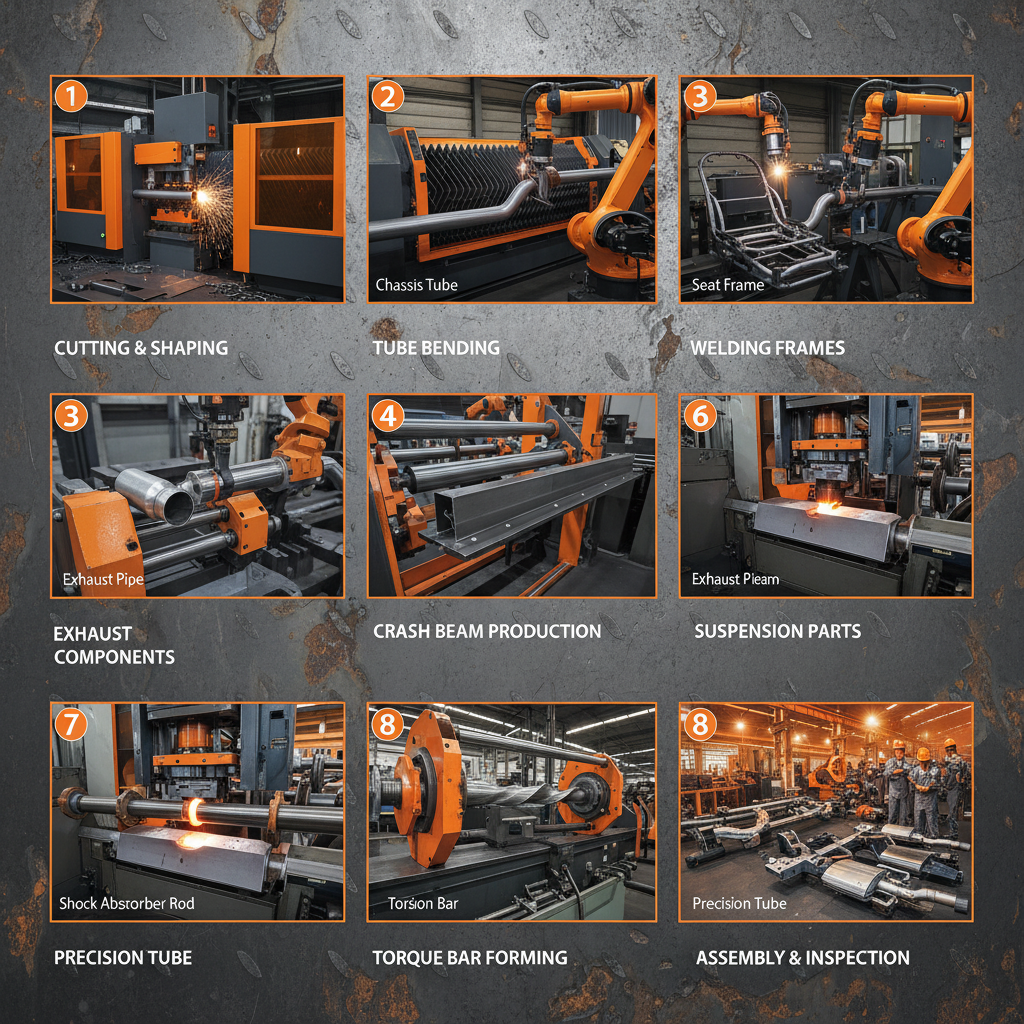
Custom truck parts are increasingly vital components in a globalized economy reliant on efficient and specialized transportation. From bolstering supply chains to enabling specialized services, these components are integral to modern logistics and infrastructure. Understanding the nuances of their design, manufacturing, and application is critical for businesses and industries worldwide.
The demand for custom truck parts isn't merely about replacing worn components; it's about optimizing performance, enhancing safety, and catering to unique operational needs. This surge in demand is fueled by factors like evolving emissions standards, the growing complexity of truck technology, and a need for increased vehicle lifespan, driving innovation and specialized manufacturing capabilities.
This focus on customization extends beyond purely functional improvements. Companies are leveraging custom truck parts to brand their fleets, improve driver comfort, and gain a competitive edge. The industry is experiencing a shift from mass-produced components to tailored solutions, demanding a greater understanding of material science, engineering, and manufacturing processes.
Introduction to Custom Truck Parts
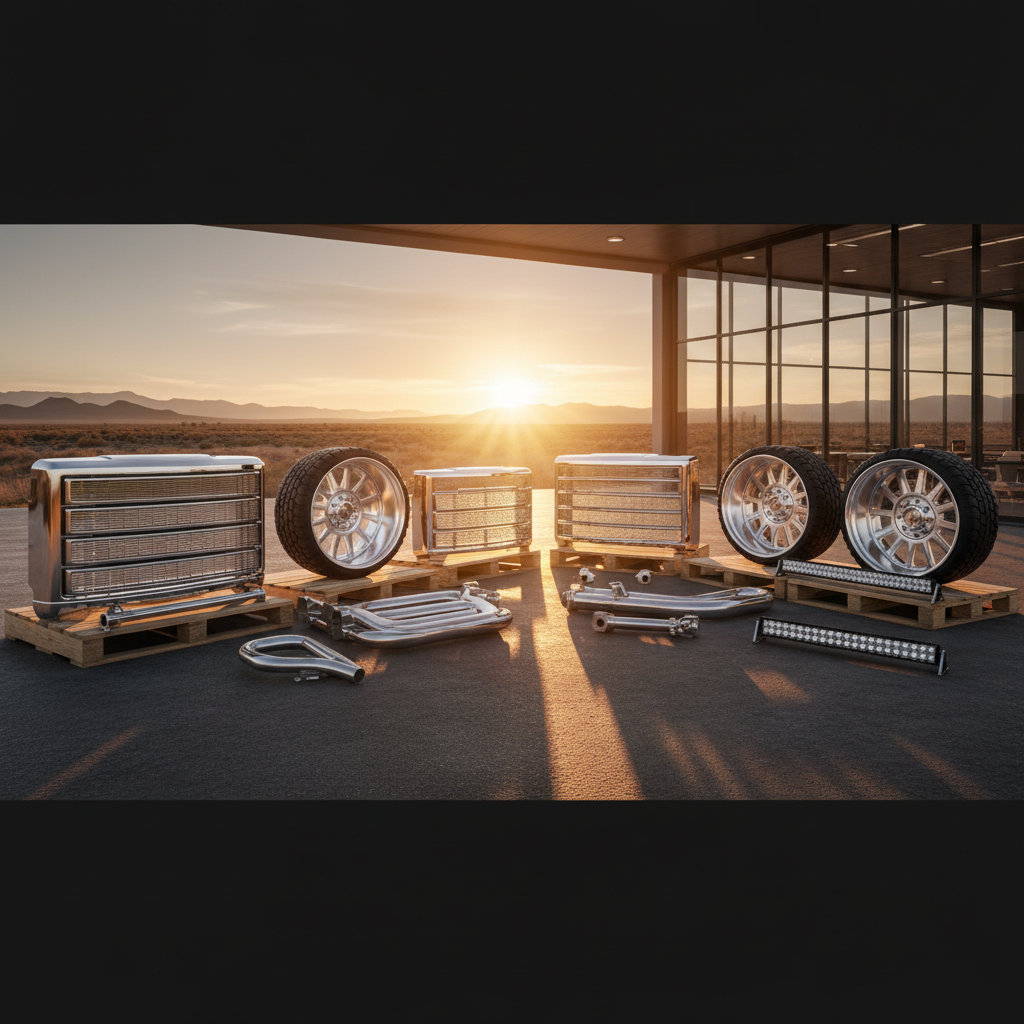
Custom truck parts are engineered components specifically designed and manufactured to meet the unique requirements of a particular truck or fleet. This contrasts with standard, off-the-shelf parts and requires a specialized manufacturing process often utilizing techniques like casting, forging, and precision machining, as seen in offerings from companies like custom truck parts manufacturers.
The development of custom truck parts involves collaboration between engineers, designers, and manufacturers to ensure optimal performance, durability, and integration with the existing vehicle systems. This collaborative approach fosters innovation and allows for the creation of parts tailored to specific applications, from heavy-duty hauling to specialized transportation needs.
The Global Significance of Custom Truck Parts
The global trucking industry is a cornerstone of international trade, transporting approximately 80% of all freight. According to UN statistics, the demand for road freight is expected to increase by over 40% by 2050, directly correlating with a growing need for specialized and robust truck components. This growth drives significant demand for custom truck parts to optimize efficiency and address increasingly complex logistical challenges.
The World Bank highlights the importance of efficient transportation networks for economic development, particularly in emerging markets. Custom truck parts play a critical role in enabling these networks by providing solutions for challenging terrains, varying load requirements, and specific regulatory standards. Investing in high-quality, custom-engineered parts ensures reliable transportation and reduces downtime, crucial for economic growth.
Furthermore, international standards like those set by the ISO (International Organization for Standardization) are pushing for greater safety and environmental responsibility in the trucking industry. Custom truck parts facilitate compliance with these standards by allowing manufacturers to incorporate advanced technologies and materials designed to reduce emissions and enhance safety features.
Defining Custom Truck Parts
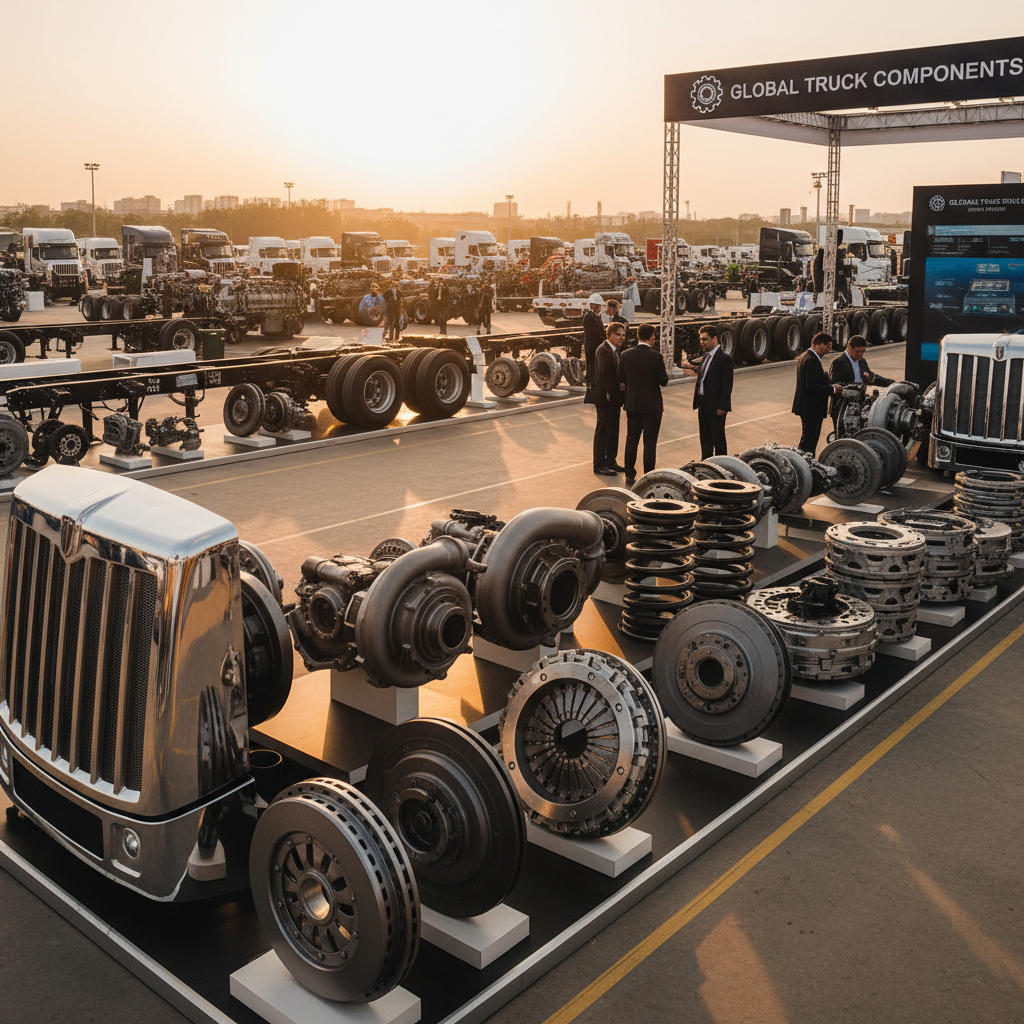
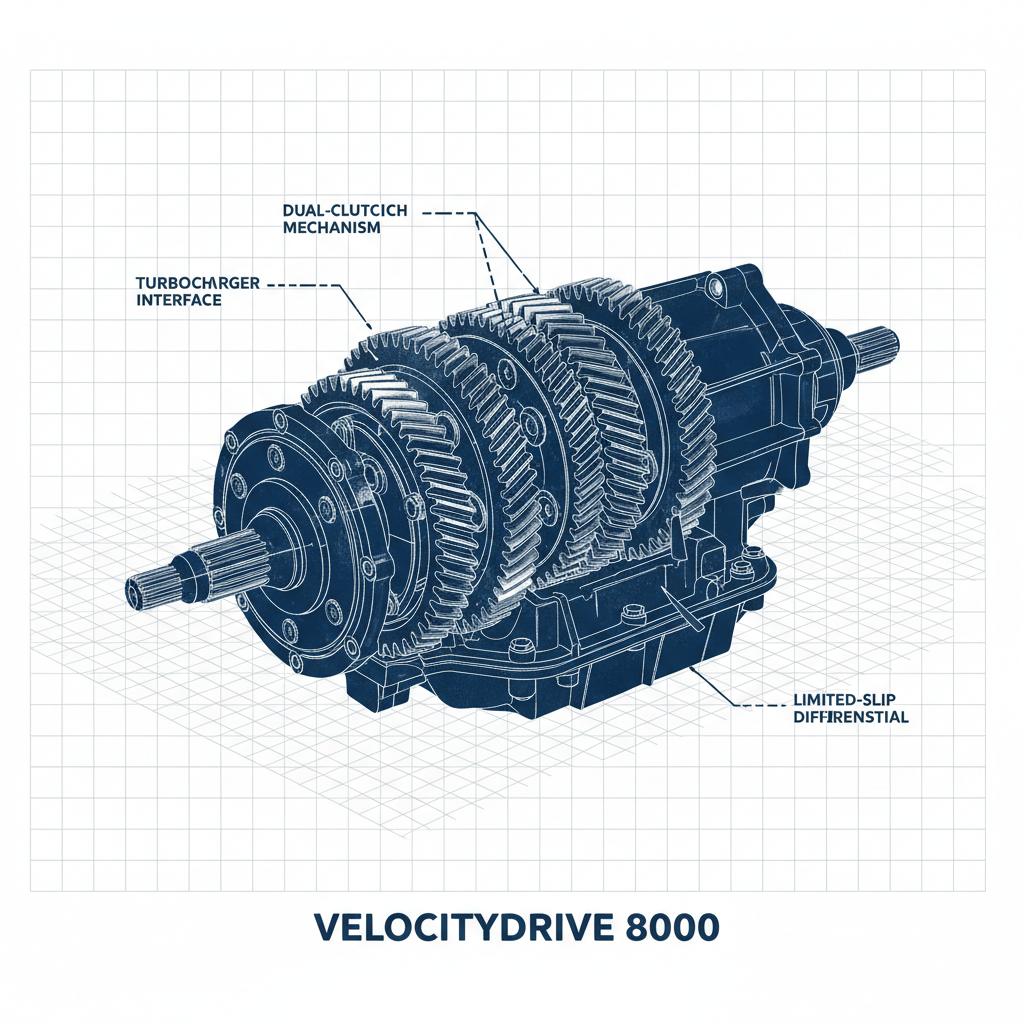
In essence, custom truck parts are components that deviate from standard, mass-produced offerings to fulfill a specific performance requirement or address a unique operational challenge. This encompasses a wide range of components, including engine parts, transmission components, suspension systems, and body panels.
The creation of these parts often involves reverse engineering, 3D modeling, and advanced manufacturing techniques. Unlike traditional parts that are designed for general applications, custom truck parts are meticulously engineered for a precise fit and function within a specific vehicle. This level of precision is vital for maximizing efficiency and minimizing wear and tear.
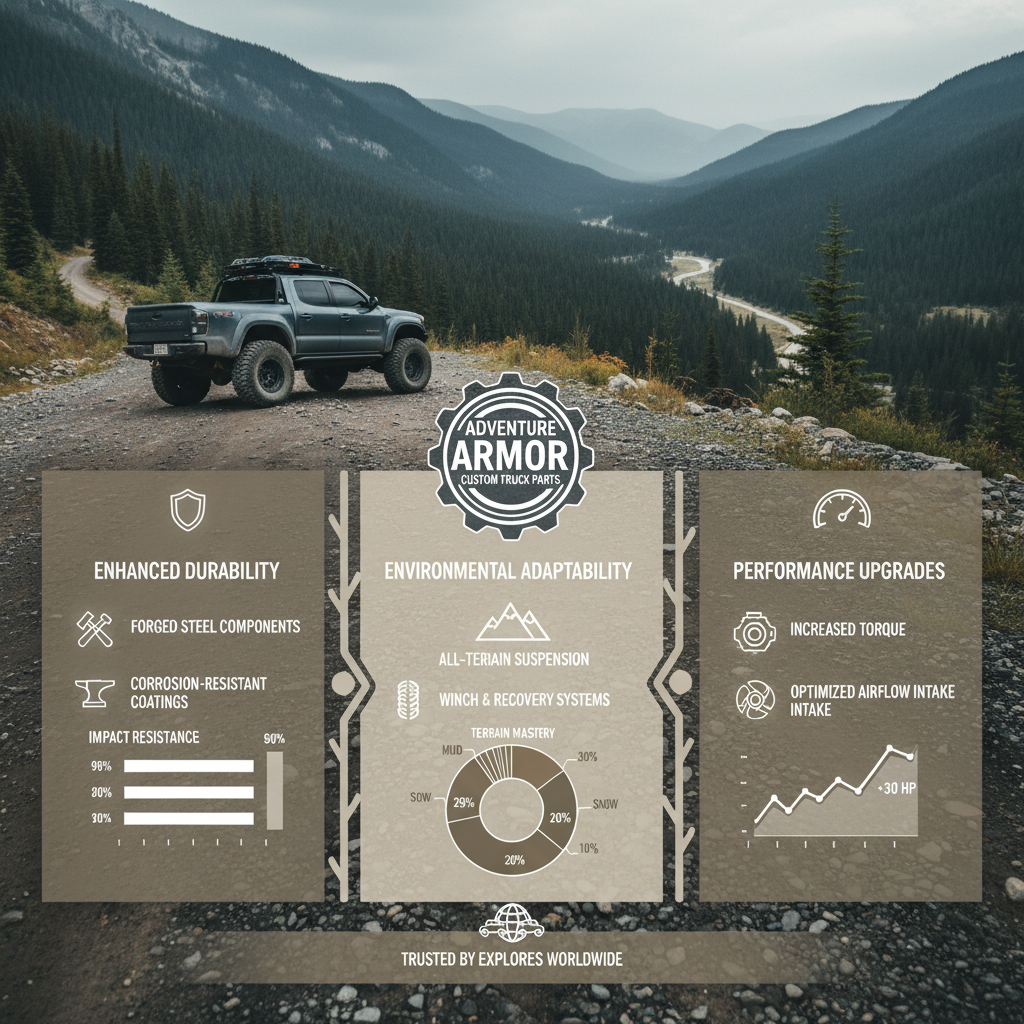
This approach connects directly to modern industrial needs and humanitarian efforts. In industries like mining or construction, trucks often operate in harsh environments, demanding highly durable and specialized components. Similarly, disaster relief organizations rely on custom truck parts to modify vehicles for navigating difficult terrain and delivering aid efficiently.
Key Factors in Custom Truck Part Manufacturing
Several key factors drive the success of custom truck part manufacturing. Durability is paramount, as truck components are subjected to significant stress and harsh operating conditions. Selecting appropriate materials and employing robust manufacturing processes are crucial for ensuring longevity and reliability.
Cost-efficiency is also a critical consideration. While custom parts may initially be more expensive than standard components, the long-term benefits of reduced downtime, improved fuel efficiency, and extended vehicle lifespan often outweigh the initial investment. custom truck parts suppliers often work closely with clients to optimize designs and materials for cost-effectiveness.
Custom Truck Parts – Key Performance Indicators
Global Applications and Use Cases
Custom truck parts are essential in various sectors. In the mining industry, trucks require heavily reinforced suspension components and specialized dump bodies to withstand extreme loads and abrasive materials. These parts are often engineered with high-strength steel alloys and protective coatings.
In remote industrial zones, like oil fields in Siberia or construction sites in the Australian Outback, custom truck parts are critical for maintaining vehicle uptime. The challenges of transporting parts to these locations necessitate durable, reliable components designed to withstand prolonged use and harsh conditions.
In post-disaster relief operations, custom truck parts can be used to modify trucks for navigating flooded roads, carrying specialized equipment, and transporting essential supplies to affected areas. The ability to rapidly adapt vehicles to changing needs is invaluable in emergency situations.
Advantages and Long-Term Value
The advantages of utilizing custom truck parts extend far beyond immediate performance gains. Reduced maintenance costs are a significant benefit, as custom-engineered parts are designed to minimize wear and tear. This translates to less downtime and increased productivity, ultimately improving a company’s bottom line.
Sustainability is also a key advantage. By optimizing part designs for efficiency and durability, custom truck parts contribute to reduced fuel consumption and lower emissions. This aligns with growing environmental concerns and regulatory pressures, enhancing a company’s corporate social responsibility.
Future Trends and Innovations
The future of custom truck parts is heavily influenced by several emerging trends. Additive manufacturing (3D printing) is revolutionizing the industry, enabling the creation of complex geometries and on-demand production of parts. This reduces lead times and allows for greater customization.
Digital transformation, encompassing technologies like IoT (Internet of Things) and AI (Artificial Intelligence), is playing an increasingly important role. Sensors embedded in truck components can collect real-time data on performance, allowing for predictive maintenance and optimized operation. Automation in the manufacturing process, coupled with sustainable materials will also shape the future.
FAQS
Lead times for custom truck parts can vary significantly depending on the complexity of the design, material availability, and manufacturing capacity. Generally, a simple modification may take 2-4 weeks, while a completely new part design and production can take 8-12 weeks. custom truck parts manufacturers often offer expedited services for urgent requirements, but these come at a premium.
Compatibility is ensured through a detailed design process involving accurate measurements, 3D modeling, and often, reverse engineering of existing components. Suppliers will typically request vehicle specifications, part numbers, and potentially physical samples to verify fit and function. Thorough testing and validation are crucial steps before final production.
Common materials include various grades of steel (carbon steel, alloy steel, stainless steel), aluminum alloys, cast iron, and specialized polymers. The choice of material depends on the specific application and performance requirements. High-stress components often utilize hardened steels, while weight-sensitive parts may employ aluminum alloys.
Reputable custom truck parts manufacturers implement rigorous quality control measures throughout the entire manufacturing process. These include material certification, dimensional inspections, non-destructive testing (NDT) such as radiography and ultrasonic testing, and final functional testing to ensure parts meet specified tolerances and performance criteria.
Absolutely. Custom truck parts can be designed with aerodynamics in mind, reducing drag and improving fuel economy. Weight optimization through the use of lightweight materials like aluminum is another key strategy. Furthermore, precision engineering can minimize friction and improve drivetrain efficiency, contributing to significant fuel savings.
The cost varies significantly based on complexity, materials, quantity, and manufacturing processes. Simple modifications might cost a few hundred dollars, while completely new part development and low-volume production can easily exceed several thousand dollars. Obtaining detailed quotes from multiple suppliers is essential for accurate budgeting.
Conclusion
Custom truck parts represent a critical element in the evolving landscape of global transportation and industrial operations. Their ability to address specific performance needs, enhance durability, and facilitate compliance with stringent regulations makes them invaluable assets for businesses across a wide range of sectors. By embracing innovation in materials, manufacturing processes, and design, companies can unlock significant long-term benefits.
Looking ahead, continued investment in research and development, coupled with the adoption of emerging technologies like additive manufacturing and AI-driven optimization, will further expand the capabilities and applications of custom truck parts. Ultimately, a commitment to quality, precision, and customer collaboration will be essential for driving progress and shaping the future of this dynamic industry. For tailored solutions and exceptional quality, explore the offerings at custom truck parts.