


Understanding Semi Truck Front Air Suspension Systems for Optimal Performance
Understanding Semi Truck Front Air Suspension Systems
The front suspension of a semi-truck plays a critical role in ride quality, handling, and cargo protection. Traditional leaf spring suspensions, while robust, can offer a harsh ride. This is where semi truck front air suspension systems come into play. These systems utilize air springs instead of steel leaves, providing a smoother, more comfortable ride, improved stability, and reduced stress on both the truck and its cargo. Choosing the right suspension system is vital for long-haul comfort and minimizing damage during transit. This article will explore the benefits, components, maintenance, and applications of air suspension systems for semi-trucks.
The Key Benefits of Semi Truck Front Air Suspension
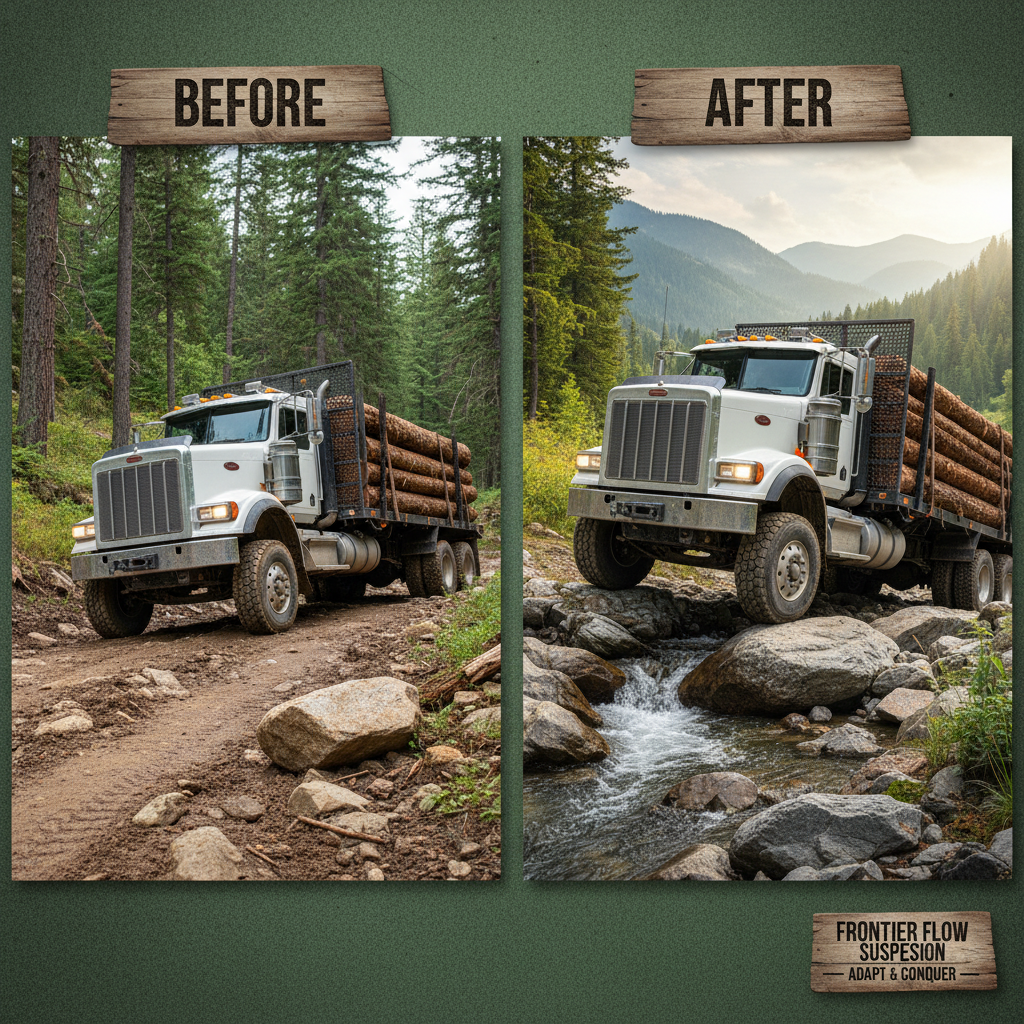
Switching to an air suspension system offers a multitude of advantages for trucking operations. The most prominent benefit is the drastically improved ride quality. Air springs absorb shocks and vibrations far more effectively than traditional leaf springs, minimizing driver fatigue and increasing overall comfort. This translates to improved driver retention and safer operation. Furthermore, air suspension reduces cargo damage by cushioning the load during transit. The ability to adjust ride height optimizes loading and unloading processes. Finally, air suspension systems often contribute to a longer lifespan for truck components by reducing stress and vibration.
Key Highlights: Improved ride quality, reduced cargo damage, increased driver comfort, adjustable ride height, and extended component life.
Components of a Semi Truck Front Air Suspension System
A typical semi truck front air suspension system consists of several key components. These include air springs (the core of the system, providing the cushioning), an air compressor (to maintain and adjust air pressure), height control valves (to regulate ride height), air lines (to distribute compressed air), shock absorbers (dampening control), and a leveling valve. Understanding how these components work together is crucial for proper maintenance and troubleshooting. The control system often includes a dashboard interface allowing the driver to adjust ride height for different loading conditions or road surfaces. The air compressor’s capacity is a critical factor, ensuring it can keep the system pressurized even under heavy loads and varying temperatures.
Essential Components:
• Air Springs
• Air Compressor
• Height Control Valves
• Air Lines
Air Suspension vs. Leaf Spring Suspension: A Direct Comparison
The choice between air suspension and traditional leaf spring suspension often comes down to application and budget. Leaf springs are generally more affordable and require less maintenance in some cases, but they offer a significantly harsher ride. Air suspension, while more expensive upfront, provides superior ride quality, cargo protection, and driver comfort. The table below details a direct comparison of the two systems:
Maintaining Your Semi Truck Front Air Suspension
Regular maintenance is critical for ensuring the longevity and optimal performance of your air suspension system. This includes routinely checking air lines for leaks, inspecting air springs for damage, and ensuring the air compressor is functioning correctly. Monitor the air pressure regularly and address any fluctuations promptly. Also, inspect the height control valves for proper operation. Kaihua Casting provides high-quality replacement parts for air suspension systems, ensuring reliable repairs and maintenance. Proactive maintenance prevents costly breakdowns and extends the life of the entire system.
Applications and Choosing the Right System
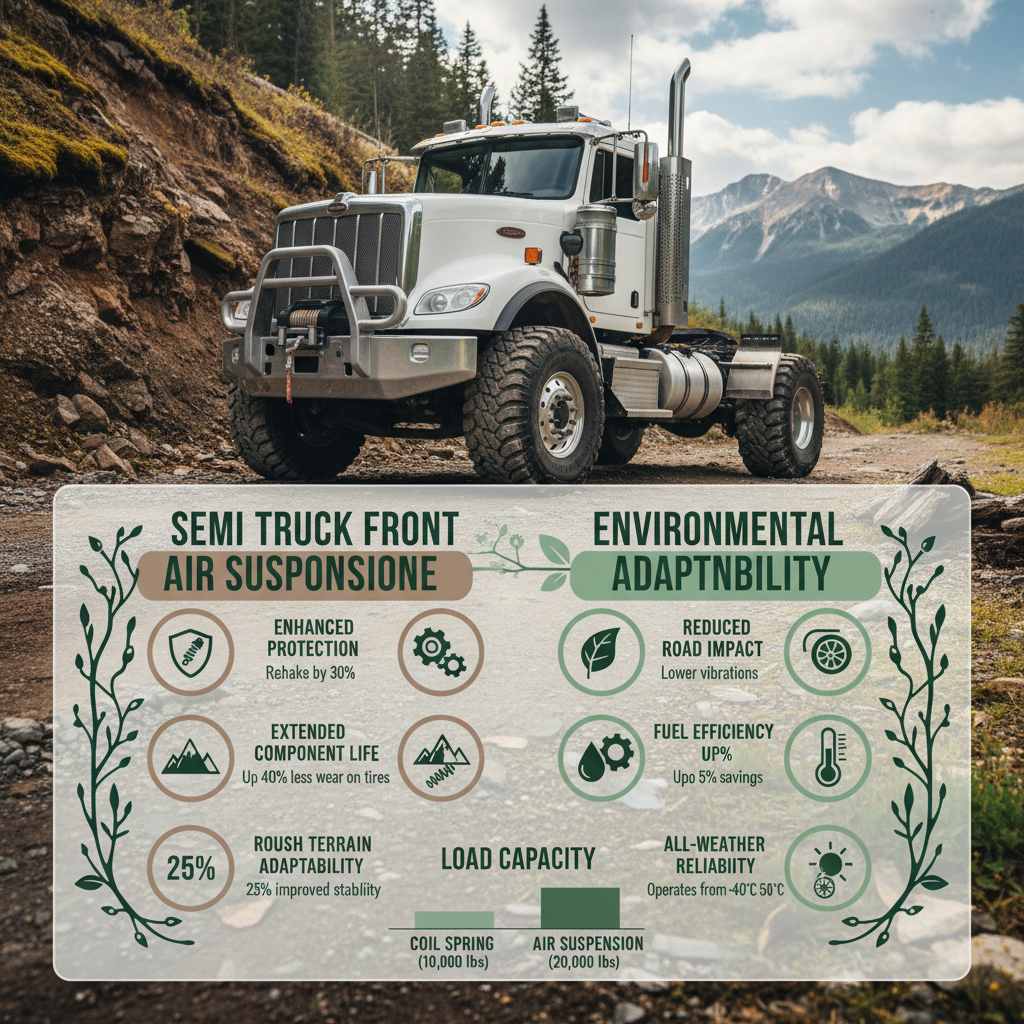
Semi truck front air suspension is ideal for a wide range of applications, including long-haul trucking, specialized freight transport (such as fragile goods), and vehicles operating in rough terrain. When choosing a system, consider the truck’s GVWR (Gross Vehicle Weight Rating), the type of cargo being hauled, and the typical road conditions. Kaihua Casting offers a range of air suspension components designed to meet the specific needs of various trucking applications. Consulting with a qualified suspension specialist can help you select the optimal system for your needs.
Conclusion: Investing in a Smoother, Safer Ride
Investing in a semi truck front air suspension system is a strategic decision that benefits both your drivers and your bottom line. By prioritizing ride quality, cargo protection, and driver comfort, you’re investing in a more efficient, safer, and sustainable trucking operation. Choose quality components and regular maintenance to maximize the benefits of this superior suspension technology.
Frequently Asked Questions (FAQs)
What is the typical cost of installing a semi truck front air suspension system?
The cost of installation can vary significantly depending on the truck model, the complexity of the system, and labor rates. Generally, you can expect to pay between $2,000 and $6,000 for parts and labor. More advanced systems with electronic controls and features will be at the higher end of this range. It’s crucial to obtain quotes from multiple reputable service providers to compare pricing. Consider that the upfront investment can be offset by reduced maintenance costs and decreased cargo damage claims over time. Investing in a quality system from a trusted supplier like Kaihua Casting can ensure a long-term return on investment.
How often should I inspect the air springs?
Air springs should be visually inspected at least every 6 months, or more frequently if the truck operates in harsh conditions. Look for signs of cracking, wear, or damage. Also, check for air leaks around the fittings and connections. A sagging or uneven ride height is a strong indication that an air spring may be failing. Regular inspections can prevent sudden failures that could compromise safety and lead to costly repairs. It is important to check all parts, not only the air springs, to prevent unnecessary risks.
Can air suspension be retrofitted to older trucks?
Yes, air suspension can often be retrofitted to older trucks, but it's not always a simple process. It requires careful consideration of the truck's chassis, suspension mounting points, and existing braking system. Some modifications may be necessary. It's highly recommended to consult with a qualified mechanic specializing in air suspension systems to determine the feasibility and cost of retrofitting your specific truck model. Kaihua Casting can assist in identifying compatible components for retrofit applications.
What are the signs of a failing air compressor?
Common signs of a failing air compressor include a noticeable drop in air pressure, longer than usual compressor run times, unusual noises coming from the compressor, and difficulty maintaining ride height. If you observe any of these symptoms, it's important to have the compressor inspected and potentially replaced to prevent further issues. A failing compressor can lead to a complete loss of air suspension functionality, compromising safety and ride quality.