


Understanding the Semi Truck Fifth Wheel for Safe and Efficient Transport
Understanding the Semi Truck Fifth Wheel: A Comprehensive Guide
The semi truck fifth wheel is a critical component connecting a tractor unit to a semi-trailer, facilitating safe and efficient transportation of goods. Understanding its function, types, maintenance, and selection is essential for anyone involved in the trucking industry. This article provides a detailed overview of this vital piece of equipment, covering everything from its basic mechanics to advanced features. Ensuring the correct fifth wheel is installed and maintained is paramount for both safety and operational efficiency. Kaihua Casting specializes in high-quality fifth wheel components for optimal performance and longevity.
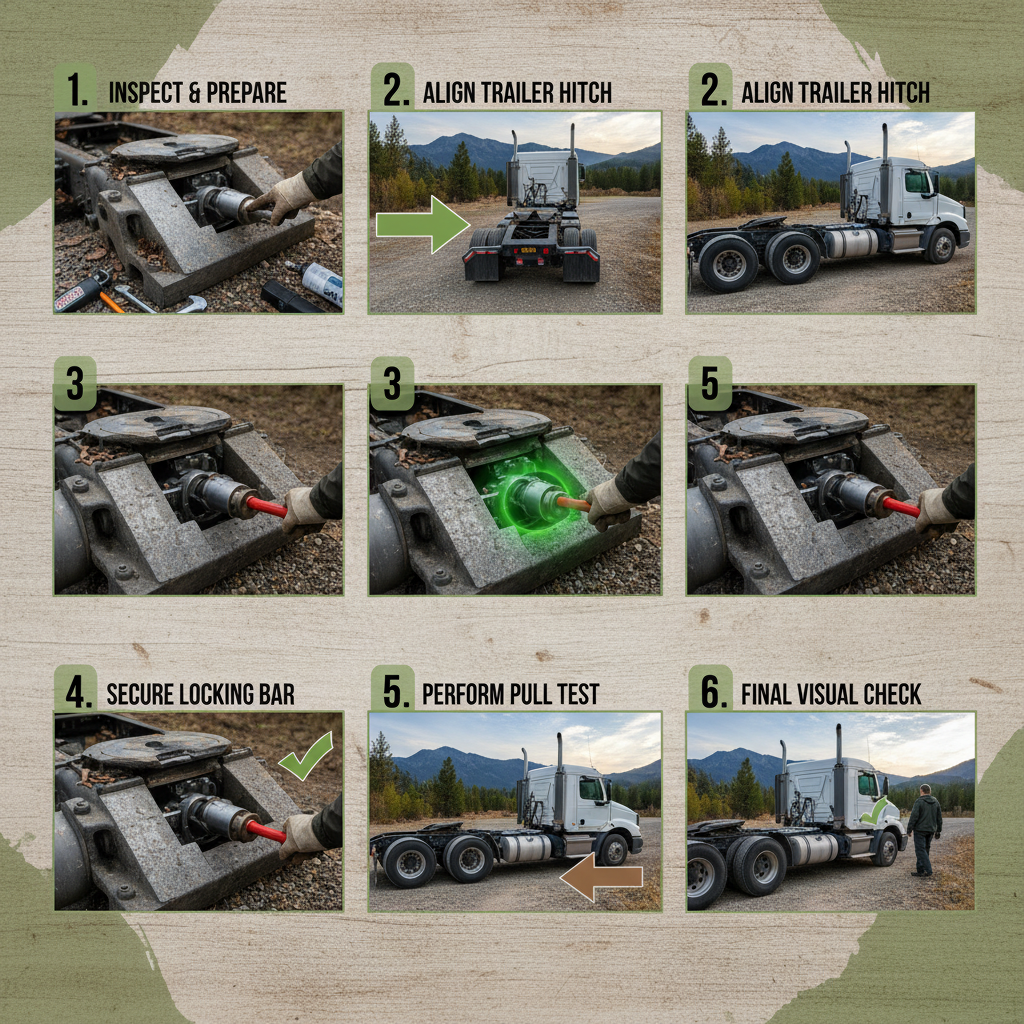
What is a Semi Truck Fifth Wheel?
Simply put, the fifth wheel is the coupling device that allows a semi-trailer to be securely attached to the tractor. It consists of a horseshoe-shaped plate (the fifth wheel plate) and a kingpin on the trailer. When the trailer is backed up to the tractor, the kingpin slots into the fifth wheel, locking the two units together. This connection transfers the weight of the trailer and cargo to the tractor, enabling safe towing. Modern fifth wheels are often equipped with locking mechanisms for enhanced security and automated lubrication systems for reduced wear and tear. A properly functioning fifth wheel is the cornerstone of any safe and efficient trucking operation.
Key Takeaway: The fifth wheel enables a secure and weight-bearing connection between the tractor and trailer, vital for safe transport.
Types of Semi Truck Fifth Wheels
Several types of fifth wheels cater to different trucking needs. The most common include:
- Fixed Fifth Wheels: These are permanently mounted and offer a robust, reliable connection.
- Sliding Fifth Wheels: Allow for adjustment of the trailer’s position, providing flexibility for different cargo configurations and weight distribution.
- Automatic Fifth Wheels: Feature automatic locking mechanisms for increased safety and ease of operation.
- Air Fifth Wheels: Utilize air pressure to control the locking and unlocking process, often integrated with the truck’s braking system.
The choice of fifth wheel depends on the type of cargo being transported, the distance traveled, and the operator's preferences. Kaihua Casting provides a wide range of fifth wheel options to meet these diverse needs.
Fifth Wheel Type Benefits:
• Fixed: High strength, simple design.
• Sliding: Versatility, improved weight distribution.
• Automatic: Enhanced safety, reduced manual effort.
• Air: Integrated braking, reliable operation.
Semi Truck Fifth Wheel Comparison
Choosing the right fifth wheel requires understanding the strengths and weaknesses of each type. Here’s a comparative overview:
Maintenance and Inspection of Your Fifth Wheel
Regular maintenance and inspection are crucial for ensuring the longevity and safety of your semi truck fifth wheel. Key areas to focus on include:
- Lubrication: Regularly lubricate the fifth wheel to reduce friction and wear.
- Inspection for Cracks or Damage: Inspect the plate and locking mechanisms for any signs of cracks, wear, or damage.
- Kingpin Inspection: Check the trailer’s kingpin for wear or damage.
- Locking Mechanism Testing: Ensure the locking mechanism functions correctly.
Ignoring maintenance can lead to costly repairs and, more importantly, potentially dangerous situations. Kaihua Casting offers high-quality replacement parts and expert advice to keep your fifth wheel in optimal condition.
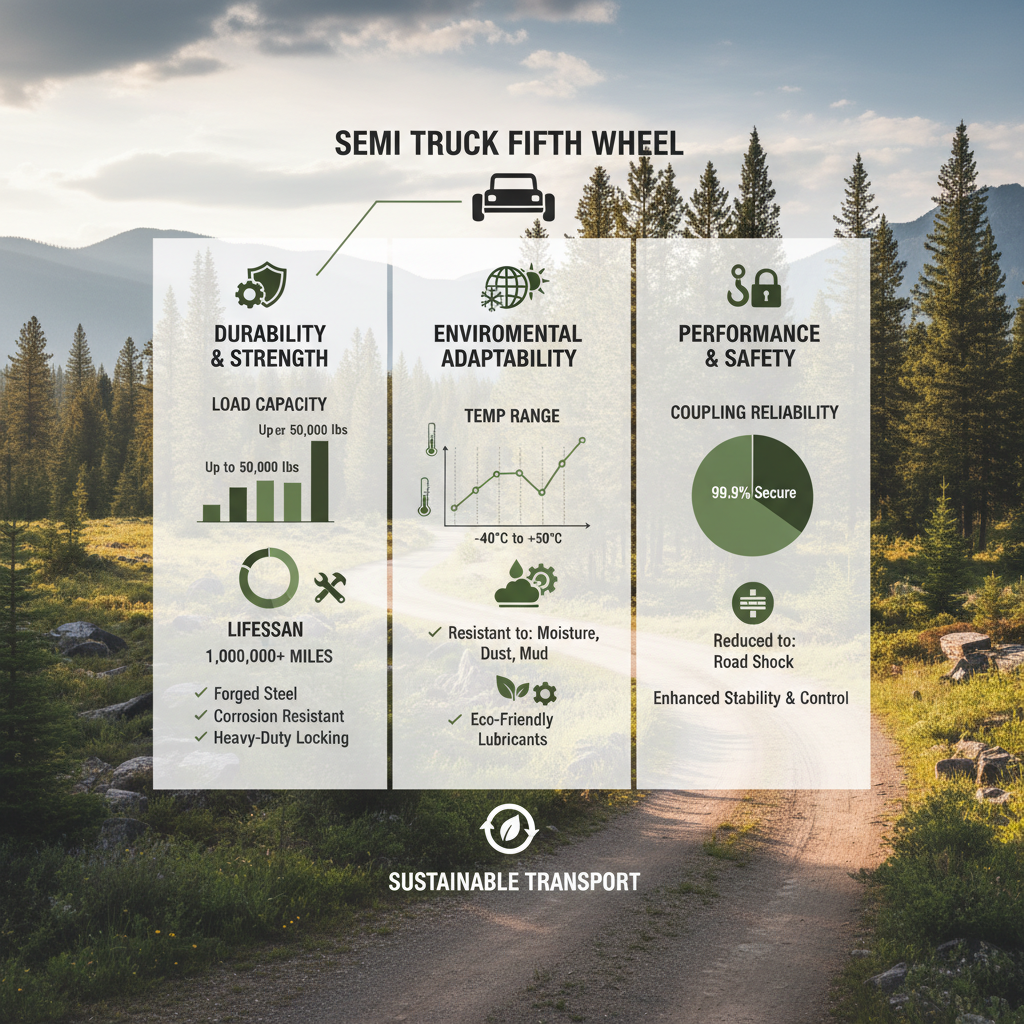
Selecting the Right Fifth Wheel for Your Needs
Choosing the right fifth wheel involves considering factors such as the type of trailer, the weight of the load, and the operating conditions. Consulting with a qualified mechanic or a reputable supplier like Kaihua Casting can help you make an informed decision. Prioritizing quality, durability, and safety will ensure a reliable connection and protect your investment.
Conclusion: Ensuring Safe and Efficient Towing
The semi truck fifth wheel is a foundational component in the trucking industry, playing a vital role in safe and efficient transportation. Understanding its types, maintenance requirements, and proper selection is crucial for any fleet operator or driver. Investing in a quality fifth wheel from a trusted supplier like Kaihua Casting is a step towards ensuring reliability and minimizing downtime.
Frequently Asked Questions (FAQs)
What is the typical lifespan of a semi truck fifth wheel?
The lifespan of a fifth wheel varies depending on usage and maintenance, but generally ranges from 5 to 10 years. Factors like road conditions, load weight, and frequency of use significantly impact longevity. Regular inspections and lubrication can extend its life. Look for signs of wear, such as cracks, excessive play, or difficulty locking, as indicators it's time for replacement.
How often should I lubricate my fifth wheel?
Lubrication frequency depends on operating conditions. As a general rule, lubricate the fifth wheel every 25,000 to 50,000 miles, or more frequently in dusty or harsh environments. Use a high-quality fifth wheel grease specifically designed for heavy-duty applications. Proper lubrication minimizes friction, reduces wear, and ensures smooth operation. Automated lubrication systems offer a convenient way to maintain consistent lubrication.
What safety checks should I perform before each trip?
Before each trip, perform a visual inspection of the fifth wheel for cracks, damage, or missing parts. Verify the locking mechanism engages securely with the kingpin. Ensure the kingpin is clean and undamaged. Listen for any unusual noises during the coupling process. Always follow the manufacturer's recommendations for pre-trip inspection procedures.
Can a worn fifth wheel affect braking performance?
Yes, a worn or improperly adjusted fifth wheel can significantly affect braking performance. Excessive play in the connection can delay brake response and increase stopping distances. Ensure the fifth wheel is properly adjusted and maintained to provide a stable and secure connection for optimal braking efficiency.