


Optimize Loading with Durable Semi Truck Fifth Wheel Frame Ramps
Understanding Semi Truck Fifth Wheel Frame Ramps
For commercial drivers and fleet managers, efficiency and safety during loading and unloading are paramount. Semi truck fifth wheel frame ramps play a crucial role in facilitating smooth transitions for equipment, significantly reducing downtime and potential hazards. These ramps are designed to bridge the gap between the truck bed and the ground, enabling forklifts and other machinery to safely access the trailer. This article will delve into the types, benefits, applications, and crucial considerations when selecting the right ramps for your trucking operations. Proper ramp selection is vital for maintaining a safe and productive workflow.
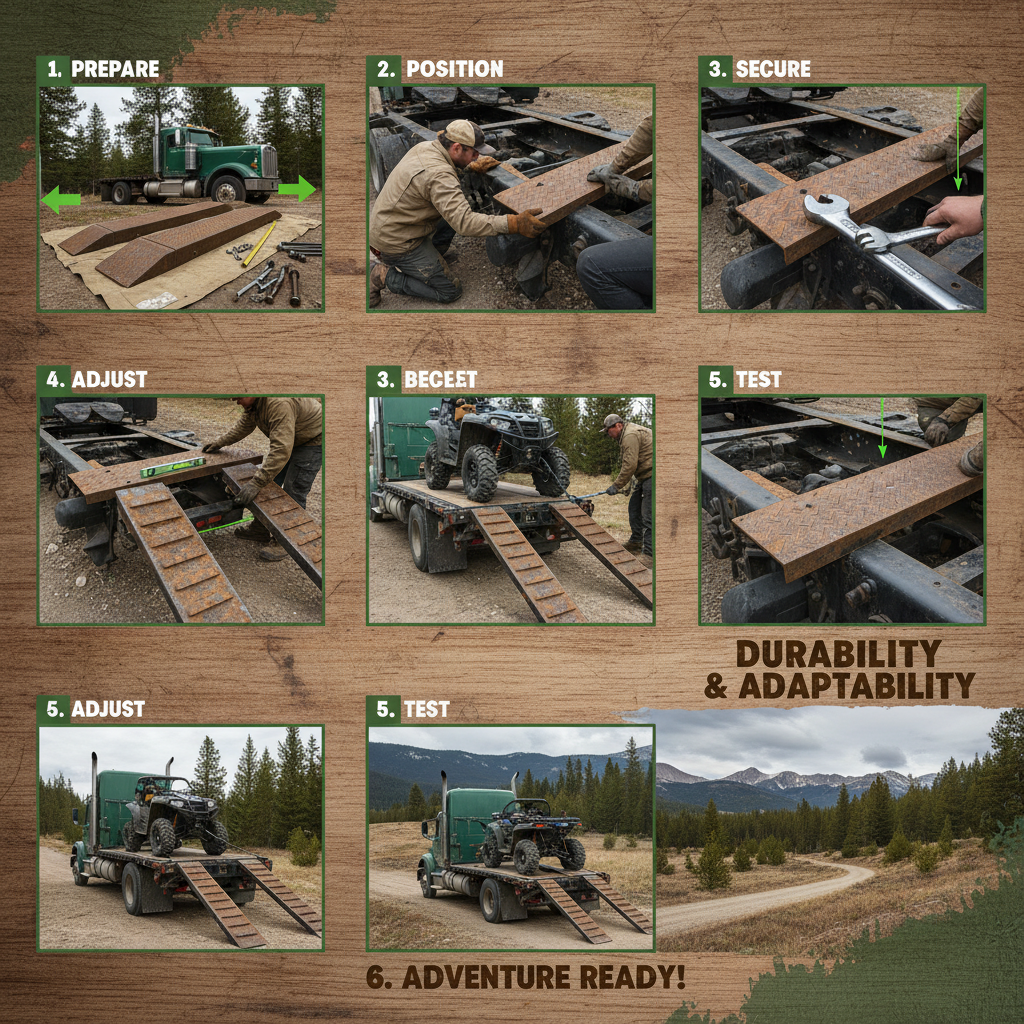
Types of Semi Truck Fifth Wheel Frame Ramps
Several types of semi truck fifth wheel frame ramps cater to different needs and loading scenarios. Fixed Frame Ramps are permanently attached to the truck's fifth wheel, offering a robust and reliable solution for frequent loading and unloading. Adjustable Frame Ramps provide flexibility, allowing for varying trailer heights and ground conditions. Portable Ramps are a convenient option for drivers who need to load and unload at various locations without fixed infrastructure. Telescoping Ramps extend and retract, offering a compact storage solution when not in use. The choice depends on the specific operational requirements, frequency of use, and available storage space. Kaihua Casting offers a wide range of these ramp types, custom-tailored to your fleet’s specific needs.
Key Considerations: Choosing the right ramp involves assessing load capacity, ramp length, width, and material. Prioritizing safety features like high-traction surfaces and secure locking mechanisms is essential.
Benefits of Using Semi Truck Fifth Wheel Frame Ramps
Implementing semi truck fifth wheel frame ramps delivers a multitude of benefits. They significantly reduce loading and unloading times, boosting operational efficiency. They enhance worker safety by providing a stable and secure access point for machinery. They minimize the risk of damage to both the truck and the loaded cargo. Ramps also reduce physical strain on drivers and loaders, contributing to a healthier work environment. Ultimately, these benefits translate into cost savings, improved productivity, and a safer working environment. Investing in quality ramps from a reputable supplier like Kaihua Casting is a strategic move for any trucking operation.
Key Advantages:
• Reduced loading/unloading times
• Enhanced worker safety
• Minimized damage risk
• Reduced physical strain
Semi Truck Fifth Wheel Frame Ramps: A Comparative Analysis
Understanding the differences between ramp types is crucial for making the right choice. Here’s a comparison of commonly used options:
Selecting the Right Semi Truck Fifth Wheel Frame Ramp
Choosing the right ramp is a critical decision. Consider the weight capacity needed for your typical loads. Ensure the ramp length is sufficient to create a safe loading angle (ideally between 15-20 degrees). The ramp width must accommodate the equipment being used. Material quality (steel, aluminum) impacts durability and weight. Finally, prioritize safety features like non-slip surfaces and secure locking mechanisms. Partnering with a trusted manufacturer like Kaihua Casting ensures you receive a high-quality, reliable product.

Maintaining Your Semi Truck Fifth Wheel Frame Ramps
Proper maintenance is crucial for extending the lifespan and ensuring the safety of your ramps. Regularly inspect for signs of wear and tear, such as cracks, rust, or damaged locking mechanisms. Keep the ramp surface clean and free of debris. Lubricate moving parts as needed. Store ramps in a dry, secure location when not in use. Following these simple maintenance steps will help prevent accidents and maximize the return on your investment.
Conclusion: Enhancing Efficiency and Safety with Quality Ramps
Investing in high-quality semi truck fifth wheel frame ramps from a reliable supplier like Kaihua Casting is a strategic move that pays dividends in efficiency, safety, and cost savings. By carefully considering your operational needs and choosing the right ramp type, you can streamline your loading and unloading processes, protect your workforce, and ensure the long-term success of your trucking business.
Frequently Asked Questions (FAQs)
What is the recommended loading angle for semi truck ramps?
The ideal loading angle for semi truck ramps is between 15 and 20 degrees. A steeper angle requires more effort from the forklift operator and increases the risk of instability. A shallower angle requires a longer ramp, which may not be practical in all situations. Maintaining this angle ensures a safe and efficient loading process. Factors such as the weight of the load and the type of forklift should also be considered when determining the appropriate angle. Consult with ramp manufacturers like Kaihua Casting for specific recommendations based on your needs.
How do I determine the correct weight capacity for my ramps?
Determine the maximum weight of the load you will be lifting, including the weight of the pallet or any other supporting structures. Add a safety margin of at least 20% to this weight to account for dynamic forces during loading and unloading. Ensure the ramp's weight capacity exceeds this calculated total. Never exceed the manufacturer's stated weight limit, as this could lead to ramp failure and potentially cause serious injury. Refer to the ramp’s specifications or contact Kaihua Casting’s support team for assistance.
What safety features should I look for in semi truck fifth wheel frame ramps?
Essential safety features include a high-traction surface to prevent slipping, secure locking mechanisms to prevent the ramp from dislodging during use, and safety chains or straps to further secure the ramp to the truck. Curved ramp designs can reduce stress points and improve stability. Look for ramps that meet relevant safety standards and certifications. Regular inspection and maintenance of these safety features are crucial for maintaining a safe working environment.
Are aluminum or steel ramps better?
Both aluminum and steel ramps have their advantages. Steel ramps are generally more durable and have a higher weight capacity, making them suitable for heavy-duty applications. However, they are also heavier and can be prone to rust. Aluminum ramps are lighter, corrosion-resistant, and easier to handle. However, they may be less durable than steel ramps and have a lower weight capacity. The best choice depends on your specific needs and priorities. Kaihua Casting offers both options to suit a variety of applications.