


4 Bar Linkage Robot Arm – Precision, Compact, Modular
What’s Really Driving the 4-Bar Linkage Robot Arm Comeback
If you’ve worked around high-speed pickers or compact cobots, you know the old-school 4-bar isn’t so old anymore. The 4 bar linkage robot arm is quietly winning projects because it’s fast, stiff, and surprisingly simple to maintain. To be honest, that combo is rare in automation hardware.
Market pulse and where it’s headed
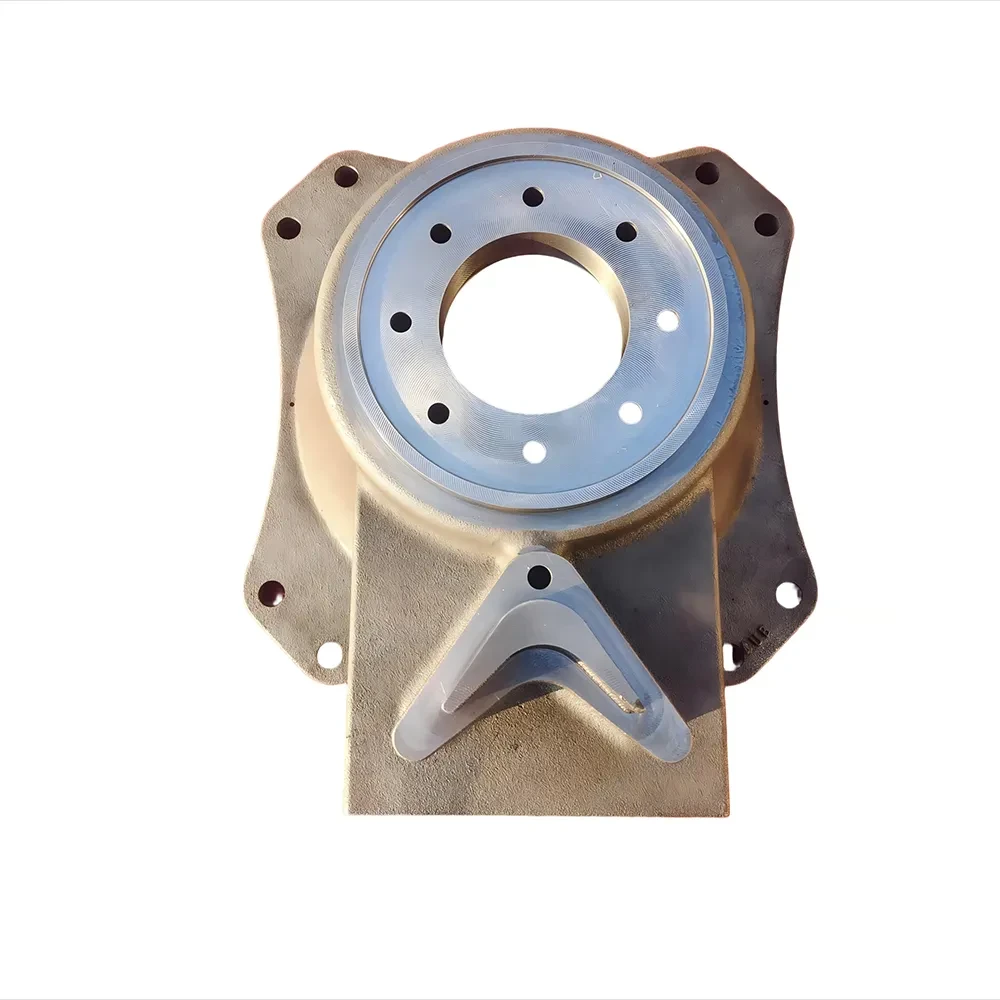
Across packaging, electronics, and light assembly, integrators tell me cycle time is king. Four-bar linkages give planar accuracy with fewer moving masses, so accelerations spike without exotic drives. Add rising demand for localized manufacturing and you get short lead-time, configurable parts—especially links, joints, and base mounts. That’s where Top Grade Mechanical Arm Parts (from Tang County Economic Development Zone, Hebei) has carved out a niche.
Product snapshot: Top Grade Mechanical Arm Parts
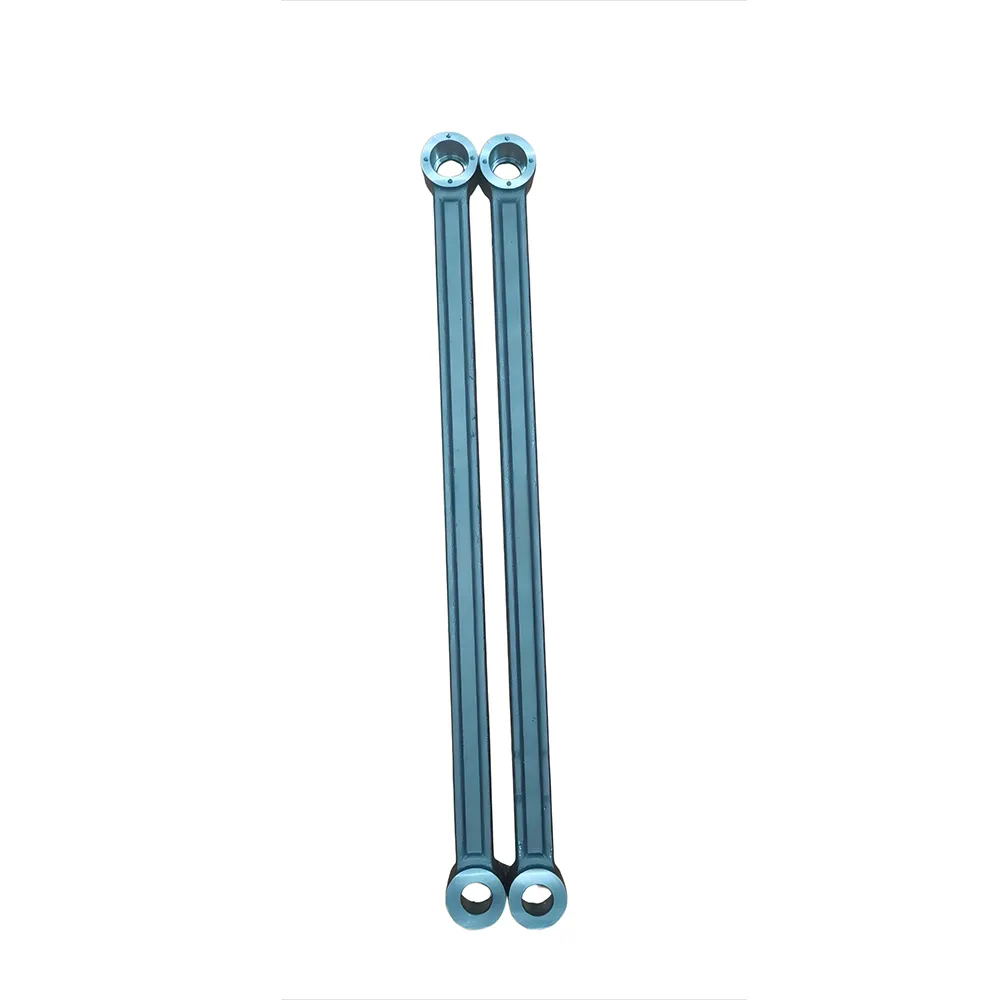
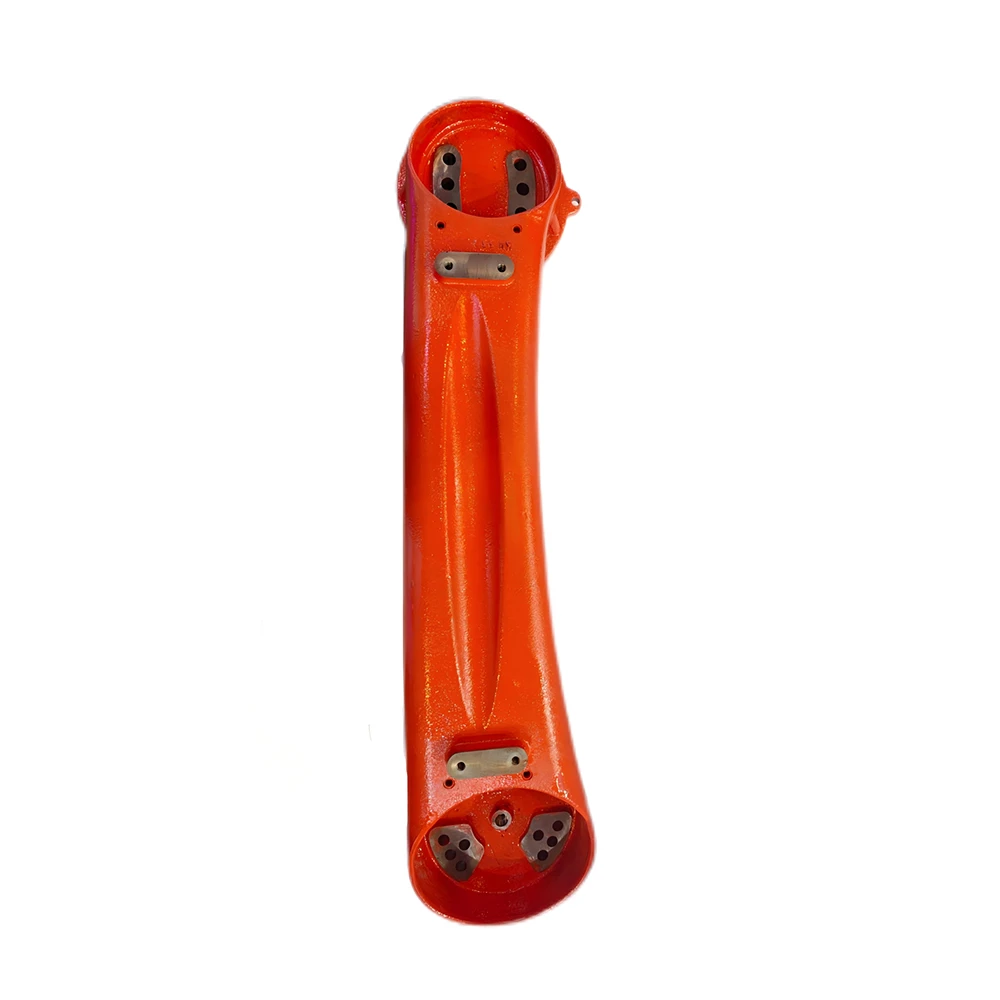
These are the building blocks—actuating links (connecting rods), rotating joints, base mounts, and booms—engineered to drop into your 4 bar linkage robot arm architecture.
| Materials | Al 6061‑T6/7075‑T6, SS304/316, 42CrMo (≈4140), ductile iron; optional Ti for weight-critical builds |
| Processes | Precision casting (ISO 8062‑3 CT6‑CT8), CNC milling/turning, heat treatment, shot peening, anodizing, powder coat |
| Repeatability | ≈ ±0.03–0.08 mm at end-effector (system-dependent; real-world use may vary) |
| Backlash (joints) | ≤ 0.05 mm radial at Ø25–35 mm pivot with preloaded bush/bearing sets |
| Surface finish | Ra 0.8–1.6 μm on functional faces; anodize 10–25 μm or e-coat |
| Service life | >10 million cycles typical with proper lubrication and loading |
| Standards | ISO 9001; robot performance validated to ISO 9283 methods; safety to ISO 10218 (system level) |
How they’re made (quick but meaningful)
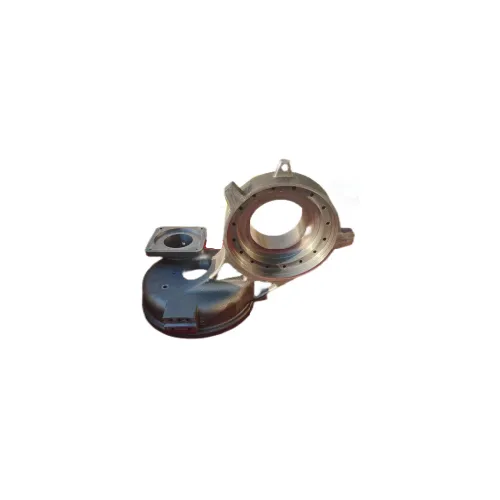
Material selection begins with FEA targets: stiffness-to-weight ratios and joint wear limits. Blanks are precision cast (DIN/ISO 8062) or billet-machined, then CNC finished to ISO 2768-m. Heat treatment and peening boost fatigue strength; critical bores are honed. Testing? Dimensional CMM checks, Rockwell hardness (ASTM E18), salt spray for coated parts (ASTM B117), and accelerated life cycling; environmental stress to IEC 60068 where needed. It sounds dry, but the net effect is a 4 bar linkage robot arm that stays in spec past year two, not just month six.
Where it gets used (and why)
- High-speed pick-and-place in FMCG lines; - PCB depaneling/fixtures; - Food handling with washdown joints; - Aerospace bracket kitting; - Medical device sub-assembly. One integrator told me, “We shaved 0.18 s per cycle with lighter booms—sounds tiny, saved a headcount by quarter’s end.” That’s typical feedback.
Why 4-bar still wins
Planar kinematics are predictable, inertia is low, maintenance is simple. And yes, control is easier than some parallel robots. For compact work cells, a tuned 4 bar linkage robot arm is brutally efficient.
Vendor snapshot (quick compare)
| Vendor | Tolerances | Certs | MOQ | Lead time | Notes |
|---|---|---|---|---|---|
| Kaihua Casting (Top Grade Mechanical Arm Parts) | ±0.02–0.05 mm critical | ISO 9001; PPAP on request | Flexible (project-based) | ≈15–25 days after drawing sign-off | Strong in cast+machined hybrids |
| Importer B | ±0.05–0.10 mm | Basic ISO 9001 | Higher | 30–45 days | Cost-focused, fewer finishes |
| Boutique Machinist C | ±0.01–0.03 mm | ISO 9001; AS9100 (select) | Low | 20–40 days | Premium pricing |
Customization and two quick case notes
- Auto fasteners: swapped to 7075-T6 booms, shaved mass by ~18%, ISO 9283 path accuracy improved 11% after re-tune. - Drone assembly: corrosion-resistant SS316 joints + food-grade grease; passed 240 h salt spray (ASTM B117). Both cells reported quieter motion and less pivot wear after 3 months.
Final thought
It seems simple: fewer axes, more throughput. But the trick is in the metallurgy and machining. From the shop floors in Tang County (Hebei) to aerospace test labs, the right parts turn a good 4 bar linkage robot arm into a great one.
References
- ISO 9283:1998 — Manipulating industrial robots — Performance criteria and related test methods.
- ISO 10218-1/-2 — Robots and robotic devices — Safety requirements for industrial robots.
- DIN ISO 8062-3 — Dimensional and geometrical tolerances for castings.
- ASTM B117 — Standard Practice for Operating Salt Spray (Fog) Apparatus; ASTM E18 — Rockwell Hardness Testing; IEC 60068 — Environmental testing.