


4 Bar Linkage Robot Arm with Rotating Base, Precise Control
Why the humble 4‑bar linkage keeps winning in robot arms
If you hang around factories long enough, you notice a pattern: when uptime matters, engineers quietly reach for a 4 bar linkage robot arm. Not because it’s flashy, but because it’s predictable. That’s the unglamorous magic. And yes, I’ve seen it from Tang County shop floors to aerospace cells where “failure” is a banned word.
Industry trend check
Short story: simplicity is back in style. With labor volatility and component lead‑time drama, plants want kinematics that are easy to service and hold tolerances. Four‑bar layouts fit the bill—fewer parts, stiff loops, and repeatable motion. Many customers say the cycle‑time stability surprised them, especially in hot, dusty environments where complex geartrains sulk.
Product snapshot: Top Grade Mechanical Arm Parts
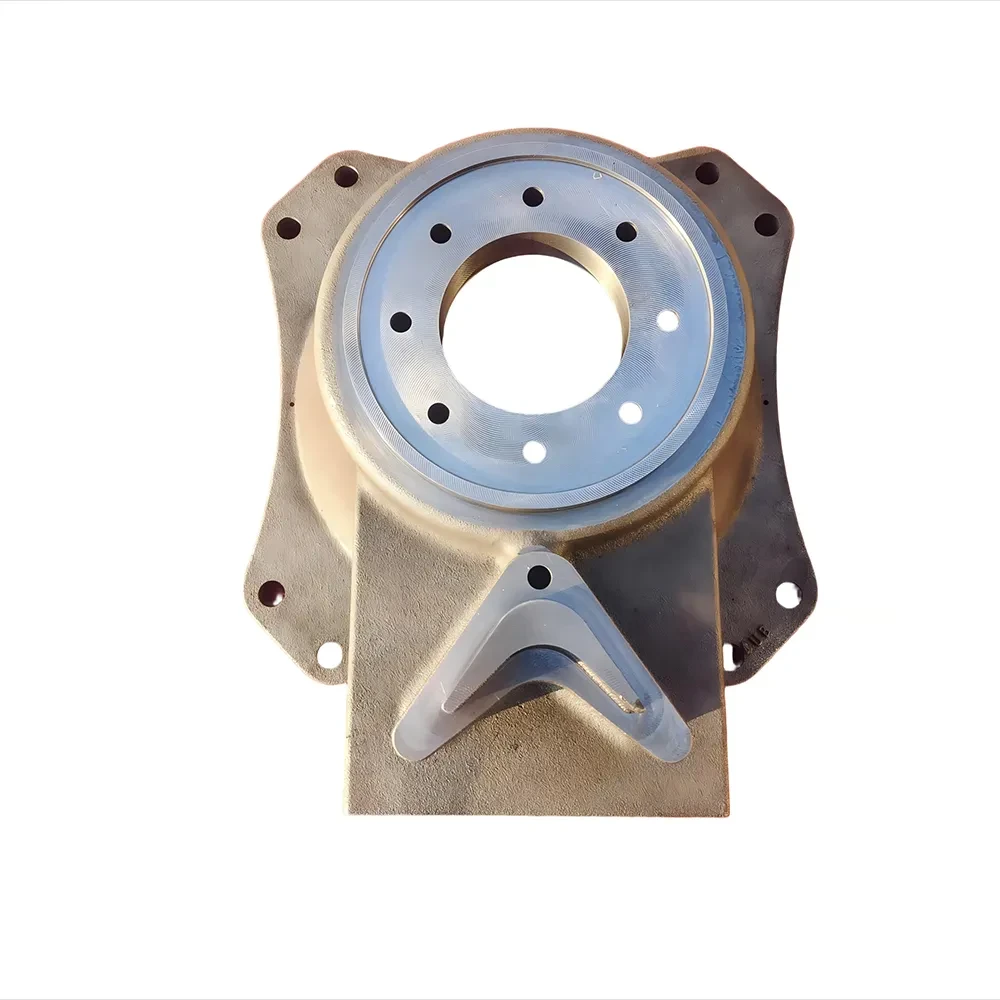
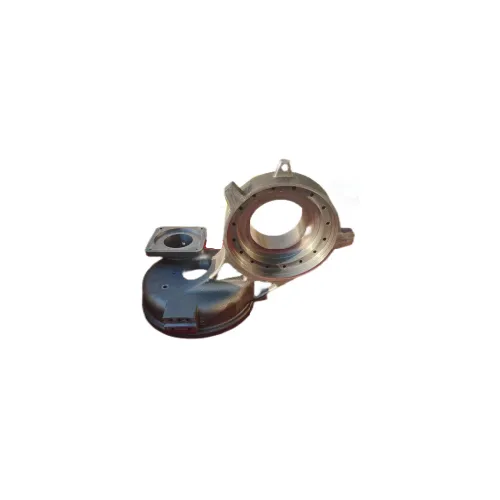
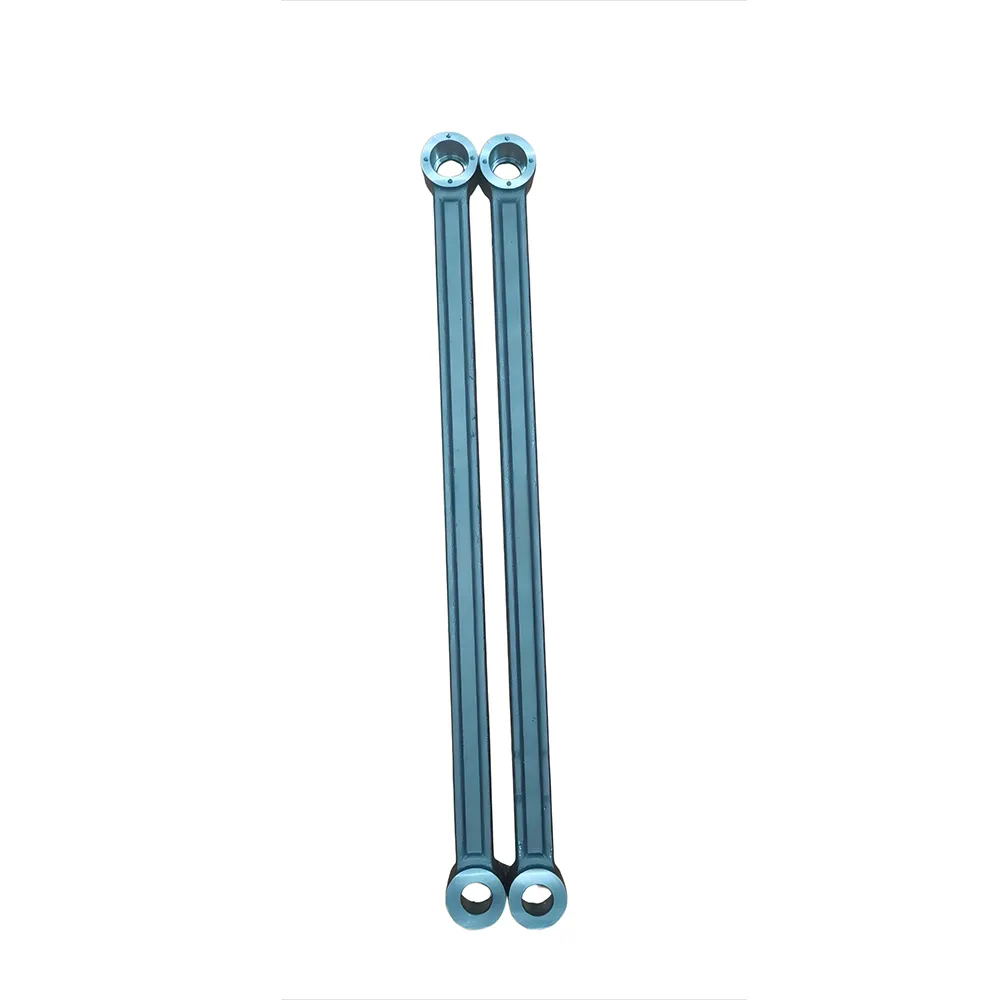
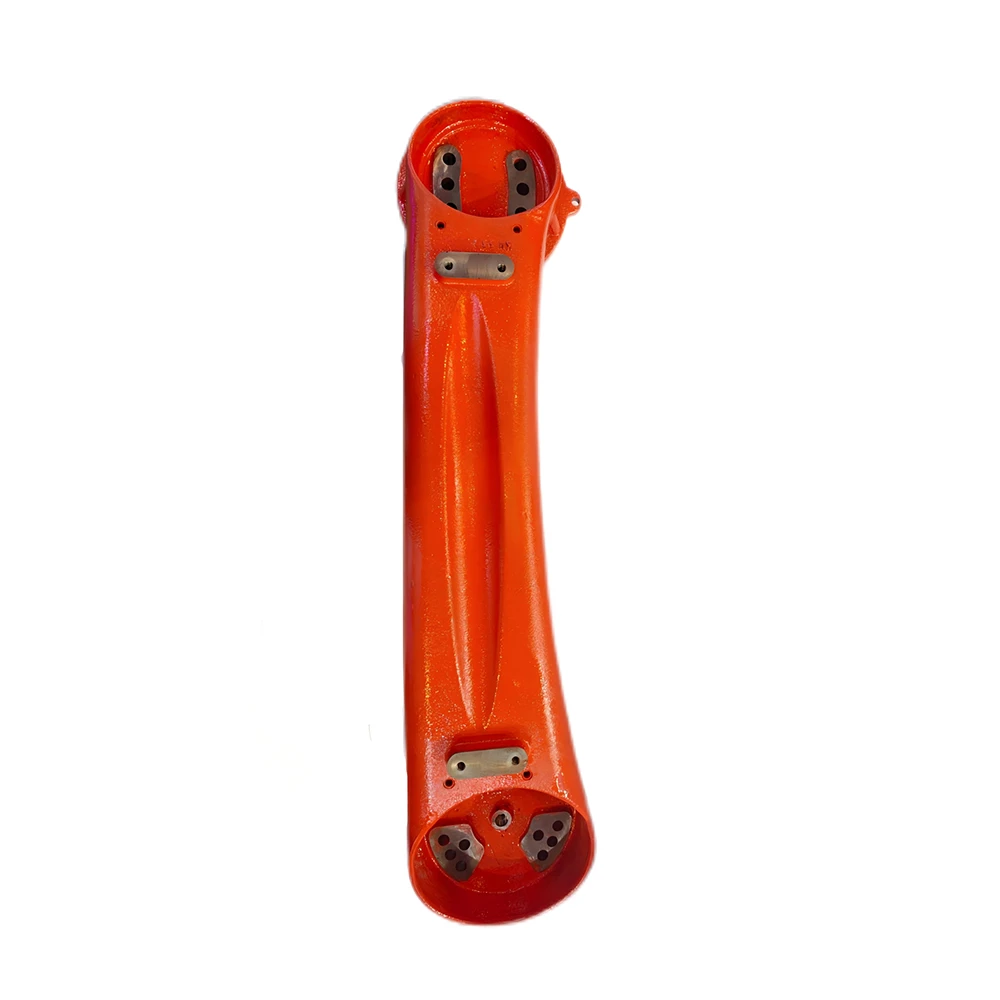
Origin: Tang County Economic Development Zone, Chang Gu Cheng Industrial Park (Ba Qie), Hebei, China. The team specializes in actuating links (connecting rods), rotating joints, base mounts, and booms used in 4 bar linkage robot arm assemblies for automation, manufacturing, robotics, and aerospace.
| Model family | Top Grade Mechanical Arm Parts (linkages, joints, bases) |
| Materials | Ductile iron (ASTM A536), 6061‑T6/7075‑T6 aluminum, 17‑4PH stainless, 42CrMo quenched & tempered |
| Payload range | ≈ 2–20 kg per linkage set (real‑world use may vary) |
| Repeatability | ±0.05–0.10 mm per ISO 9283 validation, typical |
| Surface & heat treatment | Anodize, phosphate, e‑coat; induction hardening on pins/bushings |
| Service life | ≈ 10–20 million cycles @ rated load, 25–40°C, per IEC 60068 environmental tests |
Where it shines
- High‑speed pick‑and‑place in FMCG and packaging lines
- Automotive sub‑assembly fixtures and vision‑guided handling
- Electronics kitting, PCB depaneling support, gentle motion paths
- Aerospace prep & positioning jigs where stiffness matters
In fact, the 4 bar linkage robot arm tends to hold calibration longer after thermal swings, simply because its closed loop resists drift. Not a lab myth—operators comment on it.
Process flow and testing
Materials incoming → spectral verification → investment casting/precision forging or billet CNC → stress relief → 5‑axis CNC finishing → bearing/bushing press‑fit (Cpk ≥ 1.67) → surface treatment → assembly fit check → ISO 9283 motion testing → IEC 60068 thermal/humidity runs → final QC.
Sample test data: repeatability ±0.06 mm @ 120 cpm; backlash ≤ 0.02 mm at joint; salt‑spray 240 h (phosphate + paint); fatigue passed 12.5 M cycles at 80% rated load. To be honest, real‑world grime can nudge numbers—seal kits help.
Vendor comparison (indicative)
| Vendor | Strengths | Certs | Lead time |
|---|---|---|---|
| Kaihua (Hebei) | Casting + CNC in‑house, tight metrology, robust coatings | ISO 9001, IATF 16949 (site‑dependent) | ≈ 3–6 weeks |
| Vendor B | Good aluminum machining; limited heat‑treat options | ISO 9001 | 5–8 weeks |
| Vendor C | Competitive pricing; outsourced coatings | — | 6–10 weeks |
Customization options
- Hole patterns, quick‑change pins, sealed bushings for washdown
- Link geometry tweaks to re‑shape the 4 bar linkage robot arm path without software drama
- Coatings for corrosion or cleanroom; traceability with QR/DFMEA support
Mini case studies
Food packaging line: swapped belt‑driven pickers for a 4 bar linkage robot arm set; OEE rose from 86% to 92% over 90 days; maintenance calls dropped 28%.
Aerospace drilling jig: 17‑4PH joints + induction‑hardened pins cut deflection ≈ 18% at 12 kg load; fixture changeover 22% faster.
Customer feedback: “It just keeps time,” one supervisor said, “like an old metronome.” I guess that’s the point.
Compliance and standards
Designed and validated against ISO 9283 (robot performance), ISO 10218‑1 (safety), ASTM A536 (ductile iron), and IEC 60068 (environmental). RoHS/REACH materials on request.
Citations
- ISO 9283: Manipulating industrial robots—Performance criteria and related test methods.
- ISO 10218‑1: Robots and robotic devices—Safety requirements.
- IEC 60068: Environmental testing (thermal/humidity, vibration).
- ASTM A536: Standard Specification for Ductile Iron Castings.
- NIST guidance on robot performance repeatability and metrology practices.