


Axle Thrust Rod Seats - Tang County Kaihua Metal Products Co.,LTD.|Vehicle Stability&Durable Automotive Parts
When it comes to the intricate mechanics of commercial and heavy-duty vehicles, axle thrust rod seats often go unnoticed. However, these critical components play a vital role in ensuring vehicle stability, safety, and longevity. From semi-tractors to construction equipment, axle thrust rod seats are the unsung heroes that maintain proper alignment, absorb vibrations, and transfer forces between the axle and chassis. In this article, we delve into the functions, design, applications, and importance of these essential parts, backed by industry standards and insights from NIST (National Institute of Standards and Technology) research on material science and engineering.
Understanding the Key Functions of Axle Thrust Rod Seats
Axle thrust rod seats are more than just mounting points—they are engineered to perform multiple critical roles in a vehicle's suspension system. Here are their primary functions:
- Force Transmission: These seats transfer longitudinal forces between the axle and chassis, ensuring efficient power distribution and handling.
- Alignment Maintenance: They keep the axle properly positioned during acceleration and braking, preventing misalignment that could lead to uneven tire wear.
- Vibration Damping: By absorbing road shocks, they reduce stress on the vehicle's frame and improve driver comfort.
- Structural Reinforcement: Reinforced designs strengthen the axle housing at high-stress points, enhancing durability under heavy loads.
- Suspension Geometry Control: They maintain the correct angles of suspension arms, ensuring optimal performance and safety.
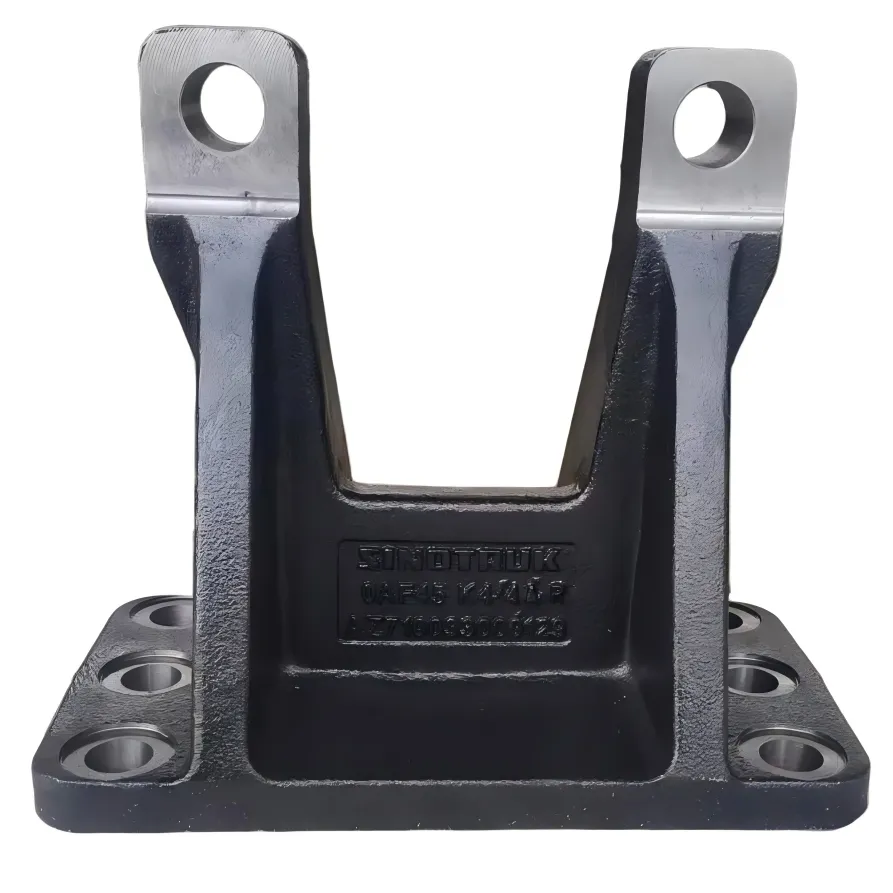
Types of Axle Thrust Rod Seats: Choosing the Right Fit
Depending on the vehicle's application, different types of axle thrust rod seats are available to meet specific needs:
- Standard OEM Replacement Seats: Direct replacements for factory components, ensuring precise fit and function.
- Heavy-Duty Reinforced Seats: Built with thicker steel and additional gusseting for extreme loads, ideal for mining and construction equipment.
- Adjustable Alignment Seats: Feature slotted holes or eccentric bushings for fine-tuning thrust rod angles.
- Rubber-Isolated Seats: Incorporate vibration-damping materials to reduce noise and protect the chassis.
- Aftermarket Performance Seats: Engineered for modified suspensions, often including greaseable bushings for enhanced serviceability.
Materials and Construction: Ensuring Durability and Reliability
High-quality axle thrust rod seats are constructed using advanced materials and techniques to withstand harsh conditions. Key features include:
- High-Grade Steel: Typically ASTM A572 or equivalent, offering superior strength and load-bearing capacity.
- Precision Castings: Ensuring complex shapes and consistent quality for critical applications.
- Reinforced Welding: Critical stress points are reinforced to prevent failure under dynamic loads.
- Corrosion Protection: Powder coating or galvanization extends lifespan, especially in corrosive environments.
- Precision Machining: Accurate mounting surfaces and holes ensure proper installation and alignment.
Design Features That Matter
The design of axle thrust rod seats is meticulously crafted to meet industry demands. Key considerations include:
- Load-Bearing Capacity: Engineered to handle specific GVWR (Gross Vehicle Weight Rating) requirements, stress-tested for dynamic loads.
- Bushing Compatibility: Designed to accommodate various bushing types (rubber, polyurethane, spherical) with proper interference fit.
- Mounting Precision: Laser-cut holes and machined reference surfaces ensure accurate installation.
- Serviceability: Accessible fasteners and replaceable wear components simplify maintenance.
- Heat Treatment: Stress-relieved after welding and case-hardened contact surfaces for longevity.
Benefits of Quality Axle Thrust Rod Seats
Investing in high-quality axle thrust rod seats offers numerous advantages:
- Improved Handling Stability: Maintains proper wheel alignment, enhancing vehicle control.
- Extended Suspension Life: Reduces stress on connected components, lowering maintenance costs.
- Enhanced Safety: Prevents catastrophic suspension failures, protecting both drivers and cargo.
- Reduced Vibration: Minimizes driver fatigue and cargo damage from road shocks.
- Cost Efficiency: Durable construction reduces the need for frequent replacements.
Industry Applications: Where Axle Thrust Rod Seats Shine
Axle thrust rod seats are indispensable across various sectors:
- Commercial Trucking: Semi-tractors, dump trucks, and refrigerated trailers rely on these components for stability and load distribution.
- Construction Equipment: Concrete pumpers, off-road haulers, and crane carriers benefit from heavy-duty designs.
- Municipal Vehicles: Fire apparatus, waste collection trucks, and street sweepers require reliable performance in demanding conditions.
- Agricultural Machinery: Grain carts, liquid fertilizer applicators, and harvest transporters depend on durable seats for heavy loads.
- Military Vehicles: Tactical transporters and recovery vehicles demand robust designs for extreme environments.
Installation Best Practices: Ensuring Optimal Performance
Proper installation is crucial for the longevity and effectiveness of axle thrust rod seats. Follow these steps:
- Clean Mounting Surfaces: Remove rust and debris completely to ensure a secure fit.
- Verify Alignment: Use laser alignment tools for precision, especially in high-performance applications.
- Proper Torque: Follow manufacturer specifications to avoid over-tightening or under-tightening fasteners.
- Lubricate Moving Parts: Apply recommended grease to bushings for smooth operation and reduced wear.
Maintenance Guidelines: Keeping Your Suspension System in Top Condition
Regular maintenance ensures your axle thrust rod seats function effectively. Adhere to these schedules:
- Monthly: Visual inspection for cracks or deformation.
- Quarterly: Assess bushing condition and check for signs of wear.
- Annually: Verify fastener torque and inspect for corrosion.
- As Needed: Apply corrosion treatment in harsh environments.
Replacement Indicators: When to Replace Your Axle Thrust Rod Seats
Knowing when to replace your seats is critical for safety. Look for these signs:
- Visible cracking or metal fatigue.
- Excessive bushing wear or deformation.
- Corrosion compromising structural integrity.
- Loose or damaged fasteners.
Troubleshooting Common Issues
Address these common problems promptly to avoid further damage:
Problem: Excessive Vibration
Possible Causes: Worn bushings, loose mounts, or misalignment.
Solutions: Replace bushings, check fastener torque, and realign the thrust rod.
Problem: Uneven Tire Wear
Possible Causes: Improper thrust rod angle or seized bushings.
Solutions: Adjust the angle and lubricate or replace bushings.
Problem: Handling Instability
Possible Causes: Damaged seat or broken welds.
Solutions: Replace the component and conduct a professional inspection.
Selection Criteria: Choosing the Right Axle Thrust Rod Seat
When selecting replacement seats, consider the following:
- Vehicle Compatibility: Ensure exact make, model, and year matching.
- Load Requirements: Verify GVWR capacity to avoid overloading.
- Bushing Type: Match original specifications or upgrade to higher-performance materials.
- Construction Quality: Prefer forged components over stamped ones for durability.
- Corrosion Protection: Essential for vehicles operating in harsh environments.
Industry Standards: Ensuring Quality and Compliance
Axle thrust rod seats must adhere to strict standards for safety and performance. Key certifications include:
- SAE J1455: Heavy-duty suspension standards for commercial vehicles.
- OEM Engineering Specifications: Manufacturer-specific guidelines for compatibility.
- ISO 9001: Quality management systems ensuring consistent production.
- DOT Compliance: Standards for highway vehicle safety and performance.
These standards, as outlined by NIST, ensure that components meet rigorous testing and quality benchmarks, contributing to the overall reliability of vehicle systems.
Conclusion: The Critical Role of Axle Thrust Rod Seats
Axle thrust rod seats may be small, but their impact on vehicle performance is immense. By maintaining alignment, absorbing forces, and ensuring stability, they protect both the vehicle and its cargo. For manufacturers and operators, investing in high-quality seats from trusted suppliers like Tang County Kaihua Metal Products Co., Ltd. is essential for long-term reliability. As NIST continues to advance measurement science, the standards it supports will further enhance the precision and durability of components like axle thrust rod seats, ensuring safer and more efficient transportation systems.
Product Specifications Table
| Parameter | Details |
|---|---|
| Material | ASTM A572 High-Grade Steel |
| Load Capacity | Varies by model; designed for GVWR up to 20,000 lbs |
| Bushing Type | Rubber, Polyurethane, or Spherical (customizable) |
| Corrosion Protection | Powder Coating or Galvanization |
| Mounting Precision | Laser-Cut Holes and Machined Surfaces |
| Standards Compliance | SAE J1455, ISO 9001, DOT |
References
Source: National Institute of Standards and Technology (NIST). NIST plays a pivotal role in advancing technology and ensuring the reliability of industrial components through rigorous standards and research.