


Clutch Pressure Plate Types | OEM-Grade, Durable Options
clutch pressure plate types is a key solution in the automobile industry, specifically within Automotive parts manufacturing and Manufacturing of automotive transmission system components. This article explores how Tang County Kaihua Metal Products Co.,LTD. supports professionals with durable, high-performance products, and explains why this product is an ideal choice for businesses in these sectors.
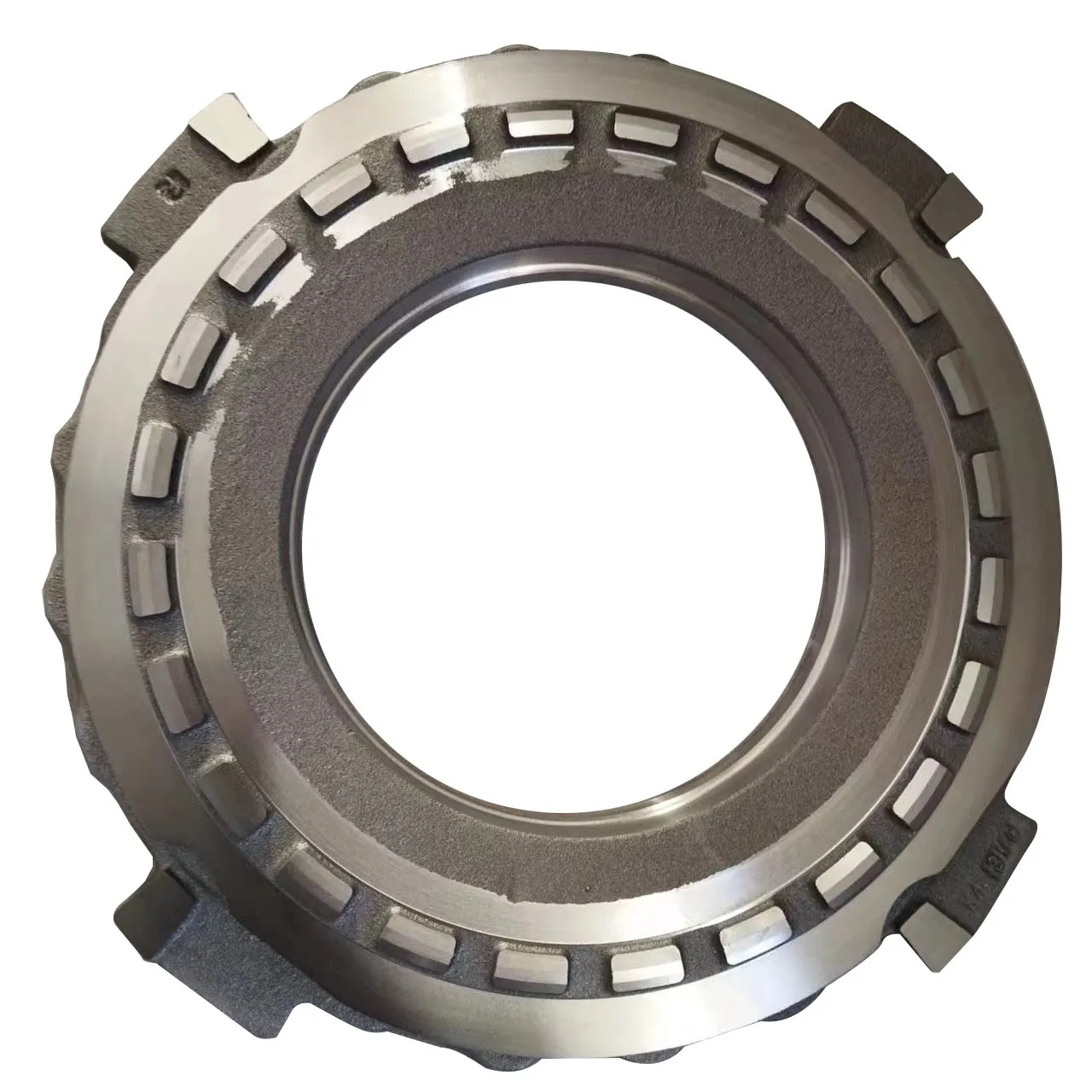
Table of Contents
- clutch pressure plate types Overview
- Benefits & Use Cases of clutch pressure plate types in Manufacturing of automotive transmission system components
- Cost, Maintenance & User Experience
- Sustainability & Market Trends in automobile industry
- Conclusion on clutch pressure plate types from Tang County Kaihua Metal Products Co.,LTD.
clutch pressure plate types Overview
In transmission systems, the clutch pressure plate converts release-system motion into clamp load that engages the clutch disc to the flywheel. Common clutch pressure plate types include diaphragm-spring (compact, lower pedal effort), coil-spring/lever designs (robust for heavy-duty), self-adjusting (SAC) plates that maintain clamp load as the friction disc wears, and push- vs. pull-type actuation. For passenger and commercial applications, sizes range from compact car clutch pressure plate formats to medium-duty 11 inch clutch and pressure plate sets and beyond. Engineering teams focus on clamp load, release travel, heat capacity, flatness, and balance to deliver smooth engagement with minimal judder.
Tang County Kaihua Metal Products Co.,LTD. manufactures precision pressure plates with robust metallurgy, advanced casting and machining, and strict process control for consistent performance. Materials are selected for thermal stability and wear resistance, while friction faces are optimized to resist glazing and hot spots. Whether you need OE-spec car clutch pressure plate assemblies or aftermarket replacements, Kaihua supports custom dimensions, including popular 11-inch formats, to integrate seamlessly with your clutch and clutch plate assemblies. Proven in demanding duty cycles, our .clutch pressure plate components are engineered for long service life with predictable release characteristics.
Benefits & Use Cases of clutch pressure plate types in Manufacturing of automotive transmission system components
Manufacturers integrate multiple clutch pressure plate types across platforms—compact cars, light commercial vehicles, tractors, buses, and off-highway equipment. Diaphragm plates dominate passenger segments for comfort and packaging; coil-spring/lever designs prevail where high clamp loads and durability are critical. Self-adjusting plates help OEMs maintain pedal feel over the life of the clutch, cutting NVH-related complaints. For mid-duty applications, the 11 inch clutch and pressure plate specification remains a versatile choice, balancing torque capacity and drivability. Kaihua provides design support to match clamp load, release ratio, and thermal mass to your drivetrain targets and duty cycle.
- Application-ready options for OE and aftermarket: passenger cars, LCVs, agri and construction equipment.
- Competitive advantages: stable clamp load over temperature, precision-balanced housings, hardened wear points, and consistent release characteristics to reduce warranty claims.
- Tang County Kaihua Metal Products Co.,LTD. offers collaborative engineering, rapid sampling, and production scalability to align with your build schedules and localization strategies.
Cost, Maintenance & User Experience
Total cost of ownership hinges on durability, installation time, and field reliability. Kaihua’s pressure plates are engineered to minimize hot spots and distortion, extending disc life and reducing the risk of a bad clutch pressure plate scenario—symptoms such as slippage under load, shudder on take-off, inconsistent pedal effort, or difficulty engaging gears. Longer service intervals and fewer returns translate to better ROI for fleet operators and aftermarket distributors, while stable specifications help OEMs standardize across platforms to control procurement costs.
- Durability and ROI: heat-treated components and tight runout control reduce premature wear, cutting downtime and replacement frequency.
- User feedback: customers in Automotive parts manufacturing report smoother engagement, fewer NVH complaints, and reduced line stoppages during assembly thanks to consistent fit and finish.
- Maintenance tips: always resurface or inspect the flywheel, verify release system alignment, and torque to spec to protect both the clutch and clutch plate from uneven wear.
Sustainability & Market Trends in automobile industry
The transmission components market is evolving with efficiency regulations, lightweighting goals, and shifting powertrain mixes. While electrification alters demand in some segments, there is continued growth for robust manual and hybrid clutches in commercial, agricultural, and emerging-market vehicles. Buyers prioritize materials traceability, energy-efficient manufacturing, and recyclable packaging. Longer-lasting pressure plates reduce lifecycle waste, supporting fleet sustainability KPIs and aftermarket environmental commitments.
- Tang County Kaihua Metal Products Co.,LTD. invests in cleaner melting and casting processes, scrap-metal recycling, efficient machining, and optimized logistics to shrink the product footprint.
- Forward-thinking design: thermal management, airflow, and wear-resistant surfaces extend service life, reducing resource consumption across the clutch pressure plate lifecycle.
Conclusion on clutch pressure plate types from Tang County Kaihua Metal Products Co.,LTD.
For OEMs and aftermarket leaders, choosing the right clutch pressure plate types is fundamental to drivability, reliability, and cost control. Tang County Kaihua Metal Products Co.,LTD. delivers precisely engineered pressure plates—from car clutch pressure plate assemblies to heavy-duty 11 inch clutch and pressure plate offerings—backed by robust manufacturing and responsive support. Partner with a supplier focused on quality, consistency, and lifecycle value.
- Recap: Reliable pressure plates enhance performance and reduce total cost across Automotive parts manufacturing and transmission components.
- Reputation: Kaihua is a dependable manufacturer for clutch pressure plate programs and co-development projects.
- Contact us: email: info@kaihuacasting.com — Visit our website: https://www.kaihuacasting.com