


Comprehensive Guide to Durable Commercial Vehicle Exhaust Parts and Systems
Commercial Vehicle Exhaust Parts: A Comprehensive Guide
Maintaining the exhaust system of a commercial vehicle is crucial for performance, emissions control, and safety. This article provides an in-depth look at commercial vehicle exhaust parts, covering types, materials, common issues, and sourcing quality components. We will explore the importance of regular maintenance and how choosing the right parts from a reliable supplier like Kaihua Casting can optimize your fleet’s efficiency and longevity. Understanding the intricacies of these systems ensures compliance with regulations and minimizes costly downtime.
Types of Commercial Vehicle Exhaust Parts
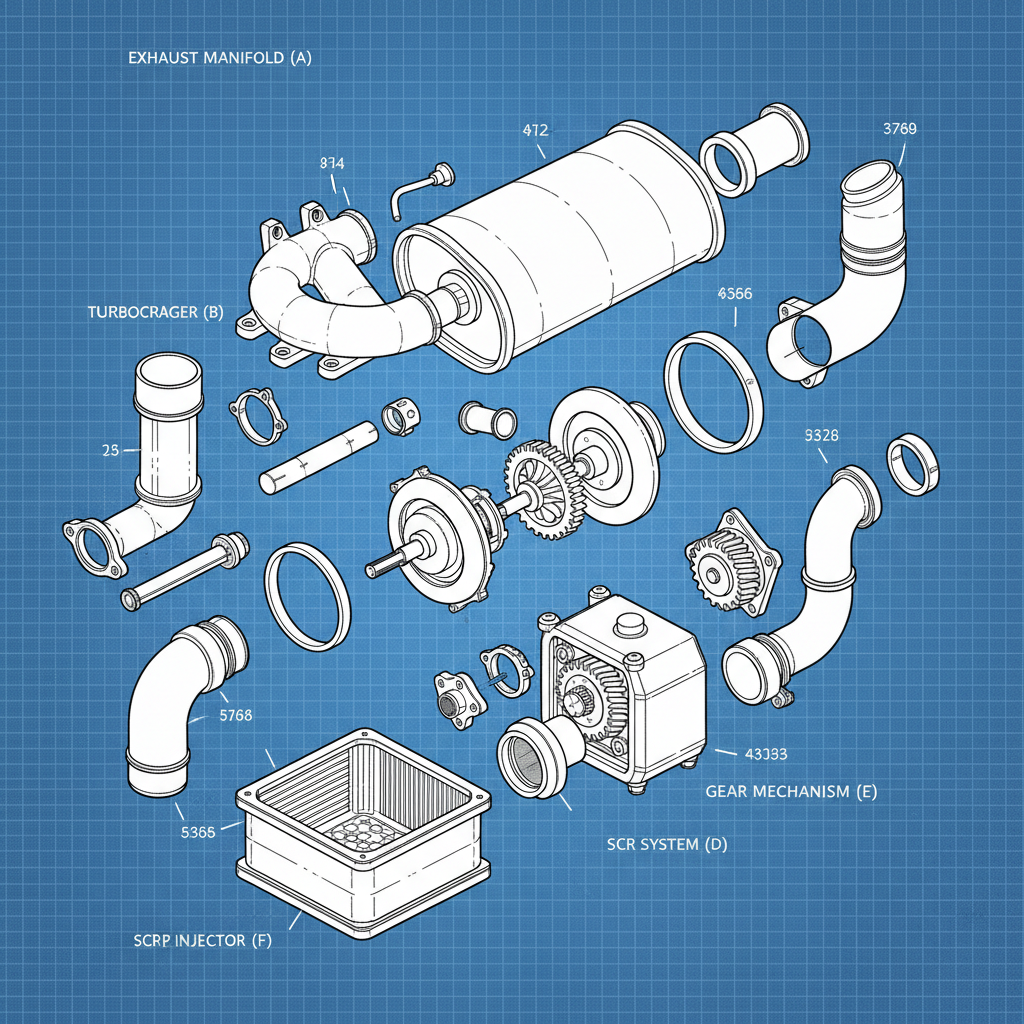
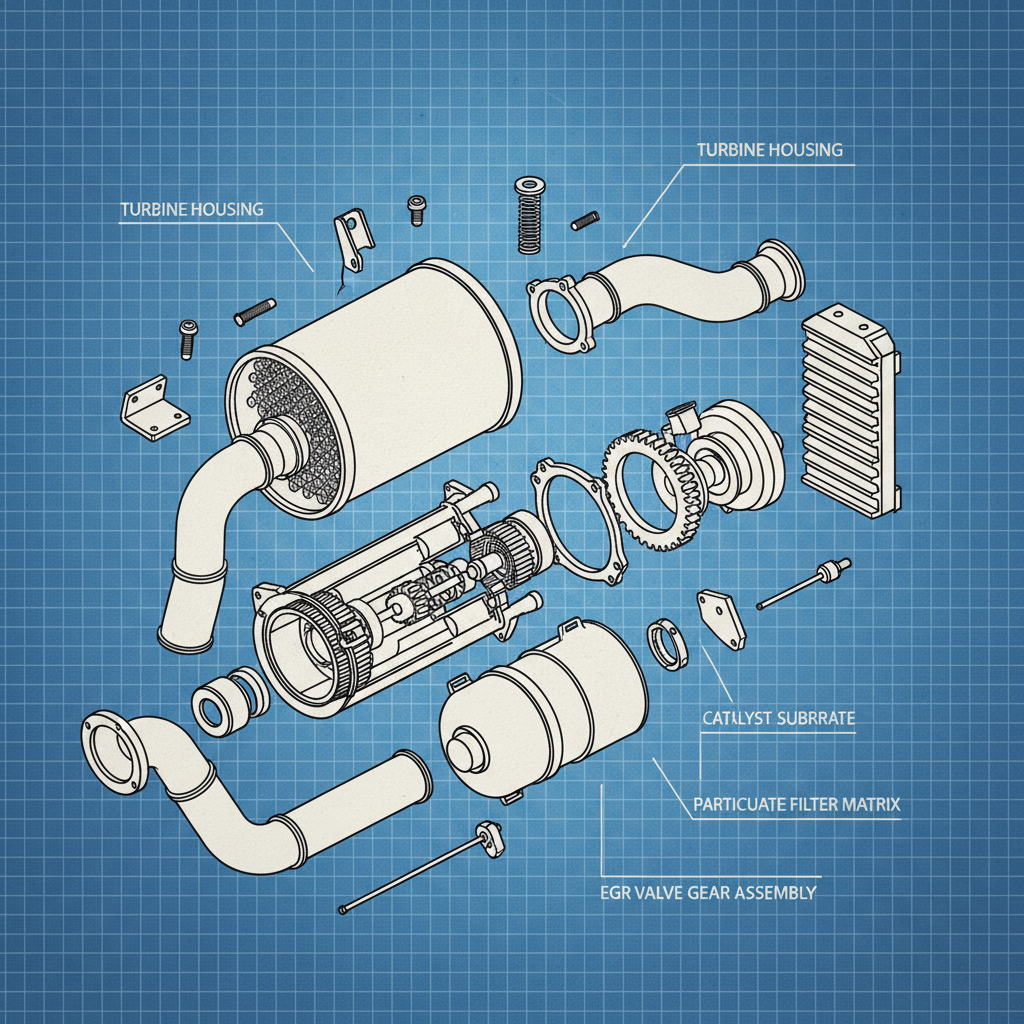
The exhaust system consists of several key components. These include the exhaust manifold, which collects exhaust gases from the engine; the turbocharger (if equipped), which increases power and efficiency; the diesel particulate filter (DPF), essential for reducing emissions; the catalytic converter, further reducing harmful pollutants; the muffler, which reduces noise; and the exhaust pipes connecting these components. Each part plays a vital role, and understanding their function is essential for effective maintenance. Selecting the correct exhaust parts is critical for optimal system performance.
Key Components: Exhaust manifold, Turbocharger, DPF, Catalytic Converter, Muffler, Exhaust Pipes.
Materials Used in Exhaust System Manufacturing
The materials used in manufacturing exhaust parts are chosen for their resistance to high temperatures, corrosion, and vibration. Stainless steel is a common choice due to its durability and resistance to rust. Cast iron is used for manifolds due to its ability to withstand extreme heat. Aluminum is sometimes used for lightweight components, while specialized alloys are utilized in catalytic converters and DPFs to optimize their function. The right material selection impacts the longevity and efficiency of the entire system.
Material Benefits:
• Stainless Steel: Durability, corrosion resistance
• Cast Iron: High heat resistance
• Aluminum: Lightweight construction
• Specialized Alloys: Optimized functionality for converters and DPFs
Common Issues with Commercial Vehicle Exhaust Systems
Several issues can plague commercial vehicle exhaust systems. Leaks are common, often caused by corrosion or damaged gaskets. DPF clogging is a frequent problem, particularly in vehicles operating in stop-and-go traffic. Catalytic converter failure can occur due to overheating or contamination. Muffler damage can lead to excessive noise. Regular inspection and timely replacement of worn or damaged commercial vehicle exhaust parts are essential to prevent costly repairs and maintain regulatory compliance.
Sourcing Quality Commercial Vehicle Exhaust Parts
Choosing a reputable supplier is paramount when sourcing commercial vehicle exhaust parts. Look for suppliers that offer high-quality materials, rigorous testing, and adherence to industry standards. Kaihua Casting provides durable, reliable components manufactured with precision and expertise. A supplier with a proven track record and excellent customer support can ensure you receive the right parts for your specific needs.
The Benefits of Choosing Kaihua Casting for Your Exhaust Needs
Kaihua Casting specializes in the production of high-performance exhaust components for commercial vehicles. We utilize advanced casting techniques and quality control measures to ensure our parts meet or exceed industry standards. Our extensive product range, competitive pricing, and commitment to customer satisfaction make us a trusted partner for fleet managers and maintenance professionals. We offer custom solutions and fast turnaround times to meet your specific requirements. Contact us today to learn more about how we can support your operation.
Conclusion: Partner with Kaihua Casting for Reliable Exhaust Solutions
Investing in quality commercial vehicle exhaust parts is vital for maintaining optimal performance, reducing emissions, and ensuring the longevity of your fleet. Kaihua Casting offers a comprehensive range of durable, reliable components backed by expert support. Don’t compromise on quality – choose Kaihua Casting as your trusted partner for all your exhaust system needs.
Frequently Asked Questions (FAQs)
How often should I inspect my commercial vehicle's exhaust system?
Regular inspection is crucial. Ideally, the exhaust system should be visually inspected during every routine vehicle maintenance check, which could be every 3-6 months depending on usage. Pay close attention to areas prone to corrosion, such as joints and welds. Listen for unusual noises, like hissing or rattling, which could indicate a leak or damage. Promptly address any issues to prevent further complications and ensure compliance with emissions regulations. Early detection of problems can save significant repair costs.
What are the signs of a clogged DPF?
Several symptoms can indicate a clogged Diesel Particulate Filter (DPF). These include a decrease in engine power, poor fuel economy, the illumination of the DPF warning light on the dashboard, and increased exhaust backpressure. In some cases, the vehicle may enter a 'limp home' mode, restricting speed and performance. Regular DPF regeneration is vital to prevent clogging, and ignoring these symptoms can lead to more extensive and costly repairs.
Can I repair exhaust leaks myself?
Minor exhaust leaks, such as those caused by loose clamps, can sometimes be repaired with basic tools and knowledge. However, significant leaks, especially those involving rusted or damaged pipes, are best left to professional mechanics. Exhaust systems operate at extremely high temperatures, and improper repairs can be dangerous. Additionally, improper repairs may not meet emissions standards, leading to compliance issues.
What is the importance of using the correct exhaust gaskets?
Using the correct exhaust gaskets is critical for preventing leaks and ensuring a proper seal between exhaust components. Different gaskets are designed for specific applications and materials. Using the wrong gasket can lead to exhaust fumes entering the cabin, reduced engine performance, and potential damage to the exhaust system. Always refer to the vehicle's service manual or consult with a parts specialist to ensure you are using the correct gaskets for your application.