


Discover Flywheel Types: High-Quality Solutions for Every Need
The Crucial Role and Evolution of Flywheel Technology in Industrial Applications
In the realm of industrial machinery, the flywheel types employed are fundamental components designed to store rotational energy and provide kinetic energy when needed, smoothing power delivery and mitigating torque fluctuations. These devices are critical for ensuring operational stability, efficiency, and longevity across a diverse range of heavy machinery and power systems. Modern industry trends are increasingly focused on enhancing energy efficiency, reducing operational costs, and improving environmental sustainability, driving innovations in flywheel design, materials, and manufacturing processes. The demand for more robust, lighter, and more efficient flywheels has led to significant advancements in metallurgical science and precision engineering. As a leading flywheel company, we observe a growing emphasis on high-performance alloys and advanced composite materials that can withstand extreme operational conditions while optimizing energy storage capacity.
The global industrial machinery market continues its upward trajectory, with a projected Compound Annual Growth Rate (CAGR) of 6.2% from 2023 to 2030, according to Grand View Research. This growth directly fuels the demand for high-quality components like flywheels. End-user industries, including automotive, energy, and manufacturing, are driving the need for diverse flywheel types tailored to specific performance requirements. From traditional cast iron flywheels in internal combustion engines to high-speed composite flywheels in uninterruptible power supplies (UPS) and grid stabilization systems, the technology is evolving rapidly. The emergence of Industry 4.0 and smart manufacturing paradigms further necessitates precise, reliable, and durable components, positioning advanced flywheel types at the forefront of industrial innovation.
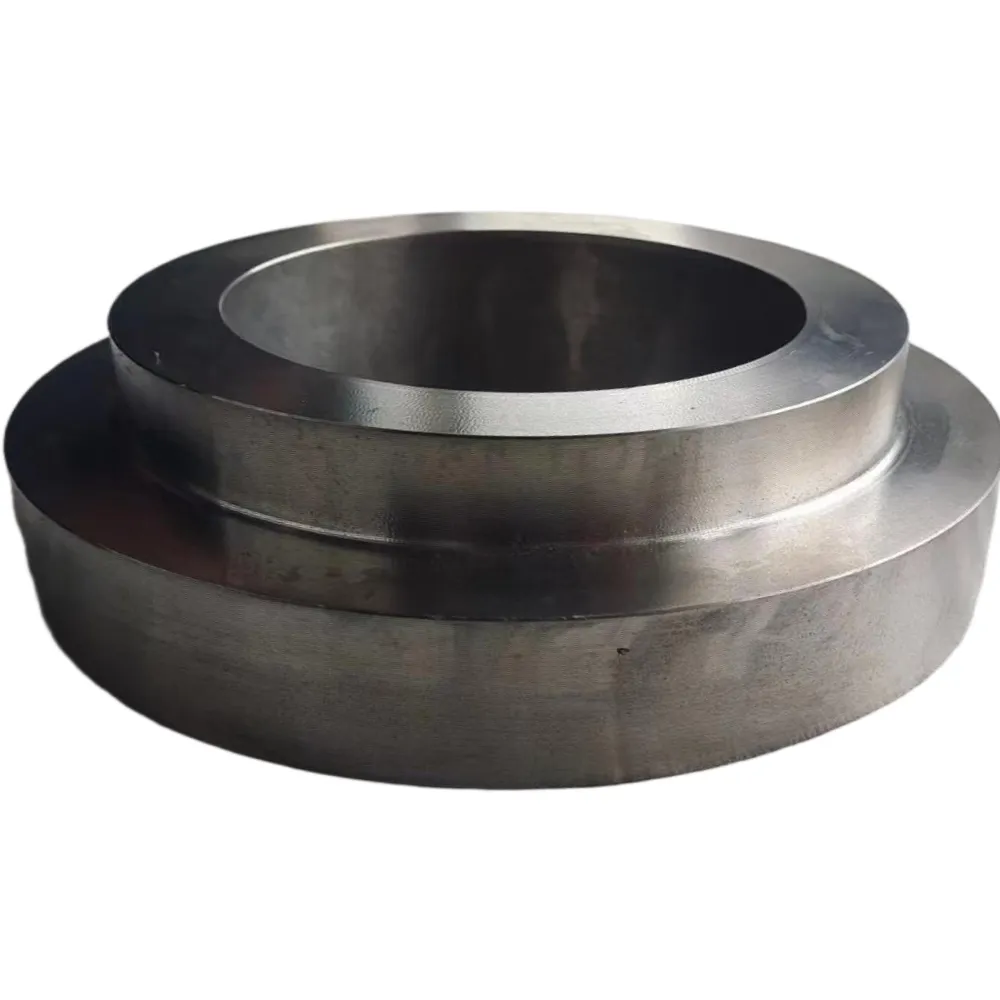
Understanding Key Flywheel Types and Technical Specifications
The selection of appropriate flywheel types is dictated by application-specific demands for energy storage capacity, rotational speed, weight, and environmental resistance. Typically, flywheels are categorized by their material composition and design, each offering distinct advantages.
Common Flywheel Types:
- Cast Iron Flywheels: Predominantly used in heavy machinery and internal combustion engines, these offer excellent damping characteristics and are cost-effective. Materials often include Grey Cast Iron (GG20, GG25) or Ductile Iron (GGG40, GGG50), providing high compressive strength and wear resistance.
- Steel Flywheels: Machined from high-strength carbon or alloy steels (e.g., AISI 1045, 4140), these are suitable for high-RPM applications where greater tensile strength and resistance to deformation are critical. They are often lighter than cast iron for equivalent energy storage.
- Composite Flywheels: Employing materials like carbon fiber reinforced polymers (CFRP) or fiberglass, these achieve exceptionally high energy density due to their low weight and high tensile strength. They are ideal for advanced energy storage systems, aerospace, and motorsport, though at a higher cost.
- Billet Steel Flywheels: Forged from a solid piece of steel, offering superior strength and integrity compared to cast variants, often preferred in high-performance automotive and industrial applications.
Typical Technical Specifications:
To illustrate the variance, consider the following parameters:
| Parameter | Cast Iron (GGG50) | Steel (AISI 4140) | Composite (Carbon Fiber) |
|---|---|---|---|
| Density (g/cm³) | 7.1 - 7.3 | 7.85 | 1.5 - 1.8 |
| Tensile Strength (MPa) | 500 - 650 | 950 - 1100 | Up to 2000 (fiber) |
| Yield Strength (MPa) | 320 - 420 | 750 - 850 | Not applicable (composite) |
| Max. Rotational Speed (RPM) | Up to 5,000 | Up to 10,000 | Up to 60,000+ |
| Energy Density (Wh/kg) | 1-5 | 5-15 | 30-100+ |
The "Moment of Inertia" (I) is a critical design parameter, directly influencing a flywheel's ability to resist changes in rotational velocity. For a solid disc, it's calculated as I = 0.5 m r², where 'm' is mass and 'r' is radius. Advanced designs, like those produced by a specialized flywheel factory, optimize this through careful mass distribution to achieve desired energy storage characteristics within specific geometric constraints.
Precision Manufacturing Process for Diverse Flywheel Types
The manufacturing of high-quality flywheel types is a complex process demanding stringent quality control and advanced engineering. Our approach at Kaihua Casting, a prominent flywheel factory in flywheel China, integrates decades of expertise with state-of-the-art technology to ensure superior product performance and reliability. The typical process flow involves several critical stages:
Schematic Manufacturing Steps:
- Material Selection & Analysis:
- Materials: High-grade grey cast iron (e.g., HT250, HT300), ductile iron (e.g., QT450-10, QT500-7), or forged alloy steels (e.g., 40Cr, 42CrMo). Selection is based on required tensile strength, fatigue resistance, and damping properties.
- Process: Spectroscopic analysis to verify chemical composition, ensuring compliance with international standards such as ASTM A48, ASTM A536, EN 1561, and EN 1563.
- Casting or Forging:
- Casting (for Iron Flywheels): Utilizes sand casting or investment casting techniques. Molten metal is poured into precisely engineered molds, followed by controlled cooling to achieve desired microstructures (e.g., nodular graphite for ductile iron) that enhance mechanical properties.
- Forging (for Steel Flywheels): Steel billets are heated and subjected to immense pressure, forming the desired shape. This process refines the grain structure, significantly improving strength, toughness, and fatigue life.
- Heat Treatment:
- Process: Annealing, normalizing, quenching, and tempering are employed to relieve internal stresses, improve hardness, enhance machinability, and achieve optimal mechanical properties.
- CNC Machining:
- Process: High-precision Computer Numerical Control (CNC) machining centers are used to achieve exact dimensions, surface finishes, and critical features like bore diameters, mounting holes, and balancing grooves. Tolerances are typically held to ISO 2768-mK or tighter.
- Dynamic Balancing:
- Process: Essential for high-speed operation, flywheels undergo dynamic balancing to eliminate imbalances that could lead to vibration, noise, and premature bearing failure. Balancing standards often adhere to ISO 1940-1 (e.g., G6.3 or G2.5).
- Non-Destructive Testing (NDT) & Quality Assurance:
- Process: Includes Ultrasonic Testing (UT), Magnetic Particle Inspection (MPI), and Radiographic Testing (RT) to detect internal flaws, surface cracks, or material discontinuities. Dimensional inspection is performed using Coordinate Measuring Machines (CMM).
- Standards: All testing strictly follows international standards like ISO 9001 for quality management, and product-specific standards such as ANSI B16.5 for flange dimensions or relevant API specifications for oil & gas applications.
- Surface Treatment & Finishing:
- Process: Anti-corrosion coatings, phosphating, or painting may be applied based on the operating environment and customer specifications, enhancing service life and aesthetic appeal.
This meticulous process ensures that each flywheel meets the demanding specifications for service life, typically ranging from 10 to 20 years under normal operating conditions, significantly enhanced by robust material selection and precision engineering. Our commitment to these standards underlines our position as a trusted flywheel company.
Application Scenarios and Technical Advantages of Different Flywheel Types
The versatility of flywheel types makes them indispensable across a multitude of industrial sectors. Their primary function is to smooth power delivery by absorbing and releasing kinetic energy, but their specific advantages vary depending on design and material.
Target Industries & Advantages:
- Petrochemical Industry:
- Application: Used in large compressors, pumps, and generator sets to stabilize rotational speed and manage fluctuating loads.
- Advantages: Enhanced system stability, reduced wear on prime movers, and improved energy efficiency. Ductile iron or forged steel flywheel types offer superior corrosion resistance and durability in harsh, often corrosive, environments, contributing to extended service life and reduced maintenance.
- Metallurgy & Mining:
- Application: Found in rolling mills, crushers, and heavy presses where sudden, high-power demands are common.
- Advantages: Enables the system to draw power over a longer period, preventing large instantaneous power spikes from the grid. This leads to significant energy saving by optimizing power consumption and reducing peak demand charges. Cast iron flywheel types are particularly effective due to their high inertia and robust construction against shock loads.
- Water Supply & Drainage Systems:
- Application: Integrated into large pump systems to ensure consistent flow rates despite variations in power supply or demand, and to mitigate water hammer effects.
- Advantages: Smooth pump operation, reduced motor strain, and protection against pressure surges. The inherent mass of steel or cast iron flywheel types provides critical inertia for maintaining steady flow, which is paramount in critical infrastructure.
- Power Generation (Grid Stabilization, UPS):
- Application: High-speed flywheels (often composite) act as short-term energy storage devices to maintain grid frequency, provide ride-through power for critical loads (data centers), or buffer intermittent renewable energy sources.
- Advantages: Rapid response to power fluctuations, high energy density, and long cycle life, making them superior to batteries in specific high-power, short-duration applications. This represents a significant advancement in sustainable energy management.
In each scenario, the careful selection and precision engineering of specific flywheel types lead to measurable improvements in operational efficiency, component longevity, and overall system reliability. For example, a heavy-duty flywheel in a forging press can reduce peak power draw by up to 30%, translating into substantial energy cost savings over its operational lifespan.
Vendor Comparison and Customized Solutions
Choosing the right flywheel factory or flywheel company is crucial for ensuring optimal performance and long-term reliability. Vendors vary significantly in their capabilities, material expertise, and commitment to custom engineering. When evaluating potential suppliers, it is imperative for B2B decision-makers to consider not just initial cost but also quality assurance, manufacturing prowess, and after-sales support.
Key Differentiators in Flywheel Manufacturing:
| Feature | Standard Supplier | Specialized Supplier (e.g., Kaihua Casting) |
|---|---|---|
| Material Range | Limited to common cast iron grades. | Extensive range including high-grade ductile iron, alloy steels, and specialized castings. |
| Design & Engineering | Basic design, off-the-shelf solutions. | FEA (Finite Element Analysis) capabilities, custom design for optimal performance, stress analysis. |
| Manufacturing Process | Standard casting/machining. | Advanced casting/forging, multi-axis CNC machining, precision heat treatment, strict NDT protocols. |
| Quality Control | Basic inspection. | ISO 9001 certified, comprehensive in-house metallurgical labs, CMMs, dynamic balancing to G2.5. |
| Customization | Minimal or none. | Full custom engineering, reverse engineering, material adaptation for specific environments. |
| Certifications | Local certifications only. | International standards (ISO, CE), material certifications (ASTM, EN, DIN), third-party inspection. |
The demand for custom flywheel types is growing rapidly, especially in specialized machinery and retrofitting projects. A strong flywheel company offers comprehensive design services, collaborating closely with clients to tailor solutions that precisely match their operational needs. This includes:
- Material Optimization: Selecting the ideal alloy or composite for specific strength, weight, or corrosion resistance requirements.
- Geometry & Inertia Adjustments: Designing for optimal moment of inertia within given space constraints, using advanced simulation tools.
- Surface Treatments: Applying specialized coatings for abrasive, corrosive, or high-temperature environments.
- Integration Features: Custom boring, keyways, bolt patterns, and balancing to seamlessly integrate with existing systems.
For example, a client requiring a flywheel for a marine application would benefit from a solution optimized for saltwater corrosion resistance, likely involving specific material grades (e.g., marine-grade stainless steel) and specialized coatings, far beyond what a generic flywheel china supplier might offer.
Real-World Application Case Studies
The tangible benefits of specialized flywheel types are best illustrated through successful deployments in challenging industrial environments.
Case Study 1: Large-Scale Forging Press Energy Management
- Client: A leading automotive component manufacturer.
- Challenge: Their existing forging press experienced significant power spikes during operation, leading to high electricity costs and grid instability. The original flywheel was undersized and made from a standard cast iron, lacking the required inertia and strength.
- Solution: We designed and manufactured a custom ductile iron (GGG60) flywheel with a 20% increased moment of inertia. This was achieved through optimized geometry and a material specifically chosen for its enhanced tensile strength and damping characteristics. The manufacturing included precision CNC machining and dynamic balancing to ISO G2.5.
- Results: The new flywheel reduced peak power demand by approximately 25%, resulting in an average annual energy cost saving of $80,000 for the client. Machine vibrations were also reduced by 15%, extending the service life of other press components. The client praised our engineering team for "unparalleled expertise and swift project execution."
Case Study 2: Offshore Drilling Platform Mud Pump
- Client: A major oil and gas exploration company.
- Challenge: Mud pumps on their offshore drilling platform operated under extreme shock loads and corrosive marine conditions, leading to frequent flywheel failures and costly downtime. Standard flywheel types could not withstand the environment.
- Solution: We developed a forged alloy steel (AISI 4340) flywheel with a specialized anti-corrosion coating (nickel-chrome plating) and a custom balancing specification for marine vibration. Each unit underwent rigorous ultrasonic testing and magnetic particle inspection to ensure zero internal defects, critical for safety in such high-stress applications.
- Results: The service life of the flywheels increased by over 300% (from 1 year to over 4 years), drastically reducing maintenance interventions and downtime. The enhanced reliability contributed to a 10% increase in operational uptime for the mud pump system, demonstrating superior corrosion resistance and durability.
Trustworthiness: FAQ, Lead Time, Warranty & Support
Frequently Asked Questions (FAQ)
- Q: What factors determine the optimal flywheel material for my application?
- A: Optimal material selection depends on several factors: required energy storage (moment of inertia), maximum operational RPM, environmental conditions (temperature, corrosion), shock load resistance, and budget. Our engineers conduct detailed application analysis, including Finite Element Analysis (FEA), to recommend the most suitable material, whether it be cast iron, steel, or a specialized alloy.
- Q: How do you ensure the precision and balance of your flywheel types?
- A: We employ multi-axis CNC machining for precise dimensional accuracy and geometric tolerances. Every flywheel undergoes dynamic balancing on state-of-the-art machines, typically achieving a balance grade of G2.5 in accordance with ISO 1940-1, minimizing vibration and extending bearing life. Comprehensive Non-Destructive Testing (NDT) also ensures structural integrity.
- Q: Can you manufacture custom flywheel types based on specific drawings or requirements?
- A: Absolutely. Customization is a core service. We excel in producing bespoke flywheel solutions from client-provided CAD files, technical drawings, or even reverse-engineering existing components. Our engineering team provides full design consultation and iterative prototyping if required.
Lead Time & Fulfillment
Typical lead times for standard flywheel types range from 4 to 8 weeks, depending on material availability and production schedule. Custom and complex designs may require 8 to 12 weeks. We maintain robust supply chain management and efficient manufacturing processes as a leading flywheel factory to ensure timely delivery. Urgent orders can be accommodated through expedited production plans, subject to material readiness.
Warranty Commitments
All our flywheel products are backed by a comprehensive 12-month warranty from the date of installation or 18 months from the date of shipment, whichever comes first. This warranty covers manufacturing defects and material failures under normal operating conditions. Our commitment to ISO 9001 certified quality ensures high reliability, minimizing the need for warranty claims.
Customer Support & After-Sales Service
Our dedicated customer support team and technical experts are available to provide comprehensive after-sales service, including:
- Technical Consultation: Assistance with installation, operation, and troubleshooting.
- Maintenance Guidance: Recommendations for extending flywheel service life and optimizing performance.
- Spare Parts & Replacements: Efficient supply of genuine replacement parts.
- On-Site Support: Available for complex installations or critical issues, depending on location and agreement.
We pride ourselves on responsive and knowledgeable support, reflecting our status as a reputable flywheel company committed to long-term client relationships. For any inquiries, please visit our website or contact our sales and support teams directly.
Conclusion
The strategic selection and precision manufacturing of flywheel types are critical for the efficiency, reliability, and longevity of industrial machinery across various sectors. From enhancing energy savings in metallurgy to providing vital operational stability in petrochemical facilities, the diverse applications of flywheels underscore their importance. As a dedicated flywheel company from flywheel China, our expertise in material science, advanced manufacturing processes, and custom engineering allows us to deliver high-quality, dependable flywheel solutions tailored to the most demanding industrial requirements. Our commitment to rigorous testing, international quality standards, and comprehensive customer support ensures that our products not only meet but exceed expectations, contributing significantly to our clients' operational success and profitability.
References
- Grand View Research. "Industrial Machinery Market Size, Share & Trends Analysis Report By Product, By End-use, By Region, And Segment Forecasts, 2023 - 2030." grandviewresearch.com.
- ISO 9001:2015 - Quality management systems — Requirements. International Organization for Standardization.
- ISO 1940-1:2003 - Mechanical vibration — Balance quality requirements for rotors in a constant (rigid) state — Part 1: Specification and verification of balance tolerances. International Organization for Standardization.
- ASTM A48 / A48M-03(2018) - Standard Specification for Gray Iron Castings. ASTM International.
- ASTM A536-84(2019) - Standard Specification for Ductile Iron Castings. ASTM International.