


Drain Covers for Sale: Quality & Diverse Types Available
The Critical Role of Advanced Drain Covers in Modern Infrastructure
In the realm of civil engineering and urban development, the selection and deployment of high-performance drain covers for sale is a paramount concern for ensuring public safety, environmental protection, and long-term infrastructure integrity. These essential components are not merely utilitarian; they are engineered solutions designed to withstand extreme loads, resist corrosion, and provide secure access to subterranean utility networks. From municipal sanitation systems to industrial drainage, the demand for robust, compliant, and durable access solutions is consistently growing. This article delves into the technical intricacies, market dynamics, and operational advantages associated with advanced drainage access products.
The market for drainage infrastructure components, particularly municipal manhole covers, is driven by continuous urbanization, an increasing emphasis on smart city initiatives, and the critical need for infrastructure resilience against climatic events. Stakeholders in sectors such as water supply and drainage, telecommunications, energy, and transportation are constantly seeking solutions that offer superior performance, extended service life, and ease of maintenance while adhering to stringent international standards.
Industry Trends and Market Dynamics for Access Chamber Covers
The global market for access chamber covers, encompassing a variety of drain cover applications, is experiencing significant growth, propelled by infrastructure development projects worldwide and the necessity to replace aging systems. Key trends include the increasing adoption of composite materials, smart monitoring capabilities, and enhanced security features. Demand for specialized solutions like storm drain covers for sale is particularly high in regions prone to heavy rainfall and flooding, where robust hydro-dynamic performance is crucial.
- Material Innovation: Traditional cast iron is increasingly complemented by ductile iron, composite materials (e.g., fiberglass reinforced polymer - FRP, Glass Reinforced Concrete - GRC), and even specialized plastics, offering advantages in weight reduction, corrosion resistance, and anti-theft properties.
- Smart Infrastructure Integration: Integration with IoT sensors for real-time monitoring of fluid levels, structural integrity, and unauthorized access is emerging, particularly for critical installations.
- Enhanced Safety and Security: Anti-skid surfaces, locking mechanisms, and tamper-proof designs are becoming standard requirements to prevent accidents and vandalism.
- Sustainability and Recyclability: Manufacturers are focusing on reducing the environmental footprint through efficient production processes and the use of recyclable materials.
The drive for more efficient and safer urban environments directly impacts the specifications for all types of drain covers. Engineers and procurement specialists are now looking beyond initial cost to total cost of ownership (TCO), factoring in durability, maintenance, and compliance with evolving regulatory standards.
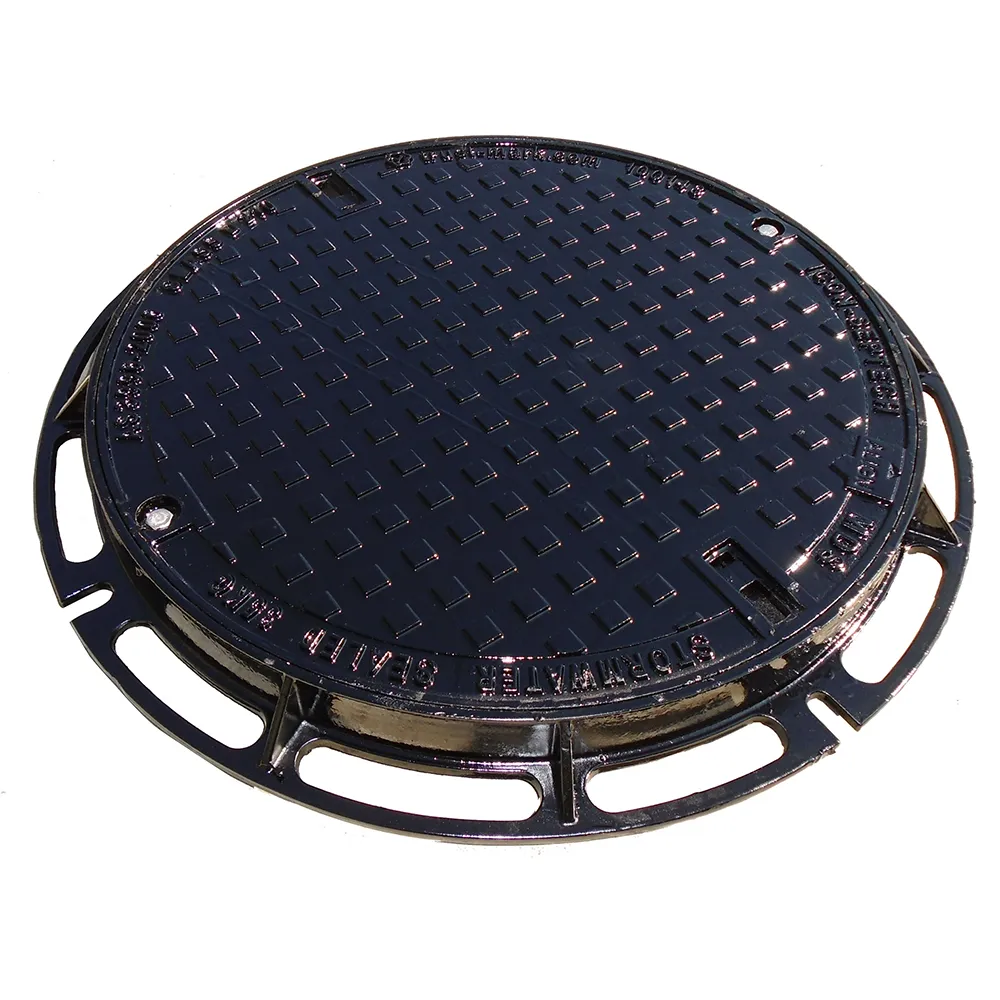
Fig 1. High-strength ductile iron drain cover, designed for superior load-bearing capacity.
Technical Specifications and Types of Drain Covers
Understanding the technical specifications of different types of drain covers is crucial for proper application. European Standard EN 124, divided into six load classes (A15 to F900), is the most widely accepted benchmark for access covers and gratings.
- Class A15: Areas which can only be used by pedestrians and pedal cyclists (min. 15 kN test load).
- Class B125: Footways, pedestrian areas, and comparable areas, car parks, or parking decks (min. 125 kN test load).
- Class C250: For gullies installed in the area of kerbside channels of roads (min. 250 kN test load).
- Class D400: Carriageways of roads (including pedestrian streets), hard shoulders, and parking areas for all types of road vehicles (min. 400 kN test load).
- Class E600: Areas imposing high wheel loads, e.g., docks, aircraft pavements (min. 600 kN test load).
- Class F900: Areas imposing particularly high wheel loads, e.g., aircraft pavements (min. 900 kN test load).
Key Material Specifications for Municipal Manhole Covers
| Property | Ductile Iron (EN-GJS-500-7) | Grey Cast Iron (EN-GJL-200) | Composite (FRP/GRP) |
|---|---|---|---|
| Tensile Strength | ≥ 500 MPa | ≥ 200 MPa | 150-300 MPa (varies) |
| Yield Strength | ≥ 320 MPa | Not applicable (brittle) | Not applicable (non-yielding) |
| Elongation | ≥ 7% | 0.5 - 1.0% | 1.5 - 2.5% |
| Density | 7.1 g/cm³ | 7.2 g/cm³ | 1.8 - 2.0 g/cm³ |
| Corrosion Resistance | Good (with coating) | Moderate (rusts easily) | Excellent |
| Weight | High | High | Low (up to 70% lighter) |
| Theft Risk | Moderate | High | Low |
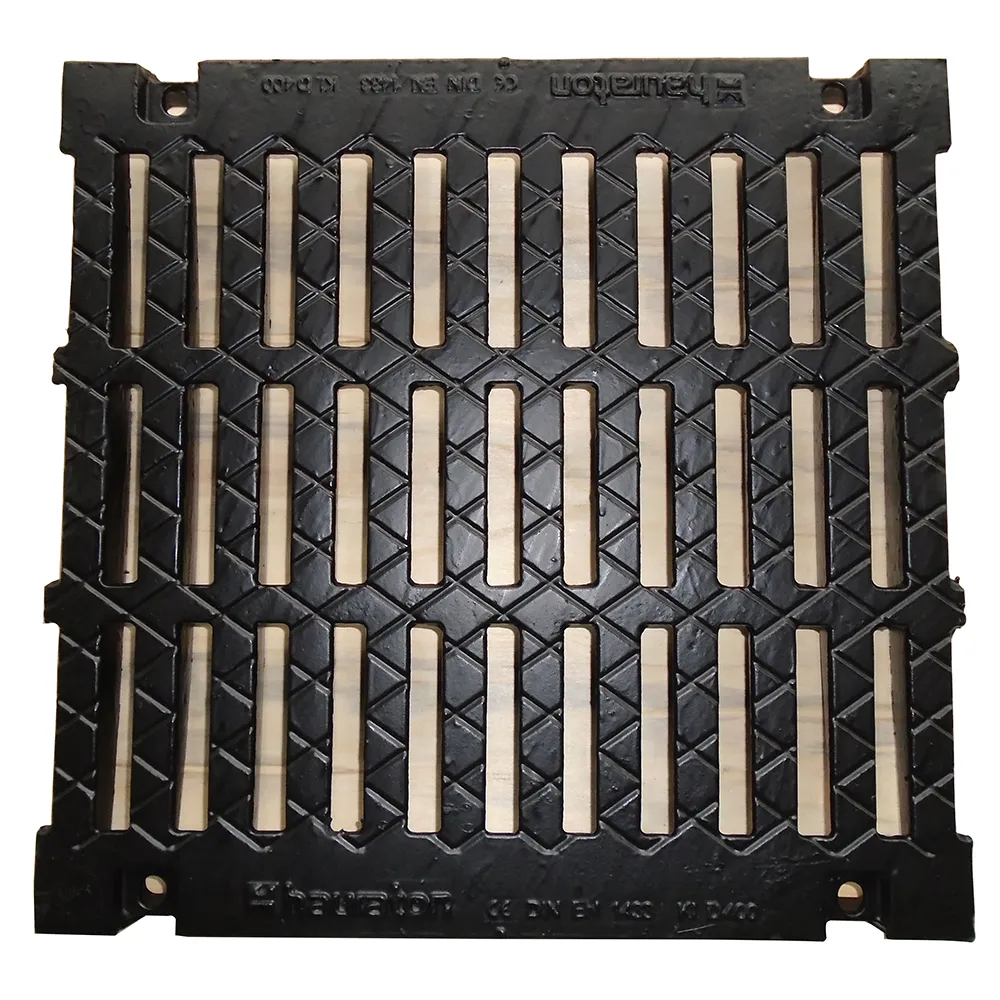
Fig 2. A range of high-performance drain covers demonstrating varying designs and load capabilities.
Manufacturing Process Flow for High-Quality Drain Covers
The production of reliable access chamber cover units involves a meticulous, multi-stage manufacturing process, typically leveraging advanced casting techniques for metallic components and precise molding for composite materials. This section outlines the general process for ductile iron drain covers.
Schematic Process Steps:
- Material Selection & Preparation: High-grade pig iron, scrap steel, and alloying elements (e.g., magnesium, silicon) are carefully selected. Raw materials are cleaned and precisely weighed according to metallurgical specifications for ductile iron.
- Melting: Materials are melted in induction furnaces, reaching temperatures exceeding 1400°C. Strict control over temperature and atmospheric conditions is maintained to ensure melt purity.
- Spheroidization Treatment: Molten iron is treated with magnesium-ferrosilicon alloys. This critical step causes the graphite in the iron to form spheroidal (nodular) structures instead of flakes, imparting ductility and strength to the cast product.
- Molding: High-pressure automatic molding lines create precise sand molds. Patterns (tooling) for the manhole cover design are crucial for achieving accurate dimensions and surface finish.
- Pouring: The treated molten ductile iron is carefully poured into the prepared sand molds. Automated pouring systems ensure consistent fill rates and minimize defects.
- Cooling & Solidification: The castings are allowed to cool gradually within the molds, a controlled process that helps prevent internal stresses and ensures optimal microstructure development.
- Shakeout & Cleaning: Once cooled, the castings are removed from the sand molds. Excess sand, risers, and gates are then separated. Initial cleaning and shot blasting remove scale and surface impurities.
- Machining & Finishing: CNC machining centers are used for precision finishing of critical surfaces, such as seating areas and hinge points, to ensure a snug fit and smooth operation. This also ensures dimensional accuracy according to ISO standards.
- Coating & Surface Treatment: Anti-corrosion coatings, typically bituminous paint or epoxy resin, are applied to enhance durability and extend service life, especially in aggressive environments like petrochemical and water supply & drainage sectors.
- Quality Control & Testing: Each batch undergoes rigorous testing. This includes chemical analysis, mechanical property testing (tensile strength, hardness), dimensional verification, non-destructive testing (NDT) such as ultrasonic or magnetic particle inspection, and load testing according to EN 124, ISO, or ANSI standards.
- Assembly & Packaging: Components like hinges, locking mechanisms, or seals are assembled. Finished products are carefully packaged to prevent damage during transit.
The emphasis on precise material composition and controlled manufacturing environments ensures that these products offer exceptional corrosion resistance and extended service life, critical for applications in metallurgy and municipal infrastructure where energy saving through efficient drainage and long product lifespan are paramount.
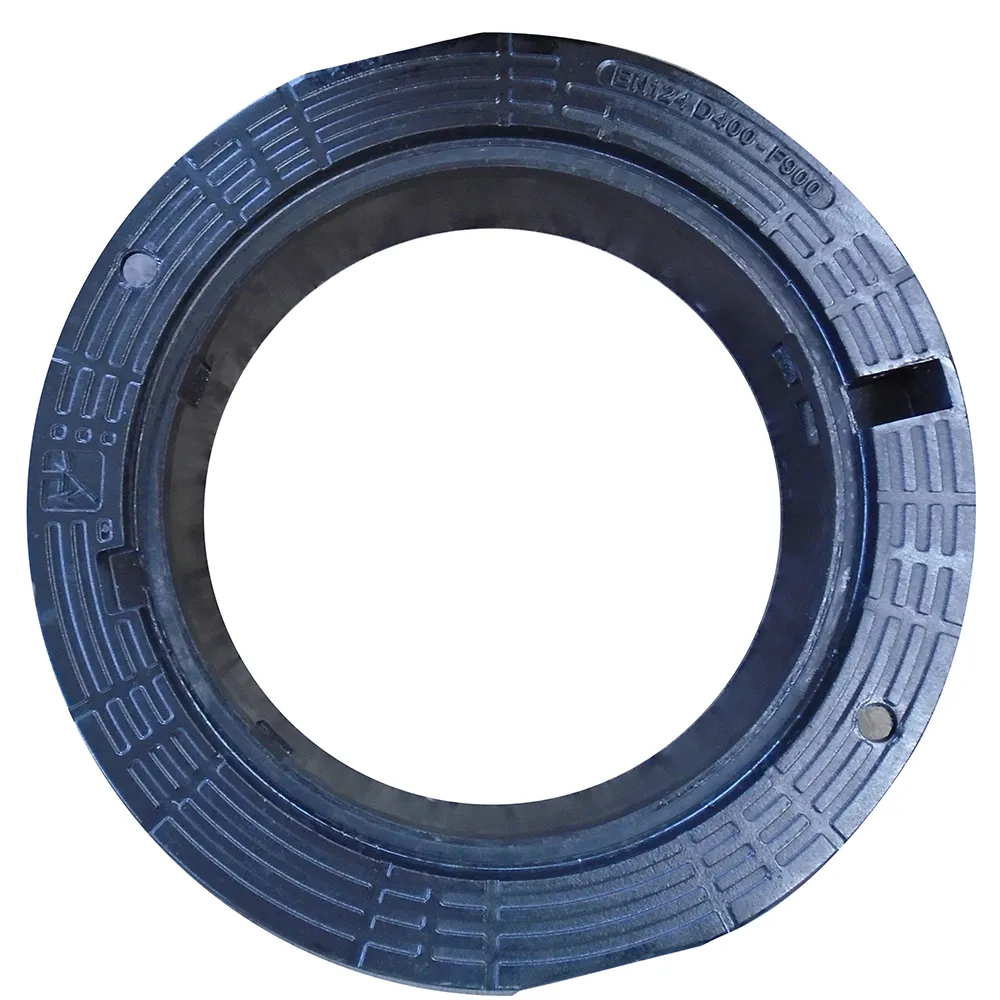
Fig 3. Quality control and precision machining stages in the production of manhole covers.
Technical Advantages and Application Scenarios
Modern drain covers for sale offer a suite of technical advantages that translate directly into operational efficiencies and enhanced safety across diverse application scenarios.
Technical Advantages:
- Exceptional Load Bearing Capacity: Engineered to meet EN 124 standards (up to F900), ensuring suitability for heavy traffic areas, airport runways, and industrial zones.
- Superior Corrosion Resistance: Ductile iron covers with specialized coatings (e.g., epoxy, hot-dip galvanization) offer prolonged resistance against aggressive chemicals, saltwater, and sewage environments, significantly extending service life.
- Enhanced Safety Features: Anti-slip surfaces, secure locking mechanisms, and robust hinge designs prevent accidents and unauthorized access.
- Durability and Longevity: Expected service life of 30+ years for high-quality ductile iron covers under normal conditions, minimizing replacement frequency and maintenance costs.
- Noise Reduction: Precision machining and advanced sealing technologies minimize rattling and movement, contributing to quieter urban environments.
- Ease of Installation and Maintenance: Optimized design features, including lifting points and ergonomic handling, facilitate quick and safe installation and subsequent access for maintenance.
Typical Application Scenarios:
The versatility of these engineered solutions makes them indispensable across various critical sectors:
- Municipal Water Supply & Drainage: Standard D400 and F900 covers for sewers, stormwater drains, and water utility access points in urban and suburban areas.
- Telecommunications & Electrical Utilities: Secure mini access chamber cover and standard manhole covers for protecting fiber optic cables, electrical conduits, and junction boxes.
- Roads, Highways, and Airports: Heavy-duty D400, E600, and F900 covers capable of withstanding constant heavy vehicular traffic and aircraft loads.
- Industrial Facilities: Covers designed for specific chemical resistance and heavy point loads in petrochemical plants, power generation facilities, and manufacturing sites.
- Ports and Docks: High-strength, corrosion-resistant solutions for environments exposed to saltwater and extreme loads.
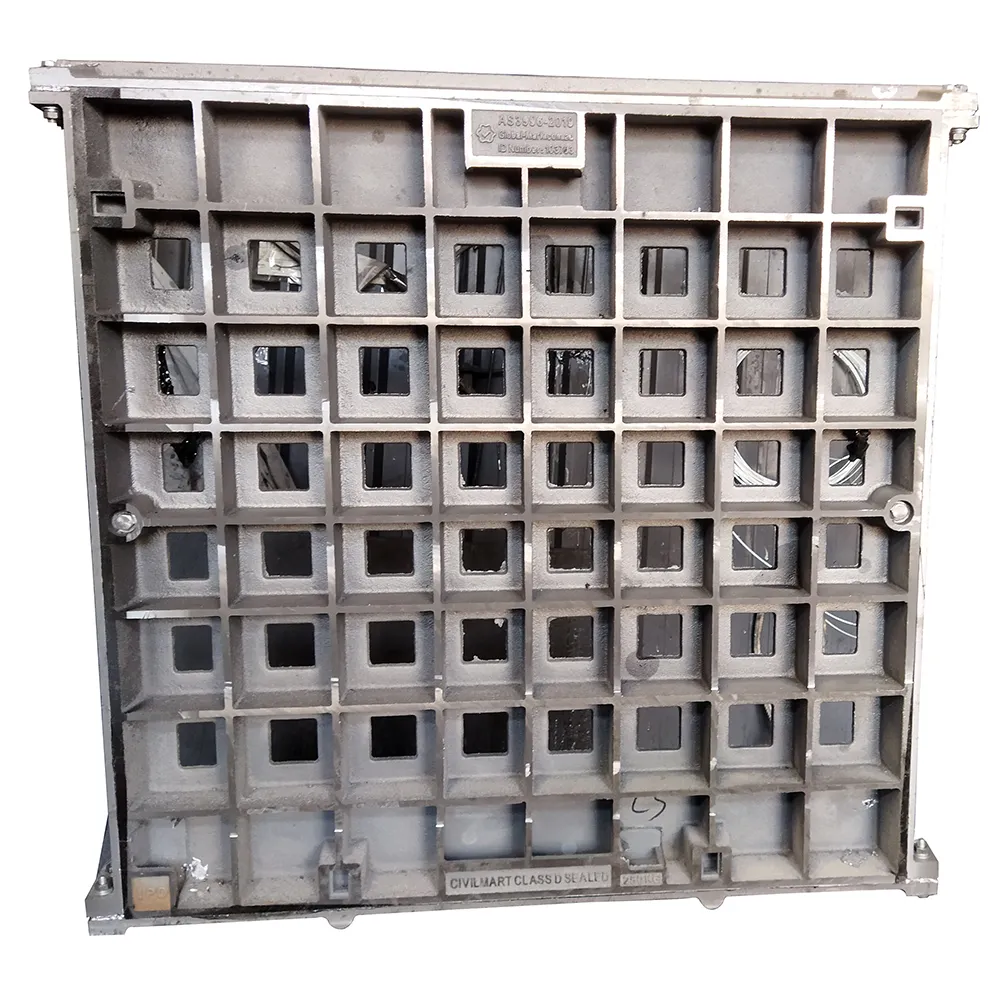
Fig 4. Installation of a heavy-duty drain cover in a demanding urban environment.
Vendor Comparison and Customized Solutions
When sourcing drain covers for sale, B2B decision-makers must evaluate vendors based on a comprehensive set of criteria beyond mere product price. A thorough comparison involves assessing material quality, manufacturing consistency, certifications, customization capabilities, and post-sales support.
Key Vendor Comparison Parameters:
| Criterion | Leading Manufacturer (e.g., Kaihua Casting) | Standard Supplier | Budget Supplier |
|---|---|---|---|
| Material Quality & Certification | Ductile Iron EN-GJS-500-7, ISO 9001, CE, SGS tested. | Ductile Iron (generic), basic certifications. | Mixed materials, often lacking verifiable certs. |
| Manufacturing Process | Automated casting, CNC machining, robust QC. | Semi-automated, manual finishing, moderate QC. | Basic casting, minimal finishing, limited QC. |
| Load Class Range | A15 to F900 (full range) | B125 to D400 (common range) | A15 to C250 (light duty) |
| Customization Capabilities | Full bespoke design, branding, material mixes. | Minor modifications, logo insertion. | Standard sizes only. |
| Warranty & Support | Extensive warranty, dedicated technical support, long-term parts availability. | Standard 1-year warranty, basic support. | Limited warranty, often poor support. |
| Lead Time Consistency | Reliable, communicated lead times for standard & custom orders. | Variable, delays possible for larger orders. | Often inconsistent, prone to significant delays. |
Customized Solutions:
Recognizing that every infrastructure project has unique requirements, leading manufacturers offer extensive customization options. This includes:
- Specific Dimensions and Shapes: Tailoring covers to non-standard pit sizes or unique access points.
- Load Class Adaptation: Engineering covers for precise load requirements, optimizing material usage and cost.
- Application-Specific Materials: Utilizing special alloys or composite formulations for extreme environments (e.g., highly corrosive areas, high-temperature zones).
- Branding and Markings: Incorporating municipal logos, utility company identifiers, or specific textual warnings directly onto the cover.
- Integrated Features: Adding specialized locking systems, hinge designs, ventilation holes, or sensor integration points.
- Surface Finishes: Customized anti-skid patterns or aesthetic treatments to blend with urban landscaping.
Application Case Studies and Customer Feedback
Real-world deployments demonstrate the tangible benefits of high-quality drain covers.
Case Study 1: Major Metropolitan Stormwater Project
- Challenge: A large metropolitan area required robust storm drain covers for sale capable of handling extreme hydraulic loads during flash floods and heavy urban traffic (D400 class). The existing covers were failing due to corrosion and insufficient load capacity.
- Solution: Implementation of ductile iron storm drain covers featuring an optimized grating design for maximum flow capacity and a specialized epoxy coating for enhanced corrosion resistance. Integrated locking mechanisms were included to prevent displacement during peak water flow and deter theft.
- Outcome: After three years in service, the new covers have exhibited zero failures, significantly improved stormwater drainage efficiency, and eliminated previous maintenance issues related to cover displacement. The city reported a 15% reduction in drainage-related emergency calls during storm events.
Case Study 2: Industrial Petrochemical Facility
- Challenge: A major petrochemical refinery needed access covers for underground utility chambers that could withstand exposure to corrosive chemicals, high point loads from specialized vehicles (E600 class), and maintain integrity in a hazardous environment.
- Solution: Custom-engineered ductile iron covers with a multi-layer chemical-resistant coating and reinforced frame structure were supplied. These covers incorporated gas-tight seals to prevent vapor egress from the chambers and featured specialized lifting keys for safe operation by plant personnel.
- Outcome: The customized covers have been in continuous service for over seven years without any degradation in structural integrity or protective coating. The client reported enhanced safety protocols and reduced environmental risks due to the secure and chemical-resistant design.
Customer Feedback Excerpt:
"We've been procuring our drain covers for sale from Kaihua Casting for over a decade. Their commitment to EN 124 standards and their ability to provide custom solutions for our varying municipal needs, from busy intersections to pedestrian zones, has been unparalleled. The longevity and reliability of their products have significantly reduced our long-term maintenance costs and increased public safety. Their technical support team is always responsive and knowledgeable."
Trustworthiness: FAQ, Lead Time, Warranty, and Support
Frequently Asked Questions (FAQ):
- Q: What standards do your drain covers comply with?
- A: Our municipal manhole covers adhere rigorously to international standards, primarily EN 124 for load classification, and are produced under ISO 9001 quality management systems. Additional certifications such as CE marking and SGS testing reports are available upon request.
- Q: How do I determine the correct load class for my project?
- A: The appropriate load class (e.g., A15, B125, D400, F900) depends on the expected traffic type and weight. Our technical sales team can assist you in making this critical selection based on your specific application, local regulations, and projected loads.
- Q: Are anti-theft features available?
- A: Yes, many of our drain covers for sale can be equipped with various anti-theft mechanisms, including specialized locking bolts, hinges, and non-metallic composite options to deter unauthorized removal.
- Q: Can you produce custom sizes or designs?
- A: Absolutely. We specialize in customized solutions. Our engineering team works closely with clients to design and manufacture drain covers to precise specifications, including unique dimensions, load requirements, and surface markings.
Lead Time and Fulfillment:
Standard products typically have a lead time of 3-4 weeks from order confirmation to shipment, depending on volume. For customized orders, lead times may vary from 6-10 weeks, largely influenced by design complexity, tooling requirements, and material sourcing. We maintain strong logistics partnerships to ensure efficient global delivery, providing transparent tracking and communication throughout the fulfillment process. Expedited options are available for urgent projects.
Warranty Commitments:
We stand by the quality of our municipal manhole covers with a comprehensive 5-year warranty against manufacturing defects and material failures under normal operating conditions. This warranty reflects our confidence in our rigorous production processes and the durability of our materials. Specific project warranties or extended service agreements can be negotiated for large-scale infrastructure projects.
Customer Support:
Our dedicated customer support team is available from Monday to Friday, 9:00 AM to 5:00 PM (GMT+8). We offer technical consultation, installation guidance, and prompt assistance with any inquiries. For immediate support, please contact us via phone at +86-532-85013328 or email at info@kaihuacasting.com. We are committed to providing comprehensive after-sales service to ensure the long-term satisfaction and operational success of our clients.
Conclusion
The strategic investment in high-quality drain covers is a fundamental pillar of resilient and sustainable infrastructure development. By understanding the intricate manufacturing processes, adhering to stringent technical specifications, and leveraging advanced materials, stakeholders can ensure the longevity, safety, and operational efficiency of their utility networks. The shift towards innovative materials, smart integration, and robust anti-corrosion solutions underscores a global commitment to superior infrastructure components. As urbanization continues and climate challenges intensify, the demand for expertly engineered access solutions will only grow, emphasizing the crucial need for reliable partners specializing in these critical products.
References
- European Standard EN 124: Gully Tops and Manhole Covers for Vehicular and Pedestrian Areas - Design Requirements, Type Testing, Marking, Quality Control. British Standards Institution, 2015.
- International Organization for Standardization (ISO) 9001:2015: Quality management systems — Requirements.
- Iron & Steel Technology. Association for Iron & Steel Technology.
- Journal of Composite Materials. SAGE Publications.