


Explore Brake Drum Types: Durable & Reliable Drums For Sale
Introduction to Advanced Brake Drum Technologies
Brake drums are critical components in the braking systems of various vehicles and industrial machinery, integral to ensuring operational safety and efficiency. As the demand for robust and reliable braking solutions intensifies across sectors like transportation, mining, and heavy manufacturing, understanding the intricacies of different brake drum types becomes paramount. This comprehensive guide delves into the advanced engineering, manufacturing processes, and diverse applications of modern brake drums, offering insights crucial for B2B decision-makers and technical professionals seeking optimal braking solutions.
Current Industry Trends in Brake Drum Technology
The brake drum market is continually evolving, driven by advancements in material science, manufacturing precision, and increasing regulatory demands for safety and environmental performance. Key trends include the development of lighter, more durable materials that enhance fuel efficiency and reduce unsprung mass. Innovations in composite materials, such as those combining high-strength steel with advanced cast irons, are emerging to improve heat dissipation and wear resistance. Furthermore, the push towards electrification in commercial vehicles is influencing brake system design, requiring components that can withstand different load profiles and regeneration strategies. Manufacturers are also focusing on smart manufacturing techniques, leveraging automation and data analytics to achieve higher precision and consistency in production. This focus ensures that brake drums, whether for heavy-duty applications or lighter commercial use, meet stringent performance benchmarks and offer extended service life, ultimately reducing operational costs for fleet operators and industrial clients.
The global market for automotive braking systems, including brake drum components, is projected to grow significantly, fueled by increasing vehicle production and the demand for enhanced safety features. Emerging markets, particularly in Asia, are seeing a rapid expansion in commercial vehicle fleets, driving demand for reliable and cost-effective brake drum for sale. The emphasis on reduced noise, vibration, and harshness (NVH) also plays a role in material selection and design refinement for various braking systems.
Understanding Different Brake Drum Types: Technical Specifications and Applications
Different application scenarios necessitate specific brake drum types, each optimized for distinct performance characteristics. The primary categories often include standard duty, heavy-duty, composite, and ribbed or finned designs, each engineered to address varying levels of thermal load, structural stress, and desired service life. Selection is critical, directly impacting vehicle safety, operational efficiency, and maintenance cycles.
Key Brake Drum Specification Parameters
| Parameter | Typical Range / Description | Importance |
|---|---|---|
| Material Grade | Gray Iron (HT200, HT250, HT300/GG20, GG25, GG30), Ductile Iron (QT450-10, QT500-7) | Dictates wear resistance, heat conductivity, and tensile strength. HT250/GG25 is common for trucks. |
| Nominal Diameter | 250mm to 500mm (10" to 20") for commercial vehicles; up to 800mm+ for heavy machinery. | Affects braking torque and surface area for heat dissipation. |
| Brake Surface Width | 100mm to 300mm (4" to 12"). | Determines friction area with brake shoes, influencing braking power and wear. |
| Drum Weight | 20kg to 150kg+ depending on application (e.g., for semi truck brake drums for sale). | Lighter drums improve fuel efficiency and handling, but must maintain strength. |
| Max Operating Temperature | Up to 350°C (662°F) sustained, with peaks up to 500°C (932°F) for short durations. | Critical for resisting brake fade and thermal cracking. |
| Hardness (Brinell) | 187-241 HB for Gray Iron, specific ranges for Ductile Iron. | Indicates wear resistance and machinability. |
Manufacturing Process Flow for High-Performance Brake Drums
The production of high-quality brake drum components involves a multi-stage process, meticulously controlled to meet stringent performance and safety standards. This detailed flow ensures superior material integrity, dimensional accuracy, and optimal braking characteristics.
- Material Selection & Preparation: The process begins with selecting high-grade raw materials, primarily Gray Cast Iron (e.g., HT250, HT300 per ASTM A159/SAE J431 or GG25, GG30 per EN 1561) or occasionally Ductile Iron for specific heavy-duty or lightweight applications. These materials are chosen for their excellent thermal conductivity, wear resistance, and damping properties. Raw iron ingots, scrap steel, and alloying elements are precisely measured and melted in induction furnaces, allowing for tight control over chemical composition to achieve desired metallurgical properties.
-
Casting:
- Mold Preparation: For most brake drums, green sand casting or resin-bonded sand casting processes are employed. High-precision patterns create the mold cavities, incorporating risers and gates to ensure proper metal flow and solidification.
- Pouring: Molten metal, at precisely controlled temperatures (typically 1400-1500°C), is poured into the prepared molds. Advanced pouring techniques minimize turbulence and entrapment of impurities.
- Solidification: The cast parts cool and solidify. The cooling rate is carefully managed to achieve a fine, uniform grain structure and prevent internal stresses or defects like shrinkage.
- Shakeout & Fettling: Once solidified, the castings are removed from the molds (shakeout). Excess material, such as risers and gates, is then removed (fettling) using grinding or cutting tools.
- Heat Treatment (Optional, for specific grades): Some specialized brake drums, especially those made from ductile iron or requiring specific microstructures for enhanced durability, may undergo heat treatment processes like annealing or normalizing to relieve stress and refine grain structure.
-
CNC Machining: This is a critical stage for achieving the precise dimensions and surface finishes required.
- Rough Machining: Initial turning and boring operations remove casting skin and bring the drum close to its final dimensions.
- Fine Machining & Finishing: Precision CNC lathes are used to machine the braking surface, mounting face, and hub bore to extremely tight tolerances. The braking surface typically achieves a surface roughness (Ra) of 1.6-3.2 µm for optimal friction material engagement.
- Dynamic Balancing: For heavy-duty applications and high-speed vehicles, drums are dynamically balanced to eliminate vibrations and ensure smooth operation.
- Surface Treatment (Optional): Depending on the application, drums may receive coatings (e.g., anti-corrosion paints, e-coating) to enhance resistance to environmental factors, especially for brake drums for sale in regions with harsh climates.
-
Quality Control & Testing: Rigorous testing is performed at various stages.
- Chemical Analysis: Spectrographic analysis of molten metal ensures correct composition.
- Mechanical Property Testing: Tensile strength, hardness (Brinell Hardness per ASTM E10), and impact resistance tests are conducted on test samples.
- Dimensional Inspection: CMMs (Coordinate Measuring Machines) and precision gauges verify all critical dimensions against engineering drawings and standards like ISO 2768-1.
- Non-Destructive Testing (NDT): Ultrasonic testing, magnetic particle inspection, or eddy current testing may be used to detect internal flaws or surface cracks.
- Performance Testing: Dynamometer testing may simulate real-world braking conditions to evaluate fade resistance, stopping power, and noise characteristics.
- Packaging & Shipping: Finished brake drums are carefully packaged to prevent damage during transit and dispatched globally.
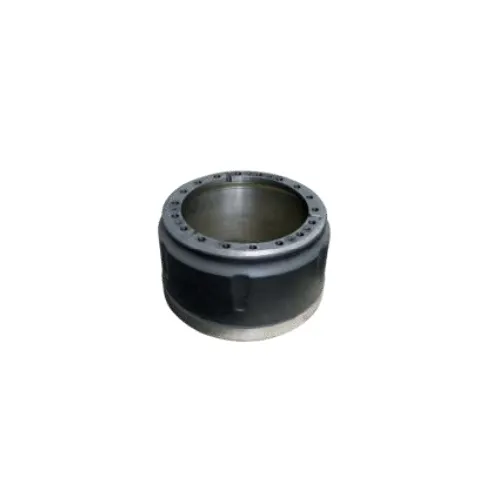
This rigorous process ensures that each brake drum meets or exceeds international standards such as ISO 9001 for quality management and relevant ANSI/SAE standards for performance and material specifications. The typical service life of a well-maintained heavy-duty brake drum can range from 150,000 to 300,000 kilometers, depending on driving conditions, load, and brake lining quality.
Target Industries and Application Advantages
- Petrochemical Industry: Drums for specialized transport vehicles or stationary equipment operating in corrosive and high-temperature environments. Advantages include enhanced corrosion resistance through material selection and surface treatments.
- Metallurgy: Heavy-duty drums for machinery handling extreme loads and heat, such as overhead cranes or specialized transporters within steel mills. Benefit from superior heat dissipation and structural integrity.
- Water Supply & Drainage: Equipment used in municipal services often requires robust braking under varying weather conditions. Our drums offer consistent performance and longevity.
- Commercial Transportation (Semi Trucks, Buses, Trailers): For semi truck brake drums for sale, enhanced durability, reduced weight (for fuel efficiency), and superior thermal management are critical. These lead to significant energy savings and extended component life, reducing total cost of ownership.
- Mining & Construction: Vehicles and machinery in these sectors face abrasive conditions and heavy, continuous braking. Drums designed for these environments offer exceptional wear resistance and reliability.
Technical Advantages of Advanced Brake Drum Types
Modern brake drum designs incorporate several technical advantages that enhance overall braking system performance and reliability, crucial for demanding B2B applications.
- Superior Heat Dissipation: Advanced designs, including ribbed or finned drums, significantly increase surface area, allowing for more efficient heat transfer away from the braking surface. This reduces thermal fatigue and the likelihood of brake fade during prolonged or heavy braking, a critical factor for heavy-duty vehicles and industrial machinery.
- Enhanced Structural Integrity: Optimized casting processes and precise material compositions result in drums with high tensile strength and fatigue resistance. This minimizes the risk of cracking or deformation under extreme braking forces and high temperatures, ensuring longer service intervals and fewer unexpected failures.
- Reduced Brake Fade: By maintaining consistent friction coefficients even at elevated temperatures, advanced brake drums prevent the characteristic loss of braking power known as brake fade. This is achieved through a combination of material selection for thermal stability and design features that manage heat buildup effectively.
- Extended Service Life and Lower TCO: The combination of robust materials, superior heat management, and precise manufacturing translates into brake drums that last longer, even under severe operating conditions. This extended life cycle reduces replacement frequency and maintenance costs, contributing to a lower total cost of ownership for fleet operators and industrial clients.
- Improved NVH (Noise, Vibration, Harshness) Characteristics: Precision machining and dynamic balancing minimize vibrations and noise during braking, contributing to a smoother and more comfortable operation for vehicle occupants and reducing wear on other connected components.
- Weight Optimization: While ensuring durability, manufacturers are also developing designs and material combinations (e.g., composite drums) that reduce overall drum weight. This contributes to better fuel economy and increased payload capacity for commercial vehicles without compromising safety.
Vendor Comparison: Selecting the Right Brake Drum Supplier
Choosing a reliable supplier for brake drum components is a strategic decision that impacts fleet uptime, safety, and operational costs. A thorough evaluation of potential vendors involves assessing their technical capabilities, quality assurance, customization options, and after-sales support.
Comparative Analysis of Brake Drum Suppliers
| Feature/Criterion | Kaihua Casting (Example) | Competitor A (Industry Average) | Competitor B (Premium Niche) |
|---|---|---|---|
| Material Grades Offered | HT200-HT300 (GG20-GG30), QT450-10, tailored alloys. | Mainly HT250 (GG25). | Specialized composites, high-nickel alloys. |
| Certifications | ISO 9001:2015, IATF 16949 compliant processes, various national standards. | Basic ISO 9001. | ISO 9001, TÜV, independent performance test reports. |
| Customization Capabilities | Extensive engineering support for bespoke dimensions, materials, and designs. | Limited, primarily standard modifications. | High-end R&D for unique, low-volume applications. |
| Lead Time (Standard Orders) | 3-5 weeks (negotiable for volume/urgent orders). | 6-8 weeks. | 8-12 weeks. |
| After-Sales Support | Dedicated technical support, warranty, parts availability. | Basic warranty. | Comprehensive, including on-site assistance. |
Vendors like Kaihua Casting, with years of experience and a robust commitment to quality, stand out by offering a balance of high-performance products, flexible customization, and reliable global supply chain management. This ensures that clients receive not just a product, but a complete solution tailored to their operational demands, whether they are looking for brake drum for sale or bulk orders of brake drums for sale for their fleets.
Customized Solutions for Specific Applications
Recognizing that off-the-shelf solutions may not always meet the unique demands of specialized industries, leading manufacturers offer extensive customization capabilities for various brake drum types. This bespoke approach ensures optimal performance, compatibility, and longevity, even in the most challenging operating environments.
- Material Tailoring: Custom alloying can enhance specific properties such as wear resistance, thermal fatigue resistance, or corrosion resistance. For example, adding chromium or molybdenum can improve high-temperature performance, while specific graphite structures in cast iron can optimize damping characteristics.
- Dimensional and Design Adjustments: Drums can be engineered to fit non-standard axle configurations, wheel sizes, or braking system components. This includes modifications to the inner diameter, mounting flange, bolt patterns, and overall drum geometry.
- Surface Treatments and Coatings: Specialized coatings, such as ceramic-based, anti-corrosion, or friction-enhancing treatments, can be applied to improve environmental resistance, reduce wear, or fine-tune friction characteristics for specific brake lining materials.
- Weight Optimization and Balancing: For performance-critical applications, drums can be designed with optimized wall thicknesses or incorporate lightweight hub materials (in composite designs) to reduce unsprung mass. Precision dynamic balancing is then performed to extremely tight tolerances to prevent vibrations at high speeds.
- Integrated Solutions: Working closely with clients, manufacturers can develop integrated hub-drum assemblies, reducing component count and simplifying installation for complex industrial machinery or specialized vehicle platforms.
These customization services are typically backed by extensive engineering expertise, CAD/CAM capabilities, and simulation tools (like FEA) to ensure that custom designs meet or exceed performance expectations before physical prototyping. This approach guarantees that even niche requirements for brake drum applications are met with precision and reliability.
Application Case Studies
Real-world applications demonstrate the tangible benefits of choosing high-quality, appropriately engineered brake drum types. These case studies highlight enhanced safety, reduced maintenance, and improved operational efficiency.
Case Study 1: Heavy-Duty Logistics Fleet (Semi-Trucks)
A major logistics company operating a fleet of 500+ semi-trucks experienced frequent brake drum replacements and issues with brake fade on long-haul routes through mountainous terrain. Their existing drums, while meeting basic specifications, struggled with consistent heat management under sustained heavy braking. After consulting with a leading manufacturer, they transitioned to specialized heavy-duty gray cast iron drums (HT275/GG27) with an optimized finned design, specifically marketed as premium semi truck brake drums for sale. These drums offered a 25% increase in heat dissipation surface area and improved internal microstructure for enhanced thermal stability. After a year of deployment, the fleet reported a 30% reduction in brake drum replacement frequency and a significant decrease in brake fade incidents, leading to improved driver safety and an estimated 15% reduction in annual maintenance costs related to braking systems. Customer feedback highlighted "remarkably consistent braking performance, even on severe downhill grades."
Case Study 2: Mining Operations (Haul Trucks)
In an open-pit mining environment, haul trucks carrying massive loads faced extreme braking demands, exacerbated by abrasive dust and steep inclines. Standard brake drums suffered from rapid wear and thermal cracking. A customized solution was developed, utilizing ductile iron (QT500-7) drums with specialized internal ribbing for structural reinforcement and an anti-abrasion surface treatment. The drums were designed to withstand higher dynamic loads and extreme temperatures. The client observed a doubling of brake drum service life from 6 months to 12-14 months, significantly reducing downtime for brake maintenance. The enhanced material and design also improved safety by providing more reliable braking under harsh operating conditions, demonstrating the value of robust brake drums for sale engineered for specific heavy industrial applications.
Case Study 3: Urban Public Transportation (Buses)
A municipal bus transit authority required brake drum solutions that could endure frequent stop-and-go cycles, high passenger loads, and ensure passenger comfort. Noise and vibration were also significant concerns. The solution involved high-grade gray cast iron drums (HT250/GG25) precision-machined and dynamically balanced to minimize NVH. Furthermore, the drums featured optimized thermal mass to cope with the repetitive braking cycles common in urban routes without excessive heat buildup. The outcome was a marked improvement in brake feel, a reduction in brake-related noise complaints from passengers, and an increase in the average service life of the drums by 20% compared to previous components. This demonstrated how tailored brake drums can directly contribute to both operational efficiency and public satisfaction.
Ensuring Trust and Reliability: Your Partner in Braking Solutions
At Kaihua Casting, our commitment to Google standards is embedded in every aspect of our operations, from product development to customer service. We understand that for B2B clients, trust is built on verifiable expertise, proven experience, authoritative certifications, and transparent business practices.
Frequently Asked Questions (FAQ)
-
Q: What is the primary difference between Gray Iron and Ductile Iron brake drums?
A: Gray Iron (e.g., HT250/GG25) is commonly used due to its excellent thermal conductivity, vibration damping, and consistent friction properties, making it ideal for most heavy-duty applications. Ductile Iron (e.g., QT500-7) offers higher tensile strength and ductility, making it suitable for applications requiring superior resistance to impact and fracture, often used in more specialized or heavy-load scenarios where robustness is paramount. -
Q: How do your brake drums ensure energy saving?
A: Our advanced brake drums contribute to energy savings primarily through optimized weight and superior thermal management. Lighter drums reduce unsprung mass, improving fuel efficiency. Effective heat dissipation minimizes brake fade, allowing the braking system to operate efficiently without excessive energy loss as heat, and reduces the need for frequent replacements. -
Q: What testing standards do your brake drum types adhere to?
A: Our manufacturing processes and products strictly adhere to international quality standards including ISO 9001:2015. Product performance and material specifications comply with relevant ASTM, SAE, EN, and GB standards (e.g., ASTM A159/SAE J431 for cast iron, EN 1561 for gray cast iron, ANSI for dimensional tolerances). Every batch undergoes rigorous chemical analysis, hardness testing, dimensional inspection, and dynamic balancing. -
Q: What is the typical lead time for an order of brake drums for sale?
A: For standard product lines, our typical lead time is 3-5 weeks from order confirmation to shipment. For highly customized solutions or very large volume orders, lead times may extend to 6-8 weeks, depending on complexity and material availability. We offer expedited options for urgent requirements, subject to negotiation and production schedule. -
Q: What warranty do you offer on your brake drums?
A: We provide a comprehensive warranty against manufacturing defects and material failures under normal operating conditions. Specific warranty periods vary by product type and application, typically ranging from 12 to 24 months or a specified mileage/operating hours. Details are provided with each quotation and order confirmation. Our goal is to ensure your complete satisfaction and provide peace of mind regarding product reliability.
Lead Time & Fulfillment
Our streamlined production process and robust supply chain enable efficient fulfillment of orders. Standard brake drum orders typically have a lead time of 3-5 weeks. For custom designs or large-scale projects, we provide detailed project timelines and work closely with clients to meet specific delivery schedules. We manage logistics carefully to ensure on-time delivery globally, leveraging established partnerships with freight forwarders.
Warranty Commitments
We stand behind the quality of our brake drum components. All products are backed by a standard warranty covering material and manufacturing defects. Our commitment reflects our confidence in our stringent quality control and superior engineering. For specific warranty terms applicable to your order, please refer to your sales agreement or contact our support team.
Customer Support & Technical Assistance
Our dedicated customer support team and experienced technical engineers are available to assist with product selection, technical inquiries, installation guidance, and any post-sales support. We provide comprehensive documentation, troubleshooting assistance, and spare parts availability to ensure seamless integration and long-term performance of our brake drums in your applications. Reach out via phone, email, or our website for prompt and professional assistance.
Conclusion
The selection of appropriate brake drum types is a critical determinant of operational safety, efficiency, and overall cost-effectiveness for a wide array of industrial and commercial applications. By understanding the intricate manufacturing processes, technical specifications, and application-specific advantages discussed, B2B decision-makers can make informed choices that leverage advanced material science and precision engineering. Partnering with a reputable manufacturer committed to quality, customization, and comprehensive support ensures access to reliable, high-performance braking solutions that meet the demanding requirements of today's global industries. Investing in superior brake drum technology translates directly into enhanced safety, reduced downtime, and a lower total cost of ownership, securing long-term operational success.
References
- ASTM International. ASTM A159/A159M-18, Standard Specification for Automotive Gray Iron Castings. Available from: astm.org
- SAE International. SAE J431, Automotive Gray Iron Castings. Available from: sae.org
- ISO. ISO 9001:2015, Quality management systems — Requirements. Available from: iso.org
- European Committee for Standardization. EN 1561:2011, Founding - Grey cast irons. Available from: cencenelec.eu
- Brake & Front End Magazine. "Heavy-Duty Brake Drum Technology." Annual Industry Report.