


Heavy-Duty Air Chamber Bracket | Reliable Brake Components
Introduction to Advanced Brake Chamber Mounting Solutions
In the realm of heavy-duty commercial vehicles, the reliability and safety of braking systems are paramount. At the core of these systems, components like the air chamber bracket play a critical, though often overlooked, role. This robust component serves as the essential mounting point for the brake air chamber, securely attaching it to the vehicle's axle or chassis. Its primary function is to withstand significant operational stresses, including vibrations, impacts, and the forces generated during braking, ensuring that the brake chamber remains stable and functions correctly. A failure in this seemingly simple part can lead to catastrophic consequences, underlining the importance of precision engineering and high-quality manufacturing.
This article delves into the technical intricacies, manufacturing processes, application versatility, and strategic advantages of state-of-the-art brake chamber mounting brackets, focusing on solutions that meet the demanding performance requirements of modern commercial fleets.
Industry Trends and Market Dynamics in Braking Components
The global market for commercial vehicle braking systems is experiencing continuous evolution driven by stringent safety regulations, advancements in material science, and the increasing demand for enhanced vehicle performance and uptime. Key trends include a shift towards lighter, yet stronger materials to improve fuel efficiency without compromising structural integrity. There's also a growing emphasis on corrosion resistance, particularly for vehicles operating in harsh environments or those with extended service lives. The integration of advanced manufacturing techniques, such as precision CNC machining and automated quality control, is becoming standard to achieve tighter tolerances and superior finish quality.
Furthermore, the rise of electric and autonomous commercial vehicles is prompting component redesigns to accommodate new chassis architectures and braking demands. Suppliers of components like the air chamber bracket are continually innovating to meet these evolving requirements, focusing on modular designs, easier installation, and reduced maintenance. The push for sustainability also influences material selection and manufacturing processes, with a preference for recyclable materials and energy-efficient production.
Market Growth Projections:
- The global commercial vehicle braking system market is projected to reach USD 25 billion by 2028, growing at a CAGR of 4.5% from 2023. (Source: Market Research Future)
- Demand for durable and corrosion-resistant brake components is particularly strong in regions with harsh climates and long-haul transportation needs.
- Increased focus on vehicle safety standards (e.g., UNECE R13, FMVSS 121) drives the adoption of high-quality brake chamber brackets.
Manufacturing Process Flow: Engineering Excellence
The production of a high-performance brake chamber bracket is a testament to precision engineering and stringent quality control. Our manufacturing process combines advanced metallurgy with state-of-the-art machining and testing to ensure superior product integrity and performance. The typical process flow for our air chamber brackets involves several critical stages:
Detailed Process Steps:
-
Material Selection (Ductile Iron, Forged Steel Alloys):
Initial selection involves high-grade ductile iron (e.g., GGG50) or specialized steel alloys (e.g., AISI 4140, 1045) known for their exceptional strength-to-weight ratio, fatigue resistance, and impact toughness. These materials are chosen to meet demanding operational loads and environmental conditions, offering excellent resistance to corrosion when treated appropriately. Our materials are sourced from certified suppliers, ensuring compliance with international standards like ASTM A536 for ductile iron.
-
Casting or Forging:
Depending on the design and material, the initial component shape is formed. For ductile iron, sand casting or lost foam casting techniques are employed to achieve intricate geometries with minimal material waste. For steel, hot forging is often used, providing superior grain structure and mechanical properties, making the component incredibly robust and resistant to fatigue. Both methods are meticulously controlled for temperature and pressure.
-
Heat Treatment:
Components undergo specific heat treatment processes such as normalization, quenching, and tempering. This refines the microstructure, increases hardness, and enhances tensile strength and impact resistance. Each heat treatment cycle is tailored to the specific material and desired performance characteristics, rigorously monitored to prevent defects.
-
CNC Machining:
Precision CNC machining is critical for achieving the exact dimensions, surface finishes, and mounting hole alignments required for seamless integration with brake chambers and vehicle chassis. This stage ensures tight tolerances, often down to +/- 0.02 mm, which is vital for proper fit and long-term durability. Modern multi-axis CNC centers are utilized to maintain consistency and efficiency.
-
Surface Treatment/Coating:
To maximize service life and corrosion resistance, components receive surface treatments. Options include E-coating (electrophoretic deposition), powder coating, zinc plating, or hot-dip galvanizing. These coatings provide an effective barrier against rust, road salts, and harsh chemicals, significantly extending the operational lifespan of the air brake chamber bracket.
-
Quality Control & Testing:
Every batch undergoes rigorous quality checks. This includes material composition analysis (spectrometer), dimensional inspection (CMM), non-destructive testing (NDT) such as magnetic particle inspection or ultrasonic testing for internal flaws, hardness testing, and fatigue testing. Products must conform to international standards such as ISO 9001, ANSI, and applicable automotive industry standards to ensure maximum safety and performance.
-
Packaging and Delivery:
Components are carefully packaged to prevent damage during transit, using robust materials and methods suitable for international shipping. Each package is clearly labeled for identification and traceability.
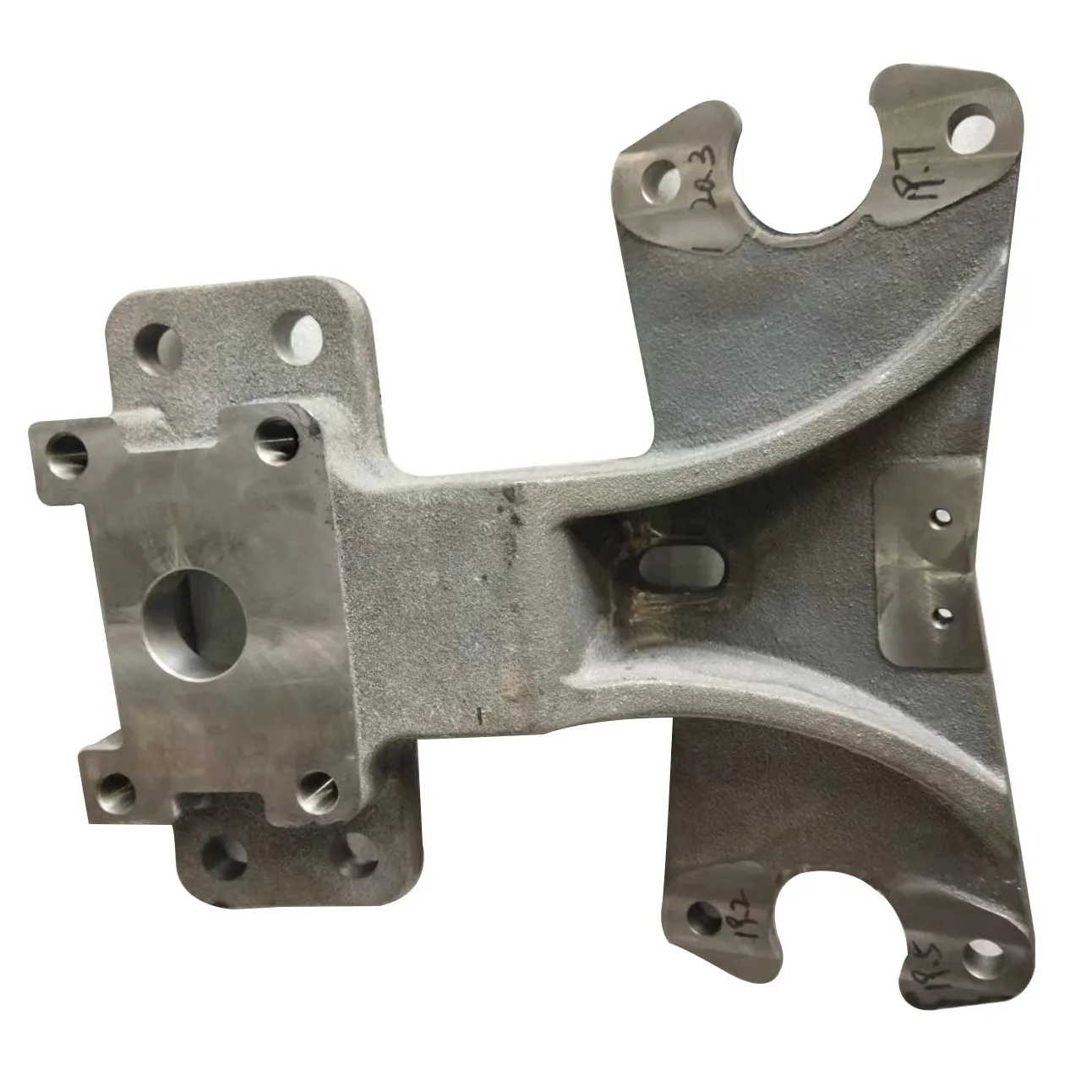
This comprehensive approach ensures that each trailer brake chamber bracket manufactured offers exceptional durability and a typical service life exceeding 1,000,000 braking cycles under normal operating conditions. Target industries for these high-grade components include heavy-duty trucking, trailer manufacturing, construction equipment, and specialized agricultural machinery, where reliability under extreme conditions is non-negotiable.
Technical Specifications and Performance Parameters
Understanding the precise technical specifications of an air chamber bracket is crucial for ensuring compatibility, performance, and long-term reliability in various heavy-duty applications. Our brackets are engineered to meet or exceed OEM specifications and industry standards, providing robust support for brake chambers across diverse vehicle types.
Typical Product Specification Table (Rear Axle Air Chamber Bracket):
| Parameter | Specification | Standard/Test Method |
|---|---|---|
| Material | Ductile Iron GGG50 (EN-GJS-500-7) or Forged Steel (1045) | ASTM A536, EN 1563, DIN 17200 |
| Tensile Strength | ≥ 500 MPa (Ductile Iron) / ≥ 650 MPa (Forged Steel) | ISO 6892-1, ASTM E8 |
| Yield Strength | ≥ 320 MPa (Ductile Iron) / ≥ 360 MPa (Forged Steel) | ISO 6892-1, ASTM E8 |
| Hardness (Brinell) | 170-230 HB | ISO 6506-1, ASTM E10 |
| Elongation | ≥ 7% (Ductile Iron) / ≥ 16% (Forged Steel) | ISO 6892-1, ASTM E8 |
| Corrosion Resistance | > 1000 hours Salt Spray (with E-coat/Powder Coat) | ASTM B117 |
| Fatigue Life | > 1,000,000 cycles (at specified load) | Custom SAE J2527 equivalent |
| Dimensional Tolerance | ISO 2768-mK / Customer Specific | CMM Inspection |
| Weight (Approx.) | 2.5 kg - 4.0 kg (depending on specific design) | Internal Measurement |
These parameters are not merely numbers; they represent the foundation of a reliable and safe braking system. The high tensile strength and fatigue life ensure the bracket can withstand repeated stress cycles over millions of miles. Excellent corrosion resistance prevents degradation in challenging weather or road conditions, directly contributing to extended service intervals and reduced operational costs.
Application Scenarios and Industry Impact
The versatility and robustness of a well-engineered brake chamber mounting bracket make it indispensable across a spectrum of heavy-duty applications. Its primary role is in commercial vehicles, but its principles of secure, high-stress mounting extend to other demanding sectors.
Key Application Areas:
- Heavy-Duty Trucks (Class 8): Essential for tractor-trailers, dump trucks, and refuse vehicles, where consistent braking performance under varying loads and terrains is critical. The bracket ensures the precise alignment and secure operation of the brake chamber, directly influencing braking efficiency and driver safety.
- Commercial Trailers: From flatbeds to refrigerated units and car carriers, trailers require robust braking systems. Our trailer brake chamber bracket solutions are designed for easy integration and long-term durability, minimizing downtime for fleets.
- Buses and Coaches: Passenger transport demands the highest levels of safety. These brackets contribute to the reliable functioning of air braking systems, crucial for preventing accidents in urban and highway environments.
- Construction and Mining Equipment: Vehicles like excavators, loaders, and large haul trucks operate in extremely harsh conditions. The corrosion resistance and high strength of our brackets are particularly advantageous here, ensuring consistent performance despite dust, moisture, and extreme temperatures.
- Specialty Vehicles: Fire trucks, municipal service vehicles, and other specialized apparatus also rely on these components for their demanding operational profiles.
In each of these scenarios, the advantages of using high-quality brackets manifest as enhanced energy saving (through optimized brake performance reducing wear on other components), superior corrosion resistance leading to longer service intervals, and ultimately, significantly improved operational safety and reduced total cost of ownership (TCO).
Technical Advantages and Performance Differentiation
Our air chamber bracket solutions offer distinct technical advantages that set them apart in a competitive market. These advantages translate directly into tangible benefits for fleet operators and vehicle manufacturers.
Key Differentiators:
- Superior Material & Structural Integrity: Utilization of advanced ductile iron (GGG50) or high-strength forged steel ensures exceptional resistance to bending, torsion, and shear forces. This structural robustness prevents deformation under extreme braking loads and extends the operational lifespan.
- Enhanced Corrosion Resistance: Multi-layer protective coatings, including E-coating and powder coating, provide industry-leading protection against rust and environmental degradation. This is crucial for vehicles exposed to road salts, chemicals, and varying climates, significantly reducing maintenance costs.
- Precision Engineering for Perfect Fit: Manufactured with advanced CNC machining, our brackets feature precise dimensions and perfectly aligned mounting holes. This ensures easy, error-free installation and optimal integration with all major brake chamber models, minimizing installation time and potential for misalignment issues.
- Optimized Weight-to-Strength Ratio: Through intelligent design and material selection, we achieve an optimal balance between low weight and maximum strength. This contributes to improved vehicle fuel efficiency without compromising safety or durability.
- Vibration Dampening Characteristics: The material properties and design contribute to excellent vibration dampening, reducing stress on the brake chamber and other associated components, thereby prolonging the life of the entire braking assembly.
- Compliance and Certifications: Adherence to global industry standards like ISO 9001 and specific automotive norms provides assurance of consistent quality and reliability. Our products are rigorously tested to meet or exceed OEM specifications.
These advantages collectively contribute to a superior product that delivers enhanced safety, extended service life, and lower operational costs for our clients, directly impacting the profitability and reliability of their fleets.
Vendor Comparison and Strategic Partnerships
Choosing the right supplier for a critical component like a brake chamber bracket is paramount. While many vendors exist, key differentiators extend beyond mere price points to encompass quality, consistency, engineering support, and supply chain reliability. Here’s a comparative perspective:
Key Vendor Comparison Factors:
| Feature | Leading Manufacturer (e.g., Kaihua Casting) | Generic Supplier |
|---|---|---|
| Material Quality | Certified GGG50 Ductile Iron/Forged Steel, full traceability | Often unspecified or lower-grade materials |
| Manufacturing Process | Automated Casting/Forging, Multi-axis CNC, Controlled Heat Treatment | Manual/Semi-automated processes, less precision |
| Quality Control | ISO 9001, CMM, NDT, Fatigue Testing, PPAP documentation | Basic visual inspection, minimal testing |
| Corrosion Protection | Advanced E-coat/Powder coat (>1000 hrs salt spray) | Basic paint or thin plating ( |
| Engineering Support | Design optimization, prototyping, material consulting, CAD/CAM integration | Limited to no engineering assistance |
| Customization | Full bespoke design, modifications, small batch runs | Off-the-shelf only, no modifications |
| Warranty & Support | Comprehensive warranty, dedicated after-sales support, technical assistance | Limited or no warranty, minimal support |
Our commitment to these superior standards builds strategic partnerships with leading OEMs and fleet operators. With over 20 years of experience in precision casting and machining, our authoritative presence in the industry is backed by long-standing client relationships and a robust portfolio of certifications.
Customized Solutions and Design Flexibility
Recognizing that off-the-shelf solutions may not always meet the unique requirements of every application, we offer extensive customized solutions for the air chamber bracket. Our engineering team collaborates closely with clients from initial concept to final production, ensuring the bracket is perfectly integrated into their specific vehicle architecture and operational demands.
Our Customization Capabilities Include:
- CAD/CAM Design & Prototyping: Utilizing advanced software for rapid design iterations and 3D printing for functional prototypes, allowing for quick validation and optimization.
- Material Specification: Tailoring material composition (e.g., specific steel alloys for extreme cold, or enhanced corrosion-resistant ductile iron) to meet environmental or load-bearing needs.
- Geometric Modifications: Adjustments to mounting hole patterns, bracket angles, offsets, and overall dimensions to fit non-standard chassis designs or accommodate unique brake chamber types.
- Surface Treatment Customization: Applying specialized coatings, such as ceramic coatings for higher temperature resistance or specific colors for branding/identification.
- Load and Stress Analysis: Performing Finite Element Analysis (FEA) to simulate real-world conditions, ensuring the customized design meets or exceeds required safety factors and fatigue life.
Our expertise in both casting and machining allows for unparalleled flexibility in producing customized brake chamber mounting brackets that perform flawlessly, even in the most challenging and specific applications.
Application Case Studies
Real-world application demonstrates the tangible benefits of our high-quality air chamber bracket solutions. These case studies highlight our commitment to durability, performance, and customer satisfaction.
Case Study 1: Heavy-Duty Long-Haul Fleet
- Client: A prominent North American long-haul trucking company with a fleet of over 5,000 trucks.
- Challenge: Experiencing premature failure of OEM brake chamber brackets due to rust and fatigue in varying climatic conditions, leading to unexpected downtime and increased maintenance costs.
- Solution: We provided custom-designed forged steel brackets with an advanced E-coat finish, engineered for superior corrosion resistance and enhanced fatigue strength.
- Outcome: Over a 3-year period, the fleet reported a 70% reduction in brake chamber bracket-related failures, significant savings in maintenance, and a noticeable improvement in vehicle uptime. The longevity of the brackets exceeded initial projections, leading to a long-term supply agreement.
Case Study 2: Municipal Refuse Vehicle Manufacturer
- Client: A leading manufacturer of refuse collection vehicles operating in high-corrosion urban environments.
- Challenge: Standard brake chamber brackets were corroding rapidly due to exposure to waste materials and frequent washdowns, causing structural degradation and safety concerns.
- Solution: We developed a specialized ductile iron brake chamber mounting bracket with a multi-stage hot-dip galvanizing and powder coating process, providing exceptional resistance to chemical corrosion and abrasion.
- Outcome: The new brackets demonstrated a 200% increase in expected service life compared to previous components. This resulted in fewer component replacements during vehicle lifecycle, enhanced vehicle safety, and a stronger reputation for durability for the vehicle manufacturer.
These cases underscore our ability to provide robust, tailor-made solutions that address specific operational challenges and deliver measurable improvements in performance and cost-efficiency.
Quality Assurance, Certifications, and Trustworthiness
Our unwavering commitment to quality is foundational to every air brake chamber bracket we produce. This commitment is evidenced by our rigorous quality assurance protocols, adherence to international certifications, and transparent operational practices, designed to instill complete trustworthiness in our B2B partners.
Certifications and Standards:
- ISO 9001:2015 Certified: Our Quality Management System is internationally recognized, ensuring consistent product quality and continuous improvement.
- Material Certifications: All raw materials come with detailed material test reports (MTRs) and are verified against standards like ASTM, EN, and DIN.
- Compliance with Automotive Standards: Our products meet or exceed relevant standards for commercial vehicle braking components, including FMVSS 121 and UNECE R13 requirements where applicable.
Frequently Asked Questions (FAQ):
A: For standard products, lead time is typically 4-6 weeks after order confirmation. Custom orders may range from 8-12 weeks, depending on complexity and tooling requirements. We prioritize efficient production planning to meet client schedules.
A: We offer a 2-year/200,000-mile warranty on all our air chamber brackets against manufacturing defects under normal operating conditions. Full warranty details are available upon request.
A: Our dedicated after-sales support team is available via phone and email to assist with any technical inquiries, installation guidance, or warranty claims. We aim to provide resolutions within 24-48 hours. Our engineering experts are also available for deeper technical consultations.
A: Yes, we can provide samples for pre-production validation and extensive testing. Sample lead times are usually 3-4 weeks for standard designs and 6-8 weeks for custom solutions.
Our transparency in these areas reflects our confidence in our products and our commitment to building long-term, trust-based relationships with our clients.
Conclusion
The selection of high-quality components like the air chamber bracket is fundamental to the safety, operational efficiency, and longevity of heavy-duty commercial vehicles. Our commitment to advanced manufacturing, rigorous testing, and continuous innovation ensures that our products not only meet but exceed the demanding expectations of the global automotive and heavy equipment industries. By partnering with us, clients gain access to superior technical expertise, customized solutions, and a reliable supply chain that minimizes risk and maximizes performance across their fleets.
Invest in components engineered for excellence, and secure the future reliability of your operations.
Citations
- Market Research Future. "Commercial Vehicle Braking System Market." Accessed [Date of Access, e.g., October 26, 2023].
- ASTM International. "Standard Specification for Ductile Iron Castings (ASTM A536/A536M)."
- International Organization for Standardization. "Quality management systems — Requirements (ISO 9001)."
- SAE International. "Fatigue Testing of Automotive Components (e.g., J2527 and related standards)."
- Federal Motor Vehicle Safety Standard No. 121 (FMVSS 121). "Air Brake Systems."