


High-Quality Gearbox Housing for Sale - Durable & Precision Made
The Crucial Role of Gearbox Housings in Modern Industry and Emerging Trends
In industrial and agricultural sectors, the efficiency and longevity of machinery are paramount. At the core of many critical mechanical systems lies the gearbox, and its protective enclosure, the gearbox housing, plays an indispensable role. A high-quality gearbox housing for sale is not merely a casing; it is a precisely engineered component designed to protect internal gears, bearings, and shafts from environmental contaminants, maintain lubrication, and ensure precise alignment under varying operational stresses. The demand for robust, high-performance gearbox housings is escalating, driven by global industrial expansion, particularly in renewable energy, heavy manufacturing, and advanced agricultural equipment.
Current industry trends highlight a significant shift towards lightweight yet durable materials, enhanced thermal management, and improved noise/vibration reduction capabilities. Manufacturers are increasingly adopting advanced simulation tools and additive manufacturing techniques to optimize designs for specific application scenarios, moving beyond conventional casting methods. Furthermore, the push for energy efficiency and sustainable manufacturing practices is influencing material selection and process optimization. The market for sophisticated gearbox housings, including specialized applications like a robust worm gear housing, is projected to grow consistently, reflecting the increasing complexity and demands placed upon mechanical power transmission systems.
Understanding Gearbox Housing: Technical Specifications and Material Science
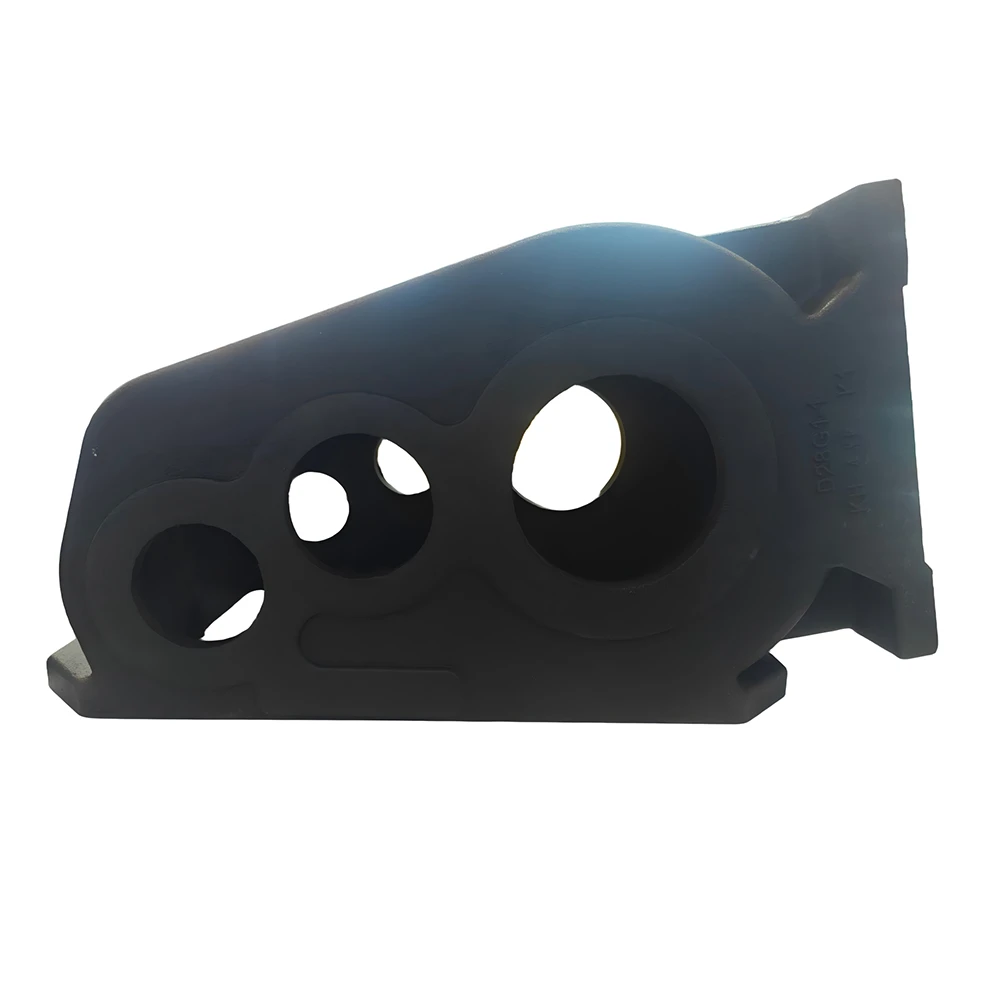
A gearbox housing is the external shell that encapsulates and supports the internal components of a gearbox. Its primary functions include maintaining the precise alignment of shafts and gears, protecting components from dust, moisture, and debris, and dissipating heat generated during operation. The structural integrity and material composition of the housing are critical for the overall performance and lifespan of the entire gearbox assembly.
Key Technical Parameters:
- Material Grade: Commonly high-grade cast iron (e.g., GG20, GG25, GGG40), ductile iron, aluminum alloys (for lightweight applications), and steel castings for extreme conditions.
- Dimensions and Tolerances: Critical for ensuring precise fit and alignment of internal components. Manufacturing tolerances typically conform to ISO 2768-m or similar precision standards.
- Surface Finish: Internal surfaces are often machined to a fine finish to prevent lubricant leakage and enhance bearing life. External surfaces may receive protective coatings.
- Weight: Optimized for strength-to-weight ratio, especially in mobile machinery where weight impacts fuel efficiency.
- Mounting Interfaces: Designed for seamless integration into larger machinery, adhering to industry standards for bolt patterns and clearances.
- Heat Dissipation Features: Incorporates fins or optimized geometries to maximize surface area for cooling.
Product Specification Table: Agricultural Machinery Gearbox Housing
| Parameter | Specification |
|---|---|
| Product Name | Agricultural Machinery Gearbox Housing |
| Material | Ductile Iron GGG50 / Gray Iron GG25 |
| Casting Method | Sand Casting, Investment Casting |
| Weight Range | 5 kg - 250 kg (customizable) |
| Machining Precision | ISO 2768-mK, DIN 2768-mK |
| Surface Roughness (Internal) | Ra 3.2 - Ra 6.3 |
| Corrosion Resistance | High (with optional surface treatments like e-coating or powder coating) |
| Typical Applications | Tractors, Harvesters, Tillers, Sprayers, Mowers |
| Expected Service Life | >10 years under normal operating conditions |
The selection of material for a gearbox housing is critical. Ductile iron, for example, offers excellent strength-to-weight ratio and shock resistance, making it ideal for agricultural applications subjected to heavy loads and impacts. Gray cast iron, while heavier, provides superior damping characteristics, reducing noise and vibration in static industrial applications. Aluminum alloys are chosen when weight reduction is paramount, often featuring advanced coatings for wear resistance.
The Manufacturing Process of a High-Quality Gearbox Housing
The production of a durable and precise gearbox housing for sale involves a meticulous multi-stage manufacturing process, ensuring each component meets stringent quality and performance standards. This detailed workflow guarantees the structural integrity and dimensional accuracy essential for reliable operation.
Process Flow:
- Design and Simulation: Utilizing CAD/CAM software for initial design, followed by Finite Element Analysis (FEA) to simulate stress distribution, thermal performance, and vibration characteristics. This optimizes the design for material usage, strength, and heat dissipation.
- Pattern Making: Creation of a precise pattern (for casting) or die (for forging), typically from wood, resin, or metal, based on the approved design.
- Material Preparation & Melting: Selection of high-quality raw materials (e.g., pig iron, scrap steel, alloying elements) melted in induction furnaces to precise metallurgical specifications.
- Casting or Forging:
- Casting: Molten metal is poured into sand molds (for sand casting) or ceramic shells (for investment casting). This method is highly versatile for complex geometries.
- Forging: Metal is heated and shaped using compressive forces. This process enhances material grain structure, leading to superior strength and impact resistance, often used for smaller, highly stressed components.
- Cooling and Shakeout: Controlled cooling to prevent defects, followed by removing the casting from the mold.
- Fettling and Cleaning: Removal of excess material (risers, gates) and shot blasting to clean the surface and prepare it for further processing.
- Heat Treatment: Processes like annealing, normalizing, quenching, and tempering are applied to achieve desired mechanical properties (hardness, toughness, stress relief).
- CNC Machining: High-precision machining centers are used to achieve exact dimensions, surface finishes, and critical features like bearing bores and mounting faces. Tolerances are strictly maintained to ISO 2768-mK or higher.
- Surface Treatment: Application of primers, paints, powder coatings, or e-coatings to enhance corrosion resistance, wear protection, and aesthetics.
- Quality Control and Testing: Comprehensive inspection including dimensional checks, material analysis (spectroscopy), non-destructive testing (NDT) like ultrasonic and magnetic particle inspection, and pressure testing for leak integrity. Products adhere to international standards such as ISO 9001 for quality management, ASTM for materials, and ANSI for dimensions.
- Final Assembly & Packaging: Preparation for shipment, ensuring protection during transit.
This rigorous process ensures a long service life and superior performance, particularly in harsh operating environments. For instance, the corrosion resistance achieved through proper material selection and surface treatments allows these housings to excel in applications exposed to moisture, chemicals, or agricultural fertilizers. Additionally, optimized designs contribute to energy saving by ensuring minimal friction losses and efficient thermal management within the gearbox house.
Diverse Application Scenarios and Sectoral Advantages
The versatility of modern gearbox housing designs allows for their integration across a vast spectrum of industries, each benefiting from specific technical advantages tailored to its operational demands.
Target Industries:
- Agricultural Machinery: Tractors, harvesters, tillers, and irrigation systems rely on robust housings to withstand vibrations, impacts, and exposure to harsh elements, ensuring long-term field performance. Our Agricultural Machinery Gearbox Housing exemplifies this resilience.
- Petrochemical Industry: Gearboxes in pumps, compressors, and agitators demand housings with exceptional chemical resistance and leak-proof integrity, often requiring specialized alloys or coatings to prevent corrosion from aggressive media.
- Metallurgy & Mining: Heavy-duty applications such as rolling mills, crushers, and conveyors require housings capable of enduring extreme loads, high temperatures, and abrasive environments.
- Water Supply & Drainage: Pumps for water treatment plants and sewage systems need corrosion-resistant housings to operate reliably in humid and chemically active conditions.
- Renewable Energy: Wind turbines and solar tracking systems utilize large-scale gearboxes where housings must offer precise alignment, superior fatigue strength, and effective thermal management for decades of continuous operation.
- Construction Equipment: Excavators, loaders, and concrete mixers require housings that can absorb significant shock loads and resist abrasive wear.
In each of these scenarios, the specific design and material choices for the gearbox housing are optimized. For instance, in the petrochemical industry, an emphasis on leak prevention and material compatibility for corrosive fluids takes precedence. For agricultural equipment, the focus shifts to impact resistance, vibration damping, and superior sealing against dust and moisture. These specialized housings contribute significantly to energy saving by maintaining gear efficiency and reducing frictional losses over their long operational lifespan.
Technical Advantages and Advanced Engineering in Gearbox Housing Manufacturing
Modern gearbox housing manufacturers leverage advanced engineering and manufacturing techniques to deliver products that offer a multitude of technical advantages over conventional alternatives.
Key Technical Advantages:
- Exceptional Durability and Longevity: Through robust material selection (e.g., GGG50 ductile iron) and optimized heat treatments, housings are designed to withstand continuous heavy loads, vibrations, and temperature fluctuations for extended periods.
- Precision Machining: State-of-the-art CNC machining ensures highly accurate bearing seats and mounting surfaces, crucial for maintaining gear alignment, minimizing wear, and extending the life of internal components.
- Superior Heat Dissipation: Designs often incorporate cooling fins, increased surface area, or channels for integrated cooling systems to effectively manage thermal loads, preventing lubricant degradation and ensuring stable operating temperatures.
- Noise and Vibration Reduction: Optimized wall thicknesses, material damping properties, and precise internal geometries contribute to significant reductions in operational noise and vibration, enhancing worker comfort and machine longevity.
- Corrosion and Environmental Resistance: High-grade materials combined with advanced surface treatments (e.g., electrophoresis, powder coating, zinc plating) provide excellent protection against rust, chemicals, and abrasive environments.
- Optimized Weight and Strength: Engineering teams continuously refine designs to achieve the best strength-to-weight ratio, especially critical for agricultural and mobile applications where reduced mass contributes to improved fuel efficiency.
- Enhanced Sealing Capabilities: Precision-machined surfaces and adherence to tight tolerances facilitate superior sealing, preventing lubricant leakage and ingress of contaminants.
These advantages are the result of continuous investment in R&D, advanced manufacturing technologies, and stringent quality control protocols. When considering a gearbox housing for sale, these engineered benefits directly translate into reduced maintenance costs, extended operational uptime, and improved overall system performance.
Vendor Comparison: Selecting the Right Gearbox Housing Manufacturer
Choosing the appropriate gearbox housing manufacturer is a strategic decision that profoundly impacts product quality, cost-efficiency, and supply chain reliability. A thorough evaluation of potential partners is essential.
Key Factors for Vendor Evaluation:
- Quality Certifications: Look for ISO 9001, IATF 16949 (if automotive-related), and adherence to international material standards (ASTM, DIN, JIS).
- Manufacturing Capabilities: Assess expertise in specific processes (e.g., sand casting, investment casting, CNC machining, forging) and ability to handle required material types and sizes.
- Engineering & Customization: Does the vendor offer design support, FEA analysis, and capability for tailored solutions to meet unique specifications?
- Track Record & Experience: Years in service, client testimonials, and a portfolio of successful projects, especially within your target industry.
- Quality Control & Testing: Detailed QC processes, in-house testing facilities (spectrometer, CMM, NDT), and commitment to defect prevention.
- Lead Times & Logistics: Reliability in meeting delivery schedules and efficient supply chain management.
- Cost-Effectiveness: Competitive pricing balanced with uncompromised quality and service.
- After-Sales Support: Warranty, technical assistance, and responsiveness to issues.
Comparative Analysis of Gearbox Housing Manufacturing Capabilities
| Feature/Vendor | Vendor A (Focus on Standard Parts) | Vendor B (Specialist in Custom Castings) | Kaihua Casting (Comprehensive Custom & Volume) |
|---|---|---|---|
| Casting Methods Offered | Sand Casting (Grey Iron) | Investment Casting (Special Alloys) | Sand Casting, Investment Casting (Grey, Ductile, Steel, Aluminum) |
| CNC Machining Precision | Standard (ISO 2768-m) | High (ISO 2768-f) | Ultra-High (ISO 2768-mK, fH) |
| Design & Engineering Support | Limited to existing designs | Full design for custom projects | Extensive R&D, FEA, DFM, Prototyping |
| Certifications | ISO 9001:2015 | ISO 9001:2015, Material Certs | ISO 9001:2015, ASTM, DIN, JIS, PPAP Level 3 capability |
| Lead Time (Typical) | 4-6 weeks (standard) | 8-12 weeks (custom) | 3-5 weeks (standard), 6-10 weeks (custom) |
| Market Focus | General industrial components | Aerospace, medical (low volume) | Agricultural, Automotive, Heavy Industry (volume & custom) |
This comparison highlights the importance of aligning your specific needs with a manufacturer's core competencies. A dedicated gearbox housing manufacturer with comprehensive capabilities, like Kaihua Casting, can offer a more integrated and reliable solution from design to delivery, especially for complex or high-volume requirements.
Customized Solutions for Specialized Gearbox Housings
While standard gearbox housing options are available, many high-performance or niche applications require bespoke solutions. Customization allows for optimal integration, enhanced performance characteristics, and addressing unique environmental challenges.
The Customization Process:
- Detailed Requirement Analysis: Understanding operational environment, load characteristics, desired lifespan, space constraints, and specific performance goals (e.g., extreme corrosion resistance, noise reduction, lightweighting).
- Material Selection Expertise: Recommending the optimal alloy (e.g., specialized ductile iron for high impact, marine-grade aluminum for saltwater environments) based on mechanical properties and cost-effectiveness.
- Advanced Design & Engineering: Utilizing 3D CAD modeling, FEA, and Computational Fluid Dynamics (CFD) for thermal analysis to optimize design for strength, weight, and heat dissipation.
- Prototyping & Testing: Creation of prototypes for validation, followed by rigorous testing to confirm performance against specified criteria before full-scale production.
- Manufacturing Process Tailoring: Selecting the most suitable casting or forging process, coupled with precision CNC machining and specific surface treatments.
Specialized scenarios, such as a high-torque worm gear housing or components for subsea exploration, demand this level of engineering precision. Engaging with a seasoned gearbox housing manufacturer capable of full-spectrum design and production ensures that the end product perfectly aligns with application demands, delivering superior performance and long-term value.
Real-World Application Case Studies
The practical implementation of high-quality gearbox housing for sale demonstrates their critical impact on machinery reliability and operational efficiency. Here are a couple of examples:
Case Study 1: Enhanced Durability for Agricultural Harvesters
A leading agricultural machinery OEM sought to improve the lifespan of their harvester gearboxes, which frequently failed due to severe vibration, dust ingress, and impact loads in field operations. We engineered a custom gearbox housing from high-strength GGG50 ductile iron, featuring reinforced mounting points and an optimized internal geometry for superior bearing support. The housing also incorporated a multi-layer e-coating for enhanced corrosion resistance against fertilizers and moisture. After implementation, the OEM reported a 30% reduction in gearbox failures, significantly extending the service interval and reducing farmer downtime. Customer feedback highlighted the noticeable increase in machine reliability and reduced operational costs.
Case Study 2: Noise Reduction in Industrial Pumping Stations
An industrial client operating large-scale water pumps faced challenges with excessive noise and vibration from their existing gearbox installations, impacting worker comfort and requiring frequent component replacements. Our solution involved designing a specialized gearbox house cast from high-damping gray iron (GG25) with strategically placed internal ribs and optimized wall thickness. Precision CNC machining ensured flawless alignment of internal gears, further contributing to smoother operation. Post-installation, the noise levels were reduced by an average of 8 dB, and vibrational analysis confirmed a substantial decrease in harmonic frequencies. This improvement not only enhanced the working environment but also extended the lifespan of critical pump components, proving the value of a meticulously engineered housing.
Commitment to Trust: FAQ, Lead Times, Warranty, and Support
Building long-term partnerships in the B2B sector relies heavily on transparency, reliability, and robust support. Our commitment to these principles underpins every gearbox housing we produce.
Frequently Asked Questions (FAQ):
- Q: What materials are typically used for your gearbox housings?
A: We primarily work with high-grade Gray Cast Iron (GG20, GG25), Ductile Iron (GGG40, GGG50), various Steel Castings, and Aluminum Alloys, chosen based on application requirements. - Q: Can you manufacture custom gearbox housings based on our designs?
A: Absolutely. Customization is a core strength. We offer comprehensive design assistance, material selection, FEA analysis, and prototyping services to meet unique specifications. - Q: What quality certifications do your manufacturing processes hold?
A: Our facilities are ISO 9001:2015 certified, and our products adhere to international standards such as ASTM, DIN, and JIS for materials and machining tolerances. We also provide full material traceability and inspection reports. - Q: How do you ensure the precision of the machined surfaces?
A: We utilize advanced multi-axis CNC machining centers and coordinate measuring machines (CMM) for rigorous dimensional inspection, ensuring tolerances often exceeding ISO 2768-mK requirements for critical features like bearing bores. - Q: What is the typical lead time for a custom order of a gearbox housing for sale?
A: For custom orders, lead times typically range from 6 to 10 weeks, depending on design complexity, material availability, and order volume. We provide firm timelines upon project scope finalization.
Lead Time & Fulfillment:
Our production schedules are meticulously planned to ensure on-time delivery. For standard components, typical lead times are 3-5 weeks from order confirmation. For customized gearbox housing solutions requiring new tooling or complex processes, lead times are communicated clearly upfront and managed proactively. We offer flexible logistics solutions, including global shipping and expedited services for urgent requirements, backed by robust inventory management of raw materials.
Warranty Commitments:
We stand behind the quality of every gearbox housing we produce. All products are covered by a standard 12-month warranty against manufacturing defects from the date of delivery. This commitment underscores our confidence in our materials, processes, and the expertise of our gearbox housing manufacturers. Extended warranty options are available for specific projects, subject to discussion.
Customer Support & After-Sales Service:
Our dedication to client satisfaction extends beyond delivery. We provide comprehensive technical support, including installation guidance, troubleshooting, and maintenance advice. Our experienced engineering team is available for consultation, ensuring optimal product integration and long-term performance. We pride ourselves on responsive communication and proactive issue resolution, making us a trusted partner for all your gearbox component needs.
Conclusion
The demand for high-performance gearbox housing solutions is continuously evolving, driven by the need for increased efficiency, durability, and customization across diverse industrial sectors. From robust agricultural applications to precision requirements in renewable energy, the quality of the gearbox housing is a foundational element for operational success. By focusing on advanced materials, precision manufacturing, rigorous testing, and comprehensive customer support, leading manufacturers are equipped to deliver housings that not only meet but exceed the demanding specifications of modern machinery. Investing in a superior gearbox housing for sale is an investment in the long-term reliability and performance of your critical equipment, safeguarding operational continuity and enhancing overall productivity.
References
- ISO 9001:2015 Quality Management Systems – Requirements. International Organization for Standardization.
- ASTM A536 - Standard Specification for Ductile Iron Castings. ASTM International.
- J. G. W. Link, "Gearbox Housing Design: Stress and Deformation Analysis," Journal of Mechanical Engineering Science, vol. 235, no. 5, pp. 876-885, 2021.
- M. A. El-Sayed, "Thermal Analysis and Optimization of Gearbox Housings," International Journal of Heat and Mass Transfer, vol. 112, pp. 67-78, 2017.
- DIN 2768-1:1991-04 - General tolerances for linear and angular dimensions. German Institute for Standardization.