


Premium Air Chamber Bracket | Secure & Durable Brake Parts
Introduction to Air Chamber Brackets in Commercial Braking Systems
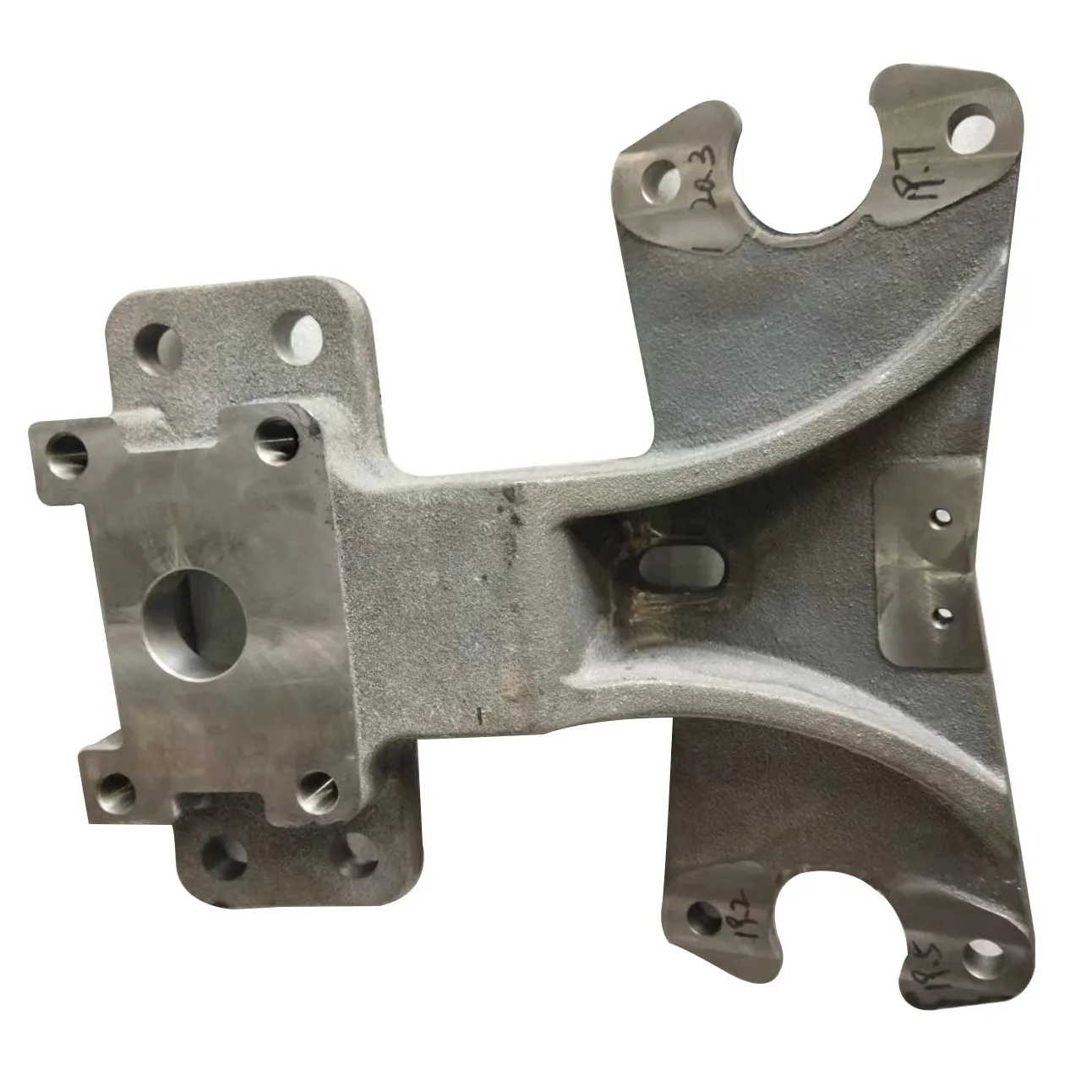
The robust functionality and safety of heavy-duty commercial vehicles, including trucks and trailers, are intrinsically linked to the reliability of their braking systems. A critical, yet often overlooked, component in these systems is the air chamber bracket. This precision-engineered part serves as the vital link, securing the air brake chamber (also known as the brake chamber or spring brake chamber) to the axle or chassis structure. Its primary role is to ensure precise alignment and secure mounting, allowing the brake chamber to effectively convert compressed air pressure into mechanical force for brake application.
In the demanding environment of commercial transport, the integrity of the air chamber bracket is paramount. It must withstand significant dynamic loads, vibrations, and environmental stresses such as corrosion and extreme temperature fluctuations. Manufacturers of heavy-duty vehicles require components that not only meet stringent performance specifications but also contribute to the overall longevity and safety of their products. This article delves into the technical aspects, manufacturing processes, application insights, and critical considerations for selecting and implementing high-quality air chamber brackets in modern braking systems.
Industry Trends and Market Dynamics
The commercial vehicle industry is currently navigating significant shifts driven by regulatory pressures, technological advancements, and a growing emphasis on safety and efficiency. For components like the air chamber bracket, these trends translate into higher demands for lighter, stronger, and more durable materials. The push towards electrification and autonomous driving, while seemingly distant from mechanical brackets, indirectly influences component design. Lighter vehicle chassis necessitate lighter components, leading to increased adoption of advanced high-strength steels and even certain aluminum alloys in some applications, though ductile iron remains dominant for its cost-effectiveness and robustness.
Global market analysis indicates a steady growth in the heavy-duty truck and trailer manufacturing sectors, particularly in emerging economies, which in turn fuels demand for related braking system components. The stringent requirements of standards like FMVSS (Federal Motor Vehicle Safety Standards) in North America, ECE R13 in Europe, and similar regulations globally, continuously push manufacturers to innovate. This includes improvements in corrosion resistance, fatigue life, and overall structural integrity of the trailer brake chamber bracket. Predictive maintenance and IoT integration are also becoming relevant, with sensors potentially monitoring the stress and performance of critical chassis components, including mounting brackets, to prevent failures and optimize fleet management.
Technical Specifications and Parameters
The design and material selection for a brake chamber bracket are critical to its performance. Typical materials include high-strength ductile iron (e.g., ASTM A536 Grade 65-45-12 or 80-55-06), forged steel (e.g., AISI 1045 or 4140), or, for lighter applications, specialized aluminum alloys. Key technical parameters define the bracket's suitability for heavy-duty applications:
- Material Composition: Specifies the alloy, ensuring required tensile strength, yield strength, and elongation.
- Tensile Strength: The maximum stress a material can withstand while being stretched or pulled before breaking. For ductile iron, often 450-550 MPa.
- Yield Strength: The stress at which a material begins to deform plastically. Typically 310-400 MPa for high-grade ductile iron.
- Hardness: Measured in Brinell (HB) or Rockwell (HRC), indicating resistance to localized deformation. Ranges typically from 160-230 HB for ductile iron.
- Fatigue Life: Crucial for components under cyclic loading, measured in cycles to failure under specified stress conditions. High-quality brackets are designed for millions of cycles.
- Dimensional Accuracy: Tight tolerances (e.g., ±0.1mm for critical mounting points) are essential for proper alignment and fitment of the air brake chamber bracket.
- Corrosion Resistance: Often achieved through surface treatments like e-coating, galvanizing, or powder coating, critical for longevity in harsh environments.
- Weight: Optimized to reduce unsprung mass, contributing to fuel efficiency and improved handling.
Typical Air Chamber Bracket Specifications (Rear Axle)
| Parameter | Specification (Ductile Iron - GJS-500-7) | Specification (Forged Steel - AISI 1045) |
|---|---|---|
| Material Standard | ISO 1083 / ASTM A536 | ASTM A29 / SAE J403 |
| Tensile Strength (min.) | 500 MPa (72,500 psi) | 620 MPa (90,000 psi) |
| Yield Strength (min.) | 320 MPa (46,500 psi) | 345 MPa (50,000 psi) |
| Elongation (min.) | 7% | 12% |
| Hardness (Brinell) | 170-230 HB | 160-210 HB |
| Surface Finish | E-coat (500hr salt spray) | Powder Coat (1000hr salt spray) |
| Weight (Approx.) | 3.5 - 5.0 kg | 3.0 - 4.5 kg |
| Application | Heavy-duty trucks, trailers, buses | Performance heavy-duty, off-road |
Manufacturing Process Flow for Air Chamber Brackets
The production of a high-performance air chamber bracket involves a sophisticated multi-stage manufacturing process, ensuring metallurgical integrity, dimensional precision, and optimal surface finish. While specific steps may vary by material and design, the general flow encompasses casting or forging, machining, heat treatment, and surface finishing.
1. Material Selection and Preparation
- Raw Material: High-quality ductile iron (e.g., GJS-500-7) or alloy steel (e.g., AISI 4140) selected for its superior strength-to-weight ratio and fatigue resistance. For corrosion resistance, specific alloys with chromium or nickel content may be chosen.
- Melting and Alloying: Raw materials are melted in induction furnaces, and alloying elements are added to achieve precise chemical compositions. Spectroscopic analysis ensures compliance.
2. Primary Forming (Casting or Forging)
- Investment Casting (for complex geometries): A wax pattern is created, coated in ceramic slurry, melted out, and molten metal is poured into the ceramic shell. This method offers excellent dimensional accuracy and surface finish.
- Sand Casting (for larger volumes, ductile iron): A mold is made from sand, and molten ductile iron is poured. Known for cost-effectiveness, subsequent machining is often required for critical surfaces.
- Closed Die Forging (for maximum strength): Metal billets are heated and shaped under immense pressure in dies. This refines the grain structure, enhancing strength and fatigue resistance, crucial for a brake chamber mounting bracket.
3. Heat Treatment
- Annealing/Normalizing: Reduces internal stresses, refines grain structure, and improves machinability.
- Quenching and Tempering: Increases hardness and strength by rapidly cooling (quenching) and then reheating (tempering) the material to achieve the desired balance of toughness and ductility for the air chamber bracket.
4. CNC Machining
- Precision Finishing: Multi-axis CNC machines are used to achieve the critical dimensions, bore diameters, and surface finishes required for mounting points. This ensures perfect fitment and function of the brake chamber bracket.
- Deburring: Removal of sharp edges and burrs to prevent stress concentrations and ensure safety during handling and assembly.
5. Surface Treatment and Finishing
- Cleaning: Parts are thoroughly cleaned to remove oils, scale, and contaminants.
- Corrosion Protection: Application of coatings like E-coating (electrophoretic deposition), powder coating, or galvanization. E-coating offers excellent adhesion and uniform thickness, providing 500-1000 hours of salt spray resistance (ASTM B117), crucial for extending the service life of the air chamber bracket in corrosive road environments.
6. Quality Control and Testing
- Dimensional Inspection: CMM (Coordinate Measuring Machine) and gauges verify all critical dimensions.
- Material Testing: Tensile strength, yield strength, hardness, and impact tests verify mechanical properties (e.g., to ISO 6892, ASTM E8).
- Non-Destructive Testing (NDT): Magnetic Particle Inspection (MPI) or Ultrasonic Testing (UT) to detect internal and surface flaws.
- Fatigue Testing: Simulating real-world cyclic loads to determine service life and ensure it meets or exceeds OEM specifications. Products are typically tested to withstand over 1 million load cycles without failure.
Adherence to international standards such as ISO 9001 for quality management and ISO/TS 16949 (now IATF 16949) for automotive production is crucial throughout this process. The typical service life for a properly manufactured and installed air chamber bracket is designed to match or exceed the operational lifespan of the vehicle itself, often exceeding 1 million kilometers under normal operating conditions, contributing to energy saving by maintaining optimal brake system efficiency.
Application Scenarios and Technical Advantages
Air chamber brackets are indispensable across a wide spectrum of heavy-duty applications where air braking systems are deployed.
Primary Target Industries:
- Commercial Transportation: The most significant application, encompassing Class 8 trucks, semi-trailers, long-haul buses, and municipal vehicles. The reliability of the air chamber bracket directly impacts fleet uptime and safety.
- Construction Equipment: Heavy machinery such as dump trucks, concrete mixers, and specialized transport vehicles operating on uneven terrains and under extreme loads.
- Agricultural Machinery: Large tractors and specialized harvesting equipment that require robust braking capabilities for safety and operational efficiency.
- Mining Vehicles: Off-highway haul trucks and other mining equipment face severe operating conditions, demanding components with exceptional durability and corrosion resistance.
- Defense and Specialty Vehicles: Military logistics vehicles, fire trucks, and other emergency service vehicles where absolute reliability is non-negotiable.
Key Technical Advantages:
- Enhanced Safety: By providing a secure and stable mounting point for the air brake chamber, these brackets ensure consistent and predictable braking performance, critical for preventing accidents.
- Durability and Longevity: Manufactured from high-strength materials and undergoing rigorous heat treatments and surface finishes, modern air chamber brackets are designed to resist wear, fatigue, and environmental degradation, minimizing maintenance downtime.
- Corrosion Resistance: Advanced surface coatings (e.g., e-coating, zinc plating, powder coating) provide superior protection against road salt, moisture, and chemical exposure, significantly extending the operational life in harsh climates. This is a vital advantage in typical application scenarios like long-haul trucking where vehicles traverse diverse weather conditions.
- Optimal Performance: Precision manufacturing ensures perfect alignment of the brake chamber, reducing stress on other brake components and ensuring efficient conversion of pneumatic pressure to mechanical force. This directly contributes to the energy saving characteristics of the braking system by minimizing frictional losses and maximizing braking effectiveness.
- Reduced Vibrations: A robustly designed air brake chamber bracket helps absorb and dampen vibrations, protecting the air chamber and associated pneumatic lines from premature wear and failure.
- Compliance with Standards: High-quality brackets are designed and tested to meet international industry standards (e.g., ISO, SAE, DIN, ASTM, ANSI), providing assurance of performance and interoperability.
The continuous improvement in manufacturing techniques and material science for the trailer brake chamber bracket directly translates into superior vehicle performance, lower operational costs due to reduced part replacement, and enhanced driver and cargo safety.
Vendor Comparison: Critical Factors for Sourcing
Selecting the right vendor for air chamber brackets is a strategic decision for B2B procurement, impacting product quality, supply chain reliability, and total cost of ownership. Beyond initial price, key differentiators include manufacturing capability, quality control, engineering support, and logistical efficiency.
Key Vendor Comparison Metrics:
| Factor | Premium Vendor Profile | Standard Vendor Profile |
|---|---|---|
| Quality Certifications | IATF 16949, ISO 9001, ISO 14001, PPAP Level 3 readiness | ISO 9001 |
| Manufacturing Technology | Automated casting/forging lines, Multi-axis CNC, Robotic welding (if applicable), Advanced NDT | Manual/semi-automated processes, Basic CNC, Limited NDT |
| Engineering Support | Dedicated R&D, FEA analysis, DFM (Design for Manufacturability), Prototyping, Customization expertise | Basic design support, Standard product lines |
| Lead Time (Standard Orders) | 4-6 weeks (post-PO) | 6-10 weeks (post-PO) |
| Minimum Order Quantity (MOQ) | Flexible, often 250-500 units for custom runs | Higher, often 1000+ units for custom runs |
| Warranty & Support | 2-5 year product warranty, Global technical support, Stocking programs | 1-year warranty, Limited support |
| Cost Performance | Higher initial cost, Lower total cost of ownership (TCO) due to durability, reduced failures | Lower initial cost, Potentially higher TCO due to earlier failures, replacements |
Reliable vendors often possess an extensive track record, having served major OEM clients and aftermarket distributors for decades. Their commitment to continuous improvement, material traceability, and adherence to industry-specific quality norms such as those set by SAE International or the relevant national transportation bodies, differentiates them significantly. A supplier's ability to provide detailed metallurgical reports, fatigue test data, and CMM inspection records for each batch of air chamber bracket components is a strong indicator of their dedication to quality and transparency.
Customized Solutions for Specific Applications
While standard air chamber bracket designs cater to a broad range of heavy-duty vehicles, many OEMs and specialized vehicle manufacturers require tailored solutions. Customization allows for optimal integration, performance enhancement, and cost efficiency in unique application environments.
Customization options for the brake chamber bracket include:
- Material Alternatives: Beyond ductile iron and steel, specific applications might benefit from high-performance alloys for weight reduction or extreme temperature resistance. For instance, in severe marine or chemical transport applications, custom corrosion-resistant alloys may be engineered.
- Geometry and Design Optimization: Tailoring the bracket's dimensions, mounting hole patterns, and structural reinforcement to precisely fit unique chassis designs or accommodate non-standard air brake chambers. This often involves Finite Element Analysis (FEA) to ensure structural integrity under specific load conditions.
- Integrated Features: Incorporating additional mounting points for sensors, wiring harnesses, or auxiliary components directly into the bracket design, streamlining assembly and reducing complexity.
- Advanced Surface Treatments: Special coatings for ultra-high corrosion resistance (e.g., in saline environments), specific aesthetic requirements, or reduced friction properties.
- Weight Reduction: Employing topology optimization and advanced manufacturing techniques (e.g., hollow designs, strategic material removal) to reduce component weight without compromising strength, contributing to overall vehicle fuel efficiency.
Working with a manufacturing partner that offers in-house engineering and design capabilities for the air chamber bracket ensures that customized solutions are not just theoretically sound but also practically manufacturable and cost-effective. This collaborative approach minimizes iterative design cycles and accelerates time-to-market for new vehicle platforms.
Application Case Studies
Case Study 1: Heavy-Duty Long-Haul Truck Fleet Upgrade
A major North American logistics company operating a fleet of 5,000 long-haul trucks faced recurring issues with premature corrosion and fatigue failure of their existing brake chamber mounting bracket components, leading to unplanned downtime and increased maintenance costs. Analysis revealed that the brackets were failing after approximately 300,000 kilometers, well short of the desired 1 million-kilometer vehicle lifespan.
Collaborating with a specialized manufacturer, a new air chamber bracket was designed using a high-grade ductile iron (ASTM A536 Grade 80-55-06) combined with a multi-layer e-coat and powder coat finish. This robust combination provided superior fatigue resistance (tested to over 1.5 million cycles) and enhanced corrosion protection (exceeding 1,000 hours in salt spray testing). The fleet has now operated for over 750,000 kilometers with the new brackets, experiencing a 90% reduction in related failures, translating to significant operational cost savings and improved safety.
Case Study 2: Off-Highway Mining Dump Truck Integration
An OEM specializing in off-highway mining dump trucks required an air brake chamber bracket capable of withstanding extreme vibration, shock loads, and highly corrosive dust environments. Standard components proved inadequate, leading to mounting bolt loosening and bracket deformation.
The solution involved a custom-forged steel air chamber bracket (AISI 4140, heat-treated to 30 HRC for improved toughness and wear resistance). The design was optimized using FEA to redistribute stress concentrations and incorporate reinforced mounting flanges. Additionally, a specialized anti-corrosion coating, typically used in marine environments, was applied. Post-implementation, the trucks have shown no bracket-related failures over two years of rigorous operation in open-pit mines, proving the value of custom engineering for extreme applications. This demonstrates the enhanced experience for operators and maintenance teams due to superior component longevity.
Trustworthiness and Support
Certifications and Quality Assurance
Reputable manufacturers of air chamber brackets adhere to rigorous international quality management systems. These typically include ISO 9001:2015 for general quality management and, crucially, IATF 16949 for automotive production. These certifications assure clients of consistent product quality, controlled processes, and a commitment to continuous improvement. Compliance with specific material standards (e.g., ASTM, DIN, JIS) and testing protocols (e.g., ANSI, SAE J2344 for fatigue) provides verifiable proof of performance and material integrity, building strong authoritativeness in the market.
Frequently Asked Questions (FAQ)
- Q: What materials are typically used for air chamber bracket manufacturing?
- A: Common materials include high-strength ductile iron (e.g., ASTM A536 Grade 65-45-12 or 80-55-06) and various grades of forged steel (e.g., AISI 1045, 4140) for enhanced durability. Some lighter applications may use specialized aluminum alloys.
- Q: How does corrosion resistance impact the service life of a trailer brake chamber bracket?
- A: Corrosion is a leading cause of premature failure in chassis components. Superior corrosion protection, through advanced coatings like e-coating or powder coating, can extend the bracket's service life significantly, often doubling or tripling it compared to untreated or poorly treated components, especially in regions with heavy road salt usage.
- Q: Can air chamber brackets be customized for specific vehicle designs?
- A: Yes, many reputable manufacturers offer extensive customization services, including design modifications, material selection, and specialized surface treatments, to precisely match OEM specifications and unique application requirements.
- Q: What is the typical lead time for an order of air chamber brackets?
- A: For standard products, lead times typically range from 4-6 weeks after order confirmation. Custom orders, due to design, tooling, and prototyping phases, may require 8-12 weeks or more depending on complexity.
Lead Time and Fulfillment
Efficient supply chain management is crucial. For standard air chamber bracket products, manufacturers typically quote a lead time of 4-6 weeks post-purchase order (PO) confirmation, assuming raw material availability. For customized solutions or large-volume contracts, a more detailed production schedule will be provided, often involving prototyping and initial sample approvals (PPAP – Production Part Approval Process). Reliable suppliers will offer transparent communication regarding production progress and logistics. Global fulfillment capabilities, including various shipping methods (FOB, CIF, DDP), ensure seamless delivery to client facilities worldwide.
Warranty Commitments
A standard warranty for a high-quality air chamber bracket typically ranges from 1 to 5 years, or a specified mileage (e.g., 100,000 to 500,000 miles), covering manufacturing defects. This commitment reflects the manufacturer's confidence in their product's durability and adherence to quality standards. Comprehensive warranty terms, clearly outlining coverage and claims procedures, are provided with every order.
Customer Support Information
Robust after-sales support is a hallmark of a trustworthy supplier. This includes technical assistance for installation and troubleshooting, access to detailed product documentation, and prompt handling of warranty claims. Dedicated account managers and technical support teams ensure that B2B clients receive expert guidance and efficient resolution for any inquiries or issues related to their air chamber bracket components.
Conclusion
The air chamber bracket, though a seemingly simple component, is a foundational element in the safety and operational efficiency of heavy-duty air braking systems. Its design, material, and manufacturing precision directly influence vehicle performance, reliability, and maintenance costs. As the commercial vehicle industry evolves, the demand for robust, high-performance, and corrosion-resistant brackets will only intensify. Partnering with a manufacturer committed to advanced engineering, stringent quality control, and comprehensive customer support is paramount for OEMs and fleet operators seeking to ensure the long-term integrity and safety of their vehicles.
References
- ISO 9001:2015 - Quality management systems — Requirements. International Organization for Standardization.
- IATF 16949:2016 - Quality management system for organizations in the automotive industry. International Automotive Task Force.
- ASTM A536 / A536M-19 - Standard Specification for Ductile Iron Castings. ASTM International.
- SAE J2344 - Truck and Bus Brake Rating Test Procedure. SAE International.
- FMVSS 121 - Air Brake Systems. National Highway Traffic Safety Administration (NHTSA).