


Premium Chassis Support for Heavy Construction Equipment
The Critical Role of Chassis Support in Heavy Construction Machinery
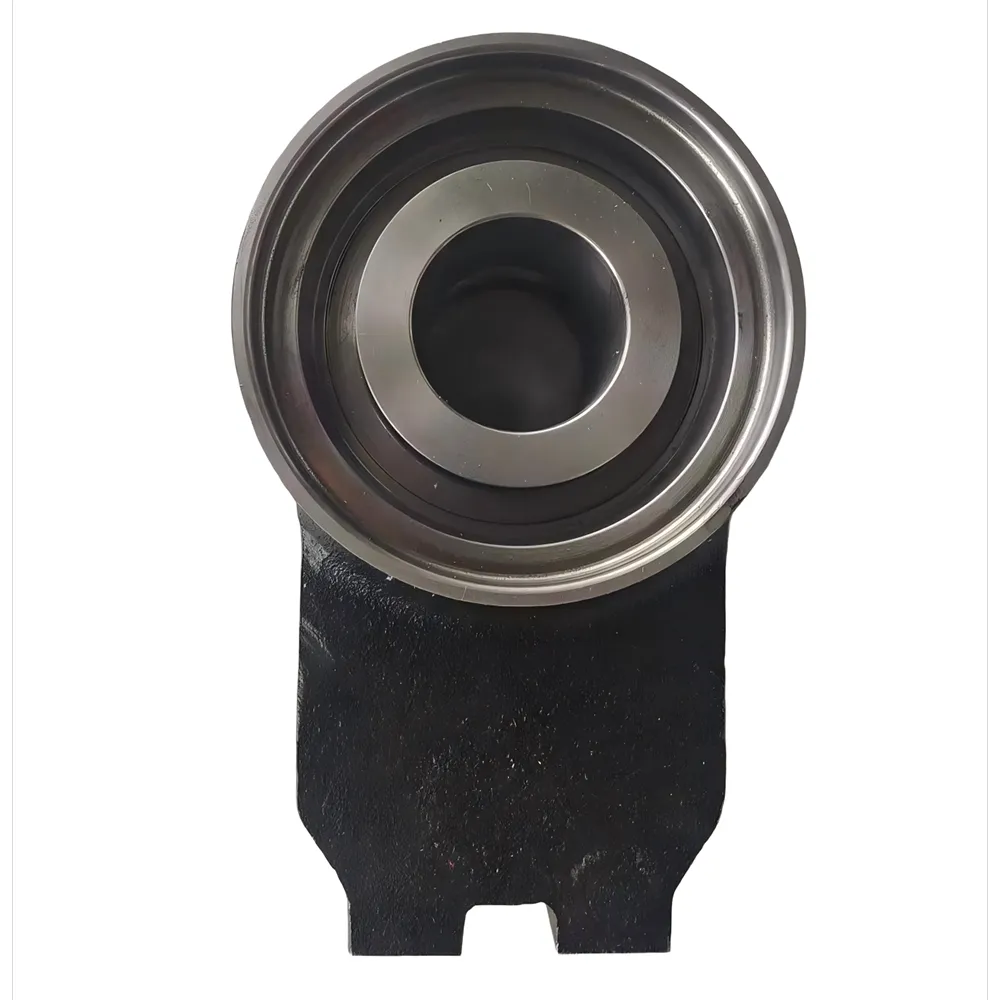
In the demanding world of heavy construction, the integrity and performance of machinery hinge on the strength and reliability of its foundational components. Among these, the chassis support of construction machinery stands out as a paramount element, providing the essential structural backbone that absorbs operational stresses, distributes loads, and ensures stability across diverse terrains. These robust components are indispensable for everything from excavators and bulldozers to cranes and loaders, underpinning their functionality and extending their service life in the most arduous conditions.
The design and manufacturing of high-quality chassis support components require deep engineering expertise, advanced material science, and rigorous quality control. As critical load-bearing structures, their failure can lead to catastrophic equipment downtime, significant financial losses, and potential safety hazards. This article delves into the intricate details surrounding chassis support, exploring its manufacturing processes, technical specifications, application breadth, and the strategic advantages offered by specialized manufacturers.
Process Flow: Manufacturing Excellence for Chassis Support
The manufacturing of durable chassis support components is a multi-stage process, meticulously engineered to ensure superior strength, dimensional accuracy, and optimal performance under extreme operational stress. It typically involves a combination of advanced metallurgical techniques and precision machining.
1. Material Selection
The foundation of any robust chassis support lies in the selection of high-grade materials. Common choices include:
- High-Strength Low-Alloy (HSLA) Steels: These steels offer excellent strength-to-weight ratios, superior toughness, and good weldability, making them ideal for heavy construction equipment parts. Examples include ASTM A514, Q345B, and Hardox.
- Manganese Steel: Known for its exceptional wear resistance and work-hardening properties, crucial for components exposed to abrasion.
- Alloy Steels: Incorporating elements like chromium, nickel, molybdenum, and vanadium to enhance specific properties such as hardenability, corrosion resistance, and impact strength.
2. Core Manufacturing Processes
The primary methods for forming chassis support components are casting and forging, each offering distinct advantages:
- Casting: This process involves pouring molten metal into a mold cavity, allowing it to solidify into the desired shape. For chassis support, sand casting or investment casting (for more intricate parts) is common. Key steps include:
- Pattern Making: Creating a replica of the desired part.
- Mold Preparation: Forming a mold around the pattern, typically using sand.
- Melting and Pouring: Heating the selected alloy to its molten state and pouring it into the mold.
- Solidification: Allowing the metal to cool and solidify, taking the shape of the mold.
- Fettling and Cleaning: Removing excess material (gates, risers) and cleaning the casting.
- Forging: This involves shaping metal using localized compressive forces. Forging improves the grain structure of the metal, enhancing its strength, toughness, and fatigue resistance. Hot forging is typically used for large construction machinery parts. Key steps include:
- Billet Preparation: Cutting raw material into appropriate sizes.
- Heating: Heating the metal to a specific temperature, usually above its recrystallization temperature.
- Forging Operations: Using hammers, presses, or rolling machines to deform the metal into the desired shape.
- Trimming and Cooling: Removing flash and controlled cooling to achieve desired microstructure.
3. Post-Processing and Precision Machining (CNC)
Following casting or forging, components undergo further refinement. Computer Numerical Control (CNC) machining is vital for achieving the tight tolerances and intricate features required for precise fit and function. This includes drilling, milling, boring, and grinding.
4. Heat Treatment
Heat treatment processes such as normalizing, quenching, and tempering are applied to optimize the mechanical properties of the chassis support, enhancing hardness, strength, ductility, and wear resistance, tailored to specific application demands.
5. Surface Treatment and Coating
To improve corrosion resistance and extend service life, various surface treatments are applied, including sandblasting, painting, powder coating, or specialized anti-corrosion coatings. This is particularly crucial for components exposed to harsh environments prevalent in mining, infrastructure, and oil & gas sectors.
6. Quality Control and Testing Standards
Throughout the entire manufacturing process, stringent quality control measures are implemented. These adhere to international standards such as ISO 9001 for quality management and specific material testing standards like ASTM, DIN, and JIS. Testing includes:
- Chemical Composition Analysis: Ensuring correct alloy proportions.
- Mechanical Properties Testing: Tensile strength, yield strength, elongation, impact strength (Charpy V-notch), and hardness testing (Brinell, Rockwell).
- Non-Destructive Testing (NDT): Ultrasonic testing (UT), magnetic particle inspection (MPI), liquid penetrant inspection (LPI), and X-ray inspection to detect internal flaws.
- Dimensional Inspection: Using CMMs (Coordinate Measuring Machines) to verify precise dimensions and tolerances.
These rigorous testing protocols ensure that each chassis support component meets or exceeds the specified performance criteria, offering an anticipated service life of 10-15 years under typical operational conditions, provided regular maintenance is performed. Target industries for these high-performance parts include petrochemical, metallurgy, mining, water supply & drainage, and general heavy construction. Advantages in typical application scenarios include enhanced energy saving through efficient power transfer, and superior corrosion resistance, reducing maintenance downtime.
Industry Trends Shaping Chassis Support Technology
The heavy construction equipment industry is continuously evolving, driven by demands for increased efficiency, reduced environmental impact, and enhanced durability. These trends directly influence the development and manufacturing of chassis support components.
- Lightweighting and Advanced Materials: There's a persistent drive to reduce the overall weight of heavy machinery to improve fuel efficiency and increase payload capacity. This pushes manufacturers to explore advanced high-strength steels and composite materials for chassis support without compromising structural integrity.
- Electrification and Hybrid Systems: As construction machinery moves towards electric and hybrid powertrains, the chassis support must be re-engineered to accommodate battery packs, electric motors, and associated cooling systems, often requiring new mounting points and stress distribution patterns.
- Smart Manufacturing and IoT Integration: The adoption of Industry 4.0 principles, including IoT sensors and predictive maintenance, is leading to chassis support components that can be monitored for stress, vibration, and fatigue in real-time. This allows for proactive maintenance, extending component life and preventing unexpected failures.
- Enhanced Durability and Service Life: With operating environments becoming increasingly harsh (e.g., extreme temperatures, corrosive agents), there's a growing need for chassis support components with superior resistance to wear, fatigue, and corrosion, reducing the demand for frequent construction equipment salvage parts. This fuels research into specialized coatings and heat treatments.
- Global Supply Chain Diversification: Geopolitical factors and a desire for robust supply chains are leading companies to diversify their sourcing for heavy construction equipment parts, including exploring reliable partners in regions like China for competitive yet high-quality components.
Technical Specifications and Performance Parameters
The performance of a chassis support is quantified by a range of technical specifications and material parameters. These are critical for engineers and procurement specialists when selecting appropriate components for heavy earthmoving machinery spare parts.
Typical Material Specifications for Chassis Support
| Parameter | Typical Value (HSLA Steel, e.g., Q345B) | Measurement Unit | Standard |
|---|---|---|---|
| Tensile Strength (Rm) | 470 - 630 | MPa | EN 10025-2 |
| Yield Strength (ReH) | ≥ 345 | MPa | EN 10025-2 |
| Elongation (A) | ≥ 20 | % | EN 10025-2 |
| Impact Energy (KV2 at -20°C) | ≥ 27 | Joule | EN 10025-2 |
| Hardness (HBW) | 140 - 180 | BHN | EN ISO 6506-1 |
| Chemical Composition (C max) | 0.20 | % | EN 10025-2 |
Product Specification Table: Chassis Support of Construction Machinery (Example)
| Attribute | Description / Value Range |
|---|---|
| Part Name | Chassis Support of Construction Machinery |
| Material Grades | Alloy Steel, HSLA Steel (e.g., 35CrMo, Q345B, Q460, A514) |
| Manufacturing Process | Precision Casting, Forging, CNC Machining |
| Weight Range | 50 kg to 5000 kg (depending on specific machinery) |
| Dimensional Tolerance | ISO 2768-m, IT13 (for rough castings), IT7-IT9 (for machined surfaces) |
| Surface Finish | Ra 3.2 – 6.3 µm (machined), Painted/Powder Coated |
| Heat Treatment | Quenching & Tempering, Normalizing |
| Application Equipment | Excavators, Wheel Loaders, Bulldozers, Cranes, Mining Trucks |
| Certifications | ISO 9001:2015 |
Application Scenarios and Technical Advantages
Chassis support components are vital across a broad spectrum of heavy construction and industrial machinery. Their robust design and precise manufacturing translate into significant operational advantages.
Diverse Application Scenarios
- Earthmoving Equipment: In excavators, bulldozers, and wheel loaders, the chassis support forms the backbone, integrating the engine, hydraulic systems, and cabin, while bearing the immense forces generated during digging, pushing, and lifting operations. This is crucial for earth moving equipment spares and heavy earthmoving machinery spare parts.
- Mining Machinery: For large mining excavators, haul trucks, and crushing equipment, these components must withstand extreme shock loads, abrasive environments, and continuous heavy-duty cycles. Their high load-bearing capacity and fatigue resistance are non-negotiable.
- Cranes and Lifting Equipment: Mobile cranes and tower cranes rely on robust chassis support to maintain stability and prevent structural deformation under heavy loads, ensuring safe and precise lifting operations.
- Piling Rigs and Drilling Machines: These specialized machines exert significant downward forces. The chassis support must effectively distribute these forces to the tracks or wheels, preventing structural failure and ensuring operational efficiency.
- Industrial Applications: Beyond traditional construction, similar heavy-duty supports are found in large industrial presses, material handling systems in steel mills (metallurgy), and critical infrastructure within petrochemical and water supply & drainage facilities.
Key Technical Advantages
- Exceptional Durability and Longevity: Manufactured from high-strength alloy steels with optimized heat treatments, these components exhibit superior resistance to wear, impact, and fatigue, significantly extending the service life of the machinery.
- High Load-Bearing Capacity: Engineered to withstand immense static and dynamic loads, ensuring the structural integrity of the entire machine during demanding operations.
- Precision Engineering: Advanced CNC machining ensures tight tolerances and exact fitment, minimizing vibration, wear on mating parts, and optimizing overall machine performance.
- Corrosion and Abrasion Resistance: Specialized material compositions and surface treatments provide excellent protection against environmental degradation, crucial in harsh working conditions. This contributes to reduced maintenance costs and extended operational periods.
- Reduced Downtime and Maintenance: The reliability of high-quality chassis support minimizes unexpected failures, leading to less unscheduled downtime and lower maintenance requirements, translating to substantial operational savings.
Vendor Comparison and Customized Solutions
Selecting the right manufacturer for chassis support components is a strategic decision for B2B buyers. Key differentiators among vendors often lie in their engineering capabilities, manufacturing flexibility, and commitment to quality and service.
Key Considerations for Vendor Selection
- Technical Expertise and R&D: A leading vendor possesses a strong engineering team capable of advanced FEA (Finite Element Analysis) and material science expertise to optimize designs for specific load cases and environmental challenges.
- Manufacturing Capabilities: Access to state-of-the-art casting, forging, and CNC machining facilities ensures precision, scale, and consistent quality, particularly for complex and large chassis support structures. Companies with decades of experience in china construction machinery parts often lead in this aspect.
- Quality Assurance and Certifications: Adherence to international quality standards (e.g., ISO 9001, CE) and rigorous testing protocols (NDT, mechanical testing) is non-negotiable.
- Supply Chain Reliability: The ability to ensure consistent supply, manage lead times effectively, and offer competitive pricing without compromising quality is paramount.
- After-Sales Support and Warranty: A reputable vendor provides comprehensive warranty terms, technical support, and accessible customer service.
Customized Solutions for Unique Requirements
Many original equipment manufacturers (OEMs) and large fleet operators require chassis support components that are not standard off-the-shelf items. This is where specialized manufacturers excel by offering bespoke solutions. Customization can involve:
- Material Optimization: Tailoring alloy compositions and heat treatments to meet specific strength, hardness, or corrosion resistance requirements for extreme applications.
- Design Modifications: Adapting structural designs to integrate new machine components, improve weight distribution, or enhance fatigue life based on operational feedback.
- Advanced Coatings: Applying specialized coatings for abrasive resistance in mining environments or anti-corrosion properties in marine or chemical processing applications.
- Precision Machining for Exact Fit: Producing components with exceptionally tight tolerances for seamless integration into existing assemblies, minimizing installation time and optimizing performance.
A manufacturer with extensive experience in precision casting and machining, a robust R&D department, and a track record of serving diverse industries, can provide unparalleled value through tailored solutions. This includes Kaihua Casting, with decades of experience in developing heavy construction equipment parts, leveraging advanced manufacturing techniques to deliver reliable and high-performance components globally.
Application Case Studies: Proving Reliability in the Field
Real-world applications demonstrate the critical importance and performance of expertly engineered chassis support components.
Case Study 1: Large Mining Excavator Chassis
- Challenge: A major mining company operating in a highly abrasive and corrosive open-pit environment experienced premature fatigue cracks in the standard chassis support structures of their 300-ton hydraulic excavators, leading to frequent downtime for repairs and replacing earthmoving machinery spare parts.
- Solution: A specialized manufacturer engineered a customized chassis support from an ultra-high-strength, wear-resistant alloy steel (e.g., Hardox 500 equivalent), employing a hot forging process followed by optimized quenching and tempering. The design was reinforced in critical stress points identified through FEA.
- Result: The upgraded chassis support extended the component's service life by over 70%, drastically reducing unscheduled maintenance and increasing equipment availability. This translated into millions of dollars in operational savings for the mining company.
Case Study 2: Offshore Wind Farm Installation Vessel
- Challenge: An offshore construction firm required a chassis support component for a new generation of pile driving machinery mounted on a self-elevating platform. The component needed to withstand immense cyclic loads, severe marine corrosion, and operate reliably in sub-zero temperatures.
- Solution: The manufacturer developed a large-scale, intricate casting using a specialized marine-grade alloy steel with high nickel and chromium content for superior corrosion resistance. Post-casting, the component underwent cryo-treatment and was precisely machined before receiving a multi-layer anti-corrosion coating designed for aggressive marine environments.
- Result: The custom chassis support performed flawlessly during challenging North Sea operations, maintaining structural integrity and resisting corrosion, ensuring uninterrupted deployment of critical offshore infrastructure.
Trustworthiness and Customer Support
Building trust with B2B clients relies on transparency, reliability, and robust support systems. A commitment to these aspects ensures long-term partnerships.
Frequently Asked Questions (FAQs)
- Q: What is the typical lead time for a custom chassis support?
- A: Lead times vary significantly based on complexity, material availability, and manufacturing queue. For custom castings or forgings, it typically ranges from 8 to 16 weeks, including design, pattern/die production, manufacturing, heat treatment, and final machining. Standard components may have shorter lead times of 4-8 weeks.
- Q: What warranty is offered on your chassis support products?
- A: We offer a standard 12-month warranty from the date of installation or 18 months from the date of shipment, whichever comes first, against manufacturing defects and material failures under normal operating conditions. Extended warranty options may be available for specific projects.
- Q: How do you ensure the quality of materials for heavy construction equipment parts?
- A: Our material quality assurance includes certified material suppliers, incoming material inspection (chemical and mechanical analysis), and adherence to international standards like ASTM, DIN, and JIS. Every batch is traceable back to its original mill certificate.
- Q: Can you handle urgent orders for earth moving equipment spares?
- A: We understand the criticality of minimal downtime. While lead times for highly customized chassis support cannot be drastically shortened due to complex manufacturing steps, we offer expedited options for existing designs or simpler parts, subject to production capacity and material availability. Please contact our sales team to discuss urgent requirements.
Lead Time and Fulfillment
We maintain efficient production planning and strong supply chain relationships to meet delivery schedules. Typical fulfillment for standard and semi-custom chassis support components is 4-12 weeks, while highly custom-engineered solutions may range from 12-20 weeks. We provide transparent updates throughout the production cycle to ensure client satisfaction.
Warranty Commitments
Our products are backed by a comprehensive warranty, affirming our commitment to quality and durability. This covers defects in materials and workmanship, ensuring peace of mind for our clients. Specific terms and conditions are provided with each quotation and order.
Dedicated Customer Support
Our dedicated customer support team is available to assist with technical queries, order tracking, and any post-sales support required. From initial consultation to final delivery and beyond, we prioritize responsive communication and expert assistance to ensure the optimal performance and longevity of your heavy earthmoving machinery spare parts.
Conclusion
The robust and meticulously engineered chassis support is an indispensable component in the world of heavy construction and industrial machinery. Its quality directly impacts machine performance, operational safety, and overall cost-efficiency. By prioritizing advanced manufacturing processes, superior materials, stringent quality control, and a commitment to customized solutions, leading manufacturers deliver components that not only meet but exceed the rigorous demands of the modern construction industry. Investing in high-quality chassis support is an investment in the longevity, reliability, and profitability of heavy equipment operations.
References
- ASM International. (2002). ASM Handbook Volume 1: Properties and Selection: Irons, Steels, and High-Performance Alloys. ASM International.
- European Committee for Standardization. (2004). EN 10025-2: Hot rolled products of structural steels – Part 2: Technical delivery conditions for non-alloy structural steels. CEN.
- International Organization for Standardization. (2015). ISO 9001:2015 – Quality management systems – Requirements. ISO.
- American Society for Testing and Materials. (Current Edition). Various ASTM standards for steel and casting specifications. ASTM International.
- Machine Design. (2023). Trends in Heavy Equipment Design and Manufacturing. Penton Media.