


Comprehensive Guide to Semi Truck Fuel Line Systems Maintenance and Replacement
Understanding Semi Truck Fuel Line Systems
The fuel line is a critical component in any semi truck, responsible for safely delivering fuel from the tank to the engine. A compromised fuel line can lead to reduced engine performance, costly repairs, and even potential safety hazards. Ensuring the integrity of your semi truck fuel line is paramount for efficient and reliable operation. This article will delve into the complexities of semi truck fuel lines, covering types, materials, common issues, maintenance tips, and sourcing quality replacements. We’ll provide a comprehensive overview for truck owners, mechanics, and fleet managers.
Types of Semi Truck Fuel Lines
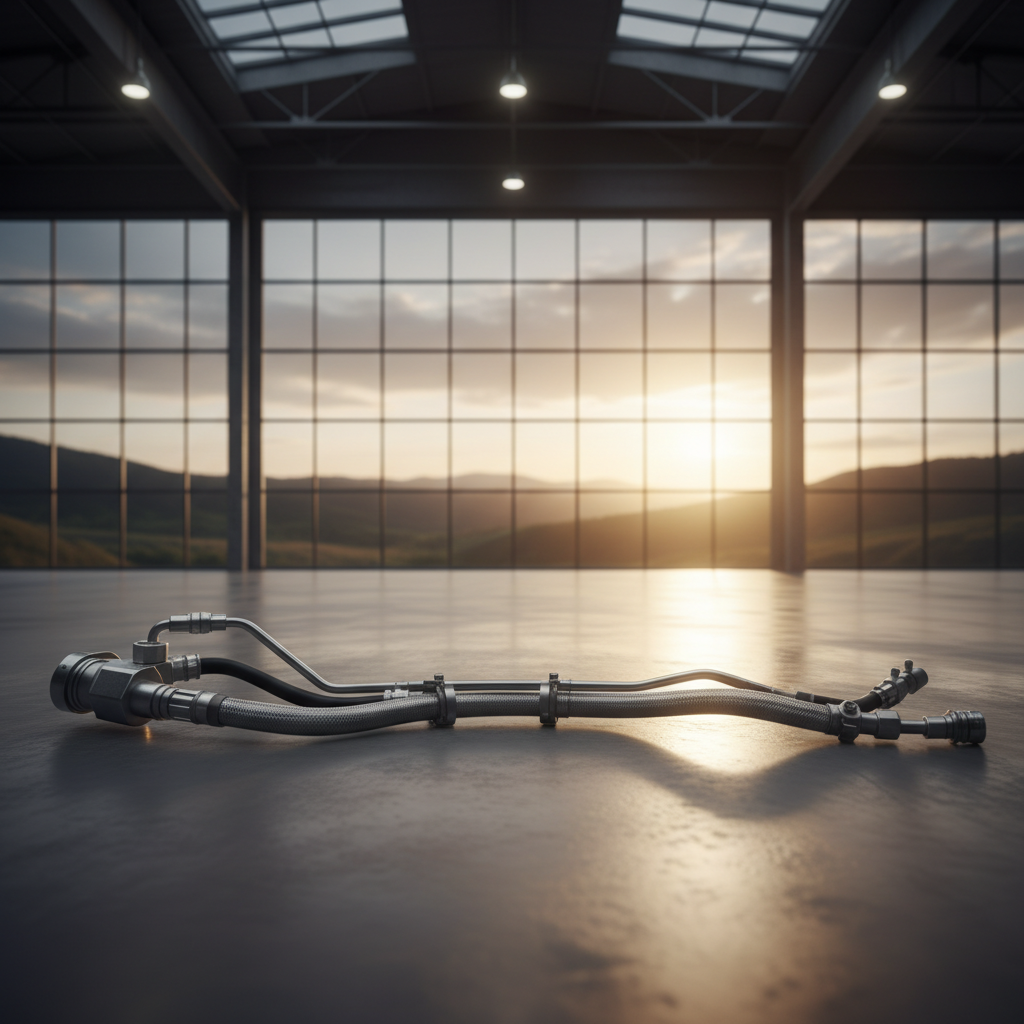
Semi truck fuel lines aren’t one-size-fits-all. Different sections of the fuel system require specialized lines designed for specific functions. Common types include: supply lines (carrying fuel from the tank), return lines (returning unused fuel to the tank), lift pump lines (connecting the lift pump to the tank), and high-pressure lines (connecting the lift pump to the injection pump). Each line type is engineered to withstand the pressures and temperatures associated with its function. Understanding these differences is crucial for proper diagnosis and repair. Kaihua Casting provides a comprehensive range of these lines.
Key Takeaway: Identifying the specific fuel line needing replacement is the first step toward a successful repair. Consult your truck's service manual for accurate identification.
Materials Used in Semi Truck Fuel Lines
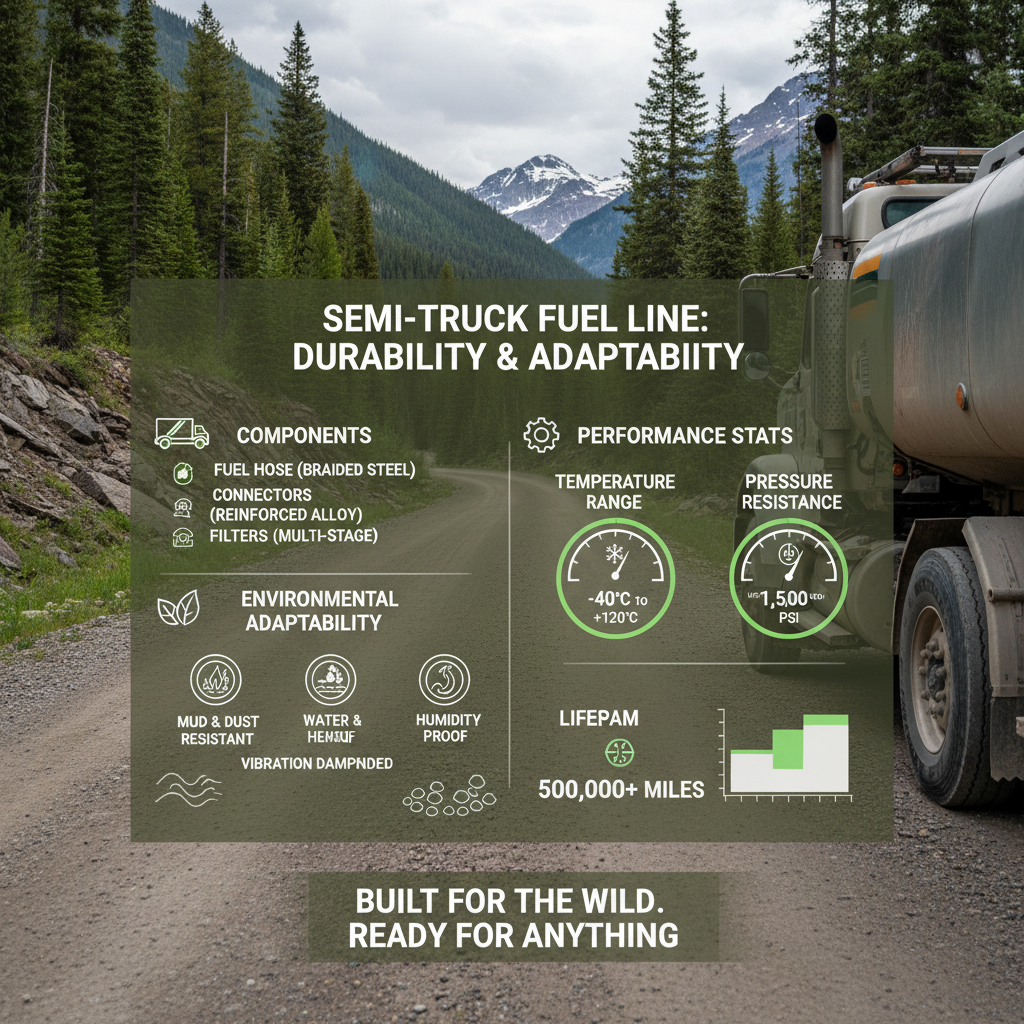
Fuel lines are constructed from various materials, each with its own advantages and disadvantages. Rubber is a common choice for its flexibility and cost-effectiveness, but it can degrade over time with exposure to fuel and heat. Thermoplastic offers improved resistance to chemicals and temperature fluctuations. Stainless steel is incredibly durable and resistant to corrosion, making it ideal for high-pressure applications, but it's also more expensive. The best material depends on the specific application within the fuel system. Kaihua Casting utilizes high-quality materials to ensure durability and reliability.
Material Comparison:
• Rubber: Cost-effective, flexible, prone to degradation.
• Thermoplastic: Good chemical resistance, moderate cost.
• Stainless Steel: Highly durable, corrosion-resistant, expensive.
Common Issues with Semi Truck Fuel Lines
Several factors can lead to fuel line failures. Cracking and hardening are common with rubber lines due to age and exposure to the elements. Corrosion can affect metal lines, particularly in areas exposed to road salt. Kinks and blockages can restrict fuel flow, leading to performance issues. Loose connections can cause fuel leaks, posing a fire hazard. Regularly inspecting your fuel lines for these issues is crucial for preventative maintenance. Ignoring these signs can result in more extensive and costly repairs.
Maintaining Your Semi Truck Fuel Lines
Regular maintenance can significantly extend the life of your fuel lines. Visual inspections should be performed during routine maintenance checks, looking for cracks, leaks, or damage. Fuel filter replacement is crucial, as a clogged filter can put strain on the fuel lines. Avoid harsh chemicals when cleaning the engine, as they can degrade rubber lines. Promptly address any identified issues to prevent further damage. Preventative maintenance is always more cost-effective than dealing with a complete fuel system failure. Contact us for assistance with selecting the correct replacement parts.
Sourcing Quality Semi Truck Fuel Line Replacements
When replacing fuel lines, always opt for high-quality components from a reputable supplier. Using inferior parts can lead to premature failure and potential safety issues. Ensure the replacement lines meet or exceed the original equipment manufacturer (OEM) specifications. Kaihua Casting specializes in manufacturing durable and reliable semi truck fuel lines, ensuring optimal performance and safety.
Conclusion: Prioritizing Fuel Line Health for a Reliable Fleet
Maintaining a healthy fuel line system is essential for the longevity and efficiency of your semi truck fleet. Regular inspections, preventative maintenance, and the use of high-quality replacement parts – like those offered by Kaihua Casting – will help you avoid costly breakdowns and ensure the safe and reliable operation of your vehicles.
Frequently Asked Questions (FAQs)
How often should I inspect my semi truck fuel lines?
Ideally, fuel lines should be visually inspected during every routine maintenance check, which typically occurs every 3-6 months or 5,000-10,000 miles. However, it’s crucial to inspect them anytime you suspect a fuel leak or notice a decrease in engine performance. A proactive approach to inspection can identify small issues before they escalate into major problems. Pay close attention to areas where the lines are routed close to hot engine components or exposed to road debris.
Can I repair a cracked fuel line, or should I replace it?
Generally, it’s not recommended to repair a cracked fuel line. Fuel lines are under pressure, and any repair, such as patching or taping, is unlikely to provide a long-term, leak-proof solution. Replacing the entire fuel line is the safest and most reliable option. Attempting to repair a damaged line could lead to fuel leaks and a potential fire hazard. Always prioritize safety and use new, certified replacement parts.
What are the signs of a clogged fuel line?
Several symptoms can indicate a clogged fuel line, including reduced engine power, difficulty accelerating, stalling, and rough idling. You might also notice a decrease in fuel efficiency. In some cases, the engine may struggle to start, particularly after sitting for a period of time. A clogged fuel line restricts fuel flow, starving the engine of the fuel it needs to operate efficiently. Replacing the fuel filter is a good first step, but if the problem persists, the fuel lines themselves may need to be inspected and cleaned or replaced.
Are there any specific tools I need to replace fuel lines?
Replacing fuel lines typically requires a few essential tools, including flare nut wrenches (specifically sized for the fuel line fittings), line disconnect tools (for quick-connect fittings), a fuel line cutter, and safety glasses. A small container to catch any spilled fuel is also helpful. It's important to use the correct tools to avoid damaging the fittings or the new fuel lines. Always disconnect the battery before working on the fuel system to prevent sparks and potential fires.