


Comprehensive Guide to Choosing the Right Semi Truck Front Bumper
Choosing the Right Semi Truck Front Bumper: A Comprehensive Guide
Selecting the ideal semi truck front bumper is crucial for both the aesthetics and the protection of your vehicle. A high-quality bumper not only enhances the look of your truck but also safeguards its vital components in the event of a collision. This guide will provide a detailed overview of the different types of semi truck front bumpers, materials, key considerations, and how to choose the best option for your needs. We’ll also explore the benefits of choosing a reliable manufacturer like Kaihua Casting.
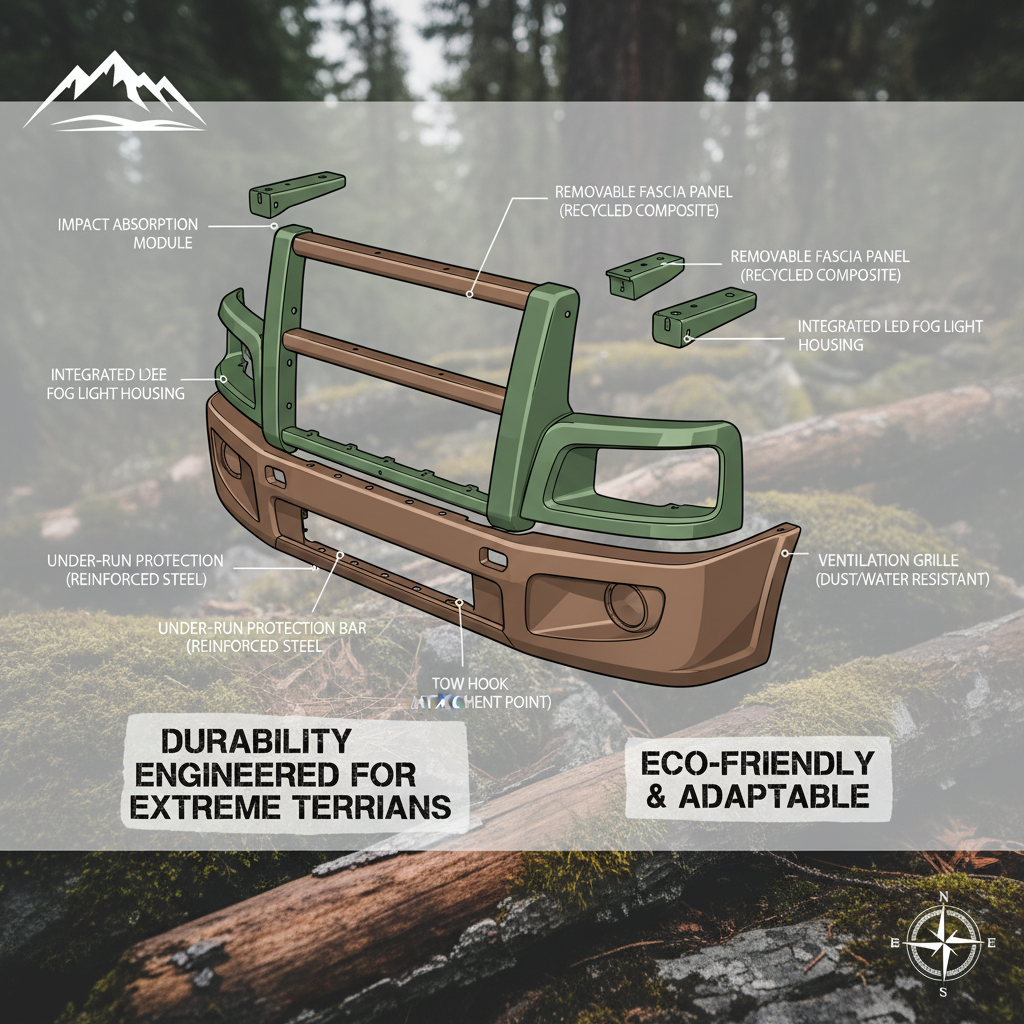
Types of Semi Truck Front Bumpers
Semi truck front bumpers come in a variety of styles, each catering to different needs and preferences. The most common types include:
- Chrome Bumpers: Popular for their polished appearance, often found on show trucks and those seeking a classic look.
- Steel Bumpers: Renowned for their durability and strength, ideal for heavy-duty applications and off-road use.
- Aluminum Bumpers: Lightweight and corrosion-resistant, offering a good balance between strength and weight savings.
- Drop Bumpers: Designed to lower the bumper height, improving aerodynamics and potentially fuel efficiency.
- Full Guard Bumpers: Provide maximum protection, extending further around the headlights and grille.
Understanding the characteristics of each type is the first step towards making an informed decision.
Key Takeaway: Selecting the right bumper type depends on your truck’s intended use, desired aesthetics, and budget.
Material Considerations for Semi Truck Front Bumpers
The material of your semi truck front bumper significantly impacts its performance and longevity. Here’s a breakdown of common materials:
- Steel: Offers superior strength and impact resistance, making it ideal for demanding applications. However, steel is heavier and prone to rust if not properly maintained.
- Aluminum: Lightweight and corrosion-resistant, aluminum is a good choice for reducing weight and improving fuel economy. It’s generally less strong than steel.
- Stainless Steel: Combines the strength of steel with excellent corrosion resistance, offering a durable and aesthetically pleasing option. It's more expensive than standard steel.
- Composite Materials: Increasingly popular, composites offer a lightweight and strong alternative. However, they may not be as durable as metal options in extreme conditions.
Material Comparison:
• Strength: Steel > Stainless Steel > Aluminum > Composite
• Weight: Aluminum
• Corrosion Resistance: Stainless Steel > Aluminum > Composite > Steel
• Cost: Steel
Choosing the Right Semi Truck Front Bumper for Your Needs
When selecting a semi truck front bumper, consider the following factors:
- Truck Usage: Long-haul, off-road, or city driving each require different levels of protection and durability.
- Legal Regulations: Ensure the bumper meets all applicable safety and regulatory standards in your region.
- Mounting Compatibility: Verify that the bumper is compatible with your truck’s specific make and model.
- Budget: Prices vary significantly based on material, style, and features.
- Aesthetics: Choose a bumper that complements the overall look of your truck.
Prioritizing these factors will help you narrow down your options and select the best bumper for your needs.
Why Choose Kaihua Casting for Your Semi Truck Front Bumper Needs?
Kaihua Casting is a leading manufacturer of high-quality semi truck parts, including front bumpers. We specialize in custom casting and fabrication, ensuring a perfect fit and superior performance. Our bumpers are made from durable materials, rigorously tested, and backed by exceptional customer service. We offer a wide range of styles and materials to meet your specific requirements, and our team is dedicated to providing innovative solutions for your trucking needs.

Conclusion: Invest in Quality and Safety
Choosing the right semi truck front bumper is a significant investment in your vehicle’s safety and longevity. By considering the factors outlined in this guide and partnering with a trusted manufacturer like Kaihua Casting, you can ensure that you get a bumper that provides reliable protection, enhances your truck’s appearance, and delivers long-lasting value.
Frequently Asked Questions (FAQs)
What is the typical lifespan of a semi truck front bumper?
The lifespan of a semi truck front bumper depends heavily on its material, usage conditions, and maintenance. Steel bumpers, when properly maintained to prevent rust, can last for many years, even decades. Aluminum bumpers, while corrosion-resistant, may show wear and tear over time, especially with frequent impacts. Stainless steel offers excellent longevity. Generally, it's advisable to inspect your bumper annually for signs of damage, corrosion, or weakening and replace it if necessary. Bumper longevity can range from 5 to 20+ years depending on these factors.
Are aftermarket bumpers legal?
The legality of aftermarket bumpers varies depending on your location and local regulations. Generally, bumpers must meet certain safety standards regarding dimensions, mounting, and impact resistance. It's crucial to ensure that any aftermarket bumper you choose complies with all applicable federal, state, and local laws. Check with your local Department of Transportation or a qualified mechanic to confirm compliance before installing a new bumper.
How much does a semi truck front bumper typically cost?
The cost of a semi truck front bumper can vary widely depending on the material, style, and manufacturer. Basic steel bumpers can start around $300 - $500, while more elaborate stainless steel or chrome bumpers can range from $800 to $2000 or more. Custom-fabricated bumpers, like those offered by Kaihua Casting, may have a higher price point due to the specialized design and manufacturing process. Installation costs will also add to the overall expense.
What maintenance is required for a semi truck front bumper?
Regular maintenance can significantly extend the life of your semi truck front bumper. For steel bumpers, periodic cleaning and application of rust-preventative coatings are essential. Aluminum and stainless steel bumpers require less maintenance but should still be cleaned regularly. Inspect the bumper for any signs of damage, loose mounting bolts, or corrosion. Address any issues promptly to prevent them from escalating. Avoid using abrasive cleaners that can damage the finish.