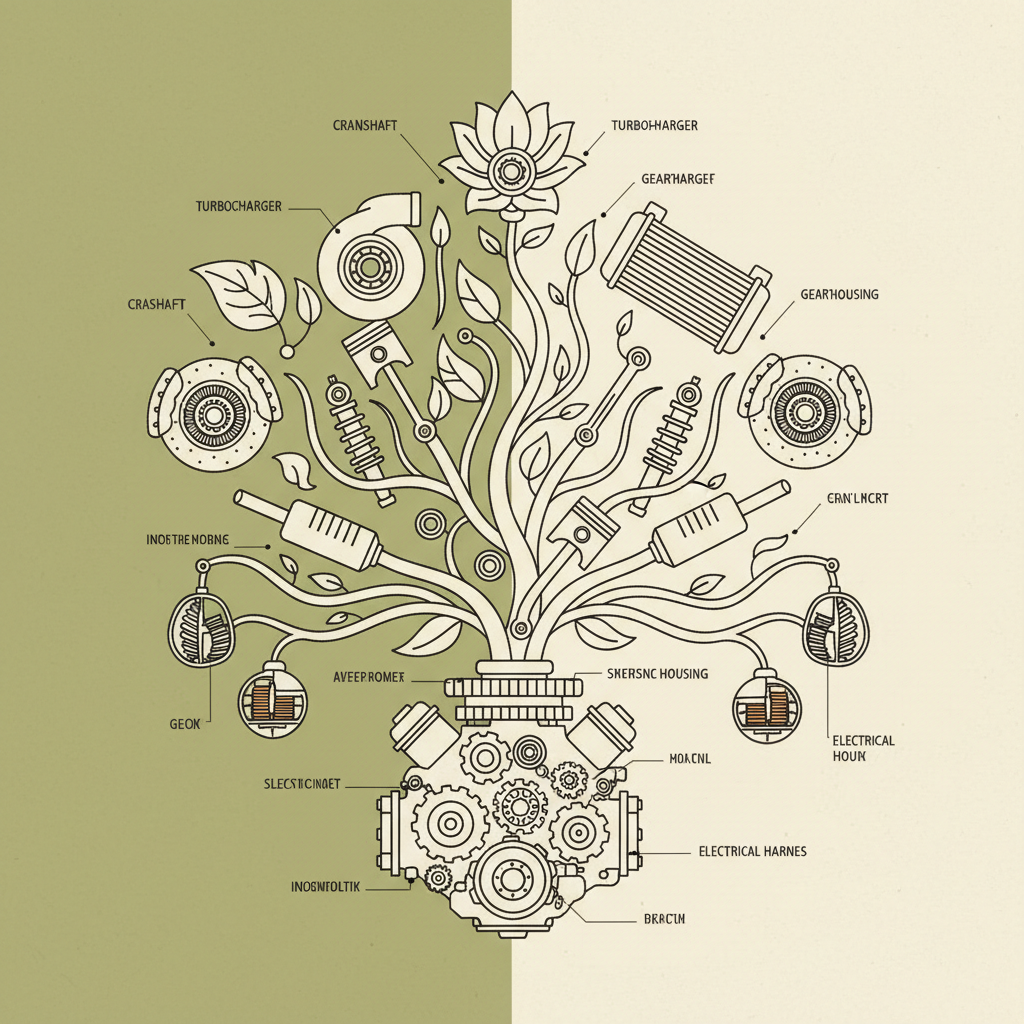
The global landscape of transportation is undergoing a seismic shift, where the demand for high-performance automotive accessories has transitioned from simple aesthetic upgrades to critical engineering requirements. In the realm of automotive transmission and chassis components, the integration of precision-cast parts ensures that vehicles can handle increasing torque loads and varying environmental stresses, directly impacting road safety and vehicle longevity.
Understanding the intricacies of these components is vital for manufacturers and fleet operators alike, as the shift toward electric vehicles (EVs) and autonomous systems requires a complete rethink of traditional drivetrain accessories. By prioritizing materials like ductile iron and high-strength alloys, the industry is achieving a balance between weight reduction and extreme durability, ensuring that every gear, housing, and bracket performs flawlessly under pressure.
Ultimately, the strategic selection of premium automotive accessories allows for greater customization of vehicle performance, reduced maintenance overheads, and a significant leap in operational efficiency. Whether for commercial haulage or passenger transport, the synergy between metallurgy and design defines the competitive edge of modern automotive engineering.
The Global Industry Context of Automotive Accessories
On a global scale, the market for automotive accessories is no longer just about luxury add-ons; it is a cornerstone of the industrial supply chain. According to ISO standards and global trade data, the precision manufacturing of transmission and braking components is critical for reducing carbon emissions and improving fuel efficiency. As emerging economies expand their infrastructure, the demand for heavy-duty commercial vehicle parts has surged, forcing manufacturers to innovate in material science to prevent premature wear and tear.
However, the industry faces a significant challenge: the volatility of raw material costs and the stringent environmental regulations imposed by international bodies. This has led to a shift toward "smart" accessories that incorporate sensor-ready housings and lightweight ductile iron, ensuring that vehicles meet safety benchmarks without sacrificing payload capacity.
Defining the Scope of Modern Automotive Accessories
In professional engineering terms, automotive accessories encompass a broad spectrum of components that enhance, protect, or modify the primary functions of a vehicle. While a consumer might think of floor mats or roof racks, the industrial definition extends to critical sub-assemblies such as brake system calipers, transmission housings, and mechanical arm linkages for specialized vehicles. These parts are the connective tissue of the vehicle, translating engine power into motion and ensuring the safety of the occupants.
The connection between these accessories and modern humanitarian needs is evident in the development of specialized vehicle parts for disaster relief and remote medical transport. High-durability chassis accessories allow vehicles to navigate terrains that would destroy standard consumer cars, proving that industrial-grade casting and machining are essential for global resilience.
Furthermore, the evolution of these parts is deeply tied to the concept of modularity. Modern accessories are designed to be interchangeable and scalable, allowing fleet managers to upgrade specific components of a vehicle's drivetrain without replacing the entire system, thereby reducing waste and lowering the total cost of ownership.
Core Components Driving Performance and Reliability
Durability is the primary metric for any industrial-grade automotive accessories. Utilizing ductile iron and specialized alloys ensures that components can withstand high-cycle fatigue and extreme thermal expansion. This is particularly critical in brake systems and transmission parts, where a single point of failure can lead to catastrophic system collapse.
Cost efficiency is achieved not by reducing material quality, but through optimized casting processes. By reducing the need for secondary machining and minimizing scrap rates, manufacturers can provide high-precision accessories that offer a lower per-unit cost over the vehicle's lifecycle, ensuring that reliability does not come at an unsustainable price.
Scalability and compatibility allow these accessories to serve various segments, from agricultural machinery to municipal engineering vehicles. A well-designed mechanical arm component or a pipe fitting for a cooling system can often be adapted across multiple vehicle platforms, streamlining the supply chain and simplifying inventory management for global distributors.
Global Applications and Strategic Use Cases
The practical application of high-end automotive accessories is most visible in the heavy industry sectors of North America, Europe, and Asia. In construction machinery, for instance, the use of precision-cast ductile iron parts in hydraulic arms ensures that machines can operate in extreme temperatures without losing structural integrity. Similarly, municipal engineering vehicles rely on specialized brake and transmission accessories to manage the heavy loads associated with urban waste and infrastructure maintenance.
In more challenging environments, such as remote mining zones or post-disaster relief operations, the reliability of automotive accessories becomes a matter of survival. When a vehicle's drivetrain fails in a remote region, the availability of standardized, ruggedized replacement parts is the only thing that keeps critical supply lines open.
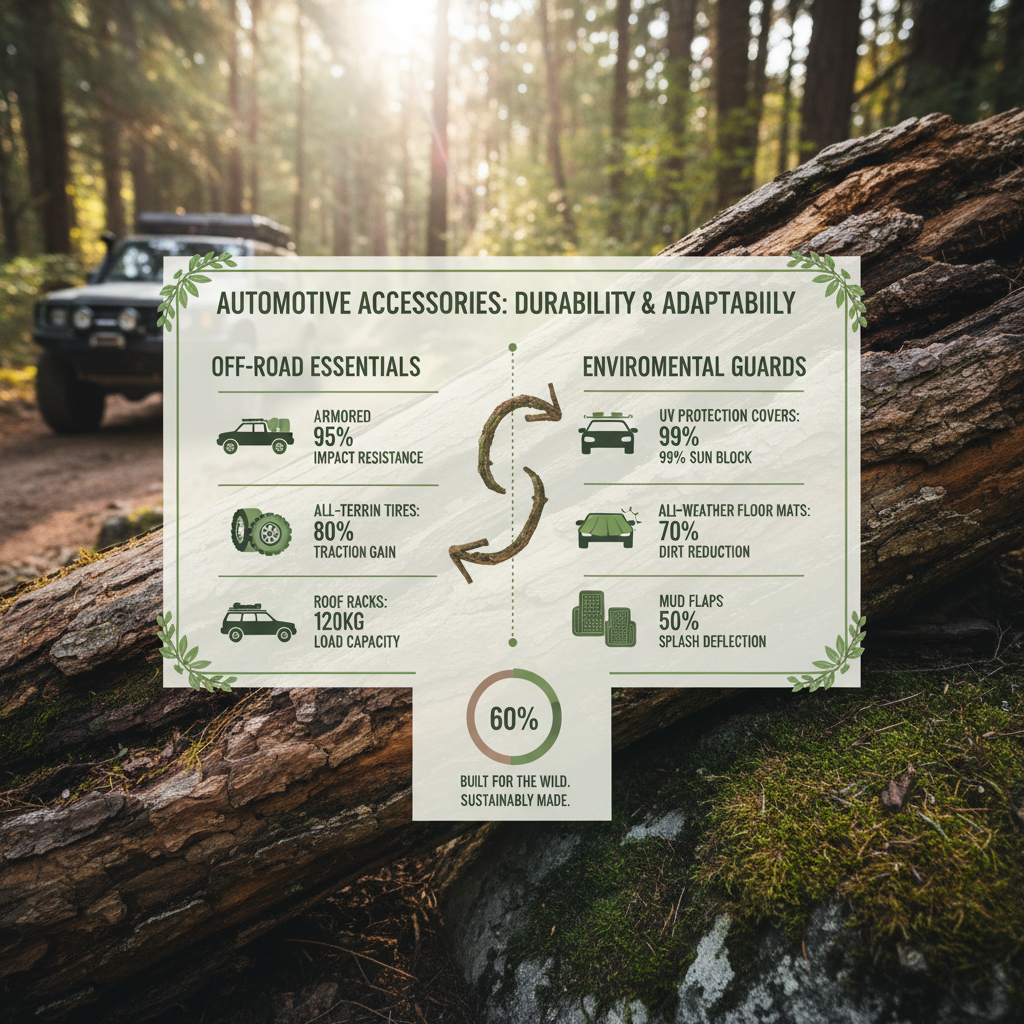
Performance Ratings of Industrial Automotive Accessories
Long-Term Value and Economic Advantages
Investing in premium automotive accessories yields tangible long-term benefits that far outweigh the initial procurement costs. From a logical standpoint, high-quality components reduce the frequency of unplanned downtime, which is the single most expensive factor in fleet management. When a transmission housing is cast with superior precision, it minimizes vibration and wear on adjacent gears, extending the overall life of the vehicle.
Beyond the numbers, there is an emotional angle of trust and safety. Drivers and operators feel a greater sense of security knowing that their braking and steering accessories meet the highest international safety standards. This trust fosters innovation, as companies are more willing to push the boundaries of vehicle capability when they have a foundation of reliable, high-performance hardware.
Future Trends in Sustainable Automotive Engineering
The future of automotive accessories is being shaped by the dual forces of digitalization and decarbonization. We are seeing a move toward "intelligent" parts—components that are designed to house sensors for predictive maintenance. This allows a part to signal its own wear level before a failure occurs, shifting the industry from reactive repairs to a proactive, data-driven maintenance model.
Sustainability is also driving a revolution in materials. The transition to green energy requires accessories that can handle the higher torque profiles of electric motors while remaining lightweight to maximize battery range. This is leading to the development of hybrid composite-metal accessories that combine the strength of steel with the lightness of advanced polymers.
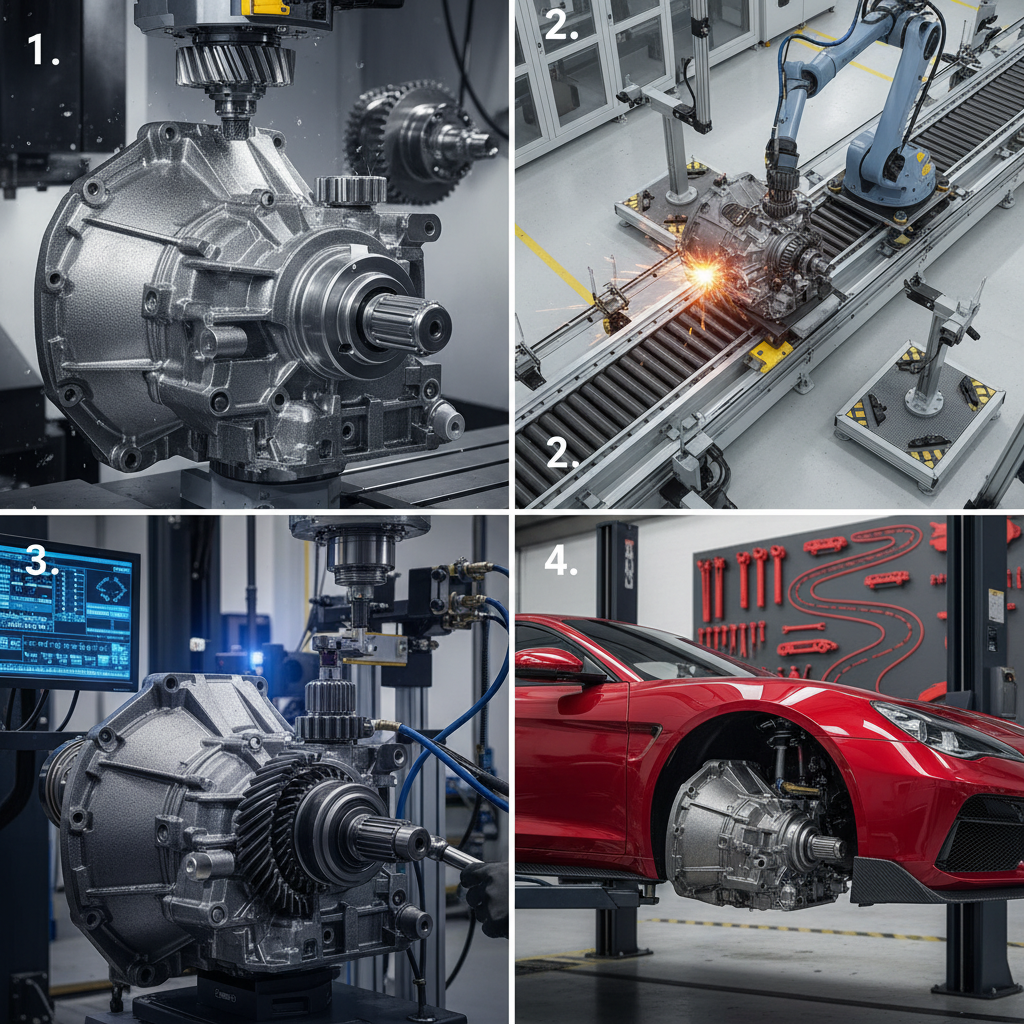
Automation in the manufacturing process, particularly through 3D printing and AI-optimized casting, is allowing for "generative design." This means accessories can now be shaped in organic, high-strength geometries that were previously impossible to manufacture, resulting in parts that are both stronger and lighter than their traditional counterparts.
Overcoming Challenges in Accessories Manufacturing
Despite the progress, the production of automotive accessories is not without its hurdles. One of the primary limitations is the inconsistency in raw material purity, which can lead to internal porosities in cast parts. Expert insights suggest that implementing vacuum casting and advanced thermal analysis can virtually eliminate these defects, ensuring a homogeneous structure throughout the component.
Another challenge is the complexity of global logistics and the need for rapid prototyping. To overcome this, many leading manufacturers are adopting "digital twin" technology, creating a virtual replica of the accessory to test its performance under simulated stress before a single piece of metal is poured. This significantly reduces the time-to-market for new iterations.
Finally, the gap between traditional mechanical engineering and electronic integration remains a hurdle. The solution lies in cross-disciplinary design teams where casting experts work alongside software engineers to ensure that the physical housing of an accessory perfectly complements the electronic sensors it protects.
Comparative Analysis of Accessory Material Performance
| Material Type |
Durability Score (1-10) |
Weight Efficiency |
Cost-to-Life Ratio |
| Grey Cast Iron |
6 |
Low |
Moderate |
| Ductile Iron |
9 |
Medium |
High |
| Forged Steel |
10 |
Low |
Moderate |
| Aluminum Alloy |
7 |
High |
Moderate |
| Composite Polymer |
5 |
Very High |
Low |
| Titanium Grade 5 |
10 |
High |
Low (High Cost) |
FAQS
Ductile iron contains nodular graphite, which prevents the propagation of cracks and provides significantly higher tensile strength and elongation. For accessories like transmission housings or brake components, this means the part can absorb shocks and vibrations without fracturing, whereas standard grey iron would be too brittle.
Quality can be verified through material certification (Mill Test Reports), non-destructive testing (NDT) such as X-ray or ultrasonic inspection, and adherence to international standards like ISO 9001 or IATF 16949. Always check for dimensional accuracy using CMM (Coordinate Measuring Machine) reports to ensure a perfect fit.
Yes, provided they are engineered for EV specifications. EVs produce instantaneous torque, which places different stresses on transmission and chassis accessories compared to internal combustion engines. We specialize in adapting accessories to handle these high-torque profiles while reducing overall weight to improve battery efficiency.
Depending on the duty cycle and maintenance, high-quality ductile iron accessories can last for hundreds of thousands of miles. The key is the quality of the initial casting and the precision of the mating surfaces, which prevent leaks and reduce frictional wear over time.
Absolutely. We offer customized casting and machining services to create accessories based on specific technical drawings. Whether it's a unique bracket for a mechanical arm or a specialized fitting for a municipal waste truck, we can scale production from prototypes to full batches.
While some advanced sustainable materials have a higher initial cost, they often reduce the "total cost of ownership" by increasing fuel efficiency (due to lower weight) and extending the replacement interval. The industry is currently moving toward a circular economy where accessories are designed for easier recycling.
Conclusion
In summary, the role of automotive accessories has evolved from peripheral additions to core engineering necessities. By integrating high-performance materials like ductile iron with precision manufacturing and a forward-looking approach to sustainability, the industry is ensuring that vehicles are safer, more efficient, and more durable than ever before. The synergy of durability, cost-efficiency, and technological innovation remains the primary driver for success in the global automotive supply chain.
Looking ahead, the shift toward electric mobility and smart infrastructure will only increase the demand for specialized, high-precision accessories. We recommend that fleet managers and OEMs prioritize partners who invest in digital twins and sustainable casting processes to stay ahead of the regulatory curve. For those seeking the pinnacle of reliability and precision in automotive components, we invite you to explore our capabilities. Visit our website: www.kaihuacasting.com