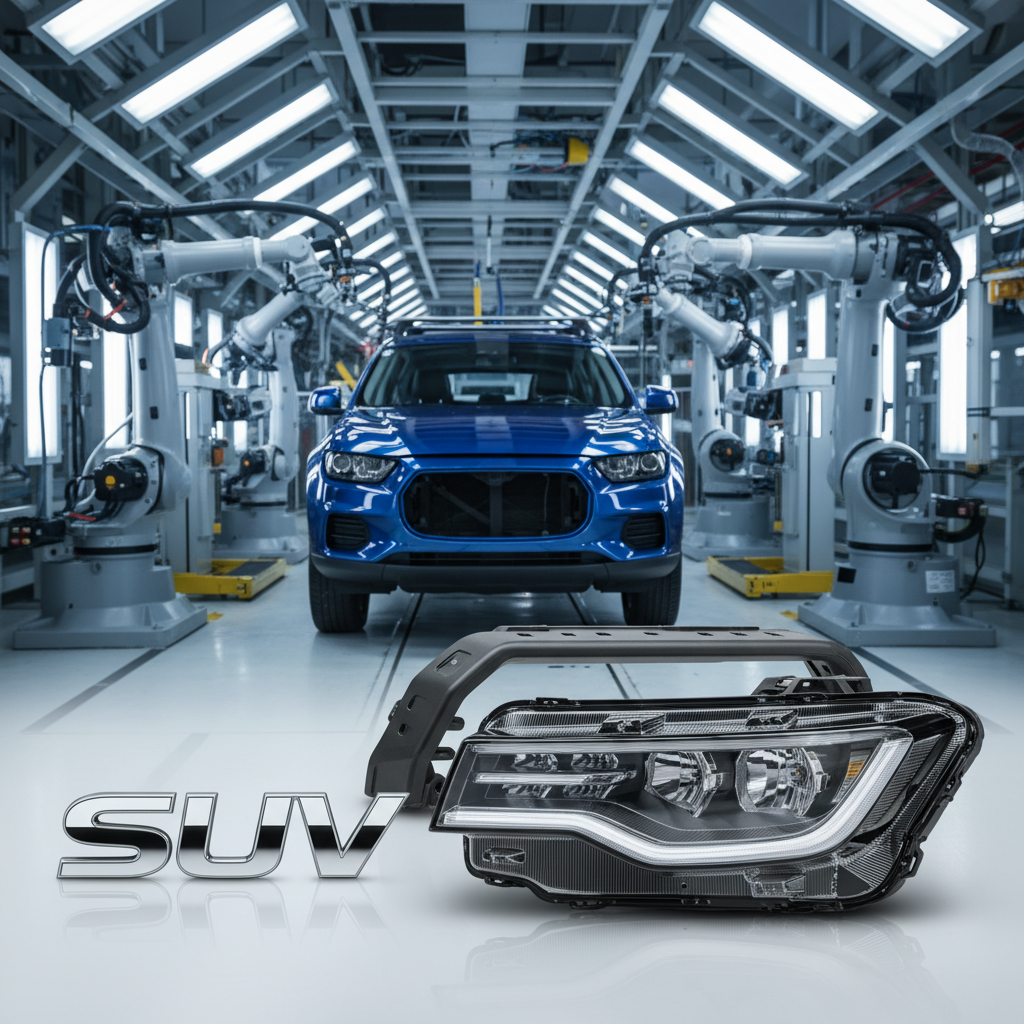
The global automotive market has witnessed a dramatic shift toward versatility, making suv accessories a cornerstone of the modern driving experience. As Sport Utility Vehicles (SUVs) transition from niche off-roaders to primary family vehicles, the demand for high-quality modifications has surged, driven by a consumer desire for personalized utility and enhanced safety. Understanding the ecosystem of these enhancements is essential for vehicle owners and manufacturers alike to maximize the lifespan and functionality of their vehicles.
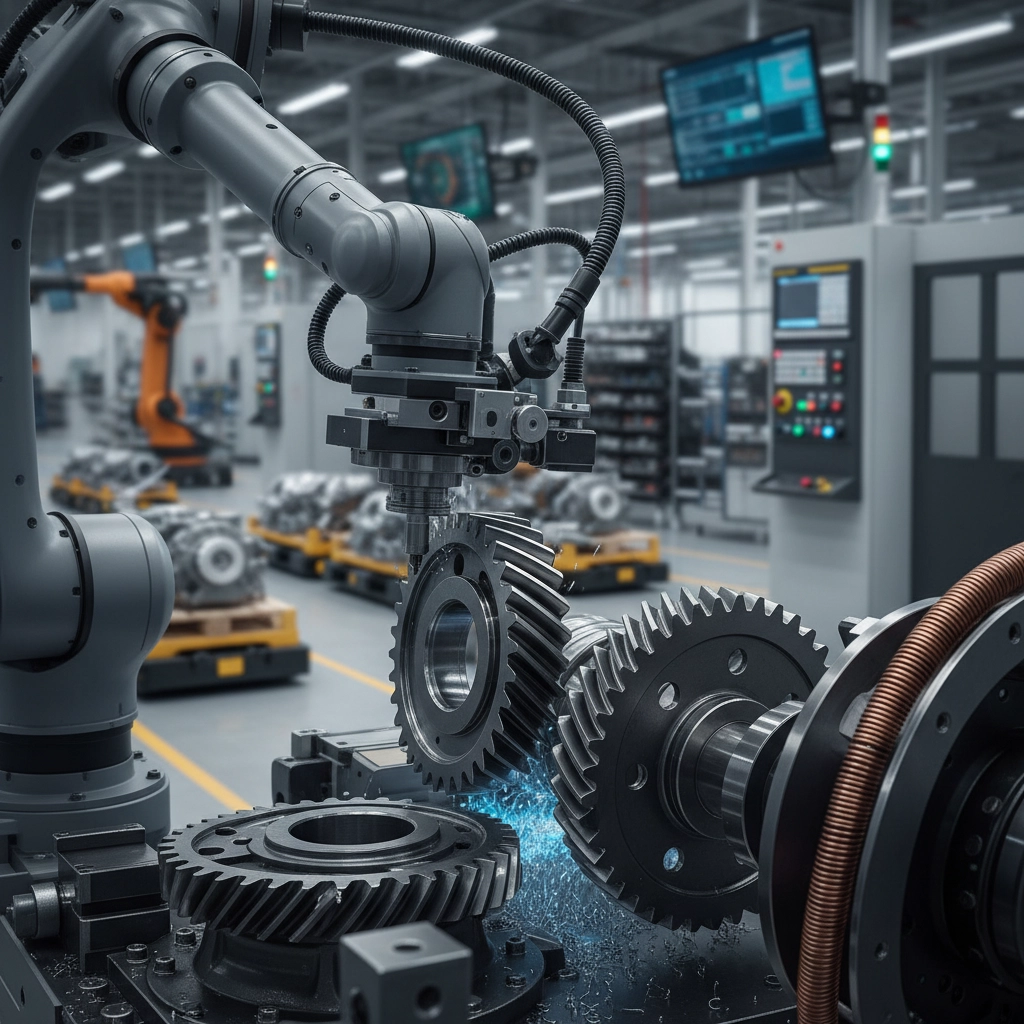
From a technical perspective, the engineering behind premium suv accessories involves a complex intersection of metallurgy, ergonomics, and aerodynamics. Whether it is the integration of heavy-duty roof racks or the installation of precision-cast underbody guards, these components must withstand extreme environmental stressors while maintaining the vehicle's structural integrity. This synergy between aesthetic appeal and mechanical rigor defines the current state of the automotive aftermarket.
Ultimately, the strategic selection of vehicle enhancements provides more than just convenience; it offers a tangible increase in the vehicle's resale value and operational capability. By focusing on E-E-A-T principles—Experience, Expertise, Authoritativeness, and Trustworthiness—drivers can navigate the vast array of available options to find components that genuinely improve performance without compromising OEM standards. This guide explores the depth of the SUV modification landscape and its implications for the global automotive industry.
Global Relevance of SUV Accessories
The global demand for suv accessories is closely mirrored by the rise of the "adventure economy." With SUV sales continuing to dominate market shares in North America, Europe, and Asia, the aftermarket for specialized components has evolved into a multi-billion dollar industry. ISO standards for automotive safety and quality now place a higher premium on the compatibility of third-party parts, ensuring that modifications do not interfere with critical safety systems like ABS or airbag deployment.
Moreover, the shift toward electrification has introduced new challenges and opportunities. As EV-SUVs enter the mainstream, the accessories market is pivoting toward lightweight materials and energy-efficient integration. The goal is to provide utility—such as expanded cargo solutions or reinforced chassis components—without significantly impacting the vehicle's battery range, reflecting a global commitment to sustainable mobility and efficiency.
Defining the Scope of SUV Enhancements
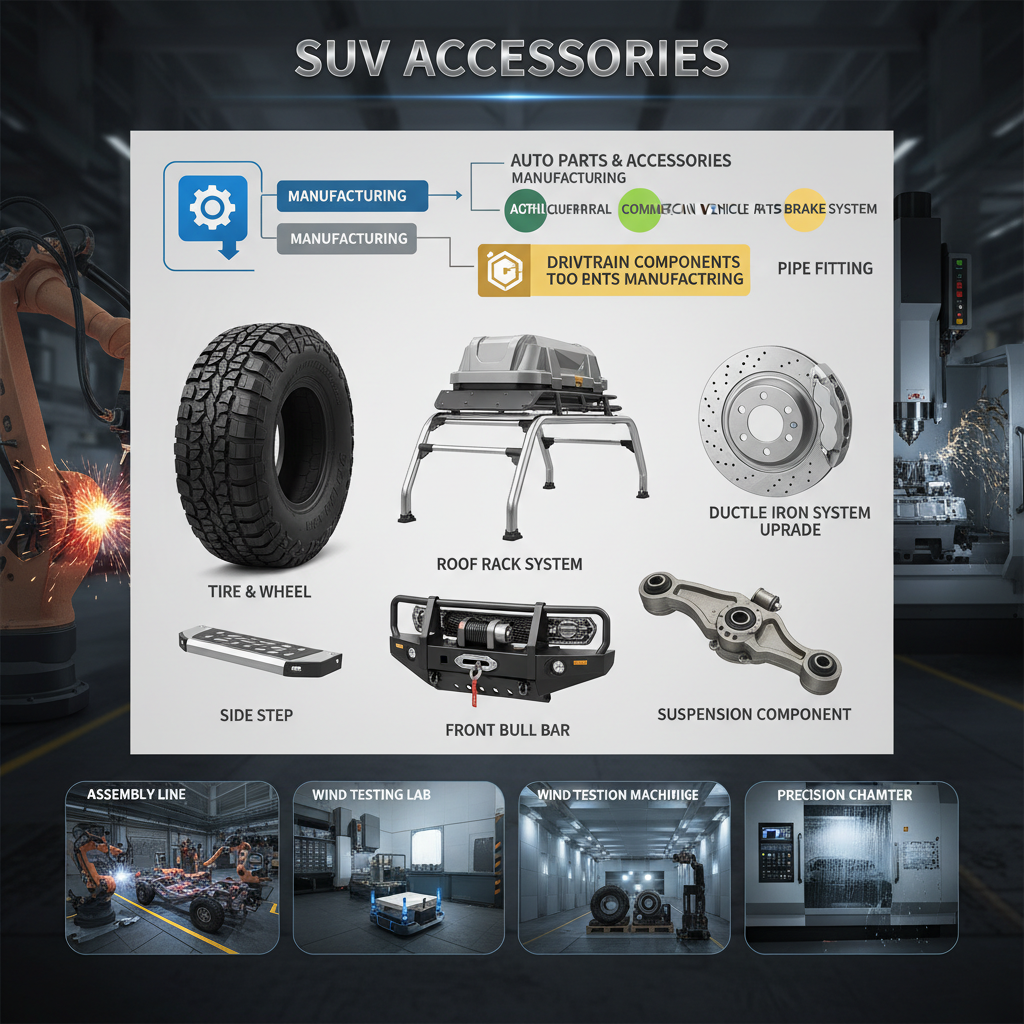
At its most basic level, suv accessories refer to any non-standard component added to a Sport Utility Vehicle to improve its performance, aesthetics, or utility. This spans a broad spectrum, from simple interior organizers and floor mats to complex mechanical upgrades like lift kits, winch systems, and reinforced brake components. The primary objective is to bridge the gap between a factory-standard vehicle and the specific, often demanding, needs of the end-user.
In the context of modern industrial needs, these enhancements are often viewed as "force multipliers." For instance, in commercial sectors where SUVs are used for site inspections or remote surveying, specialized accessories like heavy-duty snorkels or reinforced underbody plating are not luxuries—they are essential tools that prevent costly downtime and ensure personnel safety in hostile terrains.
The intersection of humanitarian needs and automotive modification is also evident in disaster relief operations. NGOs often utilize modified SUVs equipped with high-capacity communication arrays and reinforced suspension to navigate debris-strewn roads. In these scenarios, the reliability of the accessories becomes a matter of critical operational success, highlighting the importance of professional-grade manufacturing and rigorous testing.
Core Engineering Factors for Durability
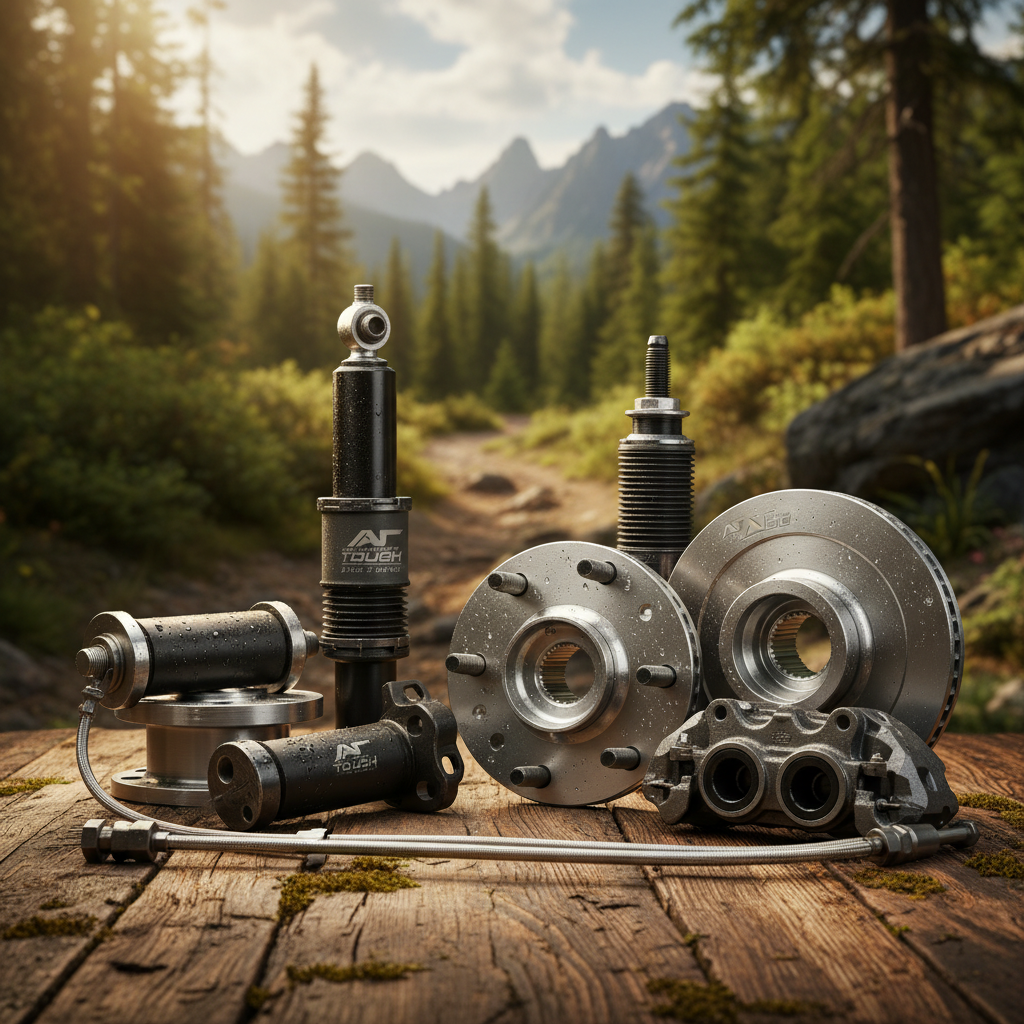
When evaluating suv accessories, material science is the first line of defense. High-grade ductile iron and aerospace-grade aluminum are frequently employed in the production of suspension and chassis parts to ensure they can withstand high-impact loads without fracturing. The ability of a component to resist corrosion through advanced powder coating or galvanization is equally critical for vehicles operating in coastal or snowy regions.
Scalability and compatibility are the second pillars of engineering excellence. A truly professional set of suv accessories must be designed with precise tolerances to ensure a "bolt-on" fit, reducing the need for permanent vehicle modifications. This precision prevents vibrations and rattles that could lead to long-term mechanical wear and tear on the vehicle's primary frame.
Finally, cost-efficiency must be balanced with safety. While budget-friendly options exist, the long-term value of premium accessories lies in their ability to reduce the frequency of replacement. By investing in components that meet or exceed OEM specifications, owners avoid the hidden costs of repeated failures and the potential safety risks associated with low-grade casting or inferior weld points.
Practical Applications and Use Cases
The application of suv accessories varies wildly depending on the geographic region and the intended use of the vehicle. In the rugged terrains of the Australian Outback or the Rocky Mountains, "Overlanding" has become a primary driver for modifications. This involves installing long-range fuel tanks, roof-top tents, and heavy-duty recovery gear, transforming a standard family vehicle into a self-sustaining mobile habitat capable of traversing hundreds of miles of wilderness.
In urban environments, the focus shifts toward "lifestyle utility." Here, accessories like modular cargo organizers, precision-fit weather shields, and aesthetic trim upgrades dominate. These additions allow city dwellers to transition seamlessly from a professional commute to weekend outdoor activities, demonstrating the versatility that defines the SUV segment.
Performance Impact of Various SUV Accessories
Long-Term Value and Sustainability
Investing in high-quality suv accessories provides a logical hedge against vehicle depreciation. When modifications are performed using professional-grade components that enhance the vehicle's utility without compromising its structural integrity, they often appeal to a wider secondary market. A well-maintained "adventure-ready" SUV often commands a higher resale price than a stock vehicle of the same age, provided the accessories were installed by experts.
From a sustainability perspective, the trend is moving toward "modular longevity." Instead of replacing entire vehicles to suit different life stages or needs, owners can simply swap out accessories. This reduces the overall carbon footprint associated with vehicle manufacturing and disposal. By choosing accessories made from recyclable metals and sustainable polymers, the automotive industry is aligning itself with global green energy goals and circular economy principles.
Future Trends in Automotive Modifications
The future of suv accessories is inextricably linked to the digital transformation of the vehicle. We are seeing the rise of "smart accessories"—components integrated with IoT sensors that can monitor tire pressure, load distribution on roof racks, or the structural health of the chassis in real-time. This transition from passive hardware to active, data-driven systems will significantly enhance driver safety and vehicle maintenance.
Material innovation is also accelerating. The adoption of carbon-fiber reinforced polymers (CFRP) and advanced titanium alloys is allowing for accessories that are lighter yet stronger than ever before. This is particularly crucial for the electric SUV market, where every kilogram saved translates directly into increased mileage and efficiency, pushing the boundaries of what is possible for long-distance off-road travel.
Furthermore, automation is beginning to influence the aftermarket. We anticipate the development of "adaptive accessories" that can change their configuration based on the driving mode—for example, roof racks that adjust their aerodynamic profile at high speeds or suspension components that automatically calibrate their stiffness based on the detected terrain, all managed by the vehicle's onboard AI.
Overcoming Common Installation Challenges
One of the most persistent challenges in the suv accessories market is the "fitment gap." Many third-party parts fail to account for the slight manufacturing variances between different production years of the same model. To solve this, leading manufacturers are now employing 3D laser scanning to create digital twins of vehicles, ensuring that every bracket and bolt hole aligns perfectly with the chassis.
Another significant hurdle is the impact of modifications on vehicle electronics. The installation of auxiliary lighting or winches can often lead to parasitic battery drain or electrical interference. Expert solutions now involve the use of dedicated power distribution blocks and "plug-and-play" harnesses that integrate with the vehicle's existing CAN-bus system, eliminating the need for dangerous wire splicing.
Finally, the balance between aesthetics and aerodynamics is often overlooked. Heavy-duty accessories can increase wind drag, leading to higher fuel consumption. The solution lies in "aerodynamic integration," where accessories are wind-tunnel tested to ensure they minimize turbulence. By choosing designs that follow the vehicle's natural contours, owners can enjoy the benefits of added utility without sacrificing fuel efficiency.
Comparative Analysis of SUV Accessory Material Performance
| Material Type |
Durability Score (1-10) |
Weight Impact |
Corrosion Resistance |
| Ductile Iron |
9 |
High |
Moderate (Coated) |
| T6 Aluminum |
7 |
Low |
High |
| Carbon Steel |
8 |
Medium |
Low (Needs Paint) |
| CFRP Composite |
6 |
Very Low |
Very High |
| Stainless Steel |
8 |
Medium |
Very High |
| Titanium Alloy |
10 |
Low |
Highest |
FAQS
Not necessarily, but it depends on the nature of the accessory. In many regions, laws prevent manufacturers from voiding a warranty unless they can prove the aftermarket part caused the failure. To minimize risk, choose "bolt-on" accessories that do not require cutting the frame or splicing factory wiring, and ensure installation is performed by certified technicians.
For those starting out, prioritize recovery and protection. A high-quality recovery strap, a tire pressure gauge/inflator, and basic underbody skid plates are essential. These provide a safety net for common mistakes and protect the engine and transmission from debris, which is far more critical than aesthetic upgrades in the early stages of off-roading.
The choice depends on your primary use case. Aluminum is lightweight, highly resistant to rust, and better for fuel efficiency, making it ideal for general camping and urban use. Steel is significantly stronger and more durable for heavy loads or extreme environments, though it is heavier and requires a protective coating to prevent corrosion over time.
Yes, specifically roof-mounted accessories. Adding heavy loads to the roof increases the vehicle's center of gravity, which can increase body roll during cornering and affect stability in high winds. To mitigate this, always place the heaviest items as low as possible in the vehicle and consider suspension upgrades to compensate for the additional weight.
Generally, yes, provided they are designed specifically for your vehicle model. True plug-and-play systems use existing connectors and don't require cutting wires, which preserves the factory circuit's integrity. However, always verify that the accessory has built-in fuses or surge protection to prevent a short circuit from affecting the vehicle's primary ECU.
It is recommended to perform a "shake-down" inspection after the first 100 miles of use, and then every 3,000 to 5,000 miles. Check all mounting bolts for torque, inspect powder coatings for chips that could lead to rust, and ensure that electrical connections remain tight. Regular maintenance prevents small vibrations from turning into structural failures.
Conclusion
In summary, the strategic application of suv accessories represents a powerful intersection of personal expression and mechanical optimization. From the rigorous demands of off-road durability to the subtle requirements of urban convenience, the right enhancements can transform a standard vehicle into a specialized tool. By prioritizing material quality, precise engineering, and professional installation, owners can ensure that their modifications provide long-term value, enhanced safety, and superior operational reliability.
As we move toward an era of electric mobility and smart integration, the role of automotive accessories will only become more critical. The transition toward sustainable materials and IoT-enabled hardware suggests a future where our vehicles are not just static products, but evolving platforms that adapt to our changing lifestyles. For those looking to elevate their driving experience, investing in professional-grade components is the most reliable path toward achieving total vehicle versatility. Visit our website: www.kaihuacasting.com