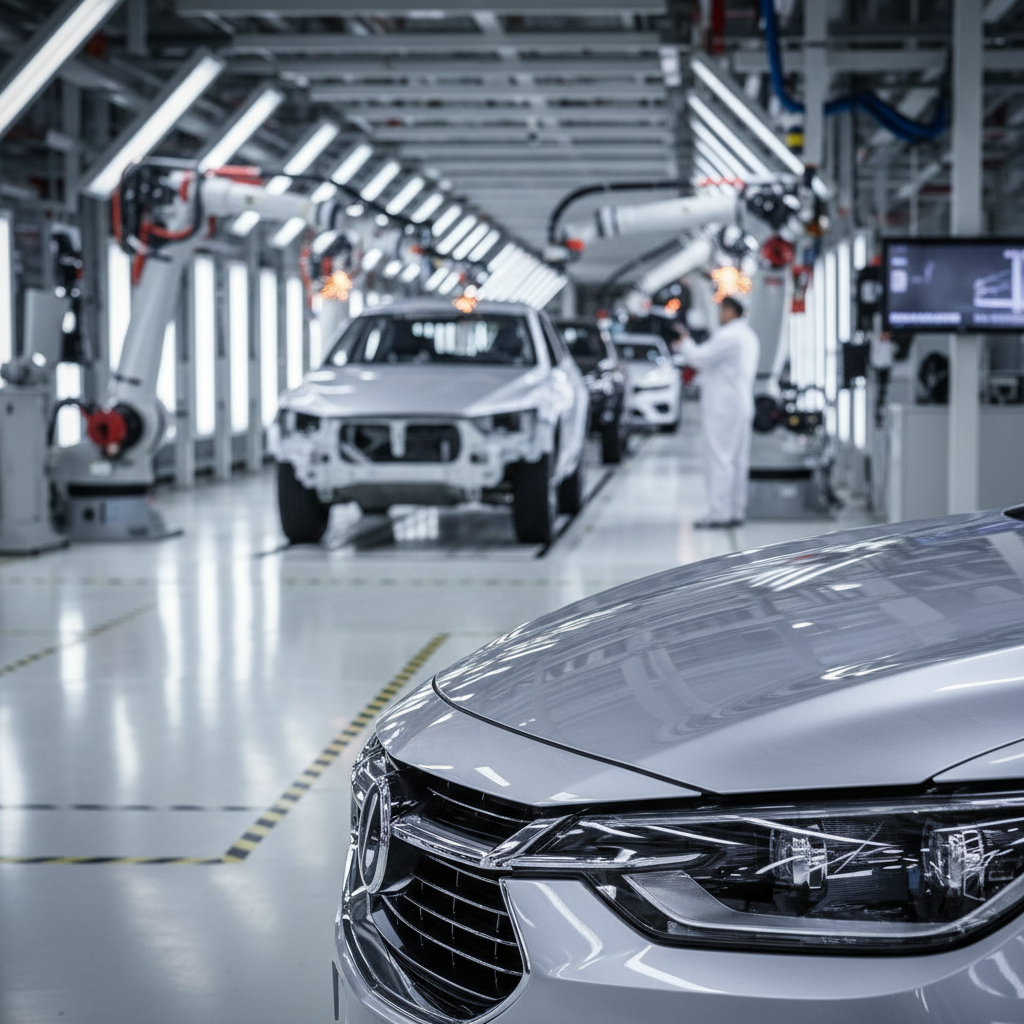
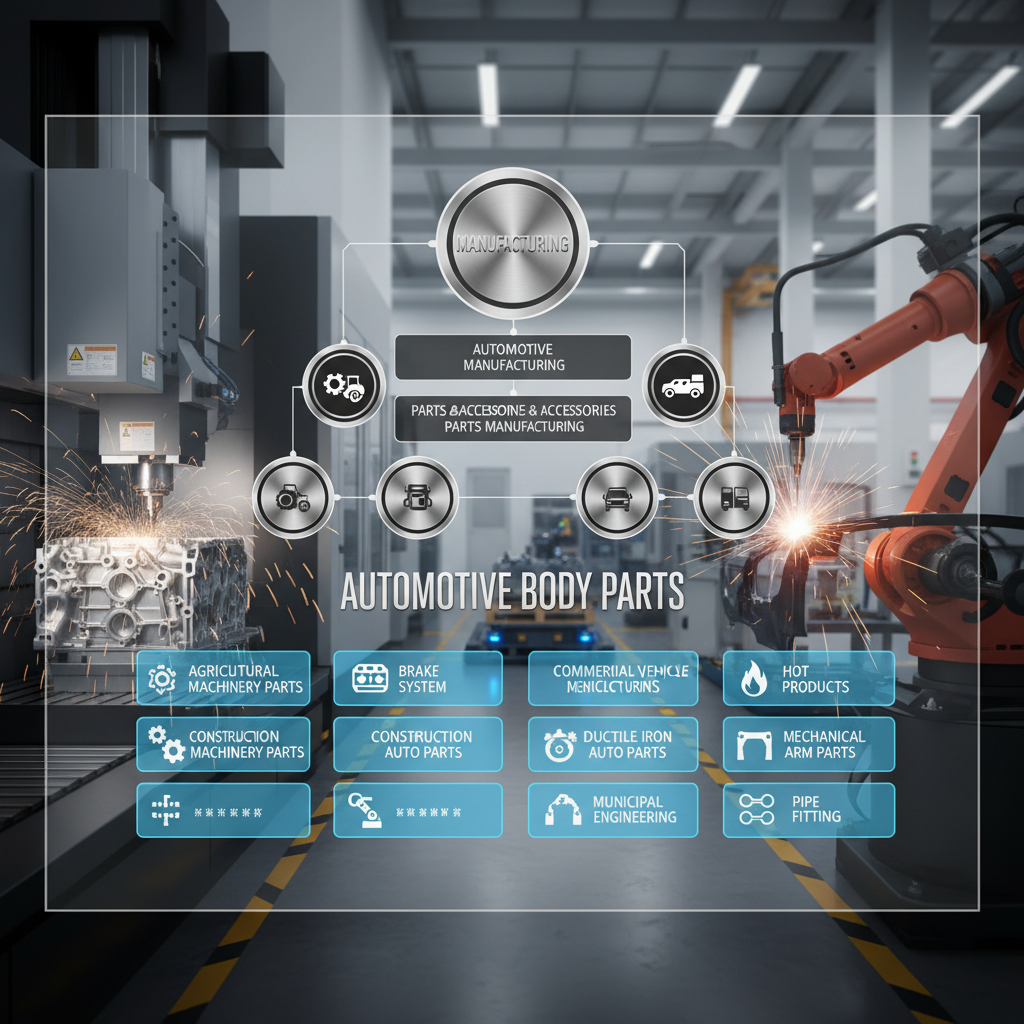
The evolution of modern transportation is inextricably linked to the advancement of automotive body parts, which serve as both the protective shell and the structural backbone of every vehicle on the road. From the sleek aerodynamics of a luxury sedan to the rugged durability of a commercial truck, these components determine not only the aesthetic appeal of a vehicle but its fundamental safety and efficiency. Understanding the intricacies of body engineering is essential for manufacturers and fleet operators aiming to optimize performance and longevity.
On a global scale, the demand for high-quality automotive body parts has surged as automotive standards shift toward lightweighting and enhanced crashworthiness. According to ISO safety standards and international automotive trends, the integration of advanced alloys and composite materials is no longer optional but a necessity to meet stringent emission targets and fuel efficiency mandates. The challenge lies in balancing the reduction of weight with the requirement for maximum structural integrity during impact.
By focusing on the synergy between material science and precision manufacturing, the industry is transforming how vehicles are built and repaired. Whether it is through the use of ductile iron for high-stress brackets or high-strength steel for chassis components, the goal remains the same: creating a safer, more sustainable driving experience. This comprehensive guide explores the critical factors, applications, and future innovations driving the world of automotive body engineering.
The Structural Importance of Automotive Body Parts
The primary function of automotive body parts extends far beyond mere aesthetics. The "body-in-white" (BIW) serves as the skeletal framework that supports all other vehicle systems, including the powertrain and interior. By meticulously engineering these parts, manufacturers ensure that the vehicle can withstand torsional stresses during cornering and absorb kinetic energy during a collision, thereby protecting the occupants.
Moreover, the integration of precision-cast components within the body structure allows for tighter tolerances and better alignment of panels. This not only reduces wind noise and improves fuel economy through better aerodynamics but also ensures that replacement parts fit seamlessly, reducing the cost and time associated with vehicle maintenance and repair in commercial fleets.
Material Science in Body Component Engineering
The selection of materials for automotive body parts is a delicate balance of strength, weight, and cost. Traditionally, mild steel was the standard; however, the industry has transitioned toward High-Strength Low-Alloy (HSLA) steels and aluminum alloys. These materials offer a superior strength-to-weight ratio, allowing vehicles to be lighter without compromising the structural integrity of the passenger cabin.
In specialized applications, such as heavy-duty commercial vehicles or construction machinery parts, ductile iron is often employed for structural brackets and mounts. This material provides the necessary impact resistance and fatigue strength required to handle the immense loads associated with industrial hauling and off-road navigation, where standard sheet metal would fail.
Recent innovations have also introduced carbon-fiber-reinforced polymers (CFRP) into the high-end automotive sector. While more expensive, these composites provide unparalleled rigidity and weight savings. The current trend is a "multi-material approach," where different materials are used in specific zones of the vehicle body based on the local stress requirements and safety needs.
Key Factors Affecting Component Durability
Corrosion resistance is perhaps the most critical factor for the longevity of automotive body parts. Environmental exposure to salt, humidity, and chemical pollutants can lead to oxidative degradation, which compromises the structural safety of the vehicle. Advanced galvanization and e-coating processes are now standard to ensure a permanent barrier against the elements.
Fatigue strength is another vital metric, specifically for parts subjected to constant vibration and cyclic loading. Precision casting and forging techniques are used to eliminate internal voids and inclusions in the metal, ensuring that the automotive body parts can withstand millions of stress cycles over the vehicle's operational lifespan without developing micro-cracks.
Thermal stability also plays a role, particularly for body components located near the engine bay or exhaust system. The ability of the material to maintain its shape and strength under extreme temperature fluctuations prevents warping and ensures that critical alignments—such as those for braking systems or transmission mounts—remain precise.
Manufacturing Methods and Performance Metrics
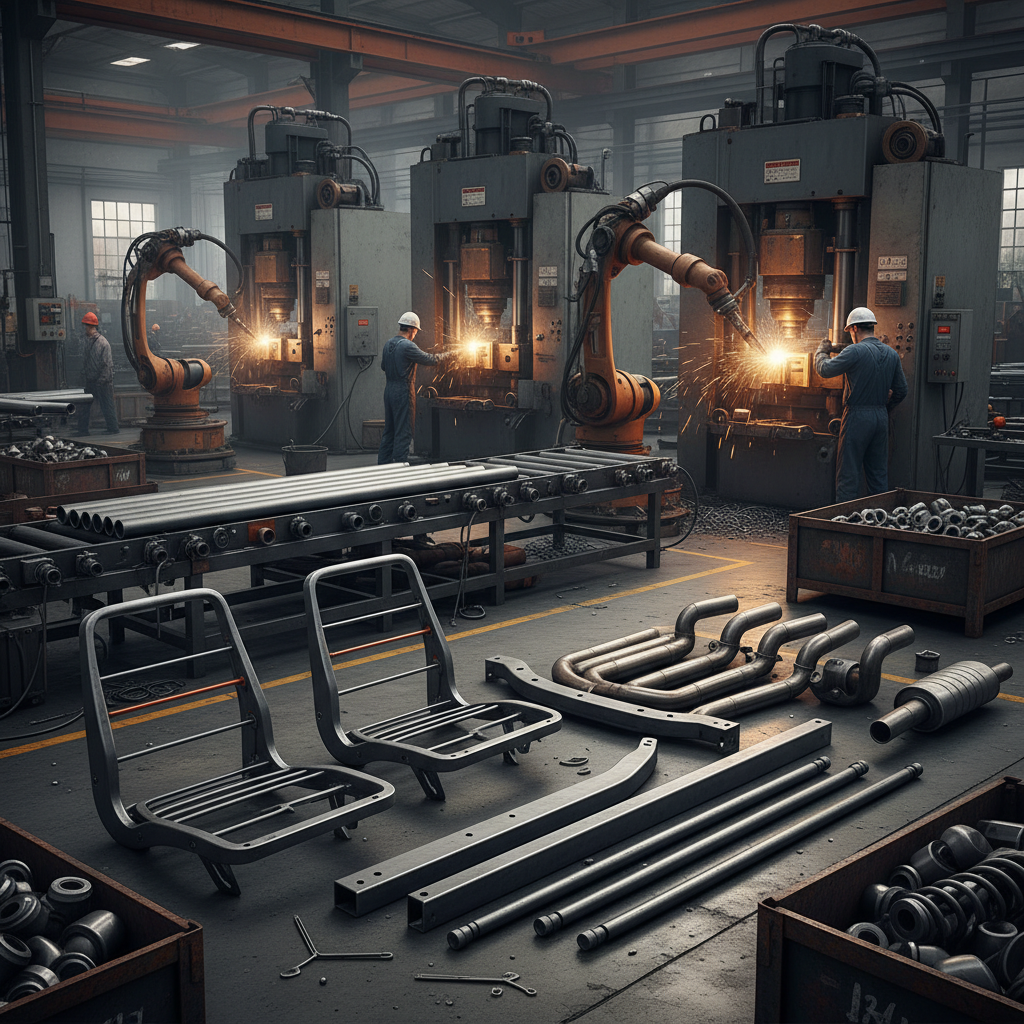
The production of automotive body parts utilizes a variety of techniques, ranging from traditional stamping to advanced die-casting and additive manufacturing. Stamping is ideal for large panels like hoods and fenders, whereas die-casting is preferred for complex structural nodes that require high dimensional accuracy and strength.
To quantify the effectiveness of these methods, engineers use specific performance ratings based on tensile strength, weight reduction, and production cost. By analyzing these metrics, manufacturers can determine the most efficient production route for each specific component, ensuring the highest quality for the end-user.
Comparative Performance of Automotive Body Parts Manufacturing
Global Applications Across Vehicle Segments
The application of automotive body parts varies significantly across different regions and vehicle types. In urban centers in Europe and Asia, the focus is on compact, lightweight parts for electric vehicles (EVs) to maximize battery range. Conversely, in North American and Australian markets, there is a higher demand for heavy-duty body components for pickup trucks and commercial hauling vehicles.
In specialized industrial zones, such as mining or remote construction sites, automotive body components are often reinforced with additional cladding and high-impact materials to resist abrasion and mechanical damage. This versatility ensures that whether the vehicle is a municipal engineering truck or a luxury sedan, the body parts are optimized for the specific environmental challenges they will face.
Long-Term Value and Safety Impact
Investing in premium automotive body parts yields significant long-term value by reducing the total cost of ownership. High-quality components are less prone to rust and deformation, which preserves the vehicle's resale value and reduces the frequency of expensive body shop visits. For commercial fleet operators, this translates directly into higher uptime and lower operational expenses.
From a safety perspective, the integrity of body parts is non-negotiable. Crumple zones, designed to deform in a controlled manner during an accident, rely on the precise metallurgical properties of the steel and aluminum used. When these parts are engineered correctly, they absorb the majority of the impact energy, significantly increasing the survival rate of passengers in high-speed collisions.
Beyond physical safety, there is a psychological component of trust. A vehicle that maintains its structural rigidity and aesthetic finish over time gives the owner confidence in the brand's engineering. This trust is built on the invisible quality of the welds, the purity of the alloys, and the precision of the casting.
Future Trends in Sustainable Body Manufacturing
The future of automotive body parts is leaning heavily toward "Green Manufacturing." This involves the use of recycled aluminum and bio-based composites to reduce the carbon footprint of vehicle production. The shift toward a circular economy means that parts are now being designed for easier disassembly and recycling at the end of the vehicle's life.
Digital transformation is also reshaping the industry. Digital Twin technology allows engineers to simulate the stress and crash performance of body parts in a virtual environment before a single piece of metal is cast. This reduces waste and accelerates the development cycle for new, safer vehicle architectures.
Furthermore, the rise of autonomous vehicles is prompting a redesign of body layouts. Without the need for traditional driver-centric cabins, the "body" of the vehicle is becoming more flexible, with modular components that can be swapped or upgraded to change the vehicle's function from a passenger pod to a delivery unit.
Analysis of Sustainable Material Trends in Body Manufacturing
| Material Type |
Sustainability Score |
Weight Reduction |
Production Cost |
| Recycled Aluminum |
9/10 |
High |
Moderate |
| Bio-Composites |
10/10 |
Very High |
High |
| High-Strength Steel |
6/10 |
Moderate |
Low |
| Carbon Fiber (Recycled) |
7/10 |
Extreme |
Very High |
| Ductile Iron |
5/10 |
Low |
Very Low |
| Magnesium Alloys |
8/10 |
High |
Moderate |
FAQS
OEM (Original Equipment Manufacturer) parts are made by the vehicle's original brand and are guaranteed to fit and perform exactly as intended. Aftermarket parts are made by third-party companies; while often more affordable, their quality varies. For critical structural components, OEM or high-grade certified aftermarket parts are recommended to ensure safety and insurance compliance.
The most effective way to prevent rust is to maintain the protective coating. Regular washing to remove salt and road grime, applying a high-quality wax or sealant, and addressing small chips or scratches immediately with touch-up paint prevents moisture from reaching the bare metal. In high-corrosion areas, undercoating treatments can provide an extra layer of defense.
Yes, aluminum requires specialized tools and techniques. Unlike steel, which can be easily pulled or hammered back into shape, aluminum has a different "memory" and is more prone to cracking if worked too aggressively. Repair shops must use specialized aluminum-only welding equipment and clean-rooms to avoid cross-contamination with steel particles, which can cause galvanic corrosion.
Crumple zones are structural areas of the body engineered to deform and collapse in a controlled sequence during a collision. By folding and crushing, these parts absorb a massive amount of the crash energy, preventing that energy from being transferred directly to the passenger cabin, thereby reducing the force of impact on the occupants.
Ductile iron is used for high-stress load-bearing components, such as chassis brackets, suspension mounts, and heavy-duty supports. Unlike gray iron, ductile iron can deform slightly without breaking, providing the necessary toughness and impact resistance for parts that must support the vehicle's weight under extreme dynamic conditions.
Absolutely. Reducing the weight of the upper body lowers the vehicle's center of gravity, which typically improves cornering stability and agility. Furthermore, lighter body parts reduce the overall mass the engine must move, leading to faster acceleration and shorter braking distances, enhancing overall vehicle dynamics.
Conclusion
In summary, automotive body parts are the critical intersection where safety, aesthetics, and engineering efficiency meet. From the selection of advanced alloys to the implementation of sustainable manufacturing processes, every detail contributes to the vehicle's overall performance and the safety of its passengers. We have seen that the transition toward lightweight materials and digital design is not just a trend, but a fundamental shift toward a more efficient and environmentally conscious automotive industry.
As we move toward a future defined by electric mobility and autonomous driving, the role of the vehicle body will continue to evolve, demanding even higher standards of precision and sustainability. For manufacturers and operators, the key to success lies in partnering with suppliers who prioritize metallurgical excellence and innovative casting techniques. To explore high-quality solutions for your automotive needs, visit our website: www.kaihuacasting.com.