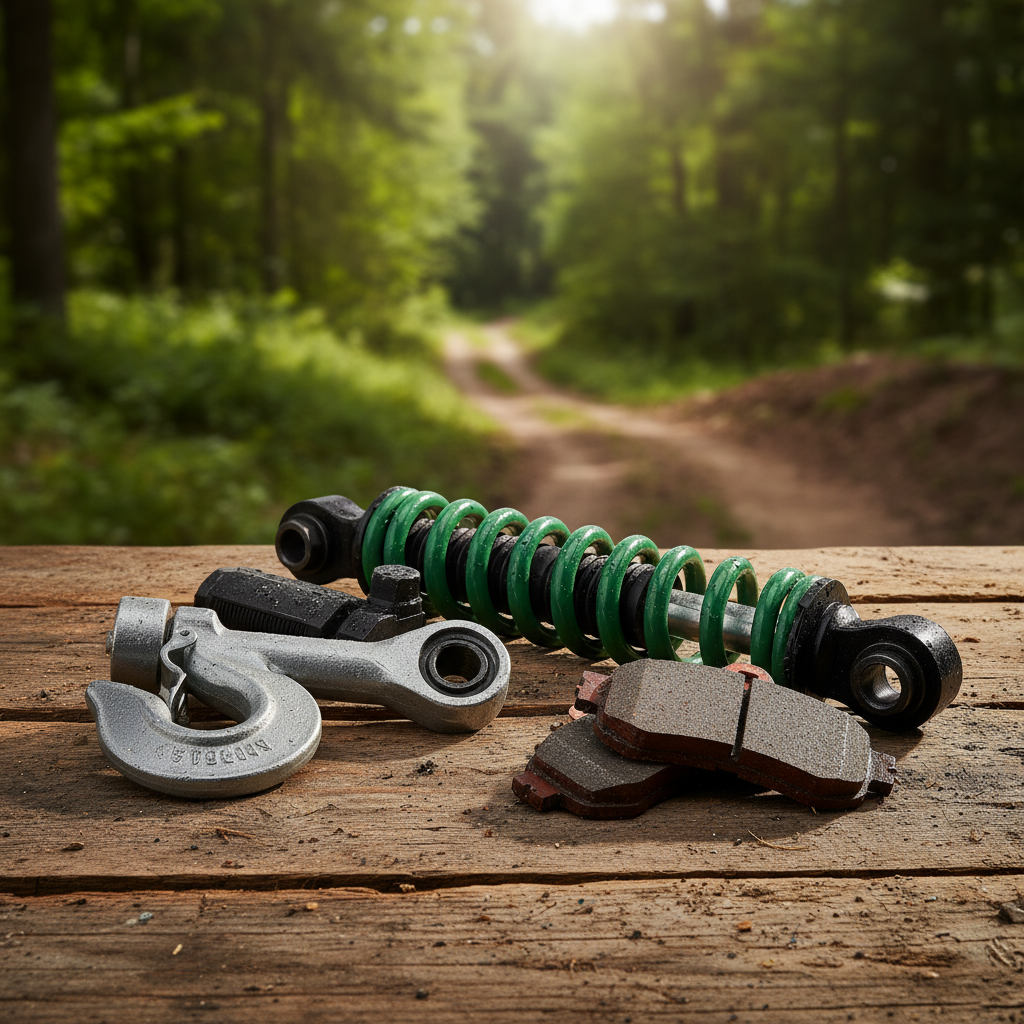
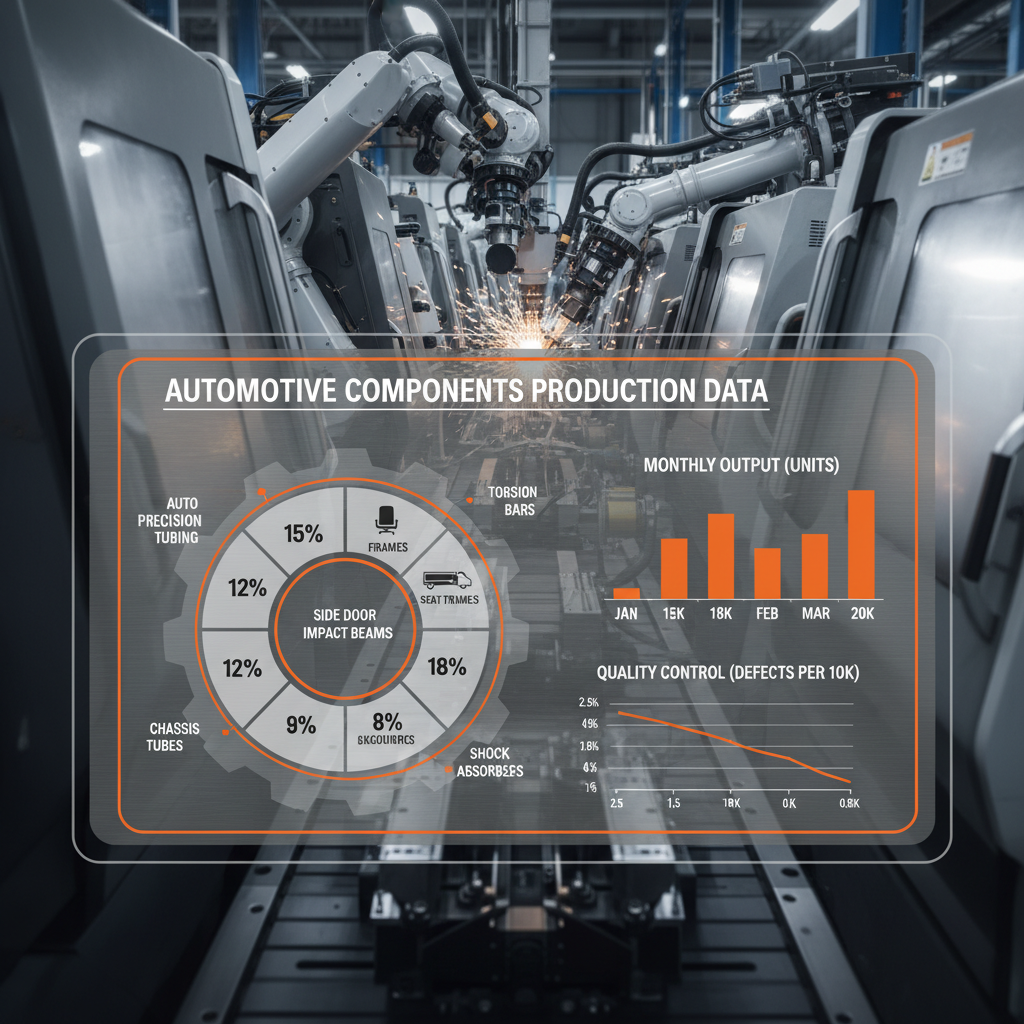
The global automotive landscape is undergoing a massive transformation, yet the fundamental necessity for high-quality car spare parts remains the bedrock of vehicle longevity and road safety. From precision-engineered drivetrain components to essential braking systems, the availability of reliable replacements ensures that the world's transport infrastructure continues to move efficiently. Understanding the nuances of part selection and material quality is no longer just for mechanics, but for every fleet manager and vehicle owner seeking to optimize performance.
In an era where supply chain volatility can ground entire fleets, the strategic sourcing of automotive components has become a critical economic lever. The integration of advanced metallurgy, such as ductile iron, into the manufacturing of car spare parts has allowed for a significant reduction in vehicle weight without compromising structural integrity. This evolution reflects a broader industry shift toward sustainable engineering and the reduction of lifetime vehicle maintenance costs.
Whether dealing with commercial vehicle parts or specialized agricultural machinery components, the goal is the same: maximizing uptime and ensuring passenger safety. By focusing on the intersection of durability, precision, and cost-effectiveness, the industry is paving the way for a more resilient automotive aftermarket. This guide explores the intricate world of automotive components, providing a technical yet accessible overview of how these parts keep the modern world in motion.
The Global Significance of Automotive Components
The automotive aftermarket is a trillion-dollar global industry, driven by the necessity to maintain millions of internal combustion and electric vehicles. According to ISO standards and global trade data, the demand for car spare parts is not merely about repair, but about the continuous upgrade of safety and efficiency. In regions with developing infrastructure, the availability of high-quality components can be the difference between a functioning economy and a logistical standstill.
However, the industry faces a significant challenge: the proliferation of sub-standard parts that compromise vehicle safety. Ensuring that components meet rigorous OEM specifications is critical, as a single failure in a brake system or transmission gear can lead to catastrophic results. This underscores the importance of sourcing from manufacturers who prioritize metallurgical precision and strict quality control protocols.
Defining the Scope of Modern Spare Parts
At its simplest level, car spare parts refer to any replacement component used to maintain, repair, or enhance a vehicle. This encompasses a vast range of categories, from ductile iron auto parts used in engine blocks to complex mechanical arm parts for automated assembly and repair. The scope extends beyond passenger cars to include commercial vehicle parts and heavy-duty construction machinery components.
Modern automotive components are no longer standalone pieces of metal; they are integrated systems. For instance, a brake system component must work in perfect harmony with electronic sensors and hydraulic fluids to ensure immediate deceleration. This interdependence means that the precision of the casting and the tolerance of the machining must be absolute to avoid vibration and premature wear.
In a humanitarian and industrial context, the accessibility of these parts is vital for maintaining essential services. In remote industrial zones or post-disaster relief operations, the ability to quickly replace a failed drivetrain component allows logistics vehicles to continue delivering food, medicine, and equipment, proving that the "spare part" is actually a lifeline for critical infrastructure.
Core Engineering Factors for Durability
Material selection is the first pillar of durability for any car spare parts. The use of ductile iron, for example, provides a unique combination of strength and flexibility, which is essential for components subjected to high impact or cyclic loading, such as steering knuckles or suspension arms.
Precision casting and machining tolerances are equally critical. When dealing with transmission components, a deviation of even a few microns can lead to increased friction, heat buildup, and eventual mechanical failure. This is why advanced CNC machining and investment casting are employed to ensure that every part fits perfectly without requiring extensive manual adjustment.
Corrosion resistance constitutes the third vital factor. Automotive parts are constantly exposed to road salt, moisture, and extreme temperature fluctuations. Implementing advanced coating technologies and choosing alloys with inherent oxidation resistance ensures that the structural integrity of the component remains intact over a decade of service.
Comparative Performance of Material Types
Choosing the right material for car spare parts involves a trade-off between weight, strength, and cost. While aluminum is prized for its lightness in luxury vehicles, ductile iron remains the gold standard for heavy-duty applications due to its superior fatigue strength and dampenability.
To better understand how different fabrication methods impact the performance of automotive components, we analyze several key metrics including wear resistance, tensile strength, and cost-to-life ratio. This allows fleet operators to make data-driven decisions on whether to invest in premium alloys or standard industrial grade components.
Performance Analysis of Car Spare Parts Material Methods
Global Application Scenarios and Use Cases
The application of high-grade car spare parts varies significantly across different global industries. In the construction sector, heavy-duty parts for excavators and loaders must withstand extreme torque and abrasive environments. Here, the focus is on maximum hardness and impact resistance to prevent downtime on high-stakes project sites.
Conversely, in the municipal engineering sector, parts for waste management vehicles and street sweepers prioritize longevity and ease of maintenance. In regions like Southeast Asia or Africa, where road conditions can be unpredictable, the demand for reinforced suspension and brake system components is significantly higher, highlighting the need for parts that exceed standard OEM specifications.
Long-term Value and Sustainability Benefits
Investing in premium car spare parts offers a clear logical advantage: the reduction of the total cost of ownership (TCO). While cheaper alternatives may seem attractive initially, the frequency of replacement and the potential for secondary damage to other vehicle systems often make them more expensive in the long run.
Beyond economics, there is a profound sustainability angle. High-quality, durable parts reduce the volume of waste entering landfills and lower the carbon footprint associated with the manufacturing and shipping of frequent replacements. This aligns with global movements toward a circular economy, where components are designed for extreme longevity and eventual recyclability.
Finally, the emotional value of reliability cannot be overstated. For a driver, knowing that their brake system or steering linkage is comprised of top-tier materials provides peace of mind and safety. This trust between the manufacturer and the end-user is the foundation of brand loyalty in the automotive aftermarket.
Future Innovations in Casting and Fabrication
The future of car spare parts is being shaped by the digital transformation of manufacturing. 3D printing (additive manufacturing) is allowing for the creation of complex geometries that were previously impossible with traditional casting, enabling parts that are lighter yet stronger. This is particularly useful for producing discontinued parts for vintage cars or highly specialized racing components.
Furthermore, the shift toward Electric Vehicles (EVs) is changing the types of parts required. While traditional engine components are decreasing in demand, there is a surge in the need for specialized housings for battery packs and high-efficiency thermal management systems. These new components require advanced alloys that can handle different thermal stresses and provide electromagnetic shielding.
Automation in the foundry process, including AI-driven quality inspection, is ensuring that human error is virtually eliminated from the production line. This means that every part leaving the factory is an exact replica of the digital twin, ensuring perfect compatibility and performance.
Analysis of Future Technology Adoption in Automotive Parts
| Technology Type |
Application Area |
Efficiency Gain |
Adoption Rate |
| Additive Mfg |
Custom Manifolds |
High |
Medium |
| AI Inspection |
Quality Control |
Very High |
High |
| Lightweight Alloys |
Chassis Parts |
Medium |
Very High |
| Smart Coatings |
Anti-corrosion |
High |
Medium |
| Nano-Casting |
Precision Gears |
Very High |
Low |
| Digital Twinning |
Predictive Maintenance |
Medium |
Medium |
FAQS
High-quality ductile iron components typically exhibit a smoother surface finish and lack the visible porosity found in cheaper gray iron. Professionally manufactured parts will also have clear certification markings and precise dimensions that align perfectly with the vehicle's mounting points without forcing. We recommend requesting material test reports (MTR) from the supplier to verify the metallurgical composition.
Yes, provided they are sourced from a reputable manufacturer that follows ISO and IATF 16949 standards. Many high-end aftermarket parts are actually engineered to exceed OEM specifications, offering better durability or corrosion resistance. The key is to avoid "no-name" budget parts and instead choose suppliers with proven track records in automotive casting and precision machining.
While wear items like pads are consumable, the structural components of a brake system (like calipers or hubs) should last the lifetime of the vehicle if maintained correctly. High-grade ductile iron components can typically withstand hundreds of thousands of miles of operation without structural fatigue, provided they are not subjected to extreme misuse or complete neglect of lubrication.
The most efficient way is to partner with a specialized manufacturer that can produce parts based on technical drawings or samples. Ensure the supplier has experience with heavy-duty alloys and international shipping logistics. Verifying their capacity for both casting and final machining reduces the risk of quality discrepancies and simplifies the supply chain from one single source.
Not necessarily. Aluminum is excellent for reducing unsprung weight, which can improve handling and fuel efficiency. However, it has different fatigue properties than steel or iron. For high-stress structural areas, ductile iron is still preferred. The best approach is a hybrid strategy: using aluminum where weight saving is key and high-strength alloys where maximum load-bearing capacity is required.
Digital twinning involves creating a perfect virtual replica of a physical part. This allows engineers to simulate wear and tear under various conditions before the part is even cast. For the customer, it means that the replacement part is optimized for the specific stresses of their vehicle's application, leading to a more precise fit and a longer operational lifespan.
Conclusion
Maintaining the operational integrity of any vehicle relies on the uncompromising quality of its car spare parts. From the initial choice of materials like ductile iron to the precision of the final machining, every step in the production process contributes to the safety, efficiency, and longevity of the vehicle. By prioritizing engineering excellence over short-term cost savings, fleet managers and vehicle owners can significantly reduce downtime and environmental impact.
Looking ahead, the integration of AI, additive manufacturing, and sustainable alloys will continue to redefine the automotive aftermarket. As we transition toward electric and autonomous mobility, the demand for precision-engineered components will only grow. We encourage all industry professionals to seek partnerships with manufacturers who embrace these innovations while adhering to the strictest quality standards. Visit our website to explore our range of professional solutions: www.kaihuacasting.com