


Comprehensive Guide to Semi Truck Hub Maintenance and Types
Understanding Your Semi Truck Hub: A Comprehensive Guide
The semi truck hub is a critical component of any commercial vehicle, playing a vital role in safe and efficient operation. It connects the wheels to the axle, bearing the immense weight and stress of long-haul transportation. Choosing the right hub – and maintaining it correctly – is paramount. This article will delve into the types of semi truck hubs, common issues, maintenance best practices, and how Kaihua Casting can provide high-quality, durable solutions for your fleet. Ignoring your semi truck hub can lead to costly repairs and potentially dangerous situations, so understanding its importance is key.
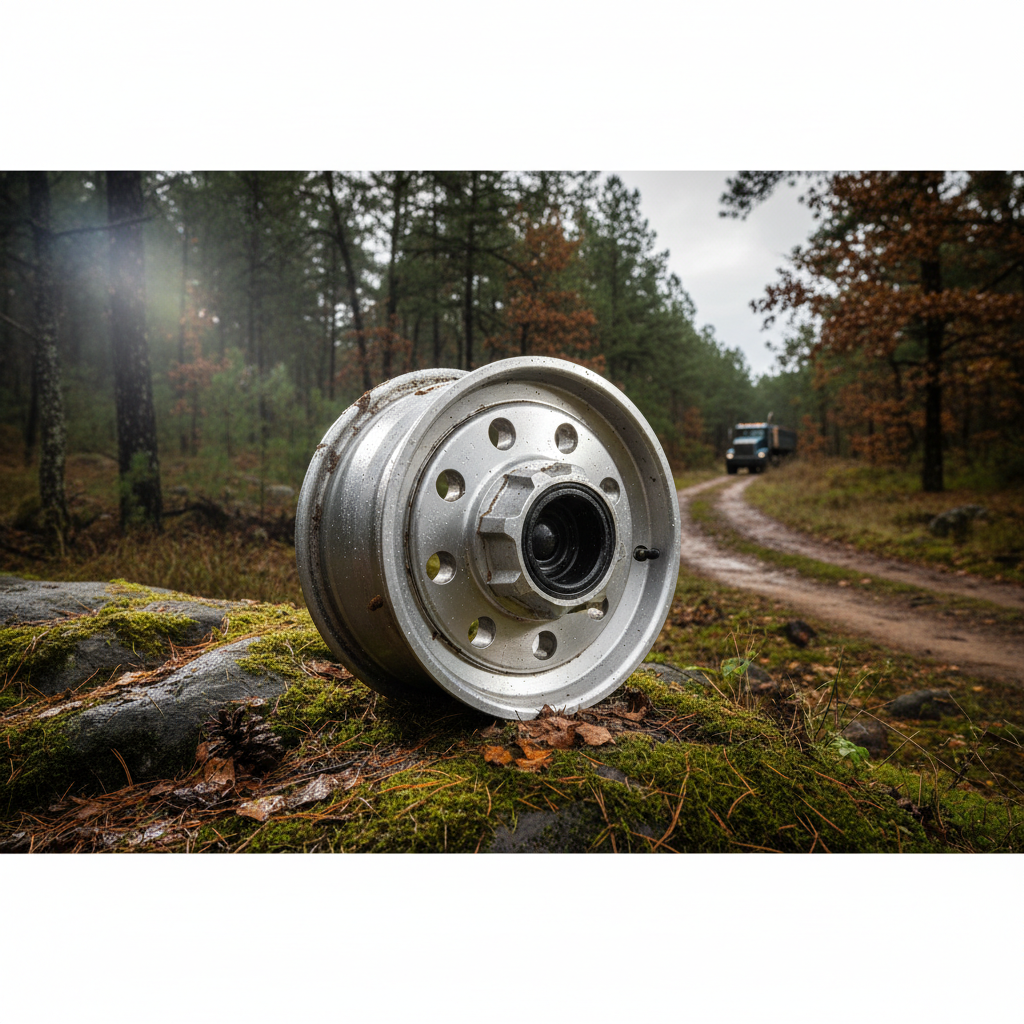
Types of Semi Truck Hubs
Semi truck hubs primarily fall into two categories: stud-piloted hubs and hub-piloted hubs. Stud-piloted hubs are the more traditional design, relying on wheel studs to center the wheel and bear the load. Hub-piloted hubs, on the other hand, utilize a pilot flange on the axle to center the wheel, reducing stress on the studs and offering greater precision. Choosing the right type depends on your vehicle’s specifications and the intended application. Each type requires different maintenance procedures and has distinct advantages and disadvantages. Understanding these differences is crucial for informed decision-making.
Key Difference: Stud-piloted hubs center the wheel using wheel studs, while hub-piloted hubs use a pilot flange on the axle. Hub-piloted hubs generally offer improved accuracy and reduced stud stress.
Common Issues with Semi Truck Hubs
Several issues can plague semi truck hubs, leading to downtime and repair costs. These include worn bearings, damaged seals, cracked hubs, and loose lug nuts. Worn bearings are a frequent problem, often caused by inadequate lubrication or contamination. Damaged seals allow dirt and water to enter the hub, accelerating bearing wear. Cracked hubs can result from excessive stress or impact. Regular inspection and preventative maintenance are vital to identifying and addressing these issues before they escalate.
Common Hub Problems:
• Worn Bearings
• Damaged Seals
• Cracked Hubs
• Loose Lug Nuts
Maintenance Best Practices for Your Semi Truck Hub
Proactive maintenance is the best way to extend the life of your semi truck hubs and prevent costly breakdowns. This includes regular lubrication, inspection of seals and bearings, torque checks on lug nuts, and visual inspection for cracks or damage. Use the recommended grease type for your hub, and follow the manufacturer's lubrication schedule. Properly torqued lug nuts are crucial for safe operation and prevent wheel separation. Address any issues promptly to avoid further damage.
Why Choose Kaihua Casting for Your Semi Truck Hub Needs?
Kaihua Casting specializes in the manufacturing of high-quality, durable semi truck hubs. We utilize advanced casting techniques and rigorous quality control measures to ensure our products meet the highest industry standards. Our hubs are designed to withstand the demanding conditions of commercial trucking, offering exceptional reliability and longevity. We offer a wide range of hub options to suit various makes and models, and our team is committed to providing excellent customer service and support.
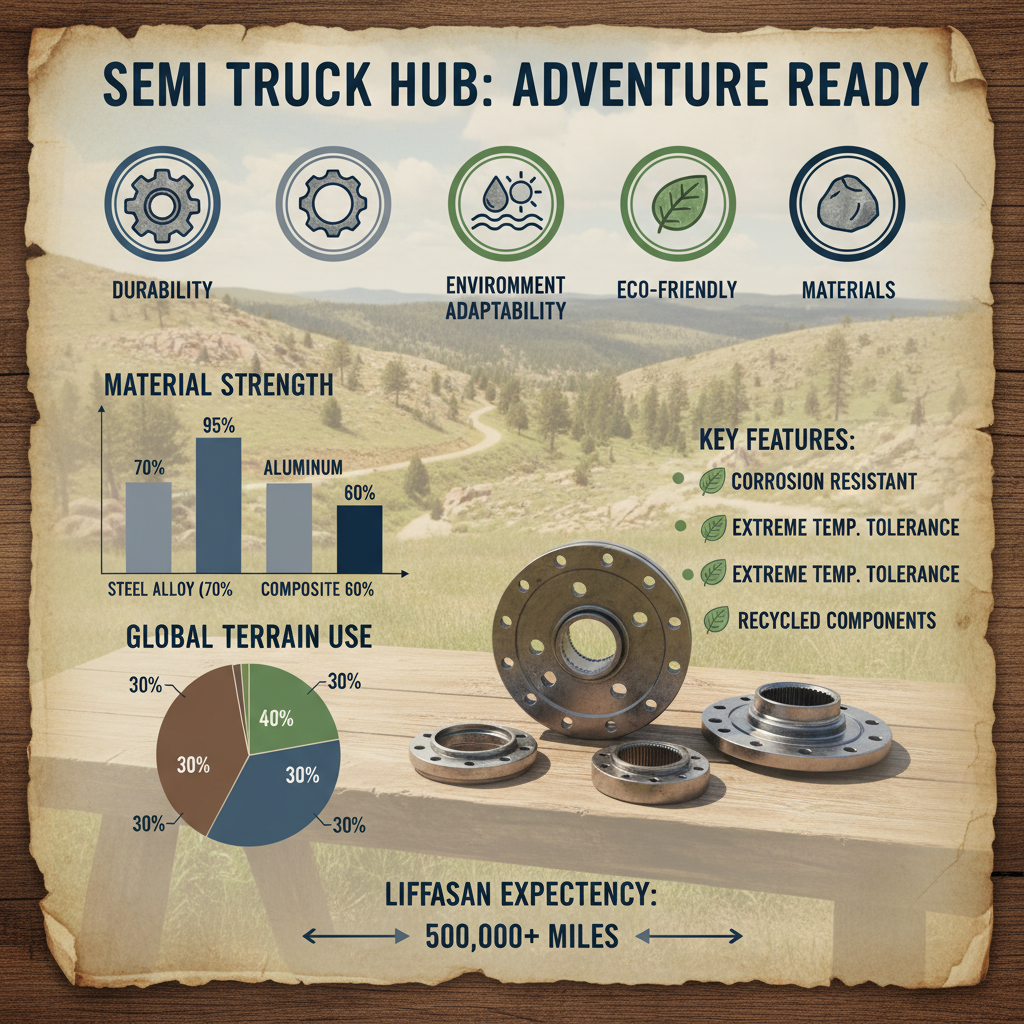
Semi Truck Hub Specifications and Dimensions
Understanding the precise specifications of your semi truck hub is crucial for replacement or repair. Dimensions vary depending on the axle type and vehicle manufacturer. Here's a sample table outlining common specifications (please consult your vehicle's manual for accurate data):
Conclusion: Ensuring Reliability with Quality Semi Truck Hubs
Investing in high-quality semi truck hubs from a reputable manufacturer like Kaihua Casting is an investment in the safety, reliability, and longevity of your fleet. Proper maintenance and timely replacement of worn components are essential for preventing costly downtime and ensuring safe operation. Prioritize hub health to keep your business moving forward.
Frequently Asked Questions (FAQs)
How often should I replace my semi truck hubs?
The replacement frequency depends on several factors, including mileage, load weight, road conditions, and maintenance practices. Generally, hubs should be inspected thoroughly during routine maintenance. Signs of wear, such as cracks, excessive corrosion, or bearing play, indicate the need for replacement. As a guideline, consider replacing hubs every 500,000 to 750,000 miles, but always prioritize inspection results. Ignoring these warning signs can lead to catastrophic failure.
What is the importance of proper lug nut torque?
Proper lug nut torque is absolutely critical for wheel safety. Under-torqued lug nuts can allow the wheel to loosen and potentially separate from the hub, leading to a dangerous loss of control. Over-torqued lug nuts can damage the studs and hub, potentially causing them to fail. Always use a calibrated torque wrench and follow the manufacturer’s recommended torque specifications. Regularly check lug nut torque, especially after wheel removal and installation.
What type of grease should I use in my semi truck hubs?
Using the correct grease is vital for ensuring long hub life. Consult your vehicle's manufacturer's recommendations for the specific grease type. Typically, a high-quality, lithium-based grease with extreme pressure (EP) additives is recommended. Avoid using greases that are incompatible with the hub materials, as this can lead to corrosion and premature wear. Ensure the grease is clean and free of contaminants before application.
How can I tell if my wheel bearings are worn?
Several symptoms indicate worn wheel bearings. These include grinding or rumbling noises coming from the wheel area, especially when turning. You might also experience wheel wobble or play when lifting the vehicle. Additionally, a hot hub after operation can suggest bearing friction. Regular inspection during maintenance can help identify worn bearings before they cause significant damage.