


Essential Guide to Semi Truck Fuel Water Separators for Optimal Performance
Understanding the Importance of a Semi Truck Fuel Water Separator
Maintaining the fuel system in a semi-truck is crucial for optimal performance and longevity. One often-overlooked but vitally important component is the semi truck fuel water separator. This device prevents water and contaminants from reaching the engine, safeguarding expensive fuel injectors and ensuring efficient operation. This article will explore the function, benefits, maintenance, and selection of fuel water separators, providing valuable insight for truck owners, fleet managers, and mechanics. A properly functioning fuel water separator is a small investment that can save significant costs down the road.

How Does a Semi Truck Fuel Water Separator Work?
The principle behind a fuel water separator is relatively simple. Fuel is passed through a filter designed to remove water, sediment, and other contaminants. Most separators utilize a coalescing filter element. This element causes water droplets to merge into larger drops, which then settle to the bottom of the separator housing. A drain valve allows for periodic removal of the accumulated water and debris. Modern separators often include sensors that alert the driver when water levels reach a critical point. Choosing a quality fuel water separator ensures reliable protection against fuel contamination.
Key Benefits: Prevents water and contaminants from damaging fuel injectors, improves fuel efficiency, extends engine life, reduces downtime, and lowers maintenance costs.
Why is a Fuel Water Separator Essential for Semi Trucks?
Semi trucks operate under harsh conditions and often refuel at various locations, increasing the risk of water and contaminants entering the fuel tank. Water in diesel fuel can lead to corrosion of fuel lines and injectors, decreased fuel lubricity, and ultimately, engine failure. Modern high-pressure common rail (HPCR) fuel systems are particularly susceptible to damage from even small amounts of water. The cost of replacing fuel injectors far outweighs the cost of a quality fuel water separator. A reliable separator is, therefore, a critical investment in the longevity and reliability of a semi-truck.
The Dangers of Fuel Contamination:
• Corrosion of fuel system components
• Reduced fuel efficiency
• Damage to fuel injectors and pumps
• Engine failure and costly repairs
Semi Truck Fuel Water Separator Types: Choosing the Right One
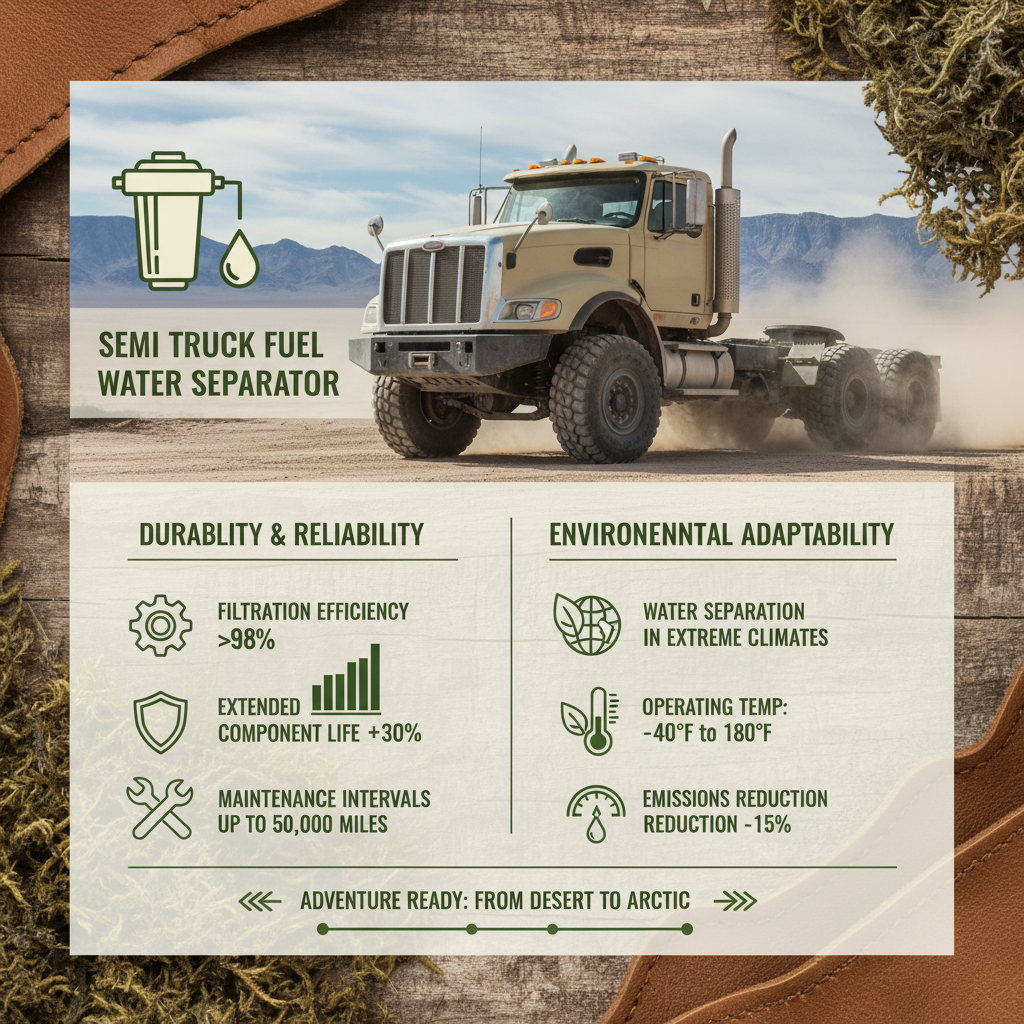
Several types of fuel water separators are available, each with its own advantages and disadvantages. Spin-on filters are a common and cost-effective option, but require frequent replacement. Cartridge-style filters offer higher capacity and longer service life. Heated separators are beneficial in colder climates, preventing fuel waxing and ensuring proper separation. Consider the truck’s operating environment, fuel quality, and maintenance schedule when selecting a separator. Kaihua Casting offers a comprehensive range of separators to meet diverse needs.
Proper Maintenance of Your Fuel Water Separator
Regular maintenance is critical to ensure the effectiveness of your fuel water separator. Drain the separator housing frequently, as recommended by the manufacturer. Inspect the filter element regularly and replace it when necessary. Pay attention to any warning lights or alerts indicating excessive water buildup. Keep records of maintenance activities to track filter replacement intervals. Using high-quality fuel and practicing good fuel handling procedures can also minimize contamination. Don't ignore the simple step of checking and maintaining this important component.
Choosing Kaihua Casting for Your Fuel Water Separator Needs
At Kaihua Casting, we specialize in providing high-quality fuel water separators for semi-trucks and other heavy-duty vehicles. We offer a wide selection of separators to suit various applications and budgets. Our products are manufactured to stringent quality standards and backed by exceptional customer support. Contact us today to learn more about our offerings and find the perfect separator for your needs.
Conclusion: Protect Your Investment with a Reliable Separator
Investing in a high-quality semi truck fuel water separator is a proactive step towards ensuring the longevity and reliability of your vehicle. Don't wait for fuel contamination to cause costly repairs – protect your investment with a separator from Kaihua Casting.
Frequently Asked Questions (FAQs)
How often should I drain my fuel water separator?
The frequency of draining depends on your operating conditions. As a general guideline, drain the separator every time you refuel, or at least once a week. If you consistently fuel at stations with questionable fuel quality, more frequent draining is recommended. Always check the separator for water buildup before long trips. Regular inspection and draining are essential for preventing fuel contamination. Neglecting this simple task can lead to significant engine damage. The Kaihua Casting team can advise on optimal maintenance schedules for specific applications.
What are the signs of a failing fuel water separator?
Several signs can indicate a failing separator. These include frequent warning lights illuminating, reduced engine power, rough idling, difficulty starting the engine, and decreased fuel efficiency. You may also notice water or sediment in the drained fuel. If you experience any of these symptoms, inspect and replace the separator filter immediately. Ignoring these warning signs can lead to costly engine repairs.
Can I use additives to prevent water in my fuel tank?
While fuel additives can offer some benefit in dispersing small amounts of water, they are not a substitute for a properly functioning fuel water separator. Additives can help emulsify water, allowing it to pass through the fuel system, but they do not remove it. Relying solely on additives can still lead to corrosion and damage to fuel injectors. A robust separator remains the primary defense against fuel contamination.
Are there universal fuel water separators?
While some separators may fit a wide range of trucks, it’s crucial to verify compatibility before installation. Different trucks have different fuel line sizes and configurations. Using an incompatible separator can lead to leaks or reduced effectiveness. Kaihua Casting offers separators specifically designed for various truck models, ensuring a proper fit and optimal performance.