


Comprehensive Guide to Addressing Semi Truck Brake Chamber Leaking Air
Addressing Semi Truck Brake Chamber Leaks: A Comprehensive Guide
A leaking semi truck brake chamber is a serious safety concern, potentially leading to reduced braking efficiency and increased stopping distances. Understanding the causes, identifying the leaks, and implementing effective solutions are crucial for maintaining a safe and reliable commercial vehicle. This article provides a detailed overview of semi truck brake chamber leaks, covering diagnostics, repair options, preventative measures, and the importance of sourcing quality replacement parts. Ignoring this issue can be costly, impacting both your safety and your bottom line.
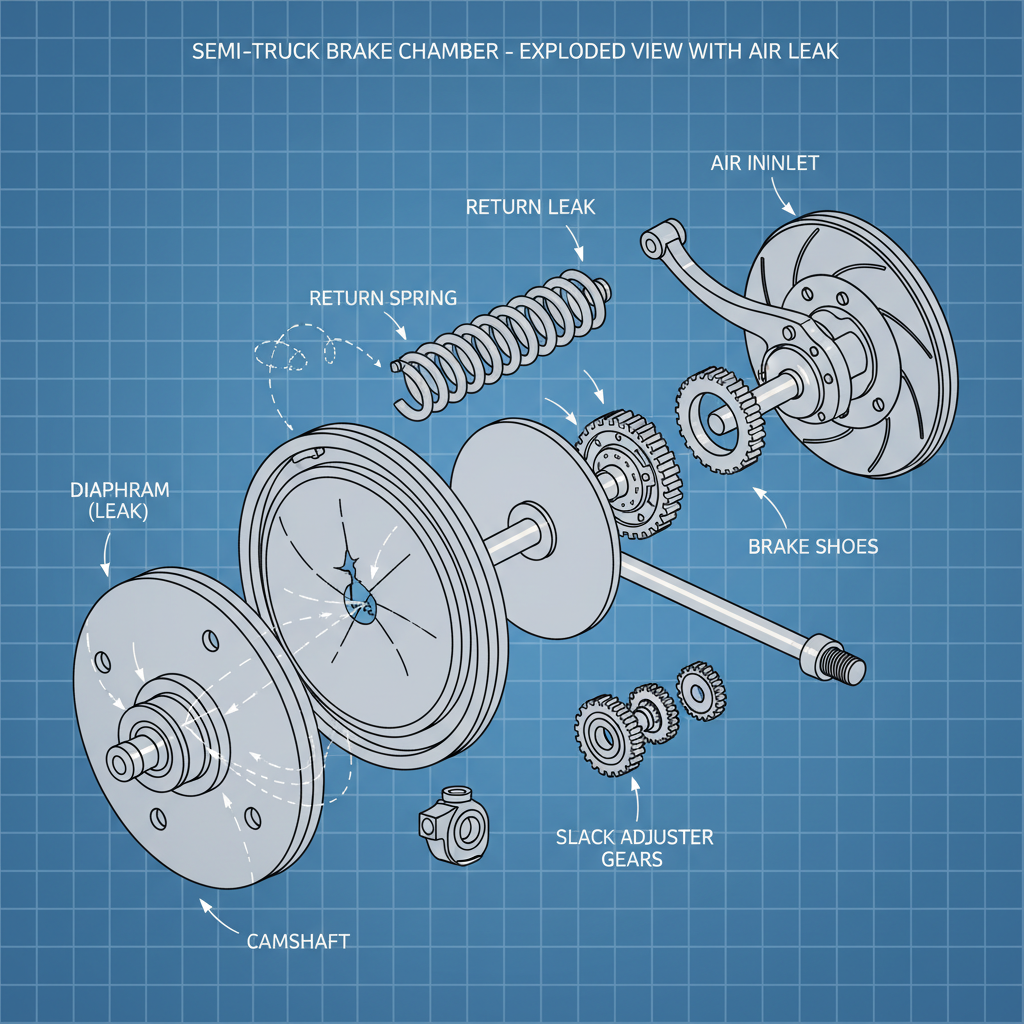
Understanding the Causes of Semi Truck Brake Chamber Leaks
Several factors can contribute to air leaks in semi truck brake chambers. The most common causes include worn or damaged seals, cracked chambers due to corrosion or physical impact, faulty diaphragm valves, and loose mounting bolts. Environmental conditions, such as prolonged exposure to road salt and extreme temperatures, can accelerate deterioration. Regular inspections are vital to identify these issues before they escalate. Furthermore, improper maintenance, like neglecting lubrication, can also contribute to premature wear and tear, increasing the likelihood of leaks. Kaihua Casting offers durable brake chambers designed to withstand harsh conditions.
Key Causes: Worn seals, cracked chambers, faulty diaphragm valves, loose mounting bolts, environmental factors, and inadequate lubrication.
Identifying a Semi Truck Brake Chamber Leaking Air
Detecting a brake chamber leak often involves a noticeable hissing sound, particularly when the brakes are applied or released. Visual inspection can reveal air bubbles forming around seals, cracks in the chamber body, or visible damage to the diaphragm. A soap and water solution applied to suspected leak areas will create bubbles, confirming the presence of an air escape. It’s crucial to identify the source of the leak accurately to ensure proper repair. A significant drop in air pressure in the system can also be an indicator of a brake chamber leak.
Leak Detection Methods:
• Audible hissing sound
• Visible air bubbles
• Soap and water test
• Air pressure drop
Repairing a Semi Truck Brake Chamber Leaking Air: Options & Considerations
Depending on the severity and location of the leak, several repair options are available. Replacing worn seals or O-rings is a common and relatively inexpensive fix. However, if the chamber itself is cracked or severely corroded, complete replacement is usually necessary. Attempting to weld a cracked chamber is generally not recommended due to safety concerns and potential weakening of the metal. Kaihua Casting provides a wide range of brake chambers suitable for various truck models.
Preventative Maintenance for Brake Chambers
Regular preventative maintenance is crucial for extending the life of your brake chambers and preventing leaks. This includes periodic inspections for cracks, corrosion, and worn seals. Lubricating moving parts, such as the pushrod and slack adjuster, can reduce friction and wear. Ensure proper air system drainage to remove moisture and prevent corrosion. Finally, use a quality air dryer to maintain a dry air supply, minimizing internal corrosion.
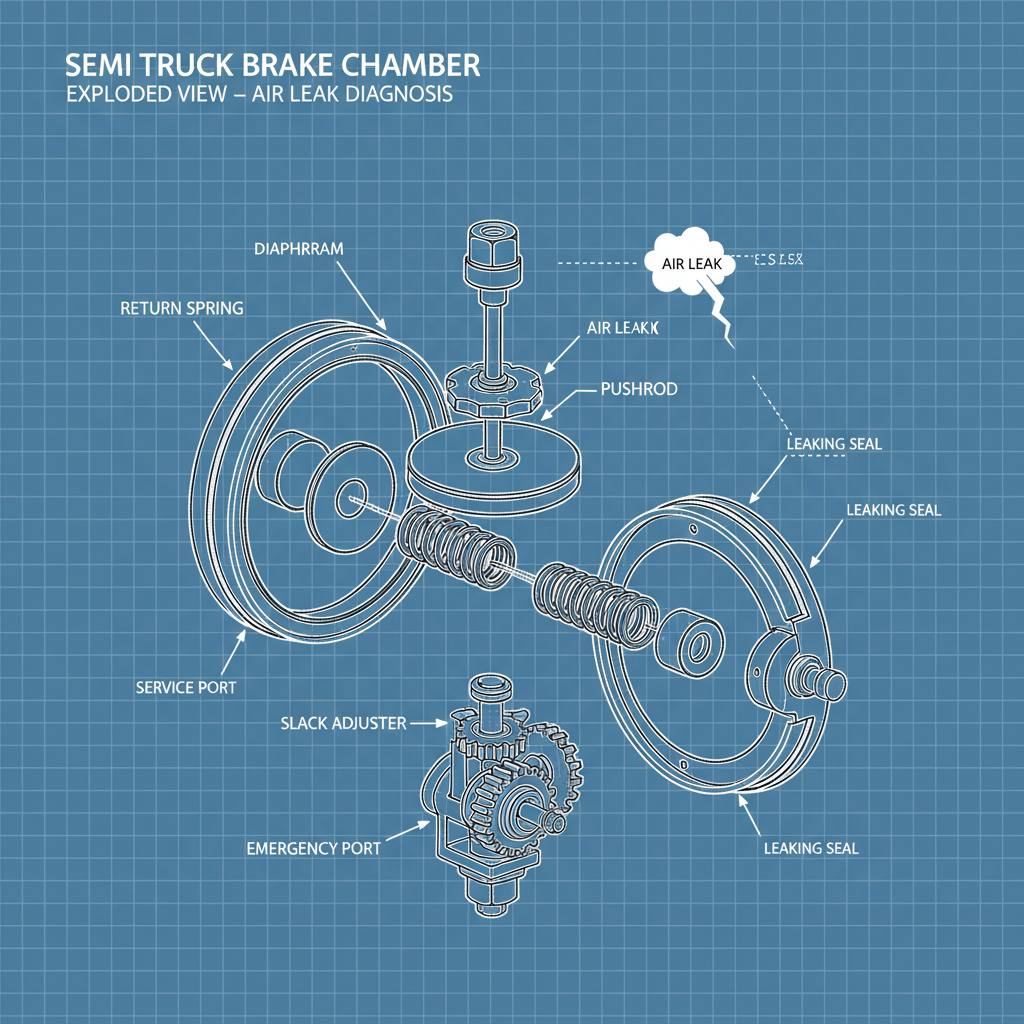
Selecting Quality Replacement Brake Chambers
When replacing brake chambers, it’s essential to choose high-quality components from a reputable supplier like Kaihua Casting. Look for chambers that meet or exceed OEM specifications and are made from durable materials. Avoid using cheap, aftermarket parts that may fail prematurely and compromise safety. Investing in quality brake chambers will save you money in the long run by reducing the frequency of repairs and ensuring reliable braking performance.
Conclusion: Maintaining Brake Chamber Integrity for Safety
Addressing a semi truck brake chamber leaking air is paramount for ensuring safe and reliable operation. By understanding the causes, utilizing effective repair methods, and prioritizing preventative maintenance, you can minimize downtime and protect your investment. Choose high-quality replacement parts from trusted suppliers for long-lasting performance and peace of mind. Don't compromise on safety – prioritize your brake system!
Frequently Asked Questions (FAQs)
How often should I inspect my brake chambers?
It's recommended to inspect brake chambers during every pre-trip and post-trip inspection. A thorough inspection should include a visual check for cracks, corrosion, and leaks, as well as testing the brake function. More detailed inspections should be performed during scheduled maintenance intervals, typically every 6-12 months, depending on operating conditions. Early detection of issues can prevent more serious problems down the road.
Can a leaking brake chamber affect my DOT inspection?
Yes, absolutely. A leaking brake chamber is a critical safety violation and will likely result in a failed DOT inspection. Any air leak in the braking system is considered a serious issue that compromises the vehicle's ability to stop safely. Addressing brake chamber leaks promptly is essential for maintaining compliance and avoiding penalties.
What tools do I need to replace a brake chamber?
To replace a brake chamber, you'll typically need a wrench set, socket set, penetrating oil, a torque wrench, and potentially a brake chamber puller (depending on the installation). Safety glasses and gloves are also essential. Consult your truck's service manual for specific torque specifications and recommended procedures. Ensure you have the correct replacement chamber for your vehicle model.
Is it safe to drive with a leaking brake chamber temporarily?
No, it is not safe to drive with a leaking brake chamber, even temporarily. A leak compromises the braking system's ability to maintain adequate air pressure, increasing stopping distances and potentially leading to brake failure. Driving with a known leak is a serious safety hazard. The vehicle should be taken out of service immediately until the leak is repaired.