


Comprehensive Guide to Semi Truck Brake Components and Maintenance Procedures
Understanding Semi Truck Brake Components
Maintaining the braking system of a semi-truck is critical for safety and regulatory compliance. A robust and well-maintained braking system is the cornerstone of safe transportation in the trucking industry. This article will delve into the key semi truck brake components, their functions, common issues, and best practices for maintenance. From air compressors to brake drums, we'll cover everything you need to know to keep your fleet running safely and efficiently. Understanding these components helps ensure your commercial vehicles meet stringent safety standards and avoid costly downtime.
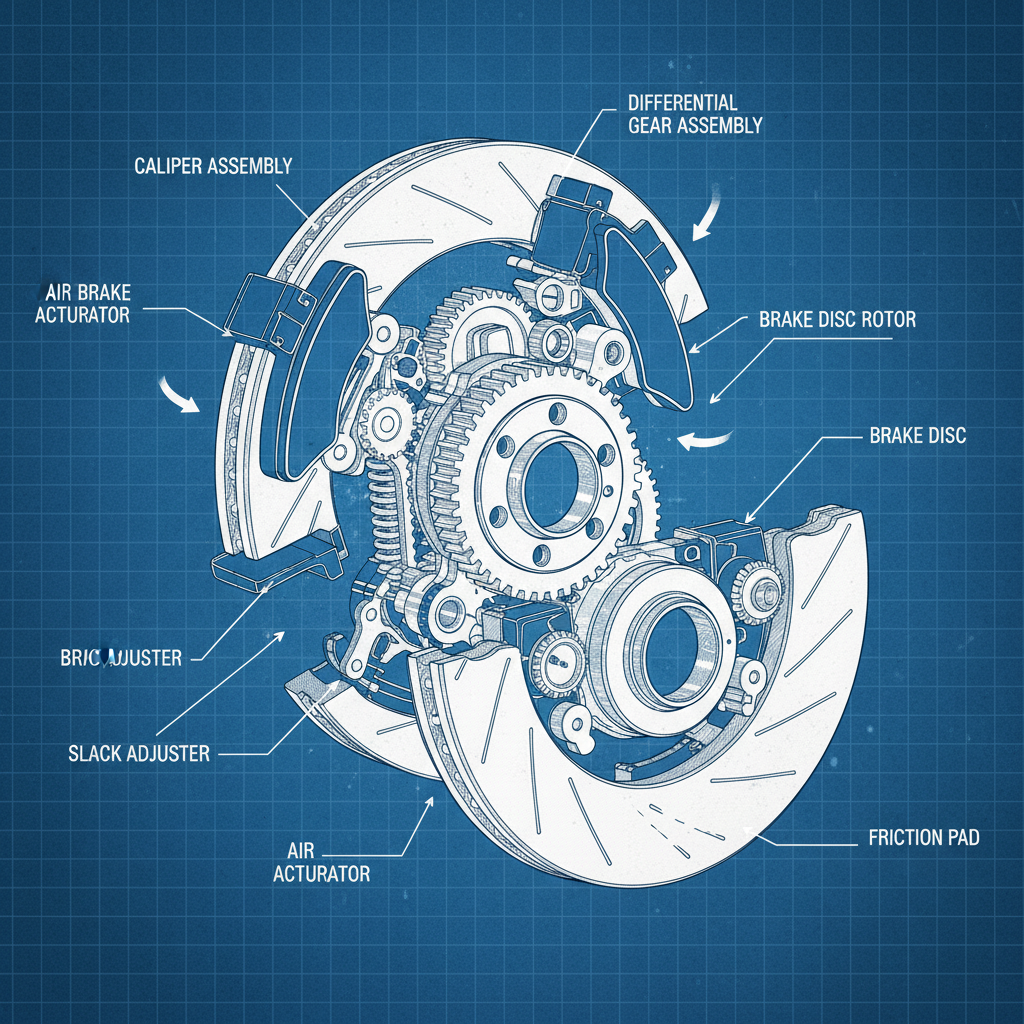
Essential Semi Truck Brake Components
A semi-truck’s braking system is significantly more complex than that of a passenger vehicle. It relies heavily on compressed air to actuate the brakes. Key components include the air compressor, air dryer, air tanks, brake chambers, brake lines, foundation brakes (drums or discs), and various valves. The air compressor creates the pressurized air, which is then stored in air tanks. When the driver presses the brake pedal, air is released from the tanks to the brake chambers, applying force to the foundation brakes. Each component plays a vital role in ensuring the system operates effectively. Regular inspection and maintenance of all these parts are crucial for preventing failures and ensuring driver safety. The quality of these components significantly impacts stopping distance and overall braking performance.
Key Takeaway: The air brake system is designed with redundancy in mind, meaning multiple components work together to ensure reliable braking performance. Proper maintenance of all these parts is essential.
Air Brake System: The Heart of the Operation
The air brake system is the cornerstone of semi-truck braking. The air compressor, typically belt-driven by the engine, pumps air into the air tanks. An air dryer removes moisture and oil from the compressed air, preventing corrosion and ensuring optimal performance. Air tanks store the compressed air, providing a reserve for multiple braking applications. The brake pedal controls the flow of compressed air to the brake chambers, which then push rods to actuate the foundation brakes. Understanding the entire airflow process is crucial for diagnosing and repairing any issues within the system. Furthermore, safety valves, like the spring brake valve, provide an emergency braking function in case of air pressure loss.
Air Brake System Benefits:
• High stopping power for heavy loads
• Reliable and durable system
• Redundancy for enhanced safety
• Suitable for all weather conditions
Foundation Brakes: Drums vs. Discs – A Comparison
Foundation brakes are the final stage in the braking process, where kinetic energy is converted into heat. Two primary types of foundation brakes are used in semi-trucks: drum brakes and disc brakes. Drum brakes are more traditional and often less expensive, but they can be prone to overheating and fading. Disc brakes offer superior stopping power, better heat dissipation, and are less susceptible to fading. Many newer trucks are equipped with disc brakes on all axles. The choice between the two often depends on the application and budget. However, disc brakes are rapidly becoming the industry standard due to their superior performance and safety characteristics.
Common Issues with Semi Truck Brake Components
Several issues can arise with semi-truck brake components, impacting their performance and safety. These include air leaks in the system, worn brake pads or linings, corroded brake chambers, malfunctioning slack adjusters, and issues with the air compressor. Air leaks can reduce air pressure, diminishing braking power. Worn brake pads or linings reduce friction, increasing stopping distance. Corroded brake chambers can seize, causing uneven braking. Malfunctioning slack adjusters can prevent proper brake application. Regular inspections and preventative maintenance are critical to identifying and addressing these issues before they lead to more serious problems. Utilizing quality components from trusted suppliers, like Kaihua Casting, can minimize the risk of component failure.
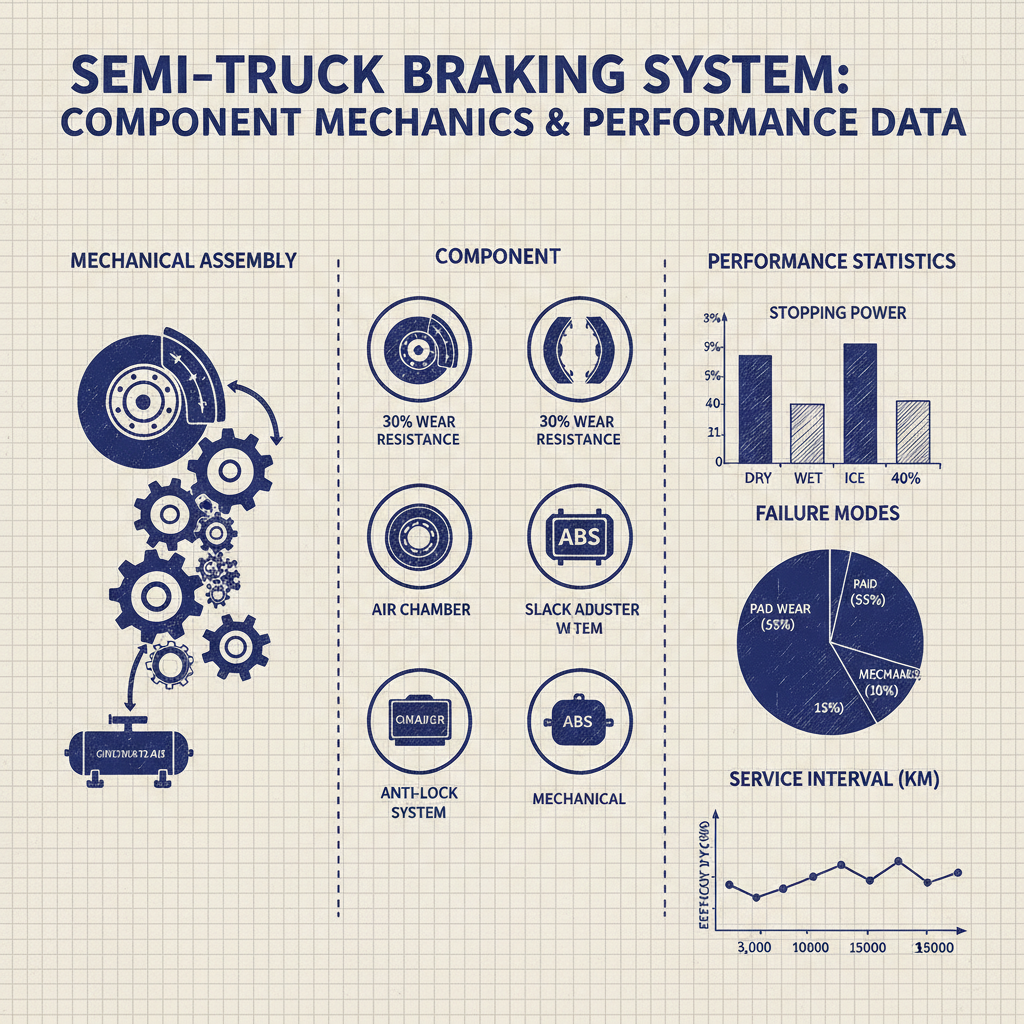
Maintaining Your Semi Truck Brake System: Best Practices
Effective maintenance is vital for ensuring the longevity and reliability of your semi-truck’s brake system. Regularly inspect brake linings, drums, and discs for wear and damage. Check air pressure and look for leaks in the air lines and tanks. Lubricate slack adjusters and other moving parts. Ensure the air dryer is functioning correctly and replace the filter as needed. Follow the manufacturer's recommended maintenance schedule. Train drivers to perform pre-trip and post-trip inspections, focusing on brake function. Documentation of all maintenance activities is essential for compliance and safety auditing. Partnering with a reputable service provider can ensure your brake system is always in optimal condition.
Conclusion: Prioritizing Brake System Health
The health of your semi-truck’s brake system is paramount to safety and operational efficiency. Understanding the critical components, recognizing common issues, and adhering to best maintenance practices will ensure your fleet operates reliably and avoids costly downtime. Investing in quality components and preventative maintenance is a smart investment in the safety of your drivers and the integrity of your business.
Frequently Asked Questions (FAQs)
How often should I inspect my semi-truck’s brakes?
You should inspect your brakes before each trip and as part of a comprehensive preventative maintenance schedule. Pre-trip inspections should include checking brake linings, air pressure, and for any visible leaks. A thorough inspection should be performed at least every 3 months or 3,000 miles, whichever comes first. Detailed records of all inspections and maintenance should be maintained. Federal regulations require specific inspection intervals, so be sure to adhere to those guidelines.
What are the signs of worn brake linings?
Signs of worn brake linings include squealing or grinding noises when braking, reduced stopping power, and a longer stopping distance. Visually inspecting the linings will reveal their thickness. If the lining is less than ¼ inch thick, it needs to be replaced. Also, check for uneven wear, which could indicate an issue with the brake chamber or slack adjuster. Don't ignore these signs; worn brake linings compromise safety.
What is a slack adjuster and why is it important?
A slack adjuster is a mechanical component that translates the movement of the brake chamber into the application of the foundation brakes. It automatically adjusts for brake lining wear, maintaining proper brake stroke. A malfunctioning slack adjuster can cause excessive brake stroke, leading to reduced braking power and potentially a brake failure. Regularly inspecting and lubricating slack adjusters is crucial for ensuring they operate correctly.
How can I prevent air leaks in my brake system?
Preventing air leaks involves regularly inspecting all air lines, connections, and fittings for cracks, damage, and looseness. Tighten any loose fittings and replace damaged air lines immediately. Use a soapy water solution to check for leaks around connections. Ensure all air tanks are properly drained to remove moisture, which can cause corrosion and leaks. Proper maintenance and timely repairs are essential for maintaining a leak-free air brake system.