


Comprehensive Guide to Semi Truck Hood Parts Maintenance and Replacement
Navigating Semi Truck Hood Parts: A Comprehensive Guide
Finding the right semi truck hood parts can be a daunting task. With numerous components and varying qualities, it’s crucial to understand your options. This article provides a detailed overview of semi truck hood parts, focusing on materials, types, maintenance, and where to source reliable components. Whether you’re a fleet manager, owner-operator, or mechanic, this guide will equip you with the knowledge to make informed decisions. Investing in quality hood parts ensures the safety and longevity of your vehicle, preventing costly repairs down the road.
Understanding the Key Components of a Semi Truck Hood
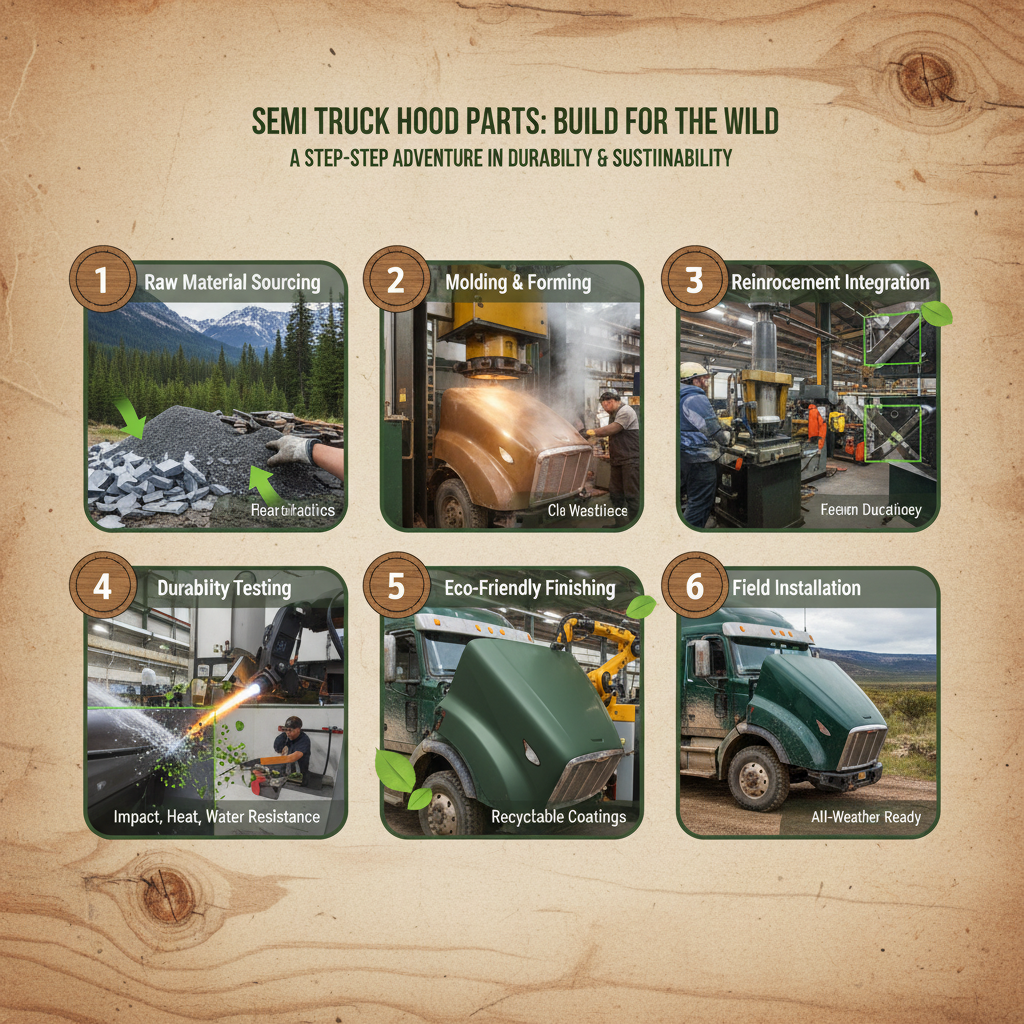
The semi truck hood isn’t just a single piece; it’s an assembly of various parts working together. These include the hood itself (typically made of steel, fiberglass, or aluminum), hinges, latches, hood supports, and surrounding trim. Each component plays a vital role in the hood’s functionality and overall structural integrity. The hood’s primary function is to protect the engine and other critical components from the elements and potential road debris. Furthermore, the hood’s design contributes to the truck’s aerodynamics, impacting fuel efficiency. Kaihua Casting specializes in providing durable and reliable hood components for a range of semi-truck models.
Key Takeaway: A semi truck hood comprises multiple crucial components, each contributing to the hood’s functionality, safety, and aesthetic appeal.
Materials Used in Semi Truck Hood Parts
The material of your semi truck hood parts significantly impacts its durability, weight, and cost. Steel hoods are known for their strength and affordability, making them a popular choice for heavy-duty applications. Fiberglass hoods are lighter, offering improved fuel efficiency, but are generally more expensive and potentially less durable than steel. Aluminum hoods represent a balance between weight and strength, offering corrosion resistance but at a higher price point. The choice depends on factors like your budget, operating environment, and performance requirements. Modern advancements in materials science continue to introduce new composites offering enhanced properties.
Material Comparison:
• Steel: Strong, affordable, heavy.
• Fiberglass: Lightweight, expensive, less durable.
• Aluminum: Balance of weight/strength, corrosion resistant, costly.
Essential Semi Truck Hood Parts and Their Functions
Beyond the hood itself, several other parts contribute to its proper operation. Hood hinges allow for smooth opening and closing, while latches secure the hood in place during transit. Hood supports (often gas-charged struts) assist in lifting and holding the hood open, reducing strain and preventing accidents. Trim pieces enhance the hood’s appearance and seal against water and air leaks. Regular inspection and maintenance of these parts are vital for preventing unexpected failures.
Maintenance and Replacement of Semi Truck Hood Parts
Regular maintenance can significantly extend the life of your semi truck hood parts. This includes lubricating hinges and latches, inspecting for corrosion, and promptly addressing any signs of damage. Replace worn or damaged parts immediately to prevent further issues and ensure the hood functions correctly. A damaged hood can pose a safety hazard during transit, potentially leading to accidents. When sourcing replacement parts, choose reputable suppliers like Kaihua Casting to ensure quality and reliability.
Finding Reliable Suppliers for Semi Truck Hood Parts
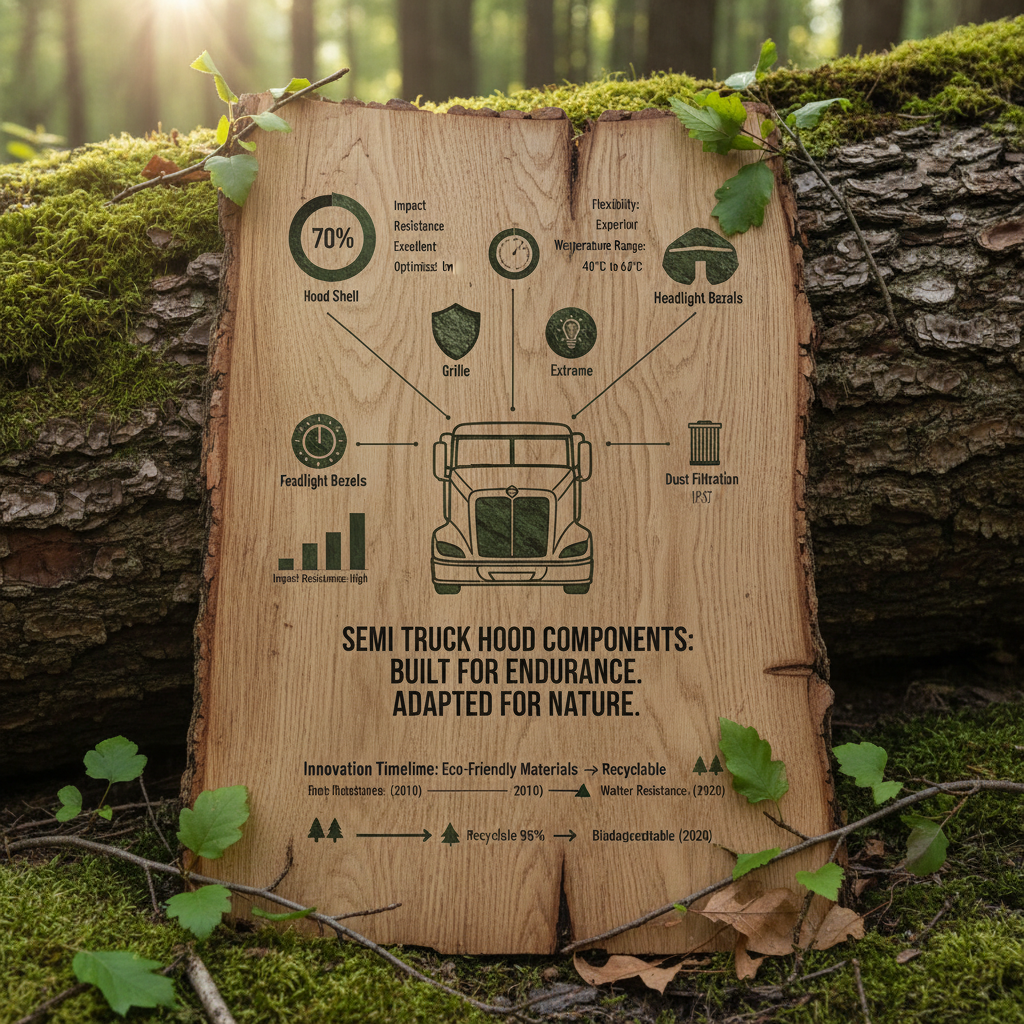
Selecting the right supplier is crucial for obtaining high-quality semi truck hood parts. Look for companies with a proven track record, a wide range of inventory, and excellent customer service. Consider suppliers offering both OEM (Original Equipment Manufacturer) and aftermarket parts to suit your budget and needs. Check for certifications and warranties to ensure the parts meet industry standards. Kaihua Casting is dedicated to providing reliable and durable semi-truck parts, backed by years of experience and expertise.
Conclusion: Ensuring Safety and Longevity with Quality Hood Parts
Investing in quality semi truck hood parts is paramount for maintaining the safety, reliability, and longevity of your vehicle. By understanding the components, materials, and maintenance requirements, you can make informed decisions and avoid costly repairs. Partner with a reputable supplier like Kaihua Casting to ensure you receive durable and dependable parts. Don't compromise on quality – choose the right hood parts for your truck.
Frequently Asked Questions (FAQs)
How often should I inspect my semi truck hood parts?
Regular inspection is key. At a minimum, inspect the hood, hinges, latches, and supports during every pre-trip and post-trip inspection. Look for signs of corrosion, damage, or wear. Lubricate hinges and latches monthly, or more frequently in harsh conditions. A quick visual check can prevent minor issues from escalating into major, costly repairs. Pay particular attention to areas prone to stress or exposure to road debris.
What should I do if my hood latch is broken?
A broken hood latch is a serious safety concern. Do not operate the vehicle with a faulty latch. Secure the hood temporarily with rope or straps to prevent it from opening during transit. Replace the latch immediately with a new, properly functioning one. If you're not comfortable performing the replacement yourself, take the truck to a qualified mechanic. Ignoring a broken latch could result in the hood opening while driving, obstructing your vision and creating a dangerous situation.
What are the benefits of using aluminum hood parts?
Aluminum hood parts are significantly lighter than steel, which can improve fuel efficiency. They also offer excellent corrosion resistance, making them ideal for use in harsh environments. While they are generally more expensive than steel, the weight savings and durability can offset the higher initial cost over the long term. Aluminum is also recyclable, making it a more environmentally friendly option. However, aluminum may not be as strong as steel for heavy-duty applications.
Can I paint my semi truck hood myself?
Yes, but it requires proper preparation and technique. First, thoroughly clean and sand the hood surface to ensure good adhesion. Apply a primer specifically designed for metal surfaces. Then, use a high-quality automotive paint formulated for heavy-duty vehicles. Multiple coats may be necessary for optimal coverage and durability. It’s recommended to use a spray gun for a professional finish. If you’re not experienced with automotive painting, it’s best to leave it to a professional.