


Comprehensive Guide to Semi Truck Hub Assembly Maintenance and Components
Understanding Semi Truck Hub Assembly: A Comprehensive Guide
The semi truck hub assembly is a critical component of the vehicle’s wheel and braking system, ensuring safe and efficient transportation. This system supports the weight of the truck, facilitates smooth rotation, and plays a vital role in stopping power. Understanding its components, maintenance, and common issues is essential for fleet managers, mechanics, and truck owners. At Kaihua Casting, we specialize in high-quality hub assembly components designed for durability and performance. This article delves into the intricacies of semi-truck hub assemblies, offering valuable insights for optimal operation and longevity.
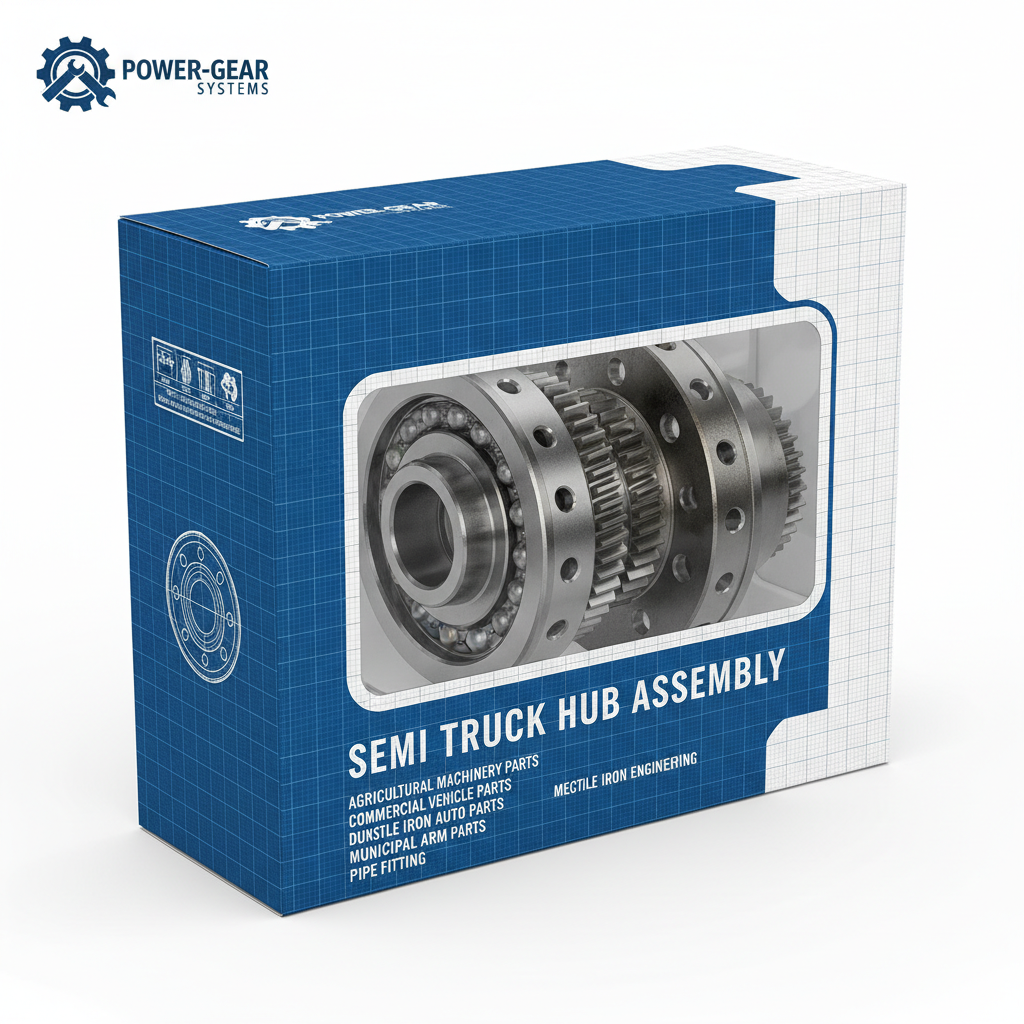
Key Components of a Semi Truck Hub Assembly
A semi truck hub assembly is comprised of several integral parts working in harmony. These include the hub itself (typically made of cast iron or steel), wheel bearings (critical for smooth rotation), seals (preventing lubricant leakage), and the spindle (supporting the wheel). The brake drum or disc, along with brake shoes or pads, are also closely associated with the hub assembly. The quality of each component directly impacts the overall performance and lifespan of the assembly. At Kaihua Casting we provide precision castings for these vital parts.
Key Takeaway: The hub assembly's robust design ensures the safe and efficient operation of commercial vehicles, while high-quality components contribute to extended service life and reduced maintenance costs.
Understanding Wheel Bearing Types
Wheel bearings are the heart of a smooth-rolling hub assembly. Two primary types are commonly used in semi-trucks: tapered roller bearings and cylindrical roller bearings. Tapered roller bearings excel in handling both radial and thrust loads, making them ideal for the driving axles. Cylindrical roller bearings, on the other hand, are better suited for non-drive axles where primarily radial loads are present. Proper bearing selection and lubrication are crucial for preventing premature failure and maintaining optimal performance. Kaihua Casting manufactures hub components designed to accommodate both bearing types.
Bearing Type Comparison:
• Tapered Roller: High load capacity, handles both radial and thrust loads.
• Cylindrical Roller: Excellent for radial loads, smoother rolling, less friction.
• Application: Tapered for drive axles, Cylindrical for non-drive axles.
Semi Truck Hub Assembly: Failure Modes and Causes
Hub assembly failure can stem from various factors, including improper lubrication, excessive load, contamination, and component wear. Common symptoms of a failing hub assembly include wheel wobble, grinding noises, excessive heat, and grease leakage. Ignoring these signs can lead to catastrophic failure, resulting in costly repairs and potential safety hazards. Regular inspections and preventative maintenance are vital to identifying and addressing potential issues before they escalate.
Choosing the Right Hub Assembly Components
Selecting high-quality components is paramount for the longevity and reliability of your semi-truck’s hub assembly. Opt for components manufactured from durable materials, such as high-grade cast iron or steel. Ensure compatibility with your specific truck model and axle type. Kaihua Casting offers a comprehensive range of precision-cast components designed to meet and exceed industry standards.
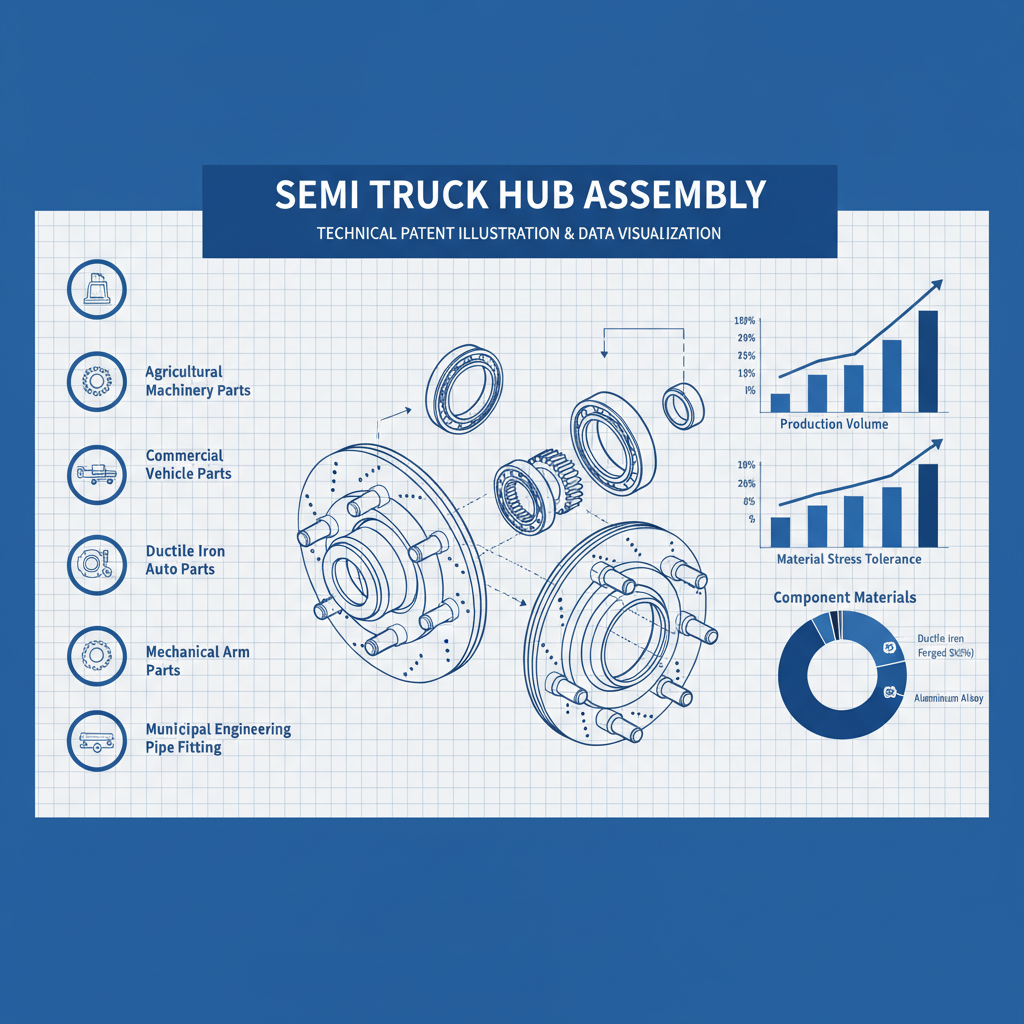
Maintaining Your Semi Truck Hub Assembly
Regular maintenance is key to preventing hub assembly failures. This includes periodic lubrication of wheel bearings, inspection of seals for leaks, and checking for any signs of wear or damage. Promptly address any issues identified during inspections. Following the manufacturer’s recommended maintenance schedule will significantly extend the lifespan of your hub assemblies and ensure optimal vehicle performance.
Conclusion: Ensuring Reliability with Quality Components and Proactive Maintenance
The semi truck hub assembly is a crucial element of vehicle safety and efficiency. Investing in high-quality components from a trusted supplier like Kaihua Casting, coupled with a proactive maintenance approach, will minimize downtime, reduce repair costs, and ensure the reliable operation of your fleet.
Frequently Asked Questions (FAQs)
How often should I grease my semi-truck’s wheel bearings?
The frequency of wheel bearing greasing depends on driving conditions and mileage. As a general guideline, wheel bearings should be greased every 25,000 to 50,000 miles, or as recommended by the truck manufacturer. Heavy-duty applications or operating in harsh environments may require more frequent lubrication. Regular inspections can help determine the optimal greasing schedule. Proper lubrication prevents friction, reduces wear, and extends the lifespan of the bearings.
What are the signs of a failing wheel seal?
A failing wheel seal typically manifests as grease leaking from the hub assembly. You might also notice oil discoloration due to contamination. Other signs include a low hub oil level (if equipped) and a characteristic hissing sound. If you observe any of these symptoms, it’s crucial to replace the seal promptly to prevent further damage to the bearings and other hub components.
Can I replace just the wheel bearing, or do I need to replace the entire hub assembly?
In some cases, you can replace just the wheel bearing. However, it's often recommended to replace the entire hub assembly, especially if the hub itself is damaged or worn. Replacing the entire assembly ensures that all components are new and functioning optimally, reducing the risk of future failures. Kaihua Casting offers both individual components and complete hub assemblies.
What is the importance of using the correct torque specifications when assembling a hub assembly?
Using the correct torque specifications is absolutely critical when assembling a hub assembly. Over-tightening can damage the bearings or distort the hub, while under-tightening can lead to looseness and premature failure. Always refer to the truck manufacturer's specifications and use a calibrated torque wrench to ensure proper tightening.